
Can Too Much Zinc Cause Copper Deficiency? Symptoms, Risks & Safe Intake
Yes, taking too much zinc can cause copper deficiency. High doses of zinc, especially when taken for several weeks, can


Yes, you can take zinc and iron on the same day. Some multivitamins even contain both. Higher amounts of supplemental iron—particularly 25 mg or more—can reduce zinc absorption when swallowed together. Research suggests the effect is more noticeable without food. You don’t necessarily need two complicated schedules, but the dose, your meals, and any prescribed treatment all deserve a look.
Iron supports oxygen transport, while zinc helps with immune function and healing. You need both, but taking larger supplemental amounts together can sometimes create competition during absorption.
It can. The concern isn’t the iron in a normal lunch or dinner. It’s most relevant when a concentrated iron supplement is taken alongside zinc, especially on an empty stomach. According to research on the absorption of supplemental iron and zinc, iron supplements containing 25 mg or more of elemental iron may reduce zinc absorption when taken simultaneously.
That finding concerns absorption; it does not mean that a single combined dose causes zinc deficiency.
Possibly under certain experimental conditions, although the evidence is less straightforward than a simple “zinc blocks iron” claim suggests. Rather than assuming the two minerals cancel each other out, consider the full supplement routine.
Taking zinc and iron with food can affect how your body absorbs them. When both supplements are taken on an empty stomach, iron may reduce zinc absorption. This effect appears to be less noticeable when they’re taken with a meal.
Food may also help reduce nausea or stomach discomfort caused by iron supplements. However, some iron supplements are absorbed better on an empty stomach. If you’re taking iron for a deficiency, follow your healthcare provider’s instructions before changing your routine.
You don’t need to separate everyday foods that naturally contain zinc and iron. Eating both minerals as part of a balanced meal is different from taking high-dose supplements together.
You may see advice to separate zinc and iron by two hours. That’s a practical rule sometimes used to avoid taking concentrated supplements simultaneously, not a precise interval proven necessary for everyone.
If you take individual iron and zinc tablets, ask your pharmacist whether different times of day would make sense for the amounts on your labels. For example, someone might take a prescribed iron supplement in the morning and zinc later with an evening meal. The right plan still depends on the formulation, side effects, and other medicines.
Drinks matter too. Coffee and tea contain compounds that can reduce the absorption of nonheme iron, particularly when consumed with an iron-containing meal or dose. If breakfast includes either drink, our explanation of how coffee and tea affect supplement timing offers additional context.
Don’t skip prescribed iron doses to make a new schedule work.
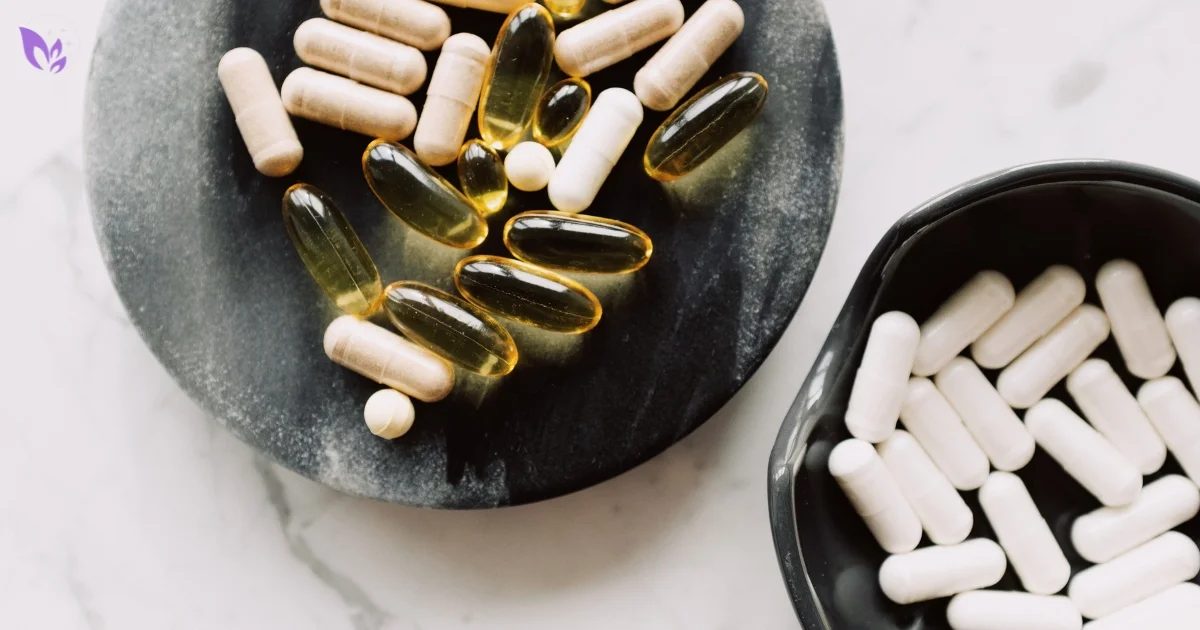
Yes. Finding both minerals on one Supplement Facts label isn’t automatically a red flag. Multivitamins typically contain amounts intended to contribute to daily nutrient intake, whereas standalone iron products may contain substantially larger doses.
A multivitamin with 18 mg iron differs substantially from a separate 65 mg iron tablet. Zinc amounts vary too.
Check the elemental amount of each mineral per serving, the number of servings you use, and whether you’re getting the same nutrient from another product. Don’t double up on supplements to compensate for an imagined absorption problem.
The most useful question isn’t simply whether zinc and iron appear together. It’s how they’re being taken.
| Situation | What to consider |
| Both minerals in regular food | No need to avoid combining normal meals. |
| Both in one multivitamin | Check amounts and follow the label directions. |
| Separate, higher-dose tablets | Simultaneous use may affect absorption; review timing. |
| Iron prescribed for low iron levels | Follow your treatment plan and ask before adding zinc. |
| Both taken together by accident | One shared dose doesn’t automatically mean harm; the amounts and any symptoms matter. |
This is general context, not an individual dosing schedule.
Start with the labels. Look for elemental iron and elemental zinc, not just ingredient names such as ferrous sulfate or zinc gluconate. Write down the amount in every supplement you take; the totals can be surprising when a multivitamin and a separate tablet overlap.
Pay attention to how you feel. Iron supplements can cause constipation, nausea, or stomach pain. Zinc can also upset the stomach, particularly at higher doses. These symptoms don’t necessarily prove that the two minerals are interfering with each other’s absorption.
Long-term intake matters as much as timing. Excessive zinc over time can interfere with copper balance. We’ve explained separately how too much zinc can affect copper levels, because that is a different concern from taking iron and zinc in the same sitting.
For any supplement, including those from Mahoney Inter, it’s important to check the mineral amounts on the label before combining it with other products.
Speak with a healthcare professional before combining supplements if you’re treating anemia, pregnant, taking prescription medication, or managing a condition that affects nutrient absorption. Suspected iron deficiency should be assessed rather than treated with guesswork; excess iron can be harmful too.
Certain antibiotics can interact with zinc, and other medicines may have separate instructions. If you are being treated for iron deficiency, follow-up blood tests may help your clinician decide whether the treatment is working. Symptoms alone cannot show whether your iron stores have recovered.
You don’t have to avoid zinc and iron in the same daily routine. What deserves attention is taking concentrated supplements simultaneously, especially when not taken with food. Check the actual amounts, follow treatment instructions, and ask for professional guidance when your doses or health needs go beyond those of an ordinary multivitamin.
Yes. Taking them on the same day isn’t inherently a problem. If they’re separate higher-dose supplements, the timing may be worth reviewing. Follow any prescribed instructions and check how much of each mineral you take.
Usually, the immediate concern is whether absorption was affected, not that the minerals chemically neutralized each other. Don’t take an extra dose to make up for it. If you’ve taken much more than directed or develop concerning symptoms, seek prompt medical advice; iron overdose can be serious, especially in children.
For some people, that is a convenient way to avoid taking separate tablets together. It isn’t a required schedule for everyone. A clinician or pharmacist can help you coordinate it with meals, other medicines, and prescribed iron directions.
No. They remain essential nutrients even when consumed in the same meal or multivitamin. Certain supplemental amounts may reduce absorption under particular conditions, but that does not mean neither mineral works.
This article is for informational purposes only and is not intended to replace professional medical advice. Always consult a qualified healthcare professional before starting, combining, or changing iron and zinc supplements, especially if you have a medical condition or take prescription medications.


Noor-ul-Ain is a Tech & SEO Content Writer with over 4 years of experience creating search-optimized content for digital platforms. She specializes in SaaS products, AI tools, SEO strategy, and product documentation, helping platforms turn complex features into clear, search-driven growth. Noor-ul-Ain has also written extensively on health science, sports, fitness, fashion, and beauty, focusing on informative and reader-friendly content.
Yes, taking too much zinc can cause copper deficiency. High doses of zinc, especially when taken for several weeks, can

Liquid trace minerals are a good choice if you prefer mixing supplements into water or have difficulty swallowing capsules. Capsules

Reverse osmosis (RO) filtration changes the mineral composition of drinking water, which often raises questions about what happens after filtration.