
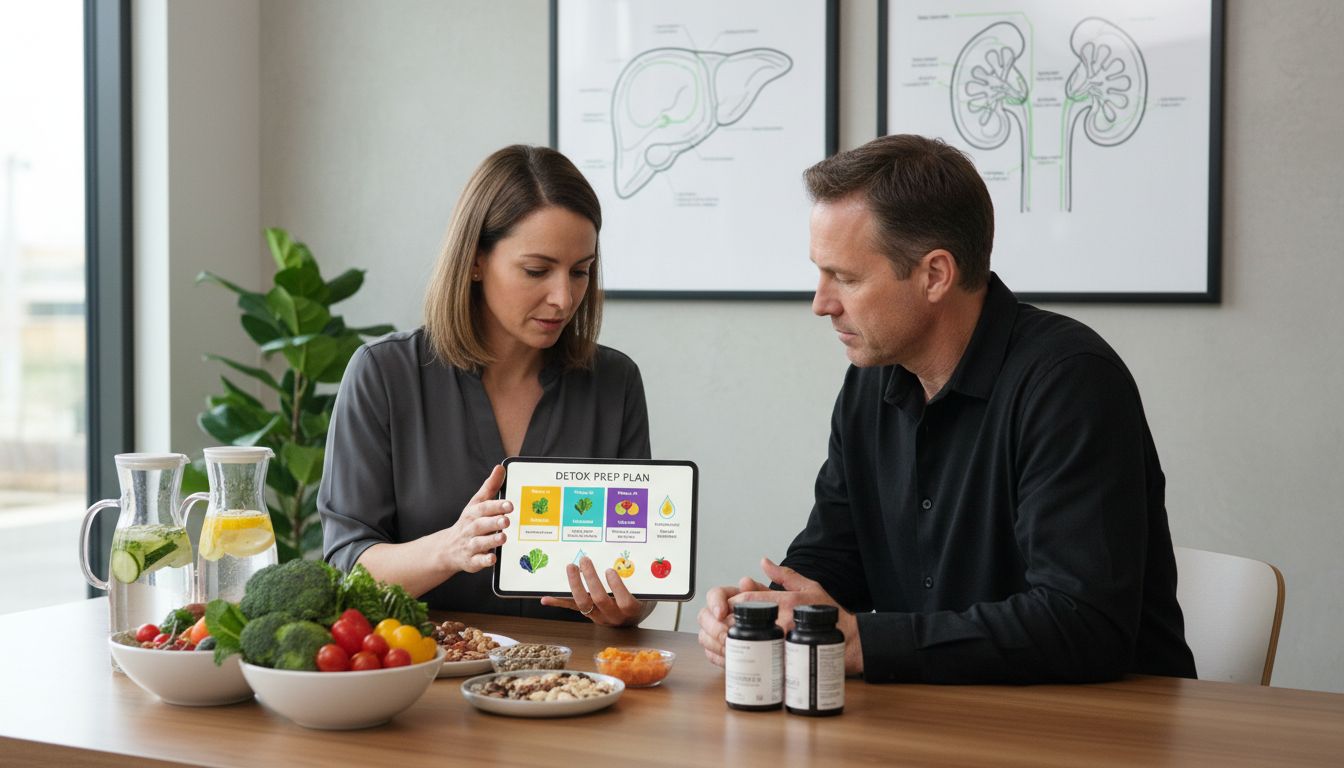
Over half of american adults try detox routines every year, yet many feel lost when symptoms appear and progress stalls. The detox journey can seem confusing, especially as new reactions, discomfort, and health risks emerge without warning. Knowing how to prepare your body, identify key symptoms, apply relief methods, and adjust along the way makes all the difference. This guide breaks down proven steps so you can approach detox with confidence and protect your well-being from start to finish.
Table of Contents
- Step 1: Prepare Your Body for Detox Reactions
- Step 2: Identify and Monitor Detox Symptoms
- Step 3: Apply Targeted Relief Strategies
- Step 4: Adjust Your Protocol for Symptom Management
- Step 5: Evaluate Progress and Ensure Safe Detoxification
Quick Summary
| Key Point | Explanation |
|---|---|
| 1. Prepare your body for detox | Stay hydrated, eat whole foods, and sleep well to support detoxification. Monitor your body’s signals for any discomfort. |
| 2. Track detox symptoms closely | Keep a daily journal of symptoms to identify patterns and gauge severity, seeking medical help for severe reactions. |
| 3. Implement targeted symptom relief | Use gentle remedies like hydration and rest to ease discomfort; consider professional advice for persistent symptoms. |
| 4. Adjust detox protocol as needed | Be flexible with your detox strategies, modifying your approach based on symptom severity and your body’s feedback. |
| 5. Regularly evaluate your progress | Monitor physical and emotional health changes, using both quantitative and qualitative assessments to ensure safe detoxification. |
Step 1: Prepare Your Body for Detox Reactions
Preparing your body for potential detox reactions is a strategic process that supports your overall health and minimizes uncomfortable symptoms. According to Harvard Health, our bodies naturally have powerful detoxification mechanisms through organs like the liver and kidneys.
To optimize your body’s readiness, focus on fundamental wellness strategies. LAM Clinic recommends several key preparatory steps: increase your water intake significantly, reduce processed food consumption, prioritize quality sleep, and maintain regular physical activity. These actions help support your liver function and create an internal environment primed for effective detoxification.
One crucial warning: listen to your body during this process. Some individuals experience temporary discomfort like mild headaches, fatigue, or digestive shifts. These reactions are often temporary and signal that your body is working to eliminate accumulated toxins. If symptoms become intense or persist, consult a healthcare professional who can provide personalized guidance. The goal is gentle, supportive detoxification that respects your body’s natural rhythms.
Step 2: Identify and Monitor Detox Symptoms
Understanding and tracking detox symptoms is a critical aspect of your wellness journey, allowing you to navigate the body’s natural cleansing process safely and effectively. According to the First Nations Health Authority, common detox symptoms can include nausea, vomiting, sleep disturbances, and muscle aches.
To monitor your detox experience systematically, track key physical and mental indicators. SAMHSA recommends carefully assessing vital signs and mental status during the detoxification process. Start a daily symptom journal where you record the intensity, duration, and frequency of symptoms like headaches, fatigue, digestive changes, skin reactions, or mood shifts. Note any patterns or significant changes that might require medical attention.

Critical warning: while some mild symptoms are normal during detoxification, persistent or severe reactions demand professional medical evaluation.
 Your body communicates through these symptoms, and understanding them helps you distinguish between expected cleansing responses and potentially serious health concerns. For a comprehensive understanding of detox processes, check out our complete guide to detox symptoms that provides deeper insights into your body’s natural healing mechanisms.
Step 3: Apply Targeted Relief Strategies
Navigating detox symptoms requires a strategic and personalized approach to minimize discomfort and support your body through the healing process. Centres For Health and Healing emphasizes the critical importance of professional medical supervision during detoxification, especially when managing complex symptom responses.
Targeted relief strategies involve a multifaceted approach addressing physical and mental wellness. Begin by creating a comprehensive symptom management plan that includes hydration protocols, gentle nutrition, rest periods, and specific interventions for your unique symptoms. For headaches, consider natural remedies like herbal teas and adequate water intake. For muscle aches, implement gentle stretching and warm compress applications. Digestive discomfort might require probiotic support and easily digestible foods. Mental wellness techniques such as meditation, deep breathing exercises, and consistent sleep schedules can help manage stress and emotional fluctuations during the detox process.
One crucial warning: while home strategies can provide significant relief, persistent or severe symptoms always warrant professional medical consultation. Your body communicates through these symptoms, and understanding their nuanced signals helps you distinguish between normal detoxification responses and potential health concerns. To learn more about developing comprehensive detox protocols, explore our detox protocols guide for deeper insights into holistic healing approaches.
Step 4: Adjust Your Protocol for Symptom Management
Detoxification is a dynamic process that requires careful and responsive symptom management. University of Sydney recommends a flexible approach to protocol adjustment, emphasizing the importance of monitoring symptom severity and being prepared to modify your strategy as your body responds.
To effectively adjust your detox protocol, establish a systematic tracking method that allows you to evaluate symptom intensity and duration. Create a detailed symptom log that records the type, frequency, and severity of each reaction. Pay special attention to changes in physical and mental health indicators. If specific symptoms intensify or new symptoms emerge, consider modifying key elements of your detox approach such as hydration levels, nutrient intake, rest periods, and stress management techniques. Some potential adjustments might include reducing detox intensity, introducing supporting supplements, incorporating additional recovery strategies, or temporarily pausing certain interventions.
Critical warning: while self monitoring is valuable, any significant or prolonged symptoms require immediate professional medical consultation. Your body’s unique response to detoxification demands a personalized and adaptive approach. To gain deeper insights into managing complex detox protocols, explore our guide on anti-parasitic protocols for comprehensive strategies in symptom management.
Step 5: Evaluate Progress and Ensure Safe Detoxification
Icarus Behavioral Health highlights the importance of systematic assessment during detoxification, recommending structured tools to track your body’s response and overall healing progression. Evaluating your detox journey requires a comprehensive and objective approach that goes beyond subjective experiences.
Implement a multifaceted evaluation strategy that combines quantitative and qualitative measurements. SAMHSA emphasizes ongoing health status monitoring during detoxification. Create a comprehensive tracking system that includes physical indicators like weight, energy levels, sleep quality, and vital signs. Document mental and emotional changes through mood tracking, stress levels, and cognitive function assessments. Consider using digital health apps or a detailed journal to record these metrics consistently. Look for patterns of improvement such as reduced inflammation, enhanced immune response, better digestion, increased mental clarity, and stabilized emotional states.
Critical warning: while self monitoring provides valuable insights, it cannot replace professional medical evaluation. Any significant health changes or persistent symptoms require immediate consultation with a healthcare professional. To gain deeper understanding of your body’s detoxification processes, explore our comprehensive detoxification guide for advanced insights into holistic health management.
Support Your Detox Journey with Trusted Solutions
Experiencing detox symptoms can feel challenging and overwhelming as your body works to eliminate toxins. This guide highlights the importance of recognizing and managing symptoms like headaches, fatigue, digestive changes, and emotional shifts with care and responsiveness. When discomfort arises during detox, staying hydrated, adjusting protocols, and applying targeted relief are crucial steps toward safe and effective cleansing.
Take control of your wellness journey now by exploring pharmaceutical-grade supplements designed to support natural detoxification, liver health, and parasite removal at Mahoney Inter. Benefit from trusted products such as TUDCA, NAC, and parasite cleanse options that work alongside your body’s natural rhythms to ease symptoms and promote lasting balance. Visit our comprehensive detoxification guide and examples of detox protocols to learn how you can customize safe, effective protocols tailored to your needs. Don’t wait until symptoms worsen. Start your supportive detox plan today with expert resources and quality supplements at Mahoney Inter.
Frequently Asked Questions
How can I prepare my body for detox reactions?
To prepare your body for detox reactions, prioritize hydration, cut back on processed foods, ensure quality sleep, and stay active. Start by increasing your water intake to at least 8 cups a day to support your body’s detoxification processes.
What are common detox symptoms I should monitor?
Common detox symptoms include nausea, headaches, fatigue, and muscle aches. Keep a daily symptom journal to track the severity and duration of these symptoms and identify any patterns that may require adjustments in your detox approach.
What strategies can I use to relieve detox symptoms?
Utilize targeted relief strategies such as staying hydrated, consuming easily digestible foods, and practicing relaxation techniques like deep breathing or meditation. For headaches, try drinking herbal teas and increasing your water intake to help alleviate discomfort.
How do I adjust my detox protocol based on symptoms?
Adjust your detox protocol by closely monitoring your symptoms and being ready to change your hydration, nutrient intake, or resting periods. If you notice any worsening symptoms, consider temporarily decreasing detox intensity or consulting a healthcare professional for guidance.
How can I evaluate my progress during detoxification?
Evaluate your progress by tracking both physical indicators, like energy levels and sleep quality, as well as mental and emotional changes. Document these experiences in a journal or digital app to notice patterns of improvement over time, aiming for noticeable changes within a few weeks.
What should I do if I experience severe detox symptoms?
If you experience severe or persistent detox symptoms, consult a healthcare professional immediately. It’s crucial to prioritize your health and ensure safe detoxification, especially if your symptoms interfere with daily functioning.