
Milk Thistle for Liver Detox: Benefits, Dosage, and How It Works
If you are considering milk thistle for liver detox, you are probably asking a few important questions. Can it help


Over half of American adults have tried a detox product or program at some point, yet confusion about what true metabolic detoxification means remains widespread. With so many bold promises and quick-fix trends flooding popular wellness spaces, it is easy to lose sight of how the human body naturally purifies itself every day. Understanding the facts behind metabolic detox can help you avoid myths while discovering practical ways to genuinely support your body’s biological cleansing systems.
| Point | Details |
|---|---|
| Metabolic Detox is a Natural Process | The body has sophisticated systems in place, primarily in the liver and kidneys, to eliminate toxins efficiently. |
| Detox Myths vs. Reality | Popular detox methods like juice cleanses and supplements are often misleading; the body can detoxify itself without these products. |
| Holistic Support is Key | Supporting natural detoxification involves balanced nutrition, hydration, and healthy lifestyle practices rather than extreme diets or quick fixes. |
| Consult Healthcare Professionals | Always seek medical advice before starting any detox regimen to ensure safety and optimal health outcomes. |
Metabolic detoxification represents the body’s sophisticated self-cleaning mechanism designed to neutralize and eliminate harmful substances. Unlike trendy marketing claims, this process is deeply rooted in complex biochemical interactions occurring primarily within the liver, kidneys, digestive system, and cellular networks. Understanding biological detoxification systems reveals that our bodies possess intricate pathways for processing and removing potentially dangerous compounds.
Contrary to popular wellness myths, metabolic detox isn’t something you can purchase in a bottle or achieve through a weekend juice cleanse. Scientific research consistently demonstrates that the human body has evolved remarkably efficient mechanisms for removing toxins. The liver, acting as the primary filtration system, continuously breaks down potentially harmful substances through enzymatic processes that transform them into less toxic, more easily eliminated compounds. Similarly, the kidneys filter blood, extracting waste products that are then expelled through urine, while the digestive tract plays a crucial role in eliminating undesirable substances.
Many detox myths persist despite lacking scientific validation. Some common misconceptions include believing that expensive supplements can rapidly purge the body of toxins or that extreme dietary restrictions are necessary for cellular cleansing. Research from health experts reveals that such claims are fundamentally misleading. The human body’s natural detoxification systems are far more sophisticated and nuanced than any commercial product could replicate. Instead of pursuing quick fixes, supporting your body’s inherent metabolic processes through balanced nutrition, adequate hydration, regular exercise, and sufficient sleep represents the most effective approach to maintaining optimal cellular health.
Pro Health Tip: Support your body’s natural detoxification by drinking adequate water, consuming a diverse range of vegetables and fruits, and maintaining consistent sleep patterns to optimize metabolic function.
Here’s a summary of major organs involved in metabolic detox and their primary functions:
| Organ/System | Main Detox Function | Key Mechanisms Involved |
|---|---|---|
| Liver | Breaks down and neutralizes toxins | Enzymatic transformation |
| Kidneys | Filters blood and removes waste | Urine production |
| Digestive Tract | Eliminates unwanted substances | Enzymes and peristalsis |
| Cellular Level | Manages oxidative stress and waste | Antioxidants, transporters |
Metabolic detoxification represents a complex, multifaceted biological process involving several critical physiological systems working in intricate coordination. Understanding the detoxification process begins with recognizing that cellular cleansing occurs through sophisticated biochemical pathways primarily managed by the liver, kidneys, digestive tract, and cellular membranes. These interconnected systems collaborate to identify, neutralize, and eliminate potentially harmful substances that could compromise overall health.

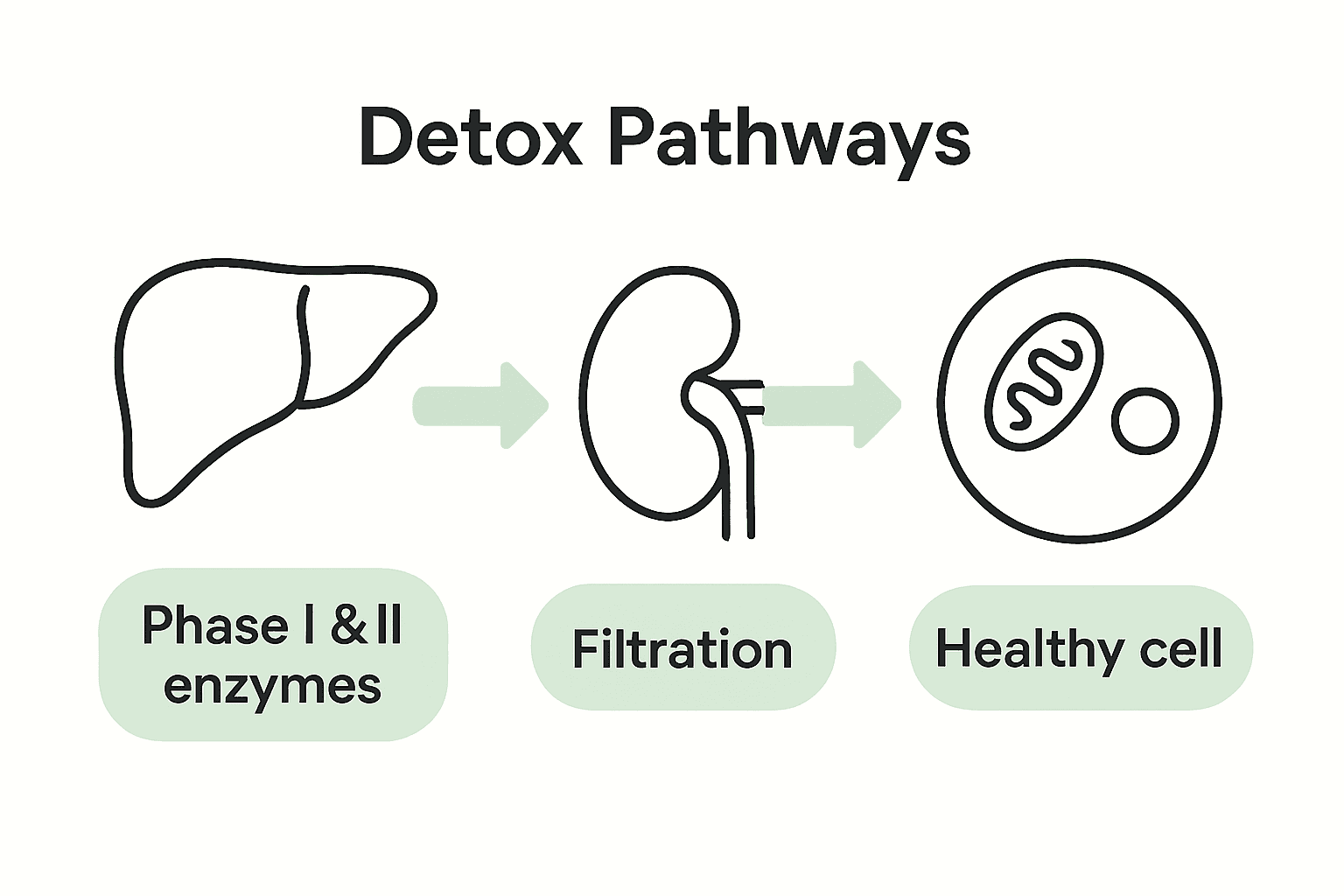
The liver serves as the body’s primary detoxification headquarters, performing extraordinary filtration and transformation functions. Through two primary enzymatic phases, hepatic cells break down toxins into less harmful compounds. Phase I enzymes initiate the transformation process by introducing reactive groups to toxic molecules, while Phase II enzymes further modify these compounds, making them water-soluble and easier to excrete. This intricate process involves specialized enzymes like cytochrome P450 and glutathione transferases, which systematically deconstruct complex molecular structures and prepare them for safe elimination.
Cellular detoxification extends beyond the liver, involving intricate mechanisms within individual cells. Mitochondria, cellular powerhouses, play a crucial role in managing oxidative stress and eliminating metabolic waste products. Cellular membrane channels and transporters actively pump out potential toxins, while specialized proteins like glutathione provide critical antioxidant protection. The body’s natural detox systems continuously monitor and respond to internal environmental changes, adjusting enzymatic activities to maintain optimal cellular function and prevent accumulated toxic buildup.
Pro Cellular Cleansing Tip: Support your body’s natural detoxification by consuming sulfur-rich vegetables like broccoli and cauliflower, which enhance liver enzyme production and promote more efficient toxin elimination.
Metabolic detoxification encompasses several interconnected processes that work synergistically to protect cellular health and maintain optimal physiological function. Systemic detox strategies reveal a complex network of biological mechanisms designed to neutralize, transform, and eliminate potentially harmful substances through multiple specialized pathways. These intricate detoxification processes can be broadly categorized into cellular, hepatic, digestive, and renal detoxification systems, each playing a critical role in maintaining the body’s internal balance.
Hepatic detoxification represents the most sophisticated metabolic cleansing mechanism, involving two primary enzymatic phases that systematically transform toxic compounds. Phase I detoxification initiates the process by utilizing cytochrome P450 enzymes to introduce reactive groups into molecular structures, making them more water-soluble and preparing them for further modification. Phase II enzymes then conjugate these modified molecules with specific compounds like glutathione, sulfate, or glucuronic acid, rendering them completely harmless and easily excretable through urine or bile. This intricate two-phase process ensures that potentially dangerous substances are effectively neutralized and removed from the body.
Cellular detoxification extends beyond hepatic processes, involving complex mechanisms within individual cells. Mitochondrial detoxification focuses on managing oxidative stress and eliminating metabolic waste products, while cellular membrane transporters actively pump out potential toxins. Specialized proteins like glutathione provide critical antioxidant protection, creating a multilayered defense system that continuously monitors and responds to internal environmental changes. Renal and digestive detoxification systems complement these cellular mechanisms, with kidneys filtering blood and the digestive tract facilitating the elimination of waste products through specialized enzymatic and mechanical processes.
Pro Detox Strategy Tip: Optimize your body’s natural detoxification pathways by maintaining proper hydration, consuming a diverse range of antioxidant-rich foods, and supporting liver function through targeted nutritional interventions.
Navigating the complex landscape of metabolic detoxification requires a nuanced approach that combines strategic supplementation with holistic lifestyle interventions. Role of supplements in detox reveals that not all detox strategies are created equal, and individuals must carefully evaluate their options to support the body’s natural cleansing mechanisms. While supplements can provide targeted nutritional support, they should complement rather than replace fundamental health practices like balanced nutrition, regular exercise, and adequate hydration.
Comprehensive research on detox supplements highlights potential risks associated with indiscriminate supplement use, including nutrient depletion, digestive complications, and unnecessary metabolic stress. Effective natural detox strategies prioritize supporting the body’s inherent detoxification systems through whole foods rich in antioxidants, cruciferous vegetables, and compounds that enhance liver function. Specific nutrients like N-acetyl cysteine, milk thistle, and selenium have demonstrated potential in supporting enzymatic processes responsible for neutralizing and eliminating toxic compounds.
Emergent scientific evidence suggests that targeted plant-based supplements can meaningfully enhance metabolic detoxification processes. Randomized clinical trials have demonstrated that strategic supplementation can improve biomarkers associated with cellular cleansing and overall physiological function. Key considerations include selecting high-quality, pharmaceutical-grade supplements, understanding individual metabolic variations, and maintaining a holistic approach that integrates nutritional support with lifestyle modifications aimed at reducing toxic exposure and supporting optimal cellular health.
Pro Detox Strategy Tip: Prioritize whole food nutrition, minimize processed ingredients, rotate your supplement regimen, and consult healthcare professionals to develop a personalized detoxification approach tailored to your unique metabolic profile.
The table below compares popular detox approaches, highlighting advantages and potential drawbacks:
| Approach | Key Benefit | Common Downside |
|---|---|---|
| Whole Food Diet | Supports long-term health | Requires meal planning |
| Supplement-based | Targeted nutrient support | Risk of imbalance or overdose |
| Extreme Cleanses | Quick perceived results | May cause deficiencies |
| Balanced Lifestyle | Supports sustainable detox | Benefits require consistency |
Metabolic detoxification requires a carefully considered approach, as improperly executed strategies can potentially compromise overall health and metabolic function. Comprehensive detoxification risks reveal that many individuals unknowingly expose themselves to significant health challenges through aggressive or uninformed detox practices. The most common mistakes include radical dietary restrictions, excessive supplementation, and implementing detox protocols without understanding individual physiological needs.
Understanding the potential physiological disruptions is critical for safe metabolic cleansing. Scientific analysis from medical experts highlights several significant risks associated with inappropriate detox approaches, including nutrient deficiencies, electrolyte imbalances, and metabolic disturbances. Extreme detox regimens can trigger unintended consequences such as compromised immune function, hormonal disruptions, and unnecessary stress on vital organs like the liver and kidneys. Individuals with pre-existing health conditions, pregnant women, and those with compromised immune systems face heightened risks and should exercise extreme caution.
Effective metabolic detoxification demands a nuanced, personalized strategy that prioritizes individual health parameters. Key precautions include comprehensive medical consultation, gradual implementation of dietary and lifestyle modifications, and continuous monitoring of physiological responses. Avoiding sudden, drastic changes and instead focusing on sustainable, incremental improvements can significantly mitigate potential risks. Critical considerations encompass maintaining proper hydration, ensuring balanced nutrient intake, supporting metabolic pathways through whole food nutrition, and developing a holistic approach that integrates gentle, supportive detoxification techniques.
Pro Safety Strategy Tip: Always consult a qualified healthcare professional before initiating any metabolic detox protocol, conduct thorough personal health assessments, and implement changes incrementally to minimize potential physiological stress.
The article highlights the challenge of effectively supporting your body’s natural metabolic detox systems, such as liver and cellular cleansing, without risking nutrient imbalances or harsh detox methods. You want a safe, science-backed approach that enhances enzymatic detox processes and promotes balanced cellular health. This means focusing on pharmaceutical-grade supplements and holistic strategies to empower your body’s own ability to neutralize toxins and maintain optimal function.
At Mahoneyinter, we understand these concerns. Our range of supplements, including liver support complexes, NAC, and parasite cleanse products, are designed specifically to complement your body’s intrinsic detox pathways. These offerings incorporate key nutrients and herbal compounds that research shows can improve enzymatic detoxification and reduce metabolic stress, all while emphasizing purity and natural efficacy.
Discover targeted formulas that work with your metabolism for better toxin elimination and immune support.

Take control of your metabolic health today by exploring trusted supplements at Mahoneyinter. Visit now to find best-sellers, bundled deals, and detailed product information that can empower your personalized detox journey with safe, effective solutions tailored for lasting wellness.
Metabolic detoxification is the body’s natural process of neutralizing and eliminating harmful substances, primarily managed by the liver, kidneys, digestive system, and cellular networks.
The liver breaks down toxins using enzymatic processes, while the kidneys filter blood and remove waste products, expelling them through urine. Both organs are essential for maintaining bodily health by eliminating potentially dangerous compounds.
While some detox supplements may provide targeted nutritional support, they should complement a healthy lifestyle rather than replace it. The body’s natural detox mechanisms are more effective than any commercial product.
Common mistakes include radical dietary restrictions, excessive supplementation, and implementing detox protocols without understanding individual physiological needs, which may lead to nutrient deficiencies or metabolic disturbances.

Noor-ul-Ain is a Tech & SEO Content Writer with over 4 years of experience creating search-optimized content for digital platforms. She specializes in SaaS products, AI tools, SEO strategy, and product documentation, helping platforms turn complex features into clear, search-driven growth. Noor-ul-Ain has also written extensively on health science, sports, fitness, fashion, and beauty, focusing on informative and reader-friendly content.
If you are considering milk thistle for liver detox, you are probably asking a few important questions. Can it help

Discover what detox programs actually do, how they support liver function, and which approaches are backed by science. Learn safe, effective strategies for natural detoxification and parasite elimination.

Discover the best herbal detox supplements for 2026 with expert guidance on safe parasite cleansing and liver support. Compare top products, formulations, and quality markers.