

Over half of all cancer cases can be prevented by making specific lifestyle changes, yet many american adults are unfamiliar with natural detoxification methods that boost immune support. With cancer rates rising globally, understanding how our daily choices directly influence risk and wellness is crucial. This guide sheds light on holistic cancer prevention and detox practices, offering practical insights for health-conscious individuals who want to feel empowered—no matter where they live.
Table of Contents
- Cancer Prevention And Detoxification Defined
- Natural Approaches To Lowering Cancer Risk
- How Detoxification Supports Immune Health
- Supplements And Protocols For Safe Detox
- Mistakes To Avoid In Holistic Cancer Care
Key Takeaways
| Point | Details |
|---|---|
| Cancer Prevention is Multifaceted | A strategic combination of lifestyle choices, nutritional optimization, and exposure reduction can significantly lower the risk of cancer. |
| Detoxification Enhances Immune Function | Effective detoxification supports immune health by removing toxins and balancing inflammatory responses, promoting overall wellness. |
| Natural Approaches are Key | Incorporating whole foods and specific natural compounds can bolster cancer prevention and support cellular health. |
| Avoid Common Holistic Care Mistakes | It’s crucial to combine holistic methods with evidence-based medical treatments and consult professionals to prevent potential health risks. |
Cancer Prevention and Detoxification Defined
Understanding cancer prevention and detoxification requires a comprehensive approach to health that goes beyond traditional medical treatments. At its core, cancer prevention involves strategic lifestyle choices and interventions designed to reduce an individual’s risk of developing malignant conditions. According to the World Health Organization, between 30–50% of all cancer cases are preventable through targeted strategies focused on reducing exposure to risk factors and adopting healthier lifestyle practices.
Detoxification represents a critical component of holistic cancer prevention, functioning as a systematic process to eliminate harmful toxins, environmental pollutants, and potential carcinogenic substances from the body. This complex biological mechanism involves multiple organ systems, particularly the liver, kidneys, lymphatic system, and digestive tract, working synergistically to neutralize and remove potentially dangerous compounds. Scientific research from PubMed highlights the significant potential of natural compounds in cancer prevention, demonstrating that high consumption of vegetables and fruits is associated with reduced cancer risks.
Key elements of effective cancer prevention and detoxification protocols typically include:
Here is a comparison of organ systems involved in detoxification and their primary roles:
| Organ System | Main Detoxification Role | Key Impact on Health |
|---|---|---|
| Liver | Breaks down toxins and hormones | Supports metabolism, immunity |
| Kidneys | Filters blood, removes waste | Maintains fluid balance |
| Lymphatic System | Clears cellular debris and pathogens | Boosts immune surveillance |
| Digestive Tract | Eliminates waste via bowel movements | Supports nutrient absorption |
- Nutritional optimization with antioxidant-rich foods
- Regular physical activity
- Stress management techniques
- Minimizing exposure to known carcinogenic substances
- Supporting metabolic detoxification pathways
Pro Tip: Holistic Detox Strategy: Incorporate cruciferous vegetables like broccoli and kale into your daily diet, as they contain sulfur compounds that enhance the body’s natural detoxification mechanisms and support cellular health.
Natural Approaches to Lowering Cancer Risk
Navigating the complex landscape of cancer prevention requires a multifaceted strategy that extends far beyond traditional medical interventions. Natural approaches offer powerful, proactive methods for reducing cancer risk by targeting underlying physiological mechanisms and supporting optimal cellular health. Recent research from Cancer Cell International highlights the remarkable potential of medicinal plants in not just preventing cancer, but also supporting nutritional and immunological resilience during potential treatment processes.
Holistic cancer risk reduction encompasses several interconnected domains of personal wellness. Nutritional strategies play a pivotal role, with emphasis on consuming whole foods rich in antioxidants, phytochemicals, and essential nutrients that combat oxidative stress and support cellular repair mechanisms. This includes prioritizing plant-based diets, incorporating diverse vegetables, fruits, whole grains, and minimizing processed food consumption. Specific nutritional compounds like curcumin, resveratrol, and green tea polyphenols have demonstrated significant potential in interrupting cancer cell proliferation and supporting immune system functionality.
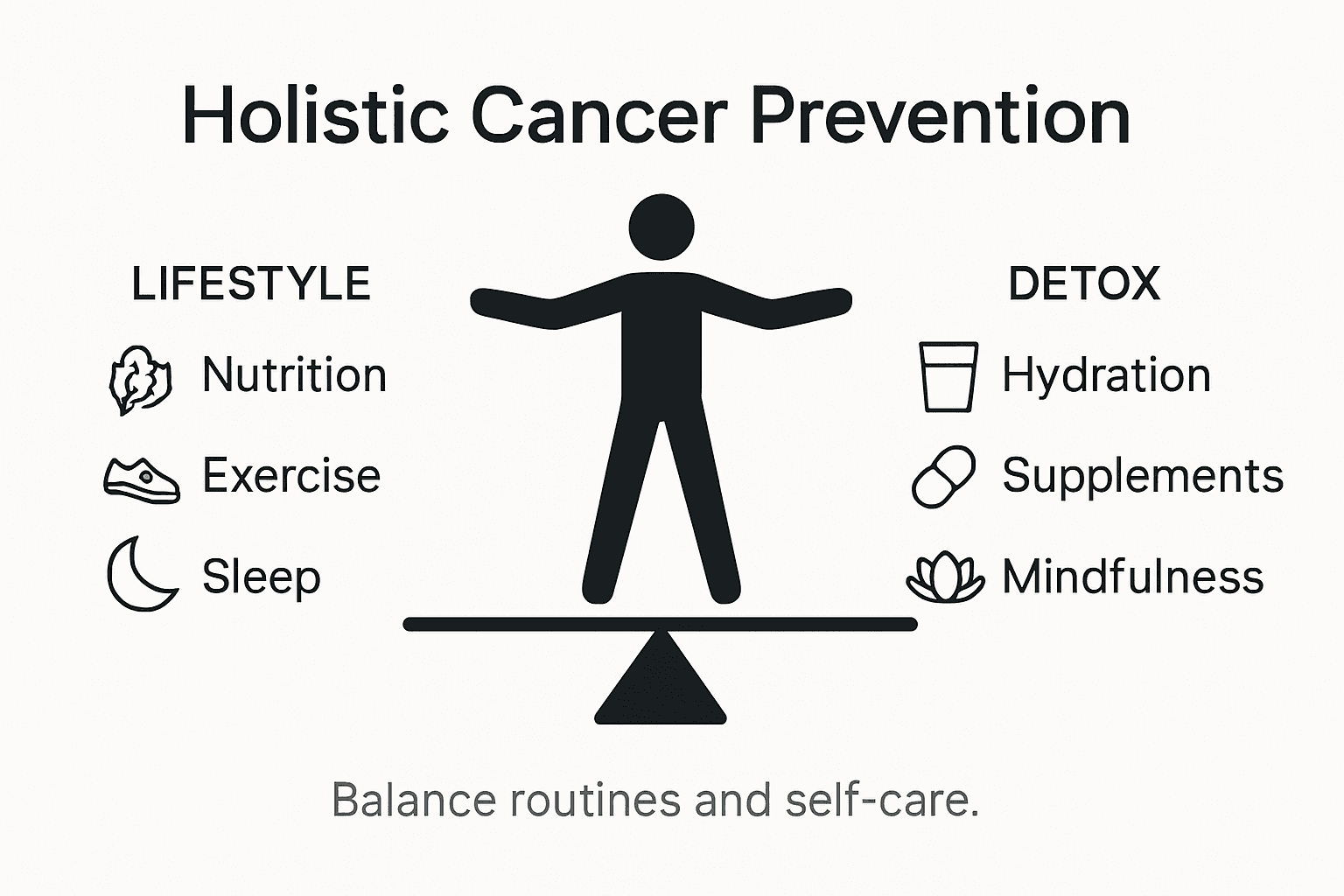
This table summarizes common natural compounds and their potential cancer prevention benefits:
| Natural Compound | Food Sources | Primary Benefit |
|---|---|---|
| Curcumin | Turmeric | Reduces inflammation, antioxidant |
| Resveratrol | Grapes, berries, peanuts | Inhibits cancer cell growth |
| Green Tea Polyphenols | Green tea leaves | Enhances immune protection |
| Sulfur Compounds | Broccoli, kale, cabbage | Strengthens cellular detox |
Beyond nutrition, lifestyle modifications represent another critical dimension of natural cancer risk mitigation. Regular physical activity, stress management techniques, adequate sleep, and minimizing environmental toxin exposure can dramatically influence cellular health. Key lifestyle interventions include:
- Maintaining a healthy body weight
- Practicing regular exercise (minimum 150 minutes per week)
- Implementing stress reduction techniques like meditation
- Avoiding tobacco and limiting alcohol consumption
- Protecting skin from excessive ultraviolet radiation
Pro Tip: Comprehensive Cancer Defense: Develop a personalized wellness protocol by conducting a comprehensive health assessment with a functional medicine practitioner who can design targeted nutritional and lifestyle interventions specific to your unique genetic and environmental risk factors.
How Detoxification Supports Immune Health
Detoxification represents a sophisticated biological defense mechanism that plays a critical role in maintaining robust immune system functionality. Scientific research from PubMed reveals how specific phytochemicals actively enhance detoxification processes, creating a powerful synergy between cellular cleansing and immune system protection. The intricate relationship between detoxification and immune health goes far beyond simple elimination of toxins, involving complex biochemical pathways that strengthen the body’s natural defense mechanisms.

The immune system relies on efficient detoxification processes to maintain optimal performance. When toxins accumulate, they can overwhelm cellular mechanisms, causing inflammation, oxidative stress, and compromised immune response. Detoxification pathways work as a sophisticated filtration system, removing environmental pollutants, metabolic waste, potential pathogens, and cellular debris that might otherwise impair immune function. This continuous cleansing process allows immune cells to operate more effectively, reducing unnecessary inflammatory responses and preserving critical immune resources.
Key mechanisms through which detoxification supports immune health include:
- Reducing oxidative stress
- Eliminating potential carcinogenic compounds
- Supporting lymphatic system functionality
- Enhancing cellular communication
- Balancing inflammatory responses
- Promoting efficient nutrient absorption
Pro Tip: Immune-Boosting Detox Strategy: Incorporate daily practices like dry brushing, staying hydrated, consuming cruciferous vegetables, and practicing intermittent fasting to support your body’s natural detoxification processes and maintain a strong, resilient immune system.
Supplements and Protocols for Safe Detox
Detoxification protocols require a strategic, multifaceted approach that balances scientific precision with holistic wellness principles. Research from Cancer Cell International emphasizes the significant role of medicinal plants as therapeutic supplements in safe detoxification strategies, highlighting their potential to support nutritional and immunological processes while minimizing potential risks.
A comprehensive safe detox protocol integrates targeted supplementation, dietary modifications, and lifestyle interventions designed to support the body’s natural elimination pathways. Key nutritional supplements that support detoxification include antioxidants, liver support compounds, and specific herbal extracts that enhance cellular cleansing mechanisms. These supplements work synergistically to support Phase I and Phase II liver detoxification processes, helping neutralize and eliminate environmental toxins, metabolic waste products, and potential carcinogenic compounds.
Essential components of an effective and safe detoxification protocol include:
- High-quality, pharmaceutical-grade supplements
- Gradual introduction of detox interventions
- Comprehensive liver support nutrients
- Balanced mineral and electrolyte replacement
- Careful monitoring of individual physiological responses
- Personalized approach based on individual health status
Pro Tip: Detox Safety Strategy: Always consult with a healthcare professional before starting any detoxification protocol, conduct comprehensive baseline health assessments, and implement a phased approach that allows your body to adapt gradually to detoxification interventions.
Mistakes to Avoid in Holistic Cancer Care
Holistic cancer care requires a nuanced, evidence-based approach that balances alternative therapies with scientific rigor. Research from Cancer Cell International emphasizes the critical importance of ensuring that medicinal plant-based interventions are scientifically validated and standardized to prevent potential errors in treatment strategies. Patients seeking alternative approaches must navigate this landscape with careful consideration, avoiding common pitfalls that could compromise their overall health and treatment effectiveness.
Common mistakes in holistic cancer care often stem from misinformation, overreliance on unproven treatments, or complete rejection of conventional medical approaches. These errors can include self-diagnosing, abandoning prescribed treatments, consuming unverified supplements without professional guidance, or believing in miracle cures that lack scientific substantiation. The most dangerous misconception is viewing holistic care as a complete replacement for traditional medical treatments, rather than a complementary approach that supports overall wellness and treatment outcomes.
Key mistakes to avoid in holistic cancer care include:
- Rejecting evidence-based medical treatments
- Purchasing unverified supplements without professional consultation
- Ignoring potential interactions between natural remedies and medical treatments
- Relying solely on alternative therapies
- Failing to communicate holistic approaches with primary healthcare providers
- Believing in unsubstantiated miracle cure claims
- Neglecting regular medical monitoring and diagnostic testing
Pro Tip: Critical Decision Making: Always consult with integrative oncology professionals who understand both conventional and holistic treatment approaches, ensuring a comprehensive, scientifically grounded strategy that prioritizes your overall health and treatment effectiveness.
Empower Your Cancer Prevention and Detox Journey Today
The challenge of achieving effective cancer prevention and detoxification lies in adopting safe, scientifically supported, and holistic practices that truly work. This article underscores the importance of supporting your body’s natural detox pathways, boosting immune health, and using nutritional strategies rich in antioxidants and natural compounds like curcumin and sulfur compounds. If you are striving to reduce oxidative stress, enhance cellular cleansing, and minimize exposure to carcinogens while maintaining balance and vitality, choosing the right supplements and protocols is critical.
Explore pharmaceutical-grade supplements designed to support liver function, enhance detoxification processes, and promote immune resilience. Mahoneyinter.com provides a curated selection of supplements including liver support complexes, NAC, TUDCA, and trusted parasite cleansing products to complement your holistic wellness protocol. These products emphasize purity and scientific backing to help you avoid common pitfalls in detox and cancer prevention while advancing your health goals.
Take control of your health today by visiting Mahoneyinter.com for safe, effective, and natural detoxification solutions. Discover bundled offers and best sellers created to support your personalized cancer prevention plan. Act now to strengthen your body’s defenses with trusted supplements that align with proven holistic strategies.
Frequently Asked Questions
What are the key lifestyle changes to prevent cancer?
Making strategic lifestyle choices can significantly reduce cancer risk. Key changes include optimizing nutrition by consuming antioxidant-rich foods, maintaining a healthy weight, engaging in regular physical activity, managing stress, and minimizing exposure to known carcinogens.
How does detoxification support cancer prevention?
Detoxification aids in cancer prevention by eliminating harmful toxins and potential carcinogens from the body. Efficient detox pathways help reduce oxidative stress and inflammation, thereby supporting overall immune health and enhancing the body’s ability to prevent cancer.
What natural compounds are beneficial for cancer risk reduction?
Natural compounds such as curcumin, resveratrol, and green tea polyphenols are shown to have cancer-preventive properties. These compounds combat oxidative stress, inhibit cancer cell growth, and support immune function, contributing to overall wellness.
What mistakes should be avoided in holistic cancer care?
Common mistakes include rejecting evidence-based medical treatments, using unverified supplements, ignoring interactions between natural remedies and medications, and relying solely on alternative therapies. It’s important to maintain open communication with healthcare providers and follow a scientifically grounded treatment strategy.