
How to Detox Your Liver Kidneys and Pancreas Naturally Today
Discover how to detox your liver kidneys and pancreas naturally with a proven step-by-step guide, ensuring holistic wellness and lasting health improvements safely.

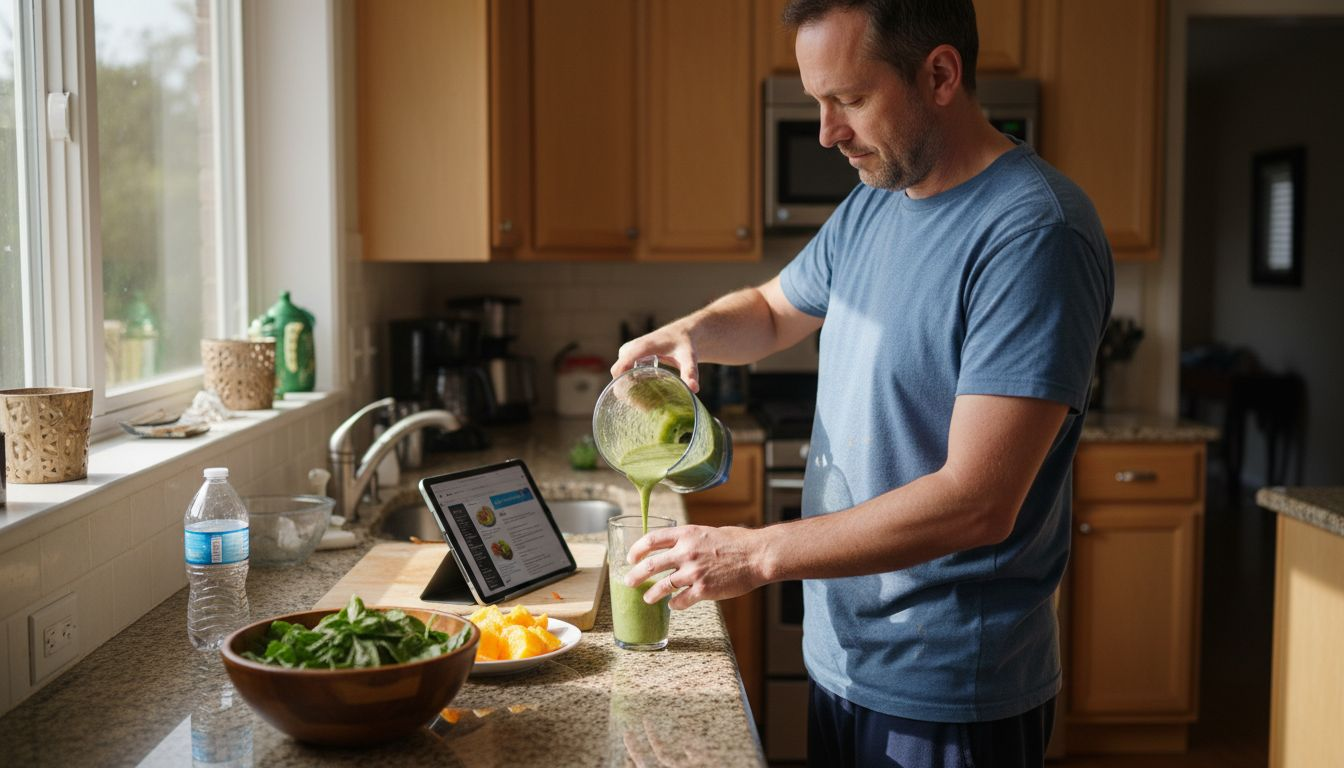
Tired of buzzwords that promise rapid detox but deliver little lasting relief? If you are living with chronic fatigue or facing persistent liver challenges, understanding what real cellular detox looks like can reshape your approach to immune strength and daily wellness. The truth is, your body already has a sophisticated natural cleanup system working every moment to recycle and remove waste, far beyond the promises of trendy cleanses. Discover how supporting these innate pathways through simple, sustainable habits helps your energy and resilience thrive, grounded in cellular science rather than marketing myths.
| Point | Details |
|---|---|
| Cellular Detox Is Natural | Cellular detox is a fundamental biological process where cells maintain homeostasis by recycling damaged components without the need for external supplements or cleanses. |
| Myths Surrounding Detox | Many believe that extreme detox methods are necessary to eliminate toxins, but the body already has efficient systems like the liver and kidneys for detoxification. |
| Support Through Lifestyle | To support cellular detox, focus on fundamentals such as adequate sleep, regular movement, and a balanced diet rich in nutrients, rather than relying on commercial detox programs. |
| Connection to Immune Health | Effective cellular detoxification enhances immune function by reducing inflammation and maintaining healthy mitochondria, allowing the immune system to respond better to threats. |
Cellular detox sounds like a buzzword you’ve probably encountered on social media or wellness blogs, but the reality is far more grounded in biology than marketing. At its core, cellular detox is an ongoing, fundamental biological process whereby cells maintain homeostasis by identifying, breaking down, and recycling damaged components and metabolic byproducts. Your cells are constantly performing this work without any special supplements, juice cleanses, or commercial protocols. They use sophisticated mechanisms like autophagy (which means “self-eating” in Greek) to recycle obsolete parts and neutralize reactive substances such as free radicals. This isn’t something that happens once a year or after a weekend detox retreat. It’s happening right now, in trillions of cells throughout your body, every single day. When you understand cellular detox as an intrinsic biological process, you realize that the goal isn’t to detox your cells from scratch. The goal is to optimize and support the detox machinery that’s already working inside you.
Now here’s where the myths come in, and they’re widespread enough to shape how millions of people approach their health. The most pervasive myth is that your body needs help eliminating toxins through extreme measures. This idea fuels the multi-billion-dollar detox industry filled with expensive cleanses, colonics, and supplements promising to “flush out” years of accumulated poison. But detoxes and cleanses refer to various diets and regimens aimed at removing toxins from the body, with scientific evidence supporting these being limited. Most detox programs involve fasting, special diets, supplements, herbs, or colon cleansing and have low-quality research backing. They may cause short-term weight loss, but often lead to weight regain. Some carry genuine safety concerns, especially colon cleansing, which can cause serious side effects in vulnerable populations. Another myth frames detox as something separate from everyday health. People treat it like a once-annual intervention, a “reset button” they need to press after poor eating habits or stress. In reality, your liver, kidneys, and cellular machinery are designed to handle detoxification continuously. A week-long juice cleanse can’t undo months of poor sleep, chronic stress, or inflammatory food choices any more than one workout can offset a sedentary lifestyle. The body doesn’t work in dramatic resets. It works in consistent patterns.
A third misconception is that detox results from special ingredients or rare compounds. Countless products claim proprietary blends will supercharge your detox pathways. Yet the most effective way to support cellular detox involves fundamentals that cost nothing: adequate sleep, regular movement, reduced processed food intake, stress management, and consistent hydration. These don’t sell products, so they don’t get marketed. What actually matters is whether you’re giving your cells the raw materials and environment they need to perform their natural detox functions. When your liver has the nutrients it requires, when your kidneys can filter waste effectively, and when your cells aren’t overwhelmed by inflammatory stress, your body’s built-in detox systems work remarkably well. The distinction between real cellular detox and marketing hype comes down to understanding one simple truth: you’re not trying to force your body to do something foreign. You’re trying to remove obstacles that prevent it from doing what it evolved to do. That’s the actual science. Everything else is just marketing noise.
Pro tip: Rather than chasing expensive detox programs, focus on supporting your cells’ intrinsic detox machinery by prioritizing 7-9 hours of sleep nightly, reducing inflammatory foods like processed oils and refined carbohydrates, and staying consistently hydrated, as these fundamentals enable your body’s natural cellular cleanup processes to function optimally without intervention.
Your cells don’t have just one way to clean house. They have multiple detoxification systems working simultaneously, each handling different types of damage and toxic load. Understanding these methods reveals why some approaches genuinely support your cells while others waste your time and money. The main cellular detox mechanisms include efflux pumps that remove toxins, antioxidant defenses that neutralize reactive oxygen species, and metabolic pathways that transform toxins into less harmful substances. Think of efflux pumps like bouncers at a club. They recognize unwanted substances and physically eject them from your cells. Antioxidant defenses work like a shield, preventing damage from free radicals (unstable molecules that damage cell structures). Metabolic pathways act like a recycling center, converting dangerous compounds into forms your body can safely eliminate. These systems don’t exist in isolation. They work together in a coordinated effort to maintain cellular homeostasis and prevent accumulated damage. When you support these pathways effectively, you’re giving your cells the conditions they need to function at their peak.
One of the most studied cellular detox methods is autophagy, a regulated process where cells essentially digest and recycle damaged organelles and proteins. Imagine your cells treating themselves like a house that needs cleaning. Old furniture (damaged organelles) gets broken down and either repurposed or disposed of. This process is not something you activate once and forget. It’s an ongoing mechanism that becomes more active under specific conditions. Intermittent fasting has become popular specifically because research shows it stimulates autophagy more effectively than continuous eating patterns. When your cells aren’t constantly processing new food, they shift into maintenance mode, cleaning up internal damage. Certain plant compounds also trigger autophagy. Polyphenols found in berries, green tea, and cruciferous vegetables are potent autophagy activators. What makes this different from trendy detox cleanses is that you’re not forcing toxins out. You’re activating your cells’ natural cleanup mechanisms, which is far more efficient. Another powerful pathway involves NRF2 activation, which enhances the cell’s antioxidant and detox enzyme production. When NRF2 is activated, it signals your cells to produce more of their own protective compounds. Foods rich in sulforaphane (from broccoli sprouts), curcumin (from turmeric), and other bioactive compounds can trigger this response. This is cellular detox at a molecular level, where you’re essentially telling your cells to manufacture their own defense systems.
The most practical approach combines multiple methods because your cells face multiple types of stressors. You’re not dealing with just one toxin or one type of cellular damage. Your cells encounter oxidative stress from exercise and environmental exposure, accumulate damaged proteins from aging, and face metabolic byproducts from normal digestion. A comprehensive strategy addresses all these simultaneously. This means combining intermittent fasting periods (to activate autophagy) with consumption of polyphenol-rich foods (to support antioxidant defenses and NRF2 activation) and consistent stress management and sleep (which allow your cells time to complete their cleanup cycles). You might also consider detox protocols that combine multiple approaches for synergistic benefits. The key is consistency. Your cells respond to patterns, not single interventions. A weekend juice cleanse followed by months of poor eating, stress, and sleep deprivation won’t create lasting change. Consistent support for these pathways through daily habits will. When you stop thinking about detox as something you do occasionally and start thinking about it as something you support continuously through lifestyle choices, you’ve fundamentally shifted from temporary fixes to permanent cellular optimization.
Here’s how the main cellular detoxification mechanisms differ in function and benefits:
| Detox Mechanism | Main Function | Key Benefit |
|---|---|---|
| Autophagy | Breaks down and recycles cell parts | Reduces cell damage |
| Efflux Pumps | Eject toxins from inside the cell | Prevents toxin accumulation |
| Antioxidant Defenses | Neutralizes reactive oxygen species | Lowers oxidative stress |
| NRF2 Activation | Boosts detox enzymes and antioxidants | Enhances cell protection |
Pro tip: Activate multiple cellular detox pathways simultaneously by combining 16-hour intermittent fasting windows with consumption of sulforaphane-rich broccoli sprouts and polyphenol-dense foods like blueberries and green tea, which together stimulate autophagy, antioxidant defenses, and NRF2 activation more effectively than any single method alone.
Your immune system doesn’t operate in isolation from your cellular health. In fact, the efficiency of your detoxification machinery directly determines how well your immune cells can function. When your cells are cluttered with damaged components and reactive oxygen species, your immune system has to work overtime just to manage the inflammatory mess inside your own body. This diverts resources away from fighting actual threats like viruses and bacteria. Conversely, when your cells are clean and functioning optimally through active detoxification, your immune system can focus its energy where it matters. Cellular detox processes such as autophagy remove damaged cellular components and reduce inflammation, thus supporting immune homeostasis. Think of it this way: you can’t defend your home effectively if you’re constantly cleaning up clutter inside. Your immune cells work better when the cellular environment around them is clean. Additionally, activation of cellular defense pathways helps maintain mitochondrial quality, which is crucial for immune cell function. Your mitochondria are the power plants of your cells, and immune cells are metabolically expensive to run. They need high-quality mitochondria to mount effective responses to threats. When autophagy removes damaged mitochondria and replaces them with healthy ones, you’re essentially upgrading your immune system’s energy infrastructure.
Research demonstrates concrete improvements in immune function through cellular detoxification. A 28-day guided metabolic detox program showed increased activity of detoxification enzymes and antioxidant capacity, leading to reduced reactive oxygen species. These changes support immune health through enhanced cellular defense mechanisms, reducing oxidative stress that can impair immune function. The participants didn’t just feel better; their cells produced measurably more of their own protective compounds. Their antioxidant capacity increased, meaning each cell became better equipped to handle oxidative damage. This is what real cellular optimization looks like. It’s not mystical or mysterious. It’s measurable biochemistry. When you reduce the oxidative stress burden inside your cells, your immune system responds by becoming more resilient. Your immune cells can recognize and respond to pathogens more effectively because they’re not exhausted from managing internal cellular damage. The connection here is direct: less cellular garbage equals stronger immune response.
The relationship between detoxification and immunity works through several mechanisms working in concert. First, reducing inflammation at the cellular level allows your immune system to distinguish between real threats and false alarms. Chronic low-grade inflammation from accumulated cellular damage creates a state of constant immune activation, which exhausts your immune system and makes it less responsive to genuine threats. When you support your detoxification pathways, you reduce this background noise, allowing your immune system to operate with greater precision. Second, healthy mitochondria in immune cells enable faster and stronger responses when challenges arise. Your white blood cells, in particular, are metabolically demanding. They need efficient energy production to proliferate quickly when needed. Damaged mitochondria create sluggish immune responses. Third, active detoxification supports the gut barrier, where roughly 70 percent of your immune system resides. When your intestinal cells are efficiently removing their own damaged components through autophagy, the barrier between your gut and bloodstream remains strong, preventing unwanted particles from triggering unnecessary immune activation. Your gut lining is constantly replacing itself, and this replacement process depends on healthy cellular detoxification in your intestinal epithelial cells. This cascades upward into stronger overall immune tolerance and responsiveness. When your cells detoxify effectively, you’re essentially optimizing your immune system at every level simultaneously.

Pro tip: Support both cellular detoxification and immune function simultaneously by incorporating 2 to 3 servings of cruciferous vegetables weekly (broccoli, cauliflower, Brussels sprouts) alongside 7 to 8 hours of consistent sleep nightly, as these activate autophagy and mitochondrial renewal while giving your immune cells the recovery time needed to consolidate immune memory from daily pathogen exposure.
Not all detox approaches are created equal, and some carry genuine health risks that deserve serious consideration. The detox industry markets aggressive protocols as though they’re universally safe, but the reality is far more nuanced. Some detox and cleanse programs can be unsafe, with risks including electrolyte imbalances, dehydration, and adverse effects on those with pre-existing conditions. Colon cleansing, in particular, carries documented dangers. It can disrupt your gut microbiome, cause dehydration, and in vulnerable populations, lead to serious complications. Unregulated detox products pose additional hazards because you don’t truly know what you’re consuming or whether the product has been tested for safety and efficacy. If you have a history of kidney disease, liver disease, diabetes, or heart conditions, many aggressive detox protocols could genuinely harm you. Your organs are already working hard to manage your health. Pushing them with extreme protocols is counterproductive. The safest approach isn’t the most aggressive one. It’s the one that works with your body’s natural systems rather than against them.
Even medical detoxification methods carry risks that require careful management. Chelation therapy, a medical detox method used for heavy metal poisoning, also carries risks like depletion of essential minerals and side effects. Chelation is legitimate when used under medical supervision for documented heavy metal toxicity, but it’s not appropriate for general wellness. It’s a serious intervention with real consequences. Newer biochemical strategies aim to optimize safety and efficacy in medical detoxification settings. The key distinction here is medical necessity versus wellness trends. If you’ve been exposed to lead or mercury and have elevated levels documented through blood testing, chelation therapy under medical supervision might be appropriate. If you simply want to “cleanse” because you read something online, chelation therapy is absolutely not the answer. This distinction matters enormously for your safety. Similarly, extended fasting or extreme dietary restrictions can cause nutrient deficiencies, muscle loss, and metabolic slowdown if done improperly. The goal of cellular detoxification isn’t to punish your body. It’s to support your body’s natural processes.
The safest detoxification strategy centers on supporting your body’s intrinsic systems rather than forcing dramatic changes. Start with the fundamentals. Your liver and kidneys already handle detoxification when given basic support. They need adequate water intake (not excessive, just consistent), quality sleep, and reduction of the toxic burden you’re putting in. If you’re consuming processed foods daily, drinking inadequate water, sleeping six hours nightly, and managing chronic stress, no supplement or protocol will compensate. Address the root causes first. Nutritional support for natural detoxification works better than restriction. Rather than eliminating food groups or fasting excessively, add nutrient-dense foods that support your detox pathways. Cruciferous vegetables, leafy greens, berries, and quality proteins provide the raw materials your liver and kidneys need. Gradual changes create sustainable results. Your body adapts to stress in phases. Extreme changes trigger a stress response that actually impairs detoxification. Slow, consistent improvements allow your body to adapt without triggering defensive mechanisms. If you’re considering any detox protocol, consultation with a healthcare provider is crucial, especially if you have pre-existing health conditions, take medications, or are pregnant or nursing. Your doctor understands your unique health picture. A generic detox protocol might be dangerous for your specific situation. Lifestyle changes supporting natural detoxification systems are safer options than commercial programs making extraordinary claims.
Pro tip: Begin safely by drinking an additional eight ounces of water daily, adding one serving of cruciferous vegetables to your diet, and establishing a consistent bedtime routine for seven nights before considering any other detox intervention, as these foundational changes activate your body’s natural detoxification systems without risk of electrolyte imbalance or nutritional deficiency.
The detox marketplace is crowded with competing claims and approaches, each promising to rid your body of toxins and restore vitality. To navigate this landscape effectively, you need to understand the fundamental differences between cellular detox and other popular methods. Common detox methods include dietary regimens, fasting, colon cleansing, supplements, and saunas. These external approaches work by attempting to eliminate toxins through sweat, dietary restriction, or forced elimination. The problem is that they’re treating detoxification as something that happens outside your cells, when the real action is happening inside them. Colon cleansing, for example, attempts to remove accumulated waste from your digestive tract by flushing it out forcefully. But this doesn’t address the cellular garbage inside the trillions of cells lining your colon. It’s like power-washing the outside of a house while the interior remains cluttered. Similarly, sauna detoxification relies on the theory that toxins exit through sweat. While sweating does eliminate some substances, it’s not your body’s primary detoxification route. Your liver and kidneys handle the heavy lifting. Saunas feel great and provide genuine health benefits through improved circulation and stress reduction, but calling them a detox intervention oversells their actual mechanism. Juice cleanses restrict your intake to liquids for days, claiming this allows your digestive system to “rest” and detoxify. But your digestive system doesn’t need a vacation. It needs consistent, quality nutrition. Extreme restriction triggers a stress response that actually impairs detoxification. Scientific evidence supporting efficacy is limited compared to natural detoxification processes the body performs continuously.
Cellular detox represents something fundamentally different from these external approaches. Cellular detox focuses on autophagy and biochemical pathways within cells to maintain function, while other detox methods often target transient external cleansing. This distinction matters profoundly. When you support cellular detox through targeted nutrition and lifestyle changes, you’re activating your cells’ intrinsic cleanup machinery. You’re not forcing anything out. You’re enabling your cells to do what they evolved to do. Autophagy doesn’t require a special protocol or commercial product. It activates naturally when you create the right conditions: consistent intermittent fasting periods, nutrient-dense food when you do eat, quality sleep, and stress management. These same conditions support NRF2 activation and antioxidant enzyme production. You’re working with your biology, not against it. Other detox approaches often require ongoing purchases and adherence to specific protocols. Cellular detox becomes self-sustaining once it’s a lifestyle pattern. You’re not dependent on a product or a 30-day program. You’re building habits that your body responds to regardless of what supplement company is marketing what trend this month.
This table contrasts cellular detox with other popular detox approaches:
| Approach | Target Area | Primary Method | Sustainability |
|---|---|---|---|
| Cellular Detox | Inside cells | Nutrition & lifestyle | Highly sustainable |
| Juice Cleanse | Digestive tract | Liquid diets | Short-term only |
| Colon Cleansing | Colon | Mechanical elimination | Risky, not lasting |
| Sauna Detox | Skin/sweat | Sweating | Temporary effects |
| Chelation Therapy | Blood/cells | Chemical binding | Only if necessary |
Here’s where the comparison gets really interesting. Most commercial detox programs show short-term results, often through water loss and temporary caloric restriction. But these results don’t last. People complete a cleanse, lose five pounds in two weeks, then regain it all within a month when they return to normal eating. This is exhausting, demoralizing, and ultimately pointless. Cellular detox operates on a different timeline. The results aren’t dramatic and immediate, which makes them less marketable. But they’re real and sustainable. When you activate cellular detoxification pathways consistently, your cells become progressively better at managing their own waste. Your energy improves gradually. Your skin clears slowly but durably. Your immunity strengthens through winter. Your digestion stabilizes. These aren’t the flashy results that sell detox programs, but they’re the results that actually matter for long-term health. Supporting cellular detox through nutrition and lifestyle is more sustainable and biologically grounded than short-term detox diets or cleanses. The research reflects this. People who maintain consistent sleep, moderate exercise, stress management, and balanced nutrition experience cumulative health improvements. People who cycle through detox cleanses experience short-term changes followed by return to baseline.
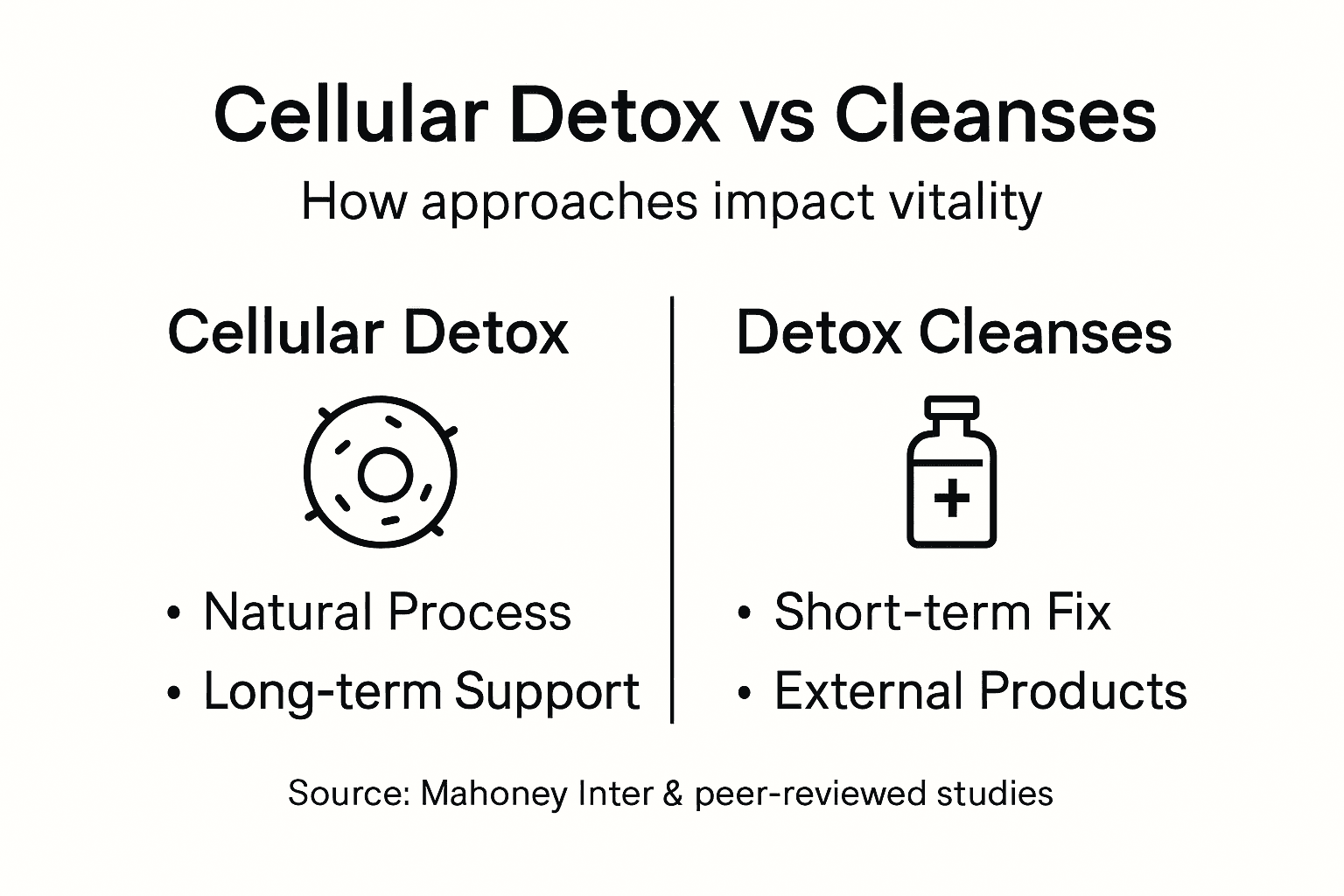
The practical takeaway is this: if you’re looking for a dramatic transformation, cellular detox might disappoint you initially. If you’re looking for real, lasting improvement in your energy, immunity, and vitality, cellular detox is the only approach with genuine scientific foundation. Other detox methods have their place. Saunas feel wonderful. Dietary variety supports health. But if your goal is actual cellular detoxification and immune optimization, focus your energy on the fundamentals that activate these pathways: sleep, movement, stress reduction, and nutrient-dense whole foods. Skip the expensive cleanses. Skip the colon irrigation. Focus on what actually works at the cellular level.
Pro tip: Rather than alternating between commercial detox programs, establish one consistent cellular detox pattern such as a 14-hour daily fasting window combined with polyphenol-rich meals on eating days, which maintains steady autophagy activation and costs nothing while delivering sustainable improvements superior to any time-limited cleanse.
The article highlights the importance of supporting your body’s intrinsic detox machinery, including autophagy and NRF2 activation, to boost immune health and overall energy. If you are frustrated by temporary detox programs that fail to deliver lasting results or concerned about the safety of aggressive cleanses, focusing on a consistent, science-backed approach is key. Powerful nutrients and pharmaceutical-grade supplements can provide essential support to optimize your liver, kidney, and cellular detox pathways.

Discover high-quality supplements designed to enhance your natural detox process safely at Mahoney Inter. From trusted liver support complexes to effective antiparasitic solutions like ivermectin and fenbendazole, our products emphasize purity and holistic wellness. Take control of your health today by investing in proven supplements that work with your biology rather than against it. Visit Mahoney Inter’s homepage now to explore our selection and start building sustainable immune resilience and vitality.
Cellular detox is a natural biological process where cells maintain homeostasis by breaking down and recycling damaged components and metabolic byproducts. This continuous process is crucial for optimal cell function and overall health.
Cellular detox improves immune health by removing damaged cellular components and reducing inflammation, allowing the immune system to focus on combating genuine threats like pathogens. Clean cellular environments enhance the functionality of immune cells.
To enhance cellular detox, prioritize sufficient sleep (7-9 hours), regular physical activity, reduced intake of processed foods, consistent hydration, and effective stress management. These foundational practices support your body’s natural detox mechanisms.
Detox cleanses often promise quick results but typically offer short-term benefits and may not address underlying health issues. In contrast, focusing on cellular detox through sustainable lifestyle changes yields lasting improvements in vitality and health.
Discover how to detox your liver kidneys and pancreas naturally with a proven step-by-step guide, ensuring holistic wellness and lasting health improvements safely.

Discover a step-by-step guide using liver cleansing epsom salt naturally for safe, effective detoxification and improved liver health. Achieve optimal results with each step.

Learn what helps with detoxing safely using holistic supplements, dietary changes, and parasite cleanses. Discover top ingredients and protocols.