Contact USA/Canada Toll Free ( 1 (800) 917-4461

Role of Detox in Cancer Prevention: Fact vs. Fiction

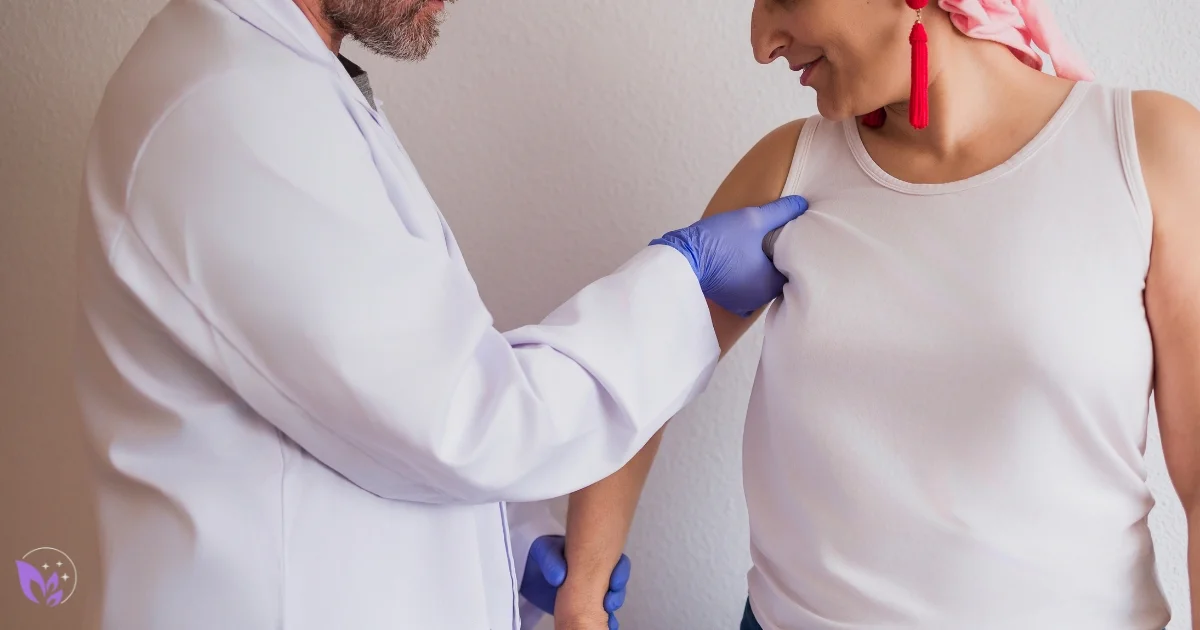
Oncologist with patient reviewing cancer risk chart

Bold marketing often promises a quick fix for toxin buildup, but true detoxification for cancer prevention is rooted in your body’s natural biochemistry. If you are looking for holistic ways to protect your wellness—especially after facing cancer or managing liver health—the difference between hype and evidence matters. By highlighting the importance of supporting your own detox systems through thoughtful nutrition and lifestyle choices, this guide empowers you to move beyond trends and focus on real, science-backed strategies for disease prevention.

Table of Contents

Key Takeaways

Point Details
Detoxification is a Biological Process True detoxification supports the body’s natural ability to eliminate carcinogens and toxins through metabolic reactions initiated by the liver and kidneys.
Dietary Choices Matter Consuming foods rich in phase II detoxification compounds, like cruciferous vegetables, enhances the body’s natural cancer prevention mechanisms.
Be Skeptical of Detox Claims Many popular detox methods lack solid scientific backing and can be more harmful than beneficial; invest in consistent dietary and lifestyle changes instead.
Integrate Supplements Wisely Use targeted supplements to fill genuine nutritional gaps rather than relying on broad-spectrum products; maintain a consistent regimen for optimal results.

Defining Detox and Cancer Prevention

When you hear “detox,” your mind probably jumps to juice cleanses or activated charcoal supplements. But when we talk about detoxification in the context of cancer prevention, we’re discussing something far more specific and grounded in cellular biology. True detoxification refers to your body’s natural ability to metabolize and eliminate carcinogens—substances that can damage DNA and potentially lead to cancer—along with other toxic compounds that accumulate over time. This isn’t about marketing claims or trendy wellness products. It’s about supporting the biochemical systems already working inside your body right now, every single day.

Your liver, kidneys, digestive system, and cellular mechanisms are constantly processing and removing potentially harmful substances. The scientific basis for detoxification in cancer prevention centers on what researchers call phase I and phase II metabolic reactions. Phase I enzymes identify foreign substances and begin breaking them down, while phase II enzymes bind these broken-down compounds to water-soluble molecules so your body can excrete them through urine, bile, or stool. The key insight here is that certain dietary compounds found in foods like cruciferous vegetables and fruits can enhance these natural processes. Compounds like D-glucaric acid derivatives found in plants have demonstrated the ability to inhibit carcinogen metabolism and act synergistically to prevent cancer at both the initiation and promotion stages. When you understand how these two phases work together, you start seeing detoxification not as something mystical, but as a concrete biological process you can actively support through better food choices and targeted nutritional strategies.

Another critical aspect of cellular detoxification involves what researchers call redox homeostasis, which is your body’s ability to manage reactive oxygen species and toxic metabolites at the cellular level. Cancer cells themselves use detoxification systems like thioredoxin to cope with oxidative stress, which paradoxically can help them survive and resist treatment. Understanding how healthy cells maintain this balance becomes crucial when we talk about cancer prevention. Your body’s natural defenses work best when supported by adequate antioxidants, proper nutrient intake, and reduced exposure to external toxins. This is where the practical application matters. Supporting your detoxification systems means reducing your burden of incoming toxins while simultaneously enhancing your body’s capacity to process what does enter. The distinction between marketing fiction and biological fact becomes clear when you focus on these mechanisms rather than on promises of “total body cleansing” from a single product. You’re looking at systemic support, not miraculous transformation.

Cancer prevention through detoxification support also requires acknowledging what detox cannot do. A detox protocol cannot undo decades of poor dietary choices overnight. It cannot replace cancer screening or medical treatment. What it can do is address one piece of a much larger puzzle. The evidence suggests that understanding holistic detoxification protocols combined with lifestyle modifications, reduced carcinogen exposure, and targeted nutritional support creates an environment where your body’s natural cancer-prevention mechanisms function optimally. This is fundamentally different from the oversimplified claims you see marketed online. You’re not “cleansing out toxins” like draining sludge from a pipe. You’re enhancing biological systems that have evolved over millions of years to protect you.

Pro tip: Start by identifying which phase II detoxification foods you actually enjoy eating consistently, then incorporate them into your regular diet rather than attempting dramatic seasonal cleanses that you won’t maintain long-term.

Types of Detox Approaches Explained

When you start researching detox approaches for cancer prevention, you quickly realize the landscape is crowded with options ranging from the scientifically grounded to the frankly questionable. Understanding what actually works versus what’s pure marketing hype requires looking at how different approaches function in your body and what evidence supports them. The most effective detox strategies tend to focus on supporting your body’s natural elimination systems rather than forcing dramatic interventions. Let’s break down the major categories you’ll encounter so you can make informed decisions about which approaches align with actual biology and your personal health goals.

Dietary and Nutritional Approaches

Dietary strategies represent the most evidence-based category of detox support for cancer prevention. These include caloric restriction, intermittent fasting, ketogenic diets, and fasting-mimicking diets, all of which have demonstrated potential in research settings. The mechanism works through metabolic shifts that reduce carcinogen exposure while improving how your body processes toxins. When you modify your eating patterns, you simultaneously reduce your intake of potentially harmful substances found in processed foods while increasing consumption of compounds that actively support phase I and phase II detoxification pathways discussed earlier. Lifestyle-based approaches incorporating strategic dietary modifications have shown promise in preventing carcinogen exposure and enhancing treatment efficacy when combined with physical activity and selective supplementation. The advantage of dietary approaches is that they work with your body’s natural biology rather than against it, and they remain sustainable long-term because they involve actual food choices rather than temporary cleanses.

Preparing detox foods on kitchen counter

Supplementation and Herbal Support

This category includes targeted nutritional supplements designed to enhance detoxification capacity. Unlike the broad-spectrum cleanses marketed everywhere, evidence-based supplementation focuses on specific compounds that support liver function, phase II enzyme activity, and antioxidant defense. Milk thistle for liver support, NAC for glutathione production, and TUDCA for bile flow represent examples of compounds with some research backing, though the evidence quality varies. The critical distinction here involves understanding what level of research supports each supplement and being honest about gaps in the evidence. Some supplements marketed as detox aids have minimal scientific support, while others show genuine promise in supporting your natural elimination systems. The key is moving beyond the hype of “miraculous cleansing” and focusing on compounds that address specific detoxification pathways your body actually uses.

Problematic Approaches and What the Evidence Actually Shows

Now here’s where honesty matters. Many popular detox methods lack solid scientific backing. Common detoxification approaches marketed publicly, including fasting, juice cleanses, dietary supplements, colon cleansing, and sauna use often promise dramatic results despite limited evidence of effectiveness. Juice cleanses strip away the fiber that actually supports your liver and digestive function. Colon cleansing can disrupt beneficial bacteria and electrolyte balance. Saunas may feel cleansing, but they primarily eliminate water and electrolytes rather than stored toxins. The National Center for Complementary and Integrative Health emphasizes that while these methods are popular, scientific evidence supporting their ability to remove toxins or prevent disease, including cancer, is lacking or limited. Your liver and kidneys are already designed to handle detoxification without these interventions. Rather than spending money and time on trendy cleanses that might even be harmful, your money is better invested in supporting those natural organs through consistent dietary choices and targeted supplementation backed by actual research.

Here’s a comparison of common detox methods and their scientific support:

Detox Method Mechanism Claimed Scientific Support Potential Risks
Juice cleanse Flushes toxins, boosts energy Minimal for cancer prevention Nutrient loss, low fiber intake
Intermittent fasting Promotes autophagy, reduces load Moderate for metabolic benefits Low if supervised
Colon cleansing Removes waste, improves health Lacking for cancer prevention Disrupts gut flora, dehydration
Supplement protocols Supports liver detox pathways Varies by supplement Interactions, poor regulation
Sauna use Sweats out toxins Very limited for toxin removal Loss of water, electrolyte imbalance

Combining Approaches for Real Results

The evidence suggests that the most effective cancer prevention strategy involves integrating multiple approaches rather than relying on any single method. Combining dietary modifications with appropriate supplementation, regular physical activity, stress reduction, and adequate sleep creates an environment where your body’s natural detoxification systems operate optimally. This integrated approach addresses cancer prevention holistically rather than banking everything on one dramatic intervention. When you understand different detox protocols and their specific mechanisms, you can select approaches that actually fit your lifestyle and health status rather than jumping from one trendy cleanse to another.

Pro tip: Focus your efforts on consistency with one or two evidence-based approaches like dietary modification and targeted supplementation rather than cycling through multiple dramatic cleanses, since sustained lifestyle changes produce better cancer prevention outcomes than sporadic intensive interventions.

How Detox May Impact Cancer Risk

The relationship between detoxification and cancer risk sits at the intersection of cellular biology and lifestyle choices. Understanding this connection requires separating what actually happens at the molecular level from what marketing claims suggest. Your body faces constant exposure to potential carcinogens—both from your environment and from normal metabolic processes. The question isn’t whether detoxification matters for cancer prevention. The real question is how to support these processes effectively without wasting time or money on approaches that lack scientific backing.

The Biological Mechanism: How Detox Reduces Cancer Risk

At the cellular level, detoxification neutralizes carcinogens and tumor promoters that would otherwise damage your DNA and initiate cancer development. Your body employs specific enzymes like glutathione S-transferase and NRF2 signaling pathways to process these harmful substances before they can cause genetic damage. When your detoxification systems function optimally, they intercept carcinogens at multiple stages—during the initiation phase when damage first occurs and during the promotion phase when damaged cells might otherwise transform into cancer cells. The research suggests that boosting detox mechanisms through dietary bioactive compounds can reduce oxidative stress and prevent carcinogen-induced cellular damage. This is where lifestyle choices directly impact cancer biology. When you consume foods rich in compounds that activate these detoxification pathways, you’re not just eating healthier. You’re actively increasing your body’s capacity to neutralize potential cancer-causing substances before they integrate into your cells. Your liver works overtime processing thousands of compounds daily, and supporting this workload through proper nutrition directly influences your long-term cancer risk.

What Actually Works Versus What Won’t Deliver Results

Here’s where the evidence becomes uncomfortable for detox marketing. Most popular detox programs don’t reduce cancer risk any more effectively than your body’s natural systems already do. Popular detox methods like juice cleanses, fasting, and laxatives rarely remove toxins that your body cannot handle independently, and many carry genuine risks. Juice cleanses strip away fiber that your digestive system needs to function properly. Extended fasting can deplete nutrient stores your body requires for detoxification. Laxatives disrupt electrolyte balance and beneficial gut bacteria. If you’re undergoing cancer treatment, these practices become even more problematic, potentially causing infection, dehydration, and kidney damage. Your liver and kidneys already function as your body’s primary detoxification organs. They don’t need dramatic interventions to work better. They need consistent support through balanced nutrition, adequate hydration, and lifestyle stability. The honest truth is that sustainable dietary choices and targeted supplementation supporting your natural detoxification pathways produce far better cancer prevention outcomes than any cleanse or detox program marketed with promises of “total body purification.”

The Practical Reality of Cancer Risk Reduction

Supporting your detoxification capacity to reduce cancer risk doesn’t mean overhauling your life or following restrictive protocols. It means making consistent choices that support phase I and phase II enzyme activity and reduce your overall carcinogen exposure. Eating more cruciferous vegetables, reducing processed food intake, maintaining adequate antioxidant status, and managing oxidative stress all work together to enhance detoxification and lower cancer risk. Think of it as building protective infrastructure rather than performing emergency cleanup. The lifestyle approach—regular physical activity, stress management, adequate sleep, and balanced nutrition—reduces cancer risk through multiple pathways simultaneously. When you understand holistic detoxification protocols designed for cancer prevention, you can identify which approaches align with your specific situation and capabilities. Some people benefit from intermittent fasting. Others do better with consistent moderate eating patterns. Some respond well to targeted supplementation. Others prefer achieving their goals through food alone. The key is finding an approach you can maintain indefinitely rather than cycling through dramatic interventions you’ll eventually abandon.

Pro tip: Track which lifestyle changes you can sustain for at least three months before adding additional detoxification support, since consistent moderate practices reduce cancer risk far more effectively than sporadic intensive protocols.

Scientific Evidence and Limitations

When you’re evaluating detox claims related to cancer prevention, the quality of supporting research matters enormously. The detox industry generates billions of dollars annually, yet most of that money comes from products supported by remarkably thin scientific evidence. Understanding what research actually shows versus what marketing suggests requires looking critically at study design, sample sizes, and whether results have been replicated by independent researchers. This section cuts through the noise and shows you exactly what the scientific evidence does and does not support when it comes to detoxification and cancer prevention.

The Research Gap: What Studies Actually Show

The uncomfortable truth is that most studies of detox diets and cleanses lack compelling scientific evidence supporting long-term health benefits, toxin elimination, or cancer prevention. The National Center for Complementary and Integrative Health reviewed the existing literature and found that most studies examining detox protocols are small, poorly designed, and lack peer review. This matters because poor study design can make ineffective treatments appear beneficial. When researchers fail to use control groups, don’t follow participants long-term, or cherry-pick results, the conclusions become unreliable. The research landscape is further complicated by the fact that many detox studies fail to distinguish between results from calorie restriction and results from detox-specific mechanisms. If someone loses weight on a juice cleanse, that weight loss typically comes from eating fewer calories, not from special detoxification effects. And here’s what really matters for cancer prevention: most of that weight returns within months after the detox ends, taking away any potential long-term benefit. You’re essentially seeing temporary results from temporary interventions, which tells you nothing about sustainable cancer prevention.

Why the Evidence for Cancer Prevention Specifically Remains Limited

Most detox research focuses on immediate outcomes like weight loss or digestive changes rather than on long-term cancer risk reduction. Cancer development takes years or decades, which means truly rigorous research would need to follow people for extended periods while controlling for hundreds of confounding variables. Did they exercise? What was their genetic predisposition? How much alcohol did they drink? What was their cumulative carcinogen exposure? These factors make cancer prevention research extraordinarily complex. The studies that do exist examining detox and cancer prevention tend to measure intermediate markers like enzyme activity or antioxidant levels rather than actual cancer incidence. Intermediate markers can suggest a pathway might work, but they don’t prove that cancer rates actually decrease. This is the critical gap in the evidence. We know detoxification processes exist. We understand how specific nutrients support these processes. But we lack large-scale, long-term studies definitively proving that specific detox protocols reduce human cancer risk. That absence of evidence is not the same as evidence of absence, but it does mean you should approach cancer prevention claims with healthy skepticism.

Understanding the Difference Between Potential Mechanism and Proven Benefit

Here’s where confusion often derails people seeking evidence-based cancer prevention. Scientists can demonstrate that certain compounds activate detoxification pathways in laboratory settings or in animal models. That’s mechanistic evidence, and it’s genuinely valuable for identifying promising approaches. However, laboratory results don’t automatically translate to human health benefits. A compound that activates phase II enzymes in a petri dish might behave completely differently when consumed as food or supplement in a living human body. It might be poorly absorbed. It might be metabolized differently than expected. It might interact with medications. The existence of a plausible mechanism doesn’t guarantee real-world effectiveness. When evaluating detox claims, you need to distinguish between three levels of evidence: mechanistic evidence showing how something could work, intermediate evidence showing biomarkers moving in favorable directions, and clinical evidence showing actual disease outcomes improving. Most detox marketing conflates these levels, suggesting that mechanistic potential equals proven benefit. That’s where critical thinking becomes essential. The most honest assessment of current evidence is that supporting your body’s natural detoxification systems through consistent lifestyle choices makes biological sense and aligns with how human metabolism functions, but the direct evidence specifically linking detox protocols to reduced cancer incidence remains limited.

The Research You Should Actually Care About

Instead of chasing evidence for dramatic detox interventions, focus on the robust research supporting lifestyle factors that indirectly enhance detoxification. Studies consistently show that regular physical activity, adequate sleep, stress management, and balanced nutrition reduce cancer risk. These benefits don’t come from special detoxification but from overall metabolic health and reduced systemic inflammation. The evidence supporting specific foods like cruciferous vegetables is stronger than evidence supporting detox supplements. The research on moderate alcohol consumption and cancer risk is well-established. These are the findings you can actually rely on because they come from large, well-designed studies with decades of follow-up. When evaluating any detox approach for cancer prevention, ask yourself whether the evidence comes from peer-reviewed research with adequate sample sizes, long-term follow-up, and human subjects rather than laboratory or animal studies. If the answer is no, you’re looking at promising research direction rather than proven benefit.

Pro tip: When researching detox claims, look for studies published in peer-reviewed journals and ask whether the research measured actual cancer outcomes rather than intermediate biomarkers, as this distinction determines whether evidence truly supports cancer prevention.

Integrating Supplements for Holistic Support

Supplements occupy a unique space in cancer prevention strategy. They’re not replacements for dietary change or lifestyle modifications, but they can fill genuine nutritional gaps and support your body’s detoxification systems when chosen thoughtfully. The key distinction is understanding which supplements have actual evidence behind them versus those riding on marketing hype. If you’re serious about cancer prevention through detoxification support, you need a strategic approach that integrates the right supplements with the lifestyle foundation you’ve already built. This means moving beyond random supplement shopping and adopting a systematic methodology based on what research actually demonstrates.

Understanding Supplement Integration in Cancer Prevention

The emerging field of integrative oncology provides a framework for how supplements fit into cancer prevention and treatment. Bioactive phytochemicals from botanical sources combined with conventional approaches have demonstrated anti-proliferative, pro-apoptotic, and anti-metastatic effects, suggesting genuine potential for supporting your body’s cancer-fighting mechanisms. However, this potential only translates to real benefit when supplements are selected based on your individual situation and integrated into a comprehensive protocol rather than used as standalone interventions. The research supports a precision medicine approach where supplements are chosen based on specific detoxification pathways you want to support, your current nutritional status, any existing health conditions, and potential interactions with medications or other supplements. This is fundamentally different from buying whatever detox supplement is currently trending online. Strategic supplementation requires understanding what you’re trying to accomplish. Are you supporting liver phase II enzymes? Reducing oxidative stress? Enhancing glutathione production? Improving bile flow? Different goals require different supplements, and combining random supplements without a coherent strategy wastes money and risks interactions.

Key Supplements for Detoxification Support

Evidence-based supplements that support detoxification pathways fall into several categories. Liver support compounds like milk thistle, NAC (N-acetylcysteine), and TUDCA (tauroursodeoxycholic acid) have research supporting their roles in phase II enzyme function and bile flow. Antioxidant support through compounds like glutathione, alpha lipoic acid, and selenium helps manage the oxidative stress that occurs during detoxification processes. Phase II enzyme activators such as sulforaphane from broccoli sprouts and compounds found in cruciferous vegetables enhance your body’s ability to process carcinogens. Micronutrient optimization addresses common deficiencies that impair detoxification, including B vitamins, magnesium, and zinc. The critical insight here involves recognizing that most of these compounds work synergistically. Taking NAC without adequate B6 and glycine limits glutathione production. Taking antioxidants without supporting phase II enzymes creates an imbalance. Effective supplementation involves understanding these interactions and selecting compounds that work together toward your specific health goals.

Infographic of detox supplement categories

Below is a summary of supplement types and their roles in detoxification support:

Supplement Category Example Compounds Main Function
Liver support Milk thistle, TUDCA, NAC Enhances liver detox pathways
Antioxidants Glutathione, alpha lipoic acid, selenium Limits oxidative cell damage
Phase II enzyme activators Sulforaphane, indole-3-carbinol Boosts carcinogen elimination
Micronutrient optimizers B vitamins, magnesium, zinc Maintains detoxification efficiency

Practical Integration Strategy

Here’s where many people derail their detoxification efforts. They add supplements haphazardly, spend hundreds of dollars monthly without clear direction, or create such complex protocols that they can’t maintain consistency. Evidence-based nutritional support and complementary interventions address malnutrition and metabolic dysregulation, which are common barriers to treatment efficacy and cancer prevention. This means your supplement strategy should target specific gaps rather than attempting broad “total body support.” Start by assessing your current dietary intake and identifying genuine nutritional deficiencies. Most people get adequate antioxidants from food if they’re eating sufficient vegetables, so adding expensive antioxidant supplements becomes unnecessary. Conversely, if you’re not eating cruciferous vegetables regularly, adding a sulforaphane supplement makes genuine sense. The same applies to liver support. If you’re consuming adequate protein for glutathione synthesis and managing alcohol and processed food intake, your liver probably doesn’t need additional support. But if you have a history of liver concerns or cancer exposure, targeted liver support becomes valuable. The most effective approach involves identifying 2-4 specific supplements that address your particular detoxification gaps rather than taking 10 different supplements hoping something helps. Quality matters enormously. Pharmaceutical-grade supplements with third-party testing provide assurance of purity and potency that cheaper alternatives don’t offer. Standardized extracts ensure consistent dosing. These factors matter when you’re trying to support genuine biological processes rather than create a placebo effect.

Building Your Personal Protocol

Your supplement strategy should complement, not replace, the dietary and lifestyle changes you’ve already implemented. The research shows that integrating natural compounds with modern approaches based on emerging clinical evidence produces better outcomes than using supplements in isolation. This means if you’re taking NAC for glutathione support, you’re simultaneously eating adequate protein, managing oxidative stress through exercise, and reducing your exposure to toxins. If you’re taking milk thistle for liver support, you’re limiting alcohol and processed foods that stress your liver. The supplements amplify what you’re already doing rather than compensating for poor lifestyle choices. This approach requires patience. Most people want dramatic results from supplements, but real cancer prevention happens through sustained, moderate practices over months and years. You’ll need to commit to your protocol for at least three months before assessing whether it’s working, and you should track measurable markers like energy levels, digestion quality, or liver function tests rather than just hoping something is happening internally.

Pro tip: Select 2-4 targeted supplements addressing your specific detoxification gaps rather than consuming multiple broad-spectrum supplements, then maintain consistency with your chosen protocol for at least three months before adding or changing any components.

Support Your Body’s Natural Detox Pathways with Trusted Supplements

The article highlights the crucial need to support your body’s natural detoxification processes through consistent lifestyle choices and targeted nutritional strategies rather than relying on unsupported cleanses or fad detoxes. If you are serious about effective cancer prevention and want to enhance your body’s ability to eliminate carcinogens safely, it is essential to focus on pharmaceutical-grade supplements that work synergistically with your metabolism. Address common challenges like oxidative stress and liver overload by integrating scientifically backed compounds such as NAC, TUDCA, and liver support complexes.

https://mahoneyinter.com

Explore our range of carefully selected supplements and parasite cleanse products designed to provide holistic support for your detoxification systems. Take control of your health today by visiting https://mahoneyinter.com and discover safe natural solutions that prioritize purity and efficacy. Start building a sustainable wellness routine with products trusted by customers seeking alternative and complementary cancer prevention approaches. Shop now to harness the power of reliable detox support that matches the biology outlined in the article.

Frequently Asked Questions

What is detoxification in the context of cancer prevention?

Detoxification refers to the body’s natural processes for metabolizing and eliminating carcinogens and toxic substances. It involves phase I and phase II metabolic reactions that help neutralize potential cancer-causing agents before they can damage DNA.

Can detox diets effectively reduce the risk of cancer?

Most popular detox diets lack substantial scientific evidence supporting their effectiveness in reducing cancer risk. Sustainable dietary changes, rather than temporary detox protocols, are essential for enhancing your body’s natural detoxification systems and reducing carcinogen exposure over time.

What foods can support my body’s detoxification processes?

Foods rich in phase II detoxification compounds, such as cruciferous vegetables (like broccoli and kale) and various fruits, can enhance your body’s capacity to eliminate toxins. A balanced diet, combined with adequate hydration and regular exercise, supports detoxification naturally.

Yes, many popular detox methods such as juice cleanses and colon cleansing can have harmful effects, like nutrient loss and disruption of gut flora. Focusing on consistent, evidence-based dietary and lifestyle choices is more beneficial and less risky for cancer prevention.

Related Post

0
Discount Coupon Streamline Icon: https://streamlinehq.com
Spend 200.00 $ more to get your 10% Off Today
Empty Cart Your Cart is Empty!

It looks like you haven't added any items to your cart yet.

Browse Products
Scroll to Top