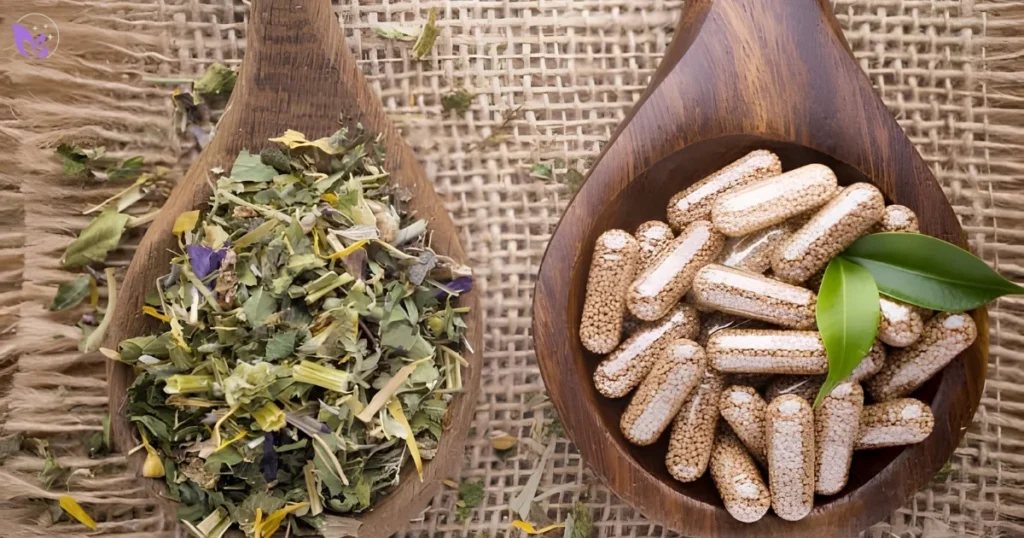
What Are Herbal Supplements? How Plant-Based Ingredients Become Wellness Products
Herbal supplements have become a common part of many wellness routines, but terms like botanical ingredients, plant-based formulas, herbal extracts,


Eye parasites are a hidden threat that can seriously impact your vision and overall eye health if ignored. Understanding how to detect, prevent, and naturally eliminate these parasites is essential. In this comprehensive guide, we explain safe, effective strategies using natural remedies and support from Mahoney Inter Supplements to help your body fight parasites and maintain optimal eye health.
By the end, you’ll be equipped with the knowledge and tools to protect your eyes and support your body’s natural defenses.
Eye parasites refer to a variety of organisms that can invade the eye and cause infections. These parasites thrive in different environments and can lead to severe complications if left untreated. Understanding parasitic eye infections is crucial for effective treatment and prevention.
Parasitic eye infections can arise from various sources, including contaminated water, poor hygiene, and compromised immune systems. The presence of parasites in the eye can lead to inflammation, pain, and even permanent vision loss if not addressed promptly.
Natural parasite cleansing is important for several reasons.
For those seeking structured support, a Paragon Parasite Cleanse System from MahoneyInter Supplements can assist in safely supporting the body’s detox pathways and overall wellness during natural cleansing protocols.
Several types of parasites can affect the eyes. Understanding these can help in recognizing symptoms and seeking appropriate treatment.
Acanthamoeba keratitis is a severe infection caused by a microscopic amoeba found in water sources. It commonly affects contact lens wearers, leading to significant pain and potential vision loss.
Toxoplasmosis is caused by the Toxoplasma gondii parasite, which can affect the retina and lead to inflammation. It is often contracted through contaminated food or water.
Ocular toxocariasis is caused by the Toxocara canis or Toxocara cati parasites, commonly found in dog and cat faeces. This infection can cause severe eye damage and vision problems.
Also known as river blindness, onchocerciasis is caused by the Onchocerca volvulus parasite, which is transmitted through the bite of infected blackflies. It can lead to severe itching and eye lesions, potentially resulting in blindness.
Recognizing the signs and symptoms of eye parasites is crucial for timely intervention. If you’re researching eye parasite treatment naturally. Here are some common indicators:

Understanding the causes of eye parasite infections is essential for prevention and effective treatment. Here are some common factors:
Many eye parasites thrive in contaminated water sources. Swimming in lakes, rivers, or poorly maintained pools can expose individuals to these harmful organisms.
Inadequate handwashing and poor hygiene practices can lead to the transmission of parasites. This is particularly relevant for individuals who handle pets or work in environments where exposure to fecal matter is possible.
Improper use of contact lenses, such as wearing them for extended periods or failing to clean them properly, can increase the risk of eye infections.
Individuals with weakened immune systems are more susceptible to infections, including those caused by parasites. Conditions such as HIV/AIDS or diabetes can heighten this risk.
Now that you have a foundational understanding of eye parasites, let’s explore natural methods to eliminate them effectively.
Good hygiene is the first line of defense against eye parasites. Here are some tips:
Supporting hygiene with internal cleansing can further reduce parasite burden in the body. Many individuals incorporate a structured parasite cleanse protocol from Mahoney Supplements, such as the Paragon capsules 702mg & Activated Charcoal Binder 1200mg Supplement Kit, to support overall health.
Several natural substances possess antimicrobial properties that can help combat eye parasites:
For deeper internal support, some people combine natural remedies with a targeted parasite protocol like Paragon Anti-Parasite Bundle 3 from Mahoney Supplements UK to support systemic cleansing.
A strong immune system can help your body fight off infections. Consider the following:
To reduce the risk of exposure to eye parasites in water, follow these guidelines:
If symptoms persist or worsen, it is crucial to consult an eye care professional. They can provide a proper diagnosis and recommend additional treatments, which may include natural remedies alongside conventional medicine.
Incorporating specific natural foods into your diet can significantly aid in eliminating eye parasites. Here are six powerful options:
Garlic is renowned for its antimicrobial properties. It contains allicin, which can help combat parasites. Incorporate raw garlic into your meals or take garlic supplements for added benefits.
Pumpkin seeds are rich in nutrients and have been shown to help expel parasites from the body. Consume a handful of raw pumpkin seeds daily for optimal results.
Papaya seeds contain enzymes that can help digest and eliminate parasites. Blend papaya seeds into smoothies or consume them raw for their detoxifying properties.
Turmeric is a powerful anti-inflammatory and antioxidant. Its active compound, curcumin, may help in reducing parasite load. Add turmeric to your cooking or take it as a supplement.
Coconut oil has antifungal and antibacterial properties that can help fight parasites. Use it in cooking or take it raw for its health benefits.
Foods like yogurt, kimchi, and sauerkraut promote gut health and can enhance your body’s ability to fight off parasites. Include these in your diet regularly.
Once you’ve taken steps to eliminate eye parasites, it’s crucial to implement lifestyle changes to prevent reinfection. Here are some effective strategies:
Regular handwashing and maintaining clean living environments can significantly reduce the risk of infection. Always wash your hands before eating and after using the restroom.
Ensure you drink clean, filtered water. Avoid drinking from questionable sources, especially in areas where parasites are prevalent.
A strong immune system is essential for fighting off infections. Incorporate a balanced diet, regular exercise, and adequate sleep to bolster your immune defenses.

While natural remedies can be effective, there are instances where medical intervention is necessary. Seek medical attention if you experience:
Early intervention can prevent long-term damage to your eyes.
For those looking for targeted support in parasite cleansing, MahoneyInter offers premium quality formulas designed to enhance your body’s natural defenses against parasites. Here’s why MahoneyInter is a top choice:
MahoneyInter supplements are crafted with certified ingredients that have been shown to aid in parasite elimination.
These supplements are specifically formulated to target various types of parasites, ensuring a comprehensive approach to cleansing.
MahoneyInter provides a complete detox system that not only focuses on parasites but also supports overall digestive health.
Eye parasites can be a distressing experience, but with the right knowledge, preventive habits, and natural support strategies, you can take meaningful steps toward protecting your vision and overall well-being. Focus on proper hygiene, immune strength, and safe lifestyle practices to reduce your risk and support long-term eye health. If symptoms persist or worsen, always seek professional medical attention.
For more information or support, you can contact MahoneyInter directly:
USA/Canada Toll Free: 1 (800) 917-4461
Email: info@mahoneyinter.com
Some mild cases may improve with natural remedies, but eye parasite infections can be serious. Always consult a healthcare professional for proper diagnosis and treatment. Home remedies should only be supportive, not a replacement for medical care.
The duration depends on the type of parasite, severity of infection, and overall health. Consistent use of safe, natural parasite treatment methods and supportive hygiene can help speed recovery, but professional guidance is essential.
Most natural treatments are safe when used properly. Mild irritation or temporary eye discomfort can occur with herbal washes or compresses. People with allergies or pre-existing eye conditions should consult a healthcare provider before use.
Persistent symptoms such as redness, blurry vision, or eye pain require immediate medical attention. Early intervention reduces the risk of complications and permanent eye damage.
While it’s not always possible to prevent infection entirely, you can significantly reduce risk by:
Look for persistent redness, watery eyes, blurred vision, light sensitivity, or the feeling of something in your eye. Early recognition improves treatment outcomes.
Common supportive remedies include sterile chamomile compresses, properly diluted honey washes, and immune-boosting diets. Always follow local health guidelines, and seek professional care for active infections.
If untreated, some parasites can cause inflammation or damage to the retina or cornea, leading to temporary or permanent vision problems. Prompt attention and proper care are critical.


Noor-ul-Ain is a Tech & SEO Content Writer with over 4 years of experience creating search-optimized content for digital platforms. She specializes in SaaS products, AI tools, SEO strategy, and product documentation, helping platforms turn complex features into clear, search-driven growth. Noor-ul-Ain has also written extensively on health science, sports, fitness, fashion, and beauty, focusing on informative and reader-friendly content.
Herbal supplements have become a common part of many wellness routines, but terms like botanical ingredients, plant-based formulas, herbal extracts,

If you’ve spent any time browsing wellness supplements online, you’ve probably come across names like Paragon, TNM, and TRACE without

Choosing a supplement today is often more complicated than picking a single nutrient. Many modern formulas combine multiple ingredient categories,