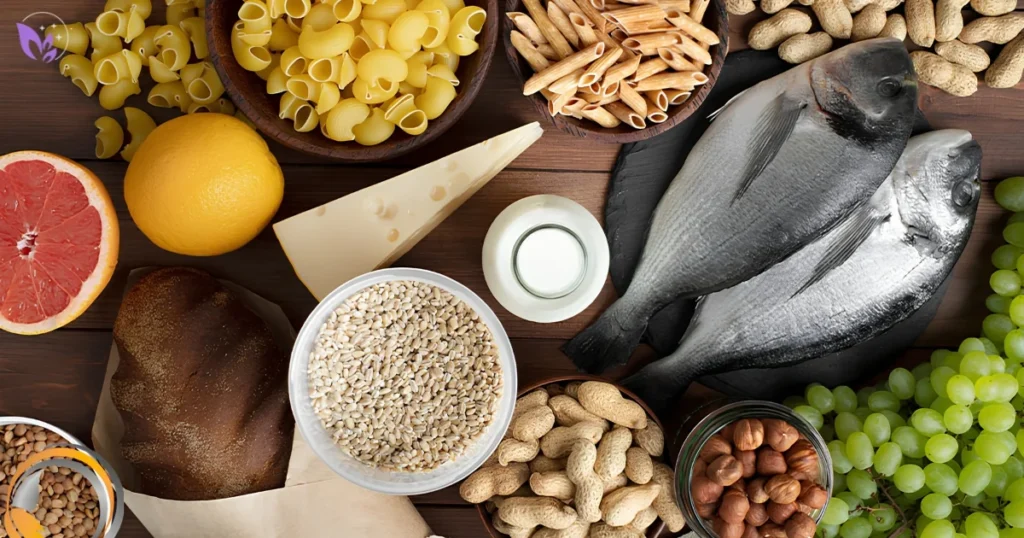
Can You Take Zinc and Iron Together? Absorption, Timing & Safety
Yes, you can take zinc and iron on the same day. Some multivitamins even contain both. Higher amounts of supplemental

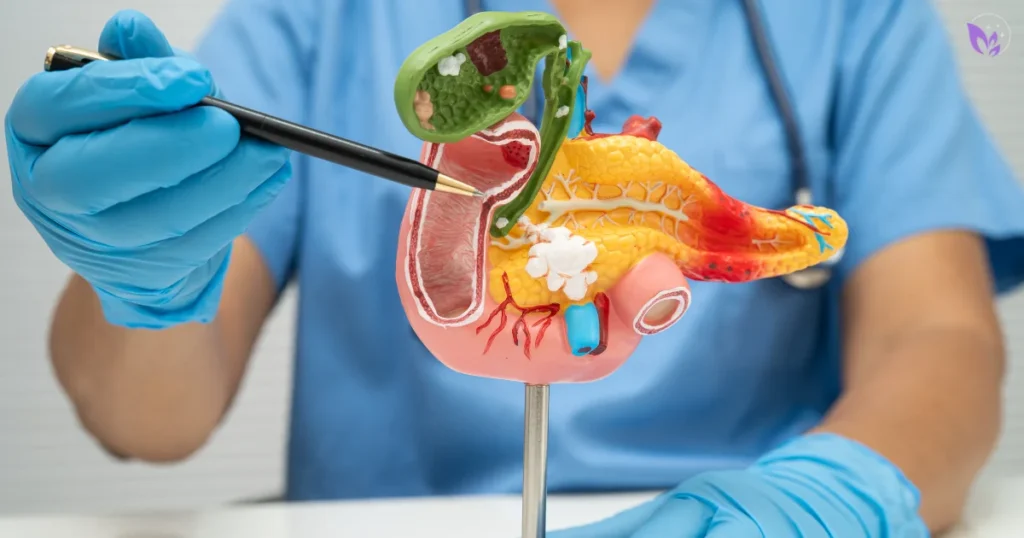
Most people think about their stomach or gut when digestion comes up. Very few think about bile. Yet bile flow quietly drives some of the most critical steps in how your body breaks down food, absorbs nutrients, and clears waste. Without it, fat digestion stalls, vitamins go unabsorbed, and the liver’s natural cleaning process slows down.
Bile is produced in the liver, stored in the gallbladder, and released into the small intestine each time you eat. That three-step relay keeps digestion running smoothly from start to finish. When any part of that relay breaks down, the effects ripple across your whole digestive system.
Mahoney Inter Supplements believes that better digestive support starts with understanding how the liver, gallbladder, and gut work together.
Bile is a yellow-green digestive fluid produced continuously by the liver. It is not a simple liquid; it is a complex mixture of bile acids, bile salts, cholesterol, bilirubin, water, and electrolytes. Each of those components plays a role, but bile acids and bile salts do most of the heavy lifting in digestion.
Once produced, bile travels from the liver through bile ducts and into the gallbladder, where it is stored and concentrated until it is needed. When you eat a fatty meal, the gallbladder responds by contracting and releasing bile into the first part of the small intestine, known as the duodenum.
In the small intestine, bile acts almost like a natural soap. It emulsifies fat, breaking large fat droplets into tiny particles so that digestive enzymes can access and break them down further. This process is what enables fat digestion. Without bile, dietary fats would largely pass through your system unprocessed.
Fat gets a bad reputation, but your body needs dietary fat to function. Hormones, cell membranes, and brain tissue all depend on a steady supply of healthy fat. And none of that fat can be properly used unless bile flow is doing its job.
When bile flow is adequate, fat emulsification happens efficiently. Digestive enzymes called lipases can then break down those emulsified fats into fatty acids and glycerol, which are absorbed through the intestinal wall and transported throughout the body. When bile flow is sluggish or inadequate, the whole chain of events slows.
Poor fat breakdown also affects something equally important: the absorption of fat-soluble vitamins. Vitamins A, D, E, and K are only absorbed in the presence of fat and bile. When bile flow is compromised, these vitamins may pass through the gut without being absorbed properly, even when your diet contains plenty of them.
Healthy bile flow supports better digestive comfort after meals. People with normal bile production and release tend to tolerate fatty or rich foods without discomfort, process meals more efficiently, and maintain steadier energy levels after eating.
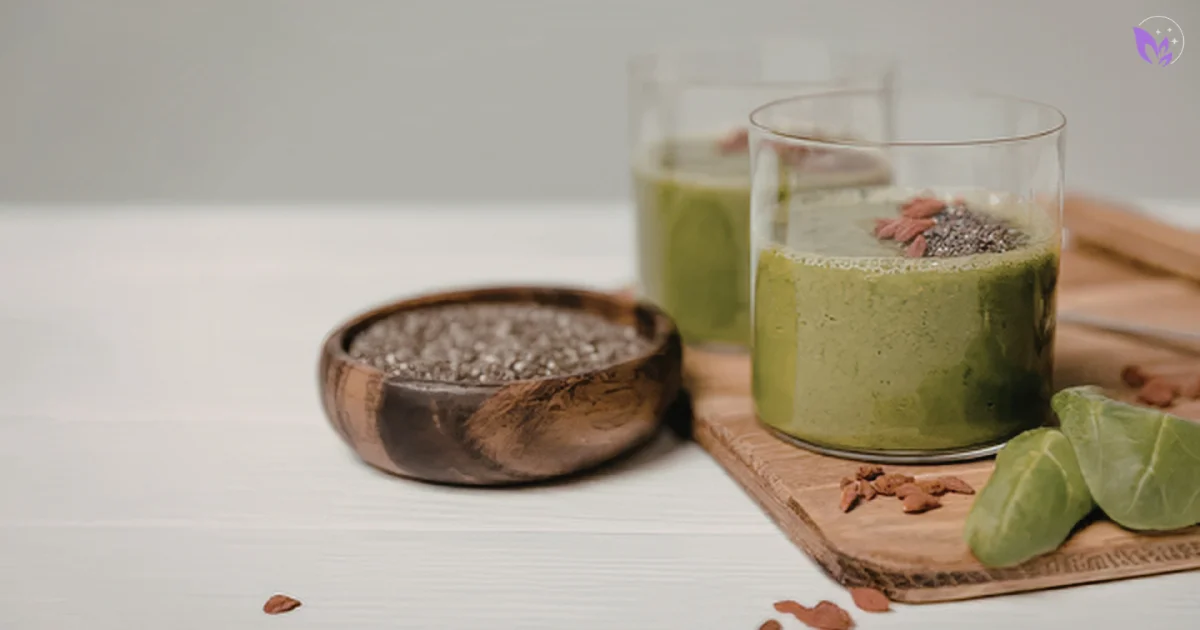
The liver is the body’s primary filtration organ. It processes hundreds of compounds every day: hormones, metabolic byproducts, environmental compounds, and other substances that need to be broken down and eliminated. Many of these processed waste products are packaged into bile rather than sent to the kidneys.
Once those compounds enter bile, they travel into the small intestine and eventually leave the body through stool. This makes bile flow a direct part of the body’s natural waste-elimination process. If bile flow slows, waste compounds may remain in circulation longer before being eliminated.
It is worth being clear here: bile does not perform miracles, and supporting bile flow is not the same as doing a “detox cleanse.” Healthy bile flow simply supports the body’s natural waste-elimination process, a process that runs continuously in a well-functioning system. Supporting it means giving your liver and gallbladder the conditions they need to do their everyday jobs.
Sluggish bile flow does not always announce itself clearly. The signs can be vague and overlap with other digestive issues. Still, there are several patterns worth knowing:
These symptoms can also be linked with other digestive, liver, or gallbladder concerns, so persistent symptoms should be discussed with a healthcare professional.
Several everyday habits and conditions can interfere with bile production and release. The most common include:
There are practical, evidence-informed ways to support bile flow through diet and lifestyle. None of them are complicated, and most can be layered into a normal daily routine.
Bitter taste directly stimulates bile production and release through a reflex that begins in the mouth. Dandelion greens, arugula, artichoke, mustard greens, radicchio, and bitter herbs all trigger this response. Adding even a small portion of something bitter before or during a meal can prime the digestive system for better fat processing.
Dietary fat is the main trigger for gallbladder contraction. Including olive oil, avocado, oily fish, eggs, nuts, or seeds with meals ensures that the gallbladder receives the hormonal signal it needs to release bile. Very low-fat meals may not stimulate adequate bile flow, which is one reason extremely restrictive diets sometimes create digestive discomfort over time.
Bile contains a significant proportion of water. Maintaining good fluid intake throughout the day supports normal bile consistency and overall digestive function. There is no specific target that works for everyone, but consistent hydration matters more than large infrequent amounts.
Regular mealtimes help stimulate consistent bile release and prevent bile from sitting stagnant in the gallbladder for too long. Physical movement, even a 20-minute walk after a meal, supports digestive motility and may help the gallbladder contract more effectively. Managing chronic stress also matters; the gut and the nervous system are deeply connected, and sustained stress affects bile release and gut function more than most people realise.
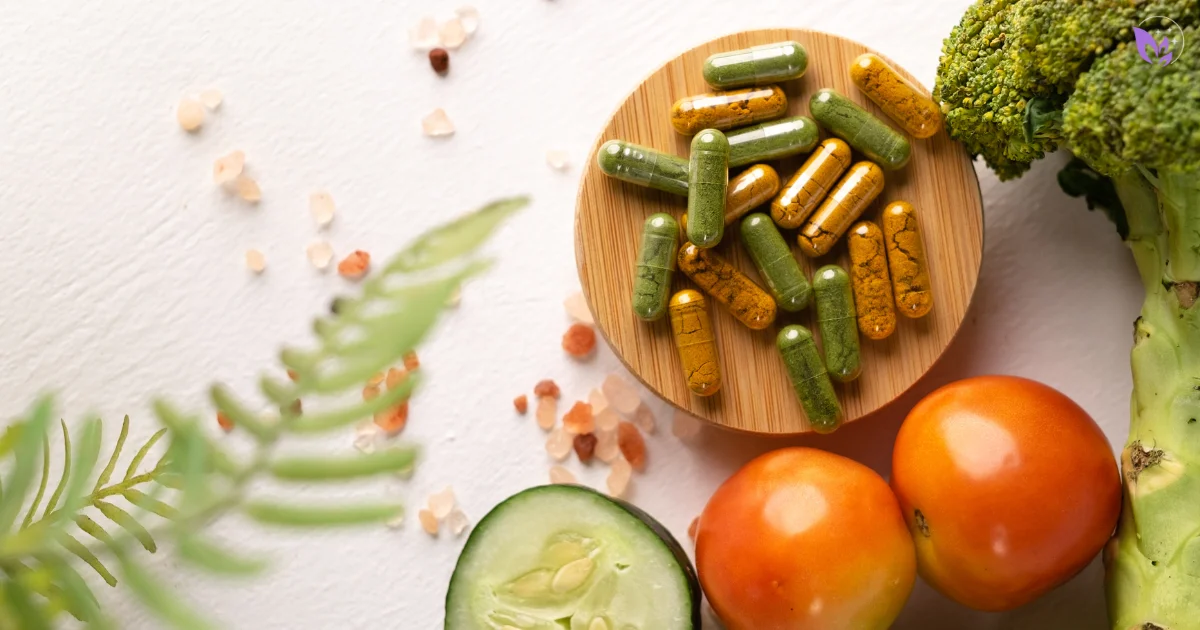
Beyond food, several specific nutrients and plant compounds have been studied for their role in supporting liver function and bile production:
TNM Liver Support by Mahoney Inter Supplements may fit into a wellness routine focused on liver support, digestion, and healthy bile flow.
Supplements should not be used to treat gallbladder disease, liver disease, bile duct blockage, or any medical condition.
The liver, gallbladder, and gut are not separate systems; they form a continuous loop. Bile produced by the liver feeds the gut. The gut responds to bile, uses it, and either recycles or eliminates it. That recycling process, called enterohepatic circulation, means the same bile acids can be reused many times before being lost in stool.
Regular bowel movements play an important role here. When waste moves through the gut efficiently, bile acids that carry waste compounds are eliminated before they can be reabsorbed. A high-fibre diet, adequate hydration, and consistent mealtimes all support this process without needing anything complicated or extreme.
If you use activated charcoal or other binders as part of a wellness routine, keep in mind that these can bind not only waste compounds but also nutrients and medications. Always use binders well away from meals, supplements, and any medications you take.
Lifestyle and nutritional support has real value, but there are situations where bile-related symptoms require medical evaluation. Seek professional assessment if you notice:
These signs may require medical testing and should not be managed with supplements alone.
Bile flow sits at the intersection of fat digestion, nutrient absorption, and natural waste elimination. When it works well, you rarely notice it. When it slows down, the effects show up across your digestion, energy, and overall comfort. Supporting it does not require anything dramatic; bitter foods, quality fats, hydration, movement, and the right nutrients give your liver and gallbladder what they need to function well day to day.
Mahoney Inter Supplements focuses on wellness education and targeted supplement support for people who want to build a thoughtful digestive and liver support routine. As always, persistent symptoms are best assessed by a qualified healthcare professional who can consider the full picture.
Bile flow is the movement of bile from the liver and gallbladder into the small intestine. It is important because bile helps break down dietary fats, supports fat digestion, and helps the body absorb fat-soluble vitamins such as vitamins A, D, E, and K. Healthy bile flow also supports normal waste elimination through the digestive system.
Common signs of poor bile flow may include bloating after fatty foods, nausea after rich meals, greasy or floating stools, pale stools, upper right abdominal discomfort, poor fat tolerance, irregular bowel movements, or fatigue after meals. These symptoms can also be linked with other digestive, liver, or gallbladder issues, so persistent symptoms should be checked by a healthcare professional.
You may support healthy bile flow naturally by eating bitter foods, including moderate healthy fats with meals, staying hydrated, eating enough fiber, moving regularly, and managing stress. Foods such as artichoke, arugula, dandelion greens, olive oil, avocado, eggs, nuts, seeds, and oily fish may support normal digestion and bile release.
Foods that may support healthy bile production include bitter greens, cruciferous vegetables, healthy fats, fiber-rich foods, and protein-rich meals. Examples include dandelion greens, arugula, artichoke, broccoli, cabbage, olive oil, avocado, eggs, fish, beans, lentils, chia seeds, and flaxseeds. Hydration is also important because bile contains water.
Some nutrients and herbs may support liver health and normal bile flow, including choline, taurine, glycine, milk thistle, turmeric, artichoke extract, phosphatidylcholine, and lecithin. Supplements should be used as part of a healthy lifestyle and should not be used to treat gallbladder disease, liver disease, bile duct blockage, or any medical condition.
Disclaimer: This article is for educational purposes only and is not medical advice. Mahoney Inter Supplements products are not intended to diagnose, treat, cure, or prevent any disease. Always speak with a qualified healthcare professional before starting any supplement, especially if you are pregnant, nursing, taking medication, or managing a medical condition including gallbladder issues, liver disease, or bile duct concerns.


Noor-ul-Ain is a Tech & SEO Content Writer with over 4 years of experience creating search-optimized content for digital platforms. She specializes in SaaS products, AI tools, SEO strategy, and product documentation, helping platforms turn complex features into clear, search-driven growth. Noor-ul-Ain has also written extensively on health science, sports, fitness, fashion, and beauty, focusing on informative and reader-friendly content.
Yes, you can take zinc and iron on the same day. Some multivitamins even contain both. Higher amounts of supplemental
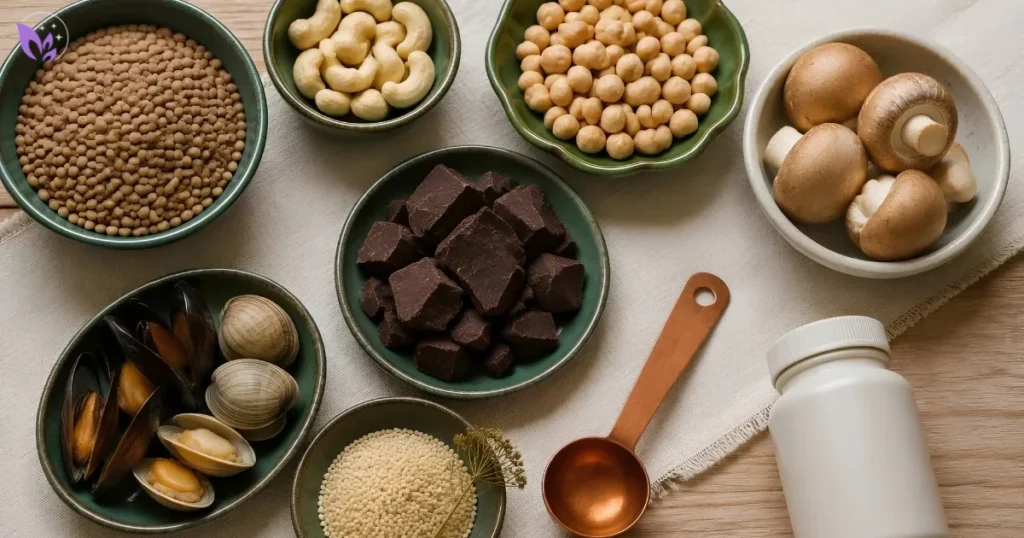
Yes, taking too much zinc can cause copper deficiency. High doses of zinc, especially when taken for several weeks, can
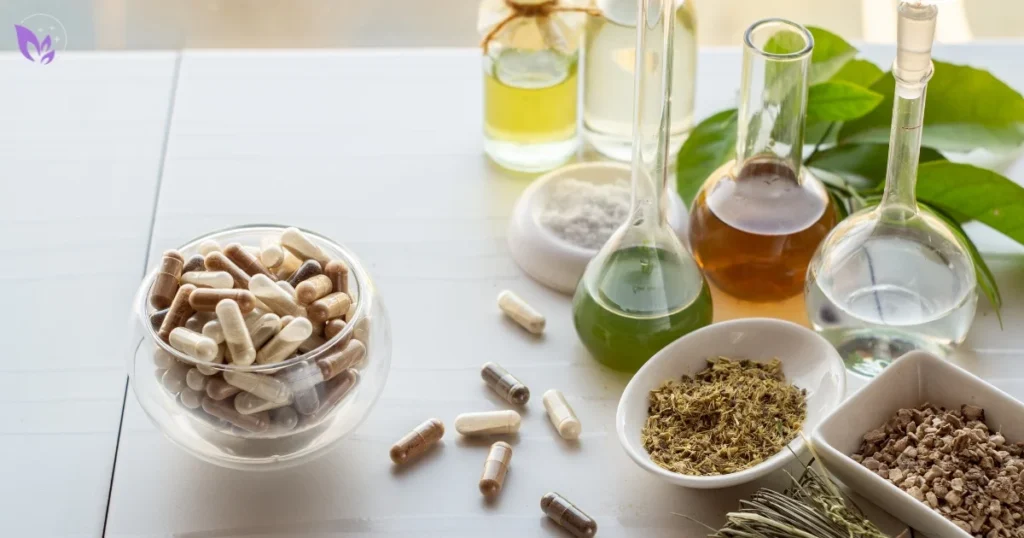
Liquid trace minerals are a good choice if you prefer mixing supplements into water or have difficulty swallowing capsules. Capsules