
How to Clean Liver from Alcohol Naturally: Step-by-Step Guide
Waking up after a night of drinking often brings a wave of regret and concern for your liver’s well-being. Your liver manages over 500 critical functions every day, including removing toxins and balancing hormone levels, so its health matters more than you might think. Taking thoughtful steps to prepare your body before starting a detox makes all the difference, providing a strong foundation for real recovery and long-term vitality.
Table of Contents
- Step 1: Prepare Your Body For Liver Detox
- Step 2: Select Safe Natural Supplements For Liver Cleansing
- Step 3: Implement Alcohol-Free Nutrition And Hydration Protocols
- Step 4: Support Liver Recovery With Holistic Practices
- Step 5: Verify Liver Health Improvements And Track Progress
Quick Summary
| Key Insight | Explanation |
|---|---|
| 1. Cease Alcohol Consumption | Stopping alcohol for 2-3 weeks allows liver cells to recover faster and reduces stress on the liver. |
| 2. Emphasize Whole Foods | Replace processed foods and sugars with fresh fruits, vegetables, and lean proteins to support liver function. |
| 3. Implement Regular Exercise | Aim for 150 minutes of moderate exercise weekly to enhance metabolic function and support liver detoxification. |
| 4. Monitor Liver Health | Keep track of energy levels, digestion, and mood improvements, and schedule liver function tests for objective measures. |
| 5. Maintain Hydration | Drink half your body weight in ounces of water daily to aid liver function and minimize toxin buildup. |
Step 1: Prepare your body for liver detox
Before starting any detoxification protocol, your body needs a foundation of healthy habits. This preparation phase lasts 1-2 weeks and sets up your liver for success by reducing incoming toxins and stabilizing your overall health.
Your liver handles over 500 critical functions daily, from removing toxins to regulating hormones. Think of preparation as clearing the workspace before beginning a big project.
Start by cutting alcohol consumption completely. Even if you don’t plan to quit permanently, stopping alcohol for 2-3 weeks before detox allows your liver cells to begin recovering. Your liver regenerates faster when it’s not processing ethanol.
Eliminate processed foods and refined sugars. These place extra strain on your liver and promote fatty liver disease. Replace them with whole foods: fresh fruits, vegetables, whole grains, and lean proteins.
Here’s what to focus on during this preparation window:
- Drink at least 8-10 glasses of water daily to support natural filtration
- Choose organic produce when possible to limit pesticide exposure
- Avoid raw or undercooked shellfish, which can contain harmful bacteria
- Reduce saturated fats and limit high-calorie meals
- Stay away from cleaning products, insecticides, and other environmental toxins
- Remove over-the-counter medications or supplements that stress the liver
Your liver can’t detoxify anything if it’s already overwhelmed with daily toxin exposure and alcohol metabolism.
If you’re overweight, aim for gradual weight loss during this phase. Even a 5-10% reduction improves liver function significantly. Pair dietary changes with gentle exercise like walking, stretching, or yoga for 20-30 minutes daily.
Check with your doctor about any medications or supplements you’re taking. Some compounds strain your liver, and your healthcare provider can identify problematic ones before you begin detoxification. Understanding how to detox your liver naturally will give you more detailed strategies for the actual cleanse phase.
Pro tip: Start a simple food journal during preparation week to track what you eat and how you feel, making it easier to identify which foods support your liver health and which ones don’t.
Here’s a summary of foundation-building actions and their impact on liver detox:
| Action | How It Supports Detox | Additional Benefits |
|---|---|---|
| Cut alcohol completely | Reduces liver cell damage | Improves energy, sleep quality |
| Eliminate processed foods | Lowers toxin intake | Supports stable blood sugar |
| Lose excess weight gradually | Reduces liver fat content | Improves cardiovascular health |
| Gentle exercise | Enhances metabolic rate | Boosts mood, flexibility |
| Review medications with doctor | Avoids liver stress | Prevents drug interactions |
Step 2: Select safe natural supplements for liver cleansing
Choosing the right supplements is crucial for supporting your liver without causing harm. This step focuses on evidence-based options that have shown promise in research while avoiding unproven or potentially dangerous products.
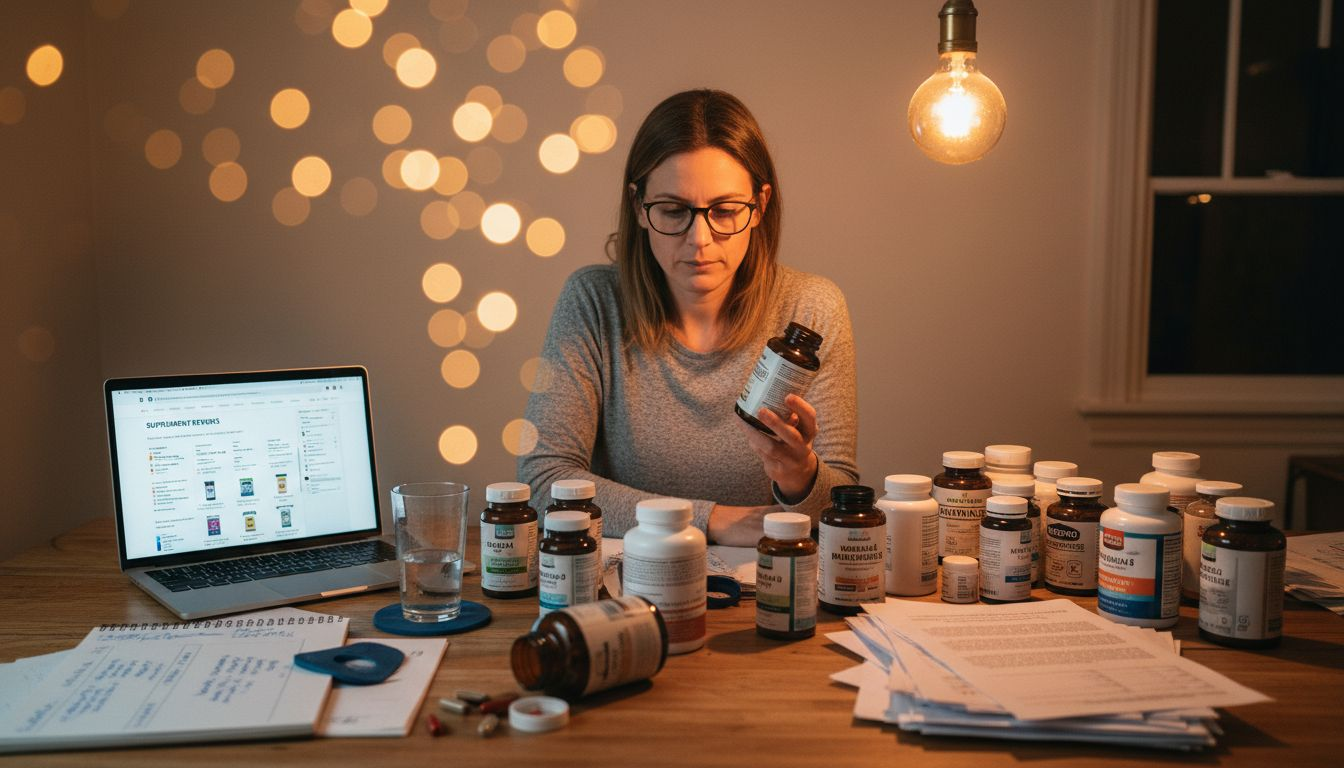
Not all liver cleanses are created equal. Many commercial detox products lack FDA oversight and contain unverified ingredients that could damage your liver further. The key is selecting supplements with actual research backing them.
Start with whole food sources first. Before adding any pills or powders, incorporate natural foods that support liver function. Garlic contains selenium and enzymes that aid detoxification, while citrus fruits boost your liver’s detoxifying enzymes. Cruciferous vegetables like broccoli and Brussels sprouts contain glucosinolate and sulfur compounds that strengthen liver defenses.
If you decide to use supplements, focus on these evidence-supported options:
- Milk thistle for its anti-inflammatory and protective effects
- Turmeric for antioxidants and bile production support
- NAC (N-acetylcysteine) for glutathione synthesis
- TUDCA for bile flow and liver cell protection
- Beets and beet extract to stimulate bile flow
- Walnuts for their amino acids and omega-3 fatty acids
Before starting any supplement, consult your healthcare provider to ensure it won’t interact with your medications or worsen existing conditions.
Always verify supplement quality. Look for products from reputable manufacturers that provide third-party testing results. Pharmaceutical-grade supplements are manufactured to higher standards than typical retail brands. Avoid anything making exaggerated detox claims.
Start with lower doses. Even natural supplements can cause side effects if you take too much too quickly. Begin at the lowest recommended dose and increase gradually over 1-2 weeks as your body adjusts.
Read ingredient labels carefully. Some supplements contain fillers, additives, or ingredients not listed prominently on the front. You want to know exactly what you’re putting into your body during a cleanse. If any ingredient is unfamiliar, research it or ask your doctor about it.
Pro tip: Keep a supplement log noting what you take, the dosage, the time, and how you feel afterward—this helps identify which supplements your liver responds well to and which ones cause discomfort.
Compare common natural liver supplements and important safety notes:
| Supplement | Main Benefit | Key Consideration |
|---|---|---|
| Milk thistle | Anti-inflammatory support | May interact with some drugs |
| Turmeric | Antioxidant, boosts bile | Use with black pepper for absorption |
| NAC | Promotes glutathione production | Consult doctor for dosing |
| TUDCA | Improves bile flow | Not for those with gallstones |
| Beet extract | Stimulates bile, antioxidants | May change urine color |
| Walnuts | Omega-3s and amino acids | Watch for nut allergies |
Step 3: Implement alcohol-free nutrition and hydration protocols
Now that your body is prepared and supplements are selected, it’s time to establish eating and drinking patterns that actively support liver recovery. This phase lasts 4-12 weeks depending on your detoxification goals and current health status.
Your nutritional choices directly impact how effectively your liver can cleanse itself. The right foods provide building blocks for liver cell repair, while the wrong ones create additional work for an already-stressed organ.
Focus on a Mediterranean-style diet. This eating pattern emphasizes whole foods, balanced nutrients, and reduced sodium while limiting processed items. Choose fresh fruits, vegetables, lean proteins, and whole grains as your foundation. A balanced diet rich in fruits and vegetables forms the core of liver-supporting nutrition.
**Build your meals around these food categories:
- Lean proteins: chicken, fish, eggs, legumes, and tofu
- Colorful vegetables: leafy greens, broccoli, carrots, bell peppers, and asparagus
- Whole grains: brown rice, quinoa, oats, and whole wheat bread
- Healthy fats: olive oil, avocados, nuts, and fatty fish
- Fresh fruits: berries, apples, citrus, and melons
Eliminate problem foods completely during your detox period. Fast food, sugary beverages, processed snacks, refined carbohydrates, saturated fats, and anything containing high-fructose corn syrup should disappear from your diet. These items directly harm your liver and undermine your detoxification efforts.
Drink half your body weight in ounces of water daily, and avoid sugary drinks, alcohol, and anything artificially sweetened.
Make water your primary beverage. Aim for at least 8-10 glasses daily, spread throughout the day. Water supports liver function by helping filter toxins and supporting metabolic processes. Skip sugary drinks, energy beverages, and anything artificially sweetened, which stress your liver further.
Time your meals strategically. Eat smaller portions more frequently rather than three large meals. This keeps your digestive system working smoothly and prevents liver overload. Have breakfast within 1-2 hours of waking to start your metabolic engines.
Plan your week using meal preparation. When you plan ahead and prepare healthy meals in batches, you’re far less likely to resort to processed convenience foods when hungry or tired.
Pro tip: Start your morning with warm lemon water on an empty stomach to stimulate bile production and kickstart your liver’s natural detoxification processes before eating.
Step 4: Support liver recovery with holistic practices
Beyond diet and supplements, your lifestyle choices profoundly impact how quickly your liver heals. This step integrates movement, stress management, and protective behaviors that accelerate recovery while preventing future damage.
Holistic liver support means addressing your whole body, not just what you consume. Your liver responds to exercise, sleep quality, stress levels, and emotional well-being just as much as it responds to nutrition.
Start a regular exercise routine immediately. Aim for 150 minutes of moderate activity weekly, broken into 30-minute sessions on five days. Walking, swimming, yoga, or cycling all work effectively. Exercise improves metabolic function, helps you maintain a healthy weight, and directly enhances liver detoxification capacity.
Prioritize quality sleep. Your liver performs most of its repair work during deep sleep cycles, particularly between 11 PM and 3 AM. Aim for 7-9 hours nightly with a consistent bedtime. A well-rested liver recovers twice as fast as a sleep-deprived one.
Practice stress reduction techniques daily. Chronic stress elevates cortisol, which impairs liver function and increases inflammation. Engaging in practices that support overall wellness creates the optimal conditions for liver recovery.
Simple stress-management approaches include:
- Meditation or mindfulness for 10-15 minutes daily
- Deep breathing exercises (4-7-8 technique)
- Journaling your thoughts and feelings
- Time in nature or outdoor activities
- Progressive muscle relaxation before bed
- Gentle stretching or restorative yoga
Your liver heals fastest when your whole body is calm, rested, and supported by consistent healthy habits.
Avoid environmental toxins actively. Stop smoking if you smoke, limit household chemical exposure, and use natural cleaning products. Wear gloves when handling chemicals, and ventilate your home regularly. Toxins bypass your digestive system when inhaled, placing direct burden on your liver.
Protect yourself from infections. Get vaccinated against hepatitis A and B if you’re not already immune. Practice safe hygiene, avoid sharing personal items like razors or toothbrushes, and never share needles. These protective behaviors prevent additional liver damage during your recovery period.
Manage any chronic conditions like diabetes or high blood pressure with your doctor’s guidance. These conditions accelerate liver disease, and controlling them dramatically improves detoxification outcomes.
Pro tip: Schedule a weekly check-in with yourself each Sunday evening, noting your energy levels, digestion quality, and overall mood—these are the first signs your liver is recovering, often appearing before bloodwork shows improvements.
Step 5: Verify liver health improvements and track progress
You’ve invested weeks into your liver detoxification protocol. Now it’s time to measure real progress through objective markers and subjective observations that confirm your efforts are working.
Tracking progress keeps you motivated and helps identify what’s working versus what needs adjustment. Your body will show improvements long before medical tests catch up to the changes happening internally.
Start with simple daily observations. Notice your energy levels, digestion quality, skin clarity, and mental focus. A recovering liver typically shows improved energy within 2-3 weeks, clearer skin within 4-6 weeks, and better digestion immediately. Keep a daily log noting these shifts so you have concrete evidence of progress.
Pay attention to these physical markers:
- Energy levels throughout the day
- Quality and consistency of digestion
- Sleep depth and waking refreshment
- Skin tone and clarity improvements
- Mental clarity and concentration
- Mood stability and emotional resilience
- Reduction in bloating or inflammation
Schedule liver function tests with your doctor. Liver function tests measure enzymes and substances that indicate liver health status. Key markers include ALT and AST (liver enzymes), alkaline phosphatase, and bilirubin levels. Baseline testing at the start helps you measure improvement objectively.
Aim for follow-up tests after 8-12 weeks of consistent detoxification. Healthy improvements typically show as decreased enzyme levels and normalized bilirubin, confirming reduced liver inflammation and injury.
Subjective improvements like better sleep and clearer thinking often precede objective test improvements by several weeks.
Track weight and body composition changes. Even modest weight loss of 5-10 percent significantly improves liver function in people with fatty liver disease. Weigh yourself weekly at the same time of day, preferably in the morning. Take body measurements monthly since muscle gained during exercise might offset fat loss on the scale.

Photograph your progress monthly. Taking pictures of your face, abdomen, and overall appearance provides visual documentation of changes you might not notice day-to-day. Comparing photos side-by-side reveals skin improvements and overall vitality shifts clearly.
Note any changes in cravings or food preferences. A recovering liver often naturally loses interest in alcohol, processed foods, and sugar. This shift is profound evidence your body is healing and resetting its nutritional priorities.
Pro tip: Create a simple spreadsheet tracking your energy level (1-10 scale), digestion quality, sleep hours, and any test results—reviewing this data monthly reinforces your progress and helps you spot patterns about which practices impact your liver most.
Support Your Liver Detox Journey with Trusted Natural Solutions
Struggling to clean your liver from alcohol naturally requires more than just knowledge. The challenge lies in finding safe and effective supplements that truly support your liver without adding extra stress. This article highlights critical steps like preparation, selecting evidence-based supplements such as TUDCA and NAC, and embracing holistic practices to optimize recovery. If you want to accelerate your liver cleansing while protecting your health, you need pharmaceutical-grade supplements designed for real results.
Discover a curated selection of liver support complexes and detox supplements at new.mahoneyinter.com/ known for purity and research-backed ingredients. Start with gentle cleansing formulas or explore targeted products like TUDCA and NAC that help boost your liver’s natural detoxification pathways. With comprehensive product details, customer reviews, and secure shopping, you can confidently take control of your liver health today. Visit our landing page now and take the next step toward a revitalized liver and renewed vitality.
Frequently Asked Questions
How long should I prepare my body before starting a liver detox from alcohol?
Start by preparing your body for 1-2 weeks before beginning the detox. Focus on cutting alcohol, eliminating processed foods, and adopting healthier habits to stabilize your overall health.
What foods should I include to support my liver during the detox process?
Incorporate whole foods like fresh fruits, vegetables, lean proteins, and whole grains into your diet. Aim for a Mediterranean-style diet to provide essential nutrients for liver recovery within 4-12 weeks.
Can I take supplements to help cleanse my liver from alcohol?
Yes, you can use natural supplements such as Milk Thistle and Turmeric that support liver function. Always consult with a healthcare provider before starting any supplements to ensure they are safe and effective for your needs.
What exercises can I do to enhance my liver detox?
Aim for gentle exercises such as walking, yoga, or swimming for at least 150 minutes per week. Regular activity can improve metabolic function and aid in liver detoxification.
How can I track my progress during a liver detox?
Keep a daily log of your energy levels, digestion quality, and overall well-being. Additionally, schedule liver function tests with your doctor after 8-12 weeks to objectively measure improvements in liver health.
What should I avoid while detoxing my liver from alcohol?
Avoid processed foods, refined sugars, and any alcohol during your detox period. Limit exposure to environmental toxins, and consult your doctor about any medications that may stress your liver.