Probiotics vs Prebiotics: What’s the Difference and How Do They Support Gut Health?
Probiotics and prebiotics are often mentioned together, but they aren’t the same. Understanding the difference between probiotics and prebiotics can


More people than ever are turning to hormone-balancing supplements to support their weight management goals, and DIM supplements are quickly rising to the top of that list. If you’ve been struggling with stubborn weight that diet and exercise alone don’t seem to shift, hormones may be playing a bigger role than you realize.
Hormone-related weight gain is a real and frustrating challenge, especially for women navigating their 30s, 40s, and beyond. That’s where natural wellness supplements like DIM have begun to get serious attention. Mahoney Inter has introduced DIM-based Supplements to health-conscious consumers across the USA, UK, and Canada, responding to growing demand for science-backed, natural hormone support.
But does DIM actually help with weight loss? Let’s dig into what the research says, how it works in the body, and whether it might be right for you.
DIM stands for diindolylmethane, a naturally occurring compound that forms in your body when you digest certain vegetables. Specifically, it’s produced when a precursor compound called indole-3-carbinol (I3C) breaks down during digestion.
DIM is not a synthetic chemical. It’s a bioactive compound your body already knows how to work with, which is one reason it’s attracted so much interest in the natural wellness community. DIM capsules and supplements simply deliver a concentrated, standardized dose of what your body would otherwise produce in small amounts from food.
At its core, DIM works by influencing how your body metabolizes estrogen, supporting the conversion of stronger, potentially problematic estrogen forms into weaker, more beneficial ones.
DIM doesn’t come directly from food — it forms during the digestion of cruciferous vegetables. The richest natural sources include:
These vegetables have long been associated with a wide range of health benefits, and DIM is considered a key reason why cruciferous vegetable consumption is linked to hormonal and metabolic health.
Your liver processes estrogen into several different metabolites, and not all of them behave the same way in the body. DIM appears to shift this process in a favorable direction.
Specifically, research suggests DIM encourages the production of “2-hydroxy” estrogen metabolites (sometimes referred to as “good estrogen”) over “16-alpha-hydroxy” metabolites (associated with estrogen dominance and related issues). This shift toward healthier estrogen levels is at the heart of why DIM is used as an estrogen metabolism support supplement.
When excess estrogen builds up in the body without being properly metabolized, it can contribute to a cascade of symptoms, including weight gain, fatigue, bloating, and mood instability, among others.
Related:
DIM is not a fat burner in the traditional sense. It doesn’t directly speed up your metabolism or suppress appetite, as some pharmaceutical compounds do. Instead, its potential weight-loss benefits operate through hormonal and metabolic pathways that many people overlook.
Estrogen dominance, a state where estrogen levels are disproportionately high relative to progesterone, is one of the more common hormonal imbalances in women, particularly those in perimenopause or menopause. It’s also increasingly recognized in men with higher body fat levels.
Hormone-related weight gain often shows up in specific areas: the hips, thighs, belly, and lower abdomen. It tends to be stubborn and resistant to caloric restriction alone. By supporting a healthier estrogen balance, DIM may help address one of the root causes of this type of weight accumulation rather than just its symptoms.
This is a key distinction: while most weight loss strategies focus on calories and exercise, DIM works on the hormonal environment that can either facilitate or resist fat loss.
Some preliminary research suggests that estrogen imbalances can impair the body’s fat-burning ability by disrupting how fat cells store and release energy. When estrogen metabolites are out of balance, stored fats, especially in the abdominal region, can become harder to mobilize.
By encouraging healthier estrogen metabolism, DIM may support more efficient metabolic processes over time. The result isn’t dramatic or immediate, but for people whose weight struggles are driven by hormonal factors, this metabolic support can be a meaningful piece of the puzzle.
It’s worth noting that most of the evidence here is preliminary. Human clinical trials specifically targeting DIM and fat loss are limited, and the compound should be viewed as a supportive tool rather than a standalone weight loss solution.
One underappreciated aspect of hormone imbalance is its effect on appetite and mood. Estrogen fluctuations are closely tied to changes in serotonin levels, which in turn affect cravings, emotional eating, and mood swings.
Many women report that when their hormones are better balanced, their relationship with food improves, not because of willpower, but because the biological signals driving unhealthy eating habits settle down. DIM’s potential role in stabilizing estrogen levels may contribute to steadier mood and fewer intense food cravings, making healthy eating habits easier to maintain.
Chronic inflammation is increasingly recognized as a contributor to metabolic dysfunction. Elevated inflammation is associated with poor insulin sensitivity, metabolic syndrome, and difficulty losing weight despite effort. Some research suggests DIM has anti-inflammatory properties that may help address this underlying issue.
By reducing inflammatory signaling and potentially improving insulin sensitivity, DIM may support a metabolic environment that is more conducive to weight management. Again, this isn’t a magic bullet, but when inflammation is part of someone’s metabolic picture, DIM’s anti-inflammatory benefits may offer real value.
Weight loss is just one potential application. DIM supplements have a broader wellness profile that makes them worth understanding more fully.
It is most extensively studied and used in the context of women’s hormonal health. Its applications span several life stages:
Beyond hormonal benefits, DIM may contribute to natural metabolism support by creating a more favorable hormonal environment for energy use and fat mobilization. When combined with healthy lifestyle habits such as regular exercise and balanced nutrition, some users report improved body composition over time.
DIM is generally positioned as a complementary wellness supplement — not a replacement for healthy lifestyle choices, but a meaningful addition to them.
Like any supplement, DIM has potential downsides. Understanding them helps you make an informed decision.
Most people tolerate DIM well, especially at lower doses. However, reported side effects include:
These side effects are typically mild and transient. Starting with a lower dose and gradually increasing it tends to improve tolerability.
DIM is not appropriate for everyone. People with hormone-sensitive conditions, thyroid disorders, or those taking hormone-related medications should speak with a healthcare professional before using these supplements.
Pregnant or breastfeeding women are also generally advised to avoid DIM due to limited safety research. Individuals using hormonal contraceptives, hormone replacement therapy, or medications processed by liver enzymes should use caution because DIM may affect hormone metabolism and medication effectiveness.
If you have an existing medical condition or take prescription medications regularly, professional guidance on supplements is recommended before starting DIM.
DIM isn’t for everyone who wants to lose weight. It’s most likely relevant to people whose weight issues have a clear hormonal component.
You may be a good candidate for considering DIM if you:
For these individuals, addressing the hormonal root cause may unlock weight loss progress that seemed impossible before.
It’s worth being direct here: DIM is not a shortcut. The people most likely to benefit from it are those who are already committed to sustainable weight loss through balanced nutrition, regular exercise, and stress management.
DIM works best as one piece of a larger wellness strategy. Think of it less as a weight loss supplement and more as a hormonal support tool that may remove a specific barrier — estrogen imbalance that has been making weight management harder than it should be.
A reasonable approach looks like this: whole-food-focused nutrition, consistent physical activity, adequate sleep, stress reduction, and DIM supplementation as a hormonal support layer on top of that foundation.
Many people wonder whether eating more broccoli and other cruciferous vegetables is enough, rather than taking DIM supplements.
DIM forms in the body during the digestion of cruciferous vegetables like broccoli, kale, cabbage, and cauliflower. While these vegetables support healthy estrogen metabolism and overall wellness, most people would need to eat very large amounts daily to reach higher DIM levels naturally.
DIM supplements and wellness products like TNM Liver Support may provide additional support for individuals interested in hormone balance, estrogen metabolism, and metabolism support. However, eating nutrient-rich vegetables still remains important because they provide fiber, vitamins, antioxidants, and other wellness benefits.
Prescription weight loss medications like semaglutide and phentermine work differently from DIM supplements.
DIM is not a direct fat-burning or appetite-suppressing medication. Instead, DIM may support healthy estrogen metabolism and hormone balance, which can influence hormone-related weight gain and metabolic health.
Prescription medications are often used for obesity or higher BMI under medical supervision, while DIM products are commonly used as part of natural wellness and hormone-support routines.
These supplements are commonly available in different dosages, and many people start with lower amounts to support tolerance and reduce the risk of side effects. Taking DIM with food may also improve absorption, as DIM is fat-soluble.
Since hormone balance changes gradually, consistent use alongside healthy lifestyle habits is usually recommended. Individuals with medical conditions or hormone-related concerns should consult a healthcare professional before using these supplements.
These lifestyle habits may help support hormone balance, metabolism, and long-term wellness goals naturally.
DIM supplements are becoming increasingly popular among people interested in hormone balance, metabolism support, and natural wellness routines. Although DIM is not a miracle weight loss solution, some individuals use it to support hormone-related weight management and healthy estrogen metabolism.
Research on DIM supplements is still in its early stages, and results may vary depending on lifestyle, nutrition, hormone levels, and overall health. At Mahoney Inter Supplements, many wellness-focused consumers in the USA, UK, and Canada continue to explore DIM supplements as part of balanced wellness routines and healthy lifestyle habits.
DIM may support weight management indirectly by helping maintain healthy estrogen metabolism and hormone balance. It is not a direct fat burner and works best when combined with exercise and balanced nutrition.
Some people notice gradual changes within several weeks, although results vary depending on lifestyle habits, supplement consistency, and individual hormone levels.
Possible DIM supplement side effects may include headaches, nausea, upset stomach, hormonal fluctuations, or dark-colored urine. Taking DIM with food may help reduce discomfort.
No. Both women and men may use DIM supplements for hormone support purposes. Some men also research DIM for support of estrogen balance and metabolism.
DIM is connected with cruciferous vegetables such as broccoli, cabbage, kale, Brussels sprouts, cauliflower, bok choy, and arugula. These vegetables support the production of natural DIM during digestion.


Noor-ul-Ain is a Tech & SEO Content Writer with over 4 years of experience creating search-optimized content for digital platforms. She specializes in SaaS products, AI tools, SEO strategy, and product documentation, helping platforms turn complex features into clear, search-driven growth. Noor-ul-Ain has also written extensively on health science, sports, fitness, fashion, and beauty, focusing on informative and reader-friendly content.
Probiotics and prebiotics are often mentioned together, but they aren’t the same. Understanding the difference between probiotics and prebiotics can

Have you ever noticed that a supplement works very well for one person but produces little noticeable change for another?
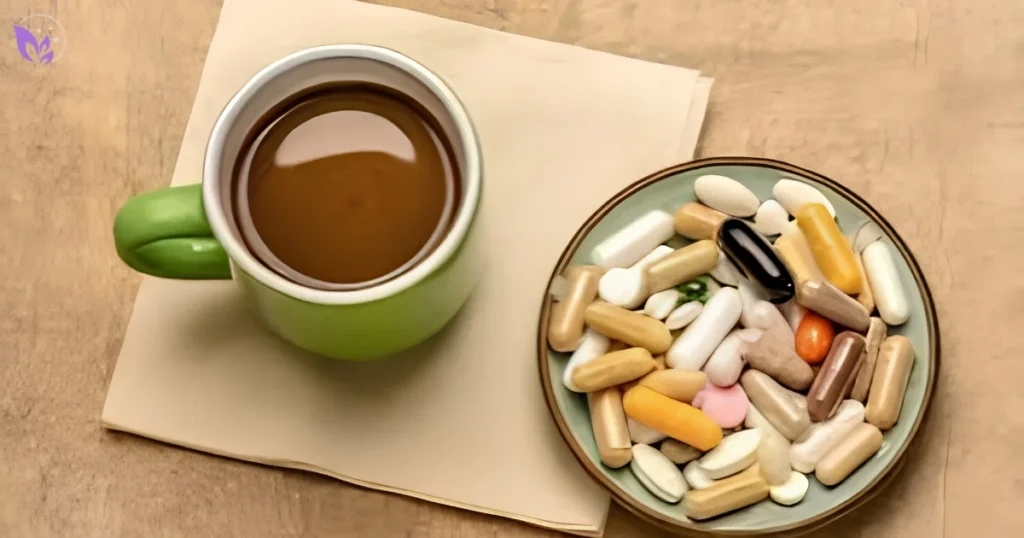
Coffee or tea is part of many people’s daily routine, and for many supplement users, mornings are the easiest time