
Stress and Gut Health: How Stress Affects Digestion Through the Gut-Brain Connection
Stress and gut health are closely connected. While stress is often considered something that affects the mind, it can also


If you follow a 16:8 schedule or another intermittent fasting routine, you may wonder whether your morning multivitamin, magnesium capsule, electrolyte drink, or other supplement will end your fast.
The answer is not the same for every product. Whether vitamins break a fast depends less on the word “vitamin” and more on the supplement’s calories, ingredients, and delivery form. A plain capsule differs greatly from a gummy, flavored powder, protein supplement, or oil-based product.
This guide explains which supplements while fasting are generally compatible with a fasting window, which are better saved for your eating window, and what to check before taking them.
Most plain vitamin and mineral tablets or capsules contain little to no meaningful energy, so they generally don’t affect a fast the same way food does. In practical terms, the answer to “can you take vitamins while fasting?” is often yes — as long as the product does not contain meaningful amounts of sugar, carbohydrates, protein, or fat.
However, the supplement form matters.
Gummy vitamins, protein powders, collagen, amino-acid products, oils, and some flavored powders may contain calories and are more likely to interfere with a strict fast.
There is also an important difference between a supplement being fasting-compatible and being ideal on an empty stomach.
Quick rule: A supplement can contain few or no calories and still be better taken with food because of absorption or stomach tolerance.
| Supplement | Usually Breaks a Strict Fast? | Better Timing |
| Plain multivitamin tablet | Usually no | Eating window often preferable |
| Vitamin C | Usually no | Either; with food if sensitive |
| Vitamin D | Usually no | With a meal containing some fat |
| Magnesium | Usually no | Depends on tolerance |
| Plain, unsweetened electrolytes | Usually no | Can fit the fasting window |
| Plain creatine monohydrate | Usually no | Either |
| Gummy vitamins | Often yes | Eating window |
| Fish oil | Contains fat and calories | Eating window |
| Collagen | Yes | Eating window |
| Protein powder | Yes | Eating window |
| BCAAs or EAAs | Avoid during a strict fast | Eating window |
| MCT oil | Yes, calorically | Eating window |
Always check the actual label because two supplements containing the same nutrient can have very different additional ingredients.
No single definition applies to every fasting routine. What matters most depends partly on why you are fasting.
If your main goal is to control calorie intake or follow a time-restricted eating schedule, total calorie intake is usually the main practical consideration.
A plain capsule or tablet with negligible calories is therefore unlikely to matter in the same way as a food, protein shake, gummy, or oil-based supplement.
People may also use intermittent fasting with goals related to glucose regulation, insulin response, or ketosis.
In this context, carbohydrates, sugars, protein, amino acids, and dietary fat can matter in addition to total calories. A supplement that supplies meaningful nutrients may therefore be better kept inside the eating window.
Autophagy is one reason fasting discussions can become confusing. Fasting is associated with cellular pathways involved in autophagy. However, human evidence is still developing, and no universally established calorie range or supplement dose has been proven to switch autophagy on or off in every person.
Current research on intermittent fasting and cellular pathways supports biological mechanisms involving fasting and autophagy, while also highlighting the need for continued clinical research.
For that reason, treat claims such as “autophagy begins at exactly 16 hours” or “a specific number of calories automatically stops autophagy” with caution.
When considering vitamins during intermittent fasting, it helps to separate water-soluble and fat-soluble vitamins.
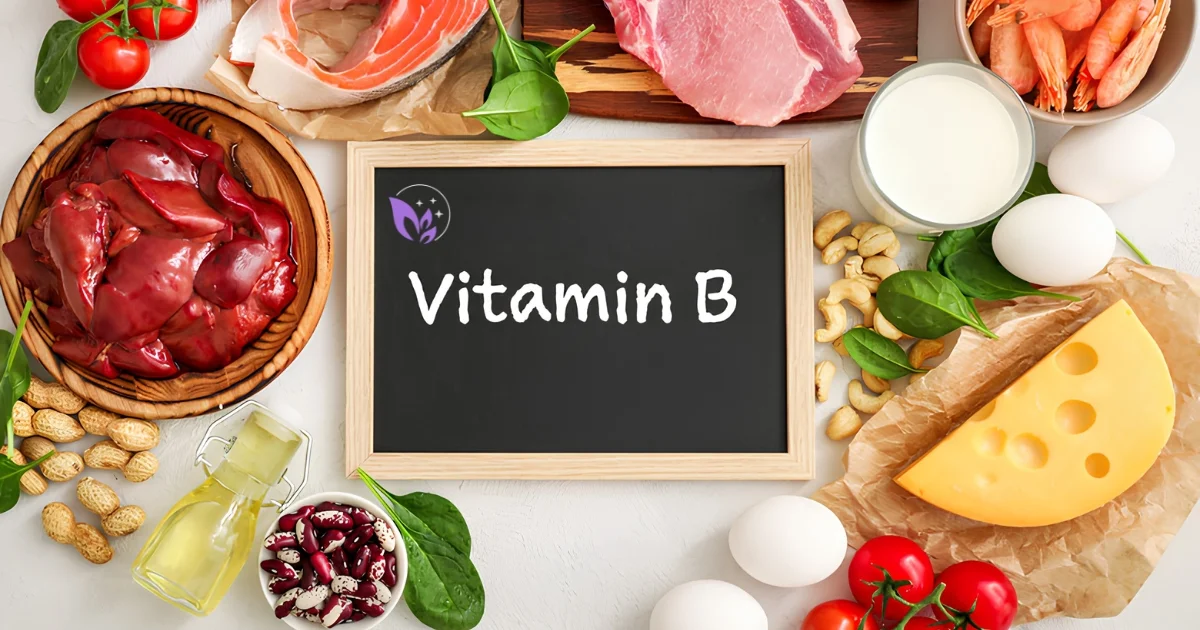
Vitamin C and the B vitamins are water-soluble and do not require dietary fat for absorption. Plain tablets or capsules generally contribute little to no meaningful calories.
However, some people experience nausea or stomach discomfort when taking certain vitamins without food. If that happens, moving them to your eating window may be more comfortable even if they technically do not break your fast.
Vitamins A, D, E, and K are fat-soluble.
A plain vitamin D tablet, for example, does not usually provide meaningful calories. However, dietary fat can enhance vitamin D absorption, although some vitamin D is still absorbed without it.
For that reason, fat-soluble vitamins often make more sense during your eating window, particularly with a meal containing some dietary fat.
Oil-based softgels also deserve a label check because the carrier oil can contribute a small amount of fat.
If you are asking “do supplements break a fast?”, the answer becomes clearer when the supplement contains actual macronutrients or calories.
Do gummy vitamins break a fast?
Often, yes. Many gummies contain added sugars or carbohydrates for flavor and texture. Even sugar-free products should be checked individually because formulations vary.
Protein powder and collagen provide protein and amino acids, not just micronutrients.
For a strict fast, treat both as part of the eating window.
Branched-chain amino acids and essential amino acids still supply amino acids. If maintaining a strict fasting period is the goal, it is more consistent to take them during the eating window.
Dietary oils contain calories.
MCT oil clearly provides fat and energy, while fish-oil capsules also contain small amounts of dietary fat. They may be useful supplements for some people, but they are not truly calorie-free.
Do not assume every powdered supplement is compatible with fasting.
Check the nutrition and ingredient labels for added sugars, carbohydrates, oils, protein, or other calorie-containing ingredients. Flavored electrolyte powders and drink mixes can vary significantly from one formulation to another.
The best time depends on both the supplement and your fasting schedule.
Consider a typical 16:8 routine:
Fat-soluble vitamins such as A, D, E, and K often fit better in the eating window because food supports absorption.
Multivitamins are also commonly easier to take with a meal because they may combine water-soluble vitamins, fat-soluble vitamins, and minerals in one product.
Plain, unsweetened electrolytes may fit within a fasting window, while protein powders, collagen, gummies, amino-acid supplements, MCT oil, and other calorie-containing products are better saved for the eating period.
If a supplement makes you nauseous on an empty stomach, there is little benefit in forcing it into your fasting window. Our guide to taking supplements on an empty stomach vs with food explains the timing and absorption issue in more detail.
This is one of the easiest details to overlook when choosing intermittent fasting supplements.
Vitamin D may come as:
Magnesium may be sold as:
The core nutrient may be identical, but the products can have very different fasting implications because of added sugar, carbohydrates, oils, protein, or other ingredients.
Mahoney Supplements can fit into an overall wellness routine, but fasting considerations still depend on your fasting goal, the supplement form, and whether the product contains meaningful calories.
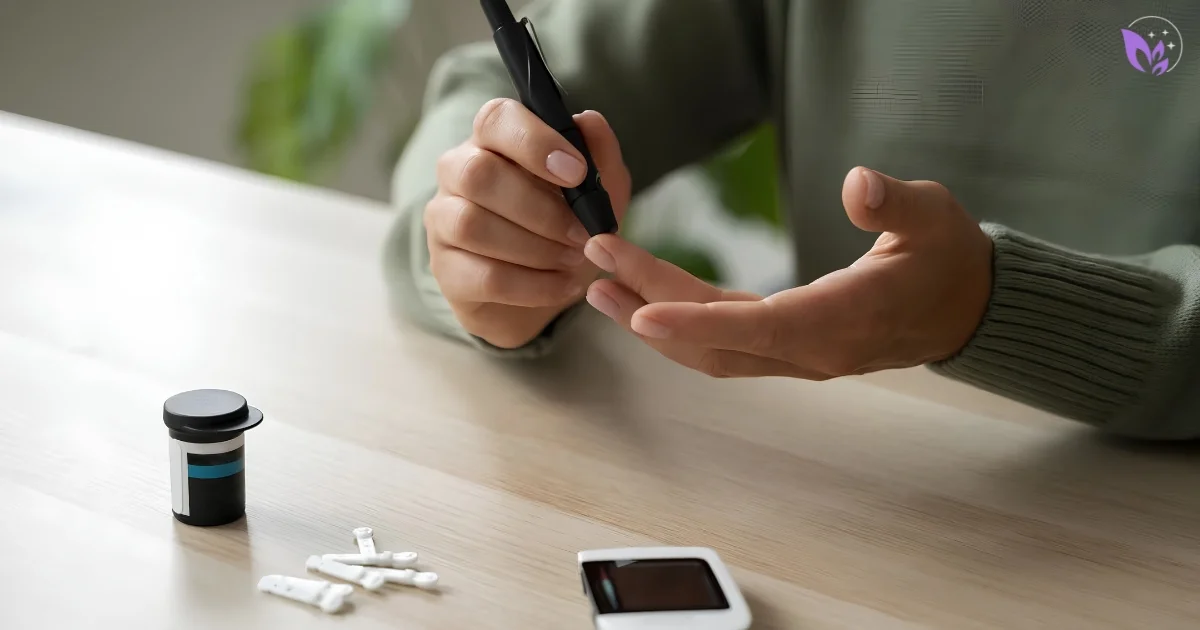
Medical fasting is different from lifestyle intermittent fasting.
If your clinician or lab told you to fast before blood work, follow their instructions rather than applying general intermittent fasting rules. Certain supplements can also affect specific laboratory measurements.
For more information, read our guide to supplements before blood tests.
When deciding whether vitamins while fasting fit your routine, don’t judge the product by its main ingredient alone.
Instead, use three simple checks:
Check the calories. Check the supplement form. Check whether the supplement works better with food.
Plain vitamins, minerals, creatine, and unsweetened electrolytes can often fit within a fasting window, while gummies, protein, collagen, amino-acid products, and oils are generally better kept inside the eating window.
That approach makes supplements during intermittent fasting much easier to manage without turning every capsule or powder into a guessing game.
Often, yes. Many gummy vitamins contain sugar or carbohydrates and therefore provide calories. Check the nutrition label rather than assuming all gummies are the same.
Plain vitamin D tablets or non-caloric formulations generally provide little to no meaningful energy. However, some softgels use oil as a carrier, so check the label if you follow a strict zero-calorie fast. Vitamin D may also be better absorbed when consumed with some dietary fat.
Plain magnesium capsules or tablets usually provide negligible calories and are generally compatible with fasting. However, some people prefer taking magnesium with food because of digestive tolerance.
Plain, unsweetened electrolytes generally do not add meaningful calories. Flavored electrolyte products can contain sugars, carbohydrates, or other ingredients, so check the label.
Plain creatine monohydrate generally provides no meaningful calories and is commonly considered compatible with a fasting window. Products that combine creatine with sugar, protein, or other caloric ingredients are different.
Disclaimer: This article is for general informational purposes only and is not a substitute for personalized medical or nutritional advice.


Noor-ul-Ain is a Tech & SEO Content Writer with over 4 years of experience creating search-optimized content for digital platforms. She specializes in SaaS products, AI tools, SEO strategy, and product documentation, helping platforms turn complex features into clear, search-driven growth. Noor-ul-Ain has also written extensively on health science, sports, fitness, fashion, and beauty, focusing on informative and reader-friendly content.
Stress and gut health are closely connected. While stress is often considered something that affects the mind, it can also

Your gut is home to a complex community of microorganisms that quietly influence many aspects of your health. Trillions of

Walk into any pharmacy or browse an online supplement store, and you will find countless products promising better wellness, improved