
Mahoney Supplements Product Names Explained: What Paragon, TRACE, TNM, and Other Names Mean
If you’ve spent any time browsing wellness supplements online, you’ve probably come across names like Paragon, TNM, and TRACE without

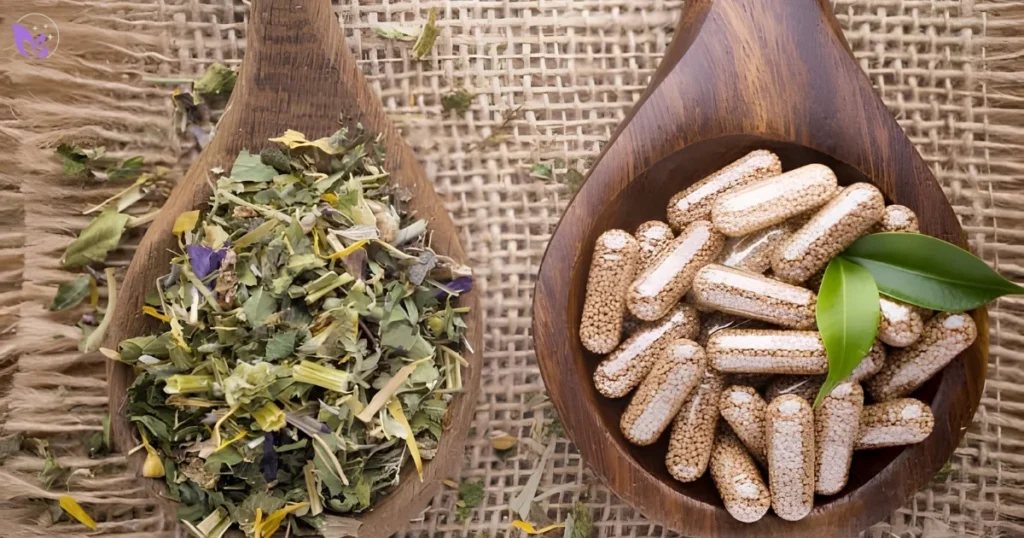
Herbal supplements have become a common part of many wellness routines, but terms like botanical ingredients, plant-based formulas, herbal extracts, and natural supplements can often be confusing. Many people know these products come from plants, but fewer understand what happens between a plant source and a finished supplement.
Understanding how herbal supplements are created can help consumers better evaluate ingredient transparency, supplement labels, and the differences between whole herbs and concentrated extracts.
This article explains what herbal supplements are, where plant-based ingredients come from, how herbal extracts are created, and what factors to consider when choosing a wellness product. Brands such as Mahoney Inter Supplements combine carefully selected ingredients with wellness-focused formulations for everyday routines, making ingredient knowledge an important part of choosing supplements.
Herbal supplements are products made from plant-based ingredients, including roots, leaves, flowers, seeds, bark, and other botanical materials. These ingredients are processed into different supplement forms such as capsules, tablets, powders, teas, or liquid extracts.
A simple way to understand the difference is:
An herb is the original plant material.
A herbal supplement is a finished product that contains that plant material or a concentrated version of it.
For example, a plant root used traditionally as an ingredient is an herb, while a capsule containing processed plant material is considered a herbal supplement.
Herbal supplements are also often called botanical supplements because they are created from plants or plant parts. These products can contain whole herbs, powdered plant material, or concentrated extracts depending on the formulation approach.
Unlike synthetic ingredients created through chemical processes, plant-based supplements begin with naturally occurring botanical sources. However, the final product depends on factors such as ingredient selection, processing methods, and quality standards.
Plants contain different compounds depending on the part being used. For this reason, supplement manufacturers often select specific plant parts based on their characteristics and the formulation’s intended purpose.
Roots are commonly used in botanical formulations because they store various naturally occurring plant compounds.
Examples include:
Leaves are another common source of botanical ingredients.
Leaf-based ingredients are often used in teas, powders, and extracts because plants store different natural compounds throughout their structures.
Seeds and fruits offer different nutritional characteristics and are often chosen for their unique plant compounds.
Examples include:
Some botanical ingredients come from bark or flowers that have a history of traditional use.
Examples include:
Understanding which part of a plant is used can help consumers read supplement labels more effectively because transparent products usually provide details about the ingredient source.
For example, understanding the role of different botanical ingredients can help readers better evaluate formulas like Paragon Cleanse ingredients and how multiple plant-based components are combined within a wellness formula.
One of the most common areas of confusion in herbal supplements is the difference between whole herbs and herbal extracts.
Whole herbs use the plant material directly after processes such as drying and grinding.
Examples:
The ingredient remains closer to its original plant form.
Herbal extracts are concentrated forms created through an extraction process.
During extraction, specific plant compounds are separated from the raw material using methods such as water-based or alcohol-based extraction.
Extracts are commonly used because they may provide:
Extraction can help create a more consistent ingredient profile between batches.
Extracts allow manufacturers to use concentrated botanical ingredients in smaller serving sizes.
Extracts can be incorporated into capsules, tablets, powders, and liquid supplements.
Neither whole herbs nor extracts are automatically better. They are simply different approaches used for different supplement formulations.

The journey from plant source to finished product involves several important stages.
The process begins with choosing the botanical source and identifying the plant part used.
Factors may include:
Raw plant material may go through:
Depending on the product, manufacturers may create:
Quality checks help confirm:
Plant-based ingredients can become different supplement formats, including:
The format changes how the ingredient is delivered, but the original botanical source remains the product’s foundation.
Herbal supplement ingredients generally fall into several categories:
These are concentrated forms created from plant materials through extraction processes.
These include dried or powdered plant parts.
Some supplements contain specific compounds naturally found within botanical sources.
Some formulas combine multiple plant ingredients to create a broader ingredient profile.
When comparing herbal supplements, knowing the ingredient type can provide more context than simply seeing the word “natural” on a product label.
Reading supplement labels is one of the easiest ways to understand what you are choosing.
Important details to review include:
Look for clearly identified plant names rather than vague descriptions.
A quality label may specify whether the ingredient comes from:
Some labels provide details about extract type or concentration.
Check:
Clear labeling helps consumers understand what a supplement contains and compare different products more effectively. Dietary and herbal supplement labels commonly include ingredient information, serving size, and other product details.
With many products using similar terms, ingredient transparency becomes an important factor.
Consider checking:
Does the label clearly identify the plant ingredients?
Are the ingredients and amounts explained clearly?
Does the company provide information about quality processes?
Does the product description accurately explain the ingredients without exaggerated claims?
Better label understanding helps consumers focus on the formulation rather than marketing language.
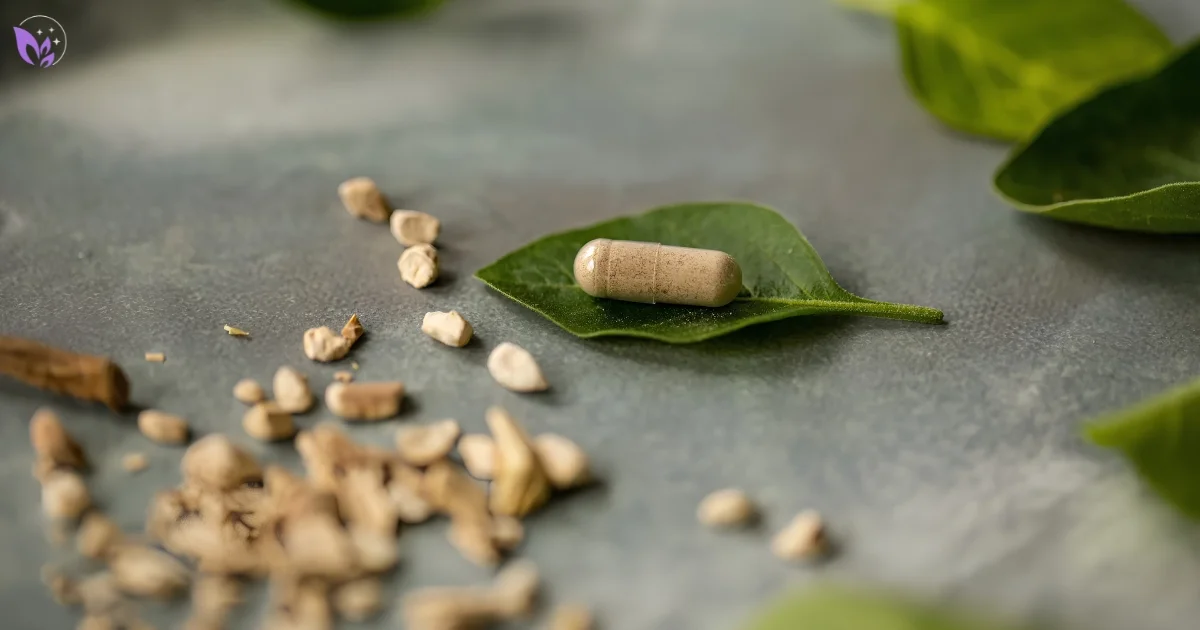
Herbal supplements are often part of a broader wellness routine that may include balanced nutrition, hydration, regular physical activity, and healthy lifestyle habits.
Many supplement routines combine different types of plant-based ingredients with other nutrients, and understanding how herbs, vitamins, and minerals work together can help consumers better understand supplement formulas.
People include plant-based products in their daily routines for different reasons, such as ingredient preferences and interest in botanical sources.
Some may prefer whole-herb products, while others choose formulas with concentrated herbal extracts or blended botanical ingredients.
Understanding the source, formulation, and label information can help consumers make more informed decisions when exploring herbal supplements as part of their overall wellness routine.
Herbal supplements are made from plant-based ingredients such as roots, leaves, seeds, flowers, bark, and botanical extracts.
No. Herbs are raw plant materials, while herbal supplements are finished products that contain processed herbs or extracts.
Whole herbs use the original plant material, while extracts are concentrated forms created through extraction methods.
Supplements process plant ingredients into products such as capsules, powders, tablets, and liquids.
Consumers should review ingredient information, serving details, plant sources, and manufacturing transparency.
Disclaimer: This article is for educational purposes only and is not intended to diagnose, treat, cure, or prevent any disease. Always consult a qualified healthcare professional before changing your wellness routine.


Noor-ul-Ain is a Tech & SEO Content Writer with over 4 years of experience creating search-optimized content for digital platforms. She specializes in SaaS products, AI tools, SEO strategy, and product documentation, helping platforms turn complex features into clear, search-driven growth. Noor-ul-Ain has also written extensively on health science, sports, fitness, fashion, and beauty, focusing on informative and reader-friendly content.
If you’ve spent any time browsing wellness supplements online, you’ve probably come across names like Paragon, TNM, and TRACE without

Choosing a supplement today is often more complicated than picking a single nutrient. Many modern formulas combine multiple ingredient categories,

Stress and gut health are closely connected. While stress is often considered something that affects the mind, it can also