
Why Do I Feel Full After Eating a Small Amount? 9 Causes of Early Fullness
Have you ever started a normal meal, eaten only a few bites, and suddenly felt like you cannot continue? If

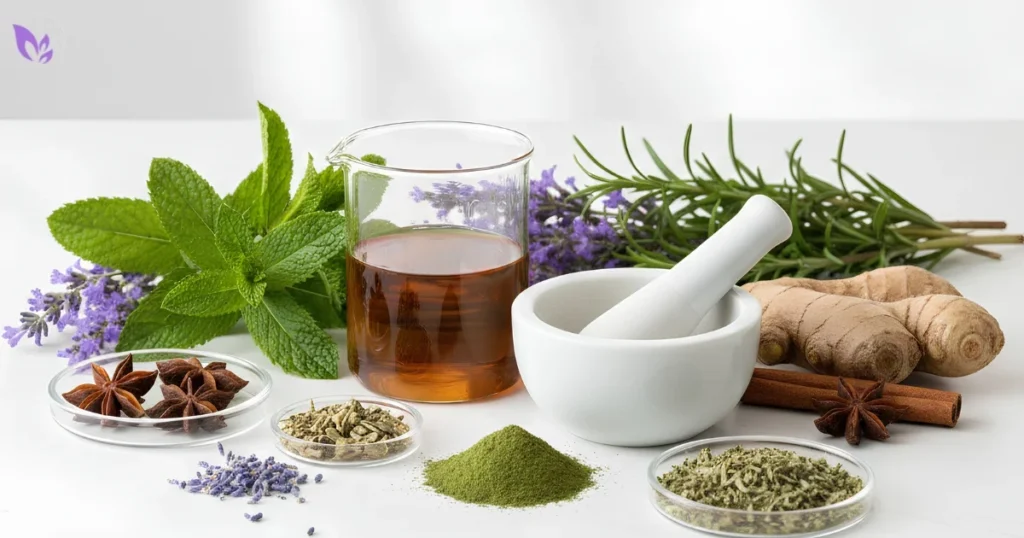
An herbal extract is a concentrated preparation made by removing specific compounds from a plant using extraction methods such as water, alcohol, or other approved extraction processes.
Unlike whole herb powder, which contains dried, ground plant material, an extract concentrates specific plant components.
For example:
A standardized herbal extract goes one step further. During manufacturing, a measurable marker compound is selected, and its amount is controlled to maintain consistency between batches.
Plants naturally vary because of:
Standardization reduces these variations by ensuring a specific compound stays within a defined range.
For example:
An ashwagandha extract labeled “standardized to 5% withanolides” means the extract contains a controlled amount of withanolides, which are the measured marker compounds.
It does not mean that 5% of the entire plant contains withanolides. It refers specifically to the extract and the measured compound.
The difference between herbal powder and herbal extract is mainly concentration.
A whole herb powder contains all naturally occurring plant material, while an extract is processed to concentrate certain compounds.
For example:
| Type | Meaning |
| Whole herb powder | Ground plant material |
| Herbal extract | Concentrated plant compounds |
| Standardized extract | Extract with controlled marker compounds |
Both forms can fit in supplements, but understanding the difference helps consumers interpret labels more accurately.
The main purpose of standardization is consistency.
Without standardization, two batches of the same herb may contain different amounts of important compounds.
A standardized extract helps manufacturers and consumers understand how much of a specific compound is present.
A standardized process helps ensure that each production batch follows similar specifications.
Standardized markers make it easier to compare similar herbal extracts.
For example:
You can compare two extracts with the same standardized compound more meaningfully than products that only list total herb weight.
Instead of only seeing the total milligrams, consumers can understand the amount of specific measured compounds.
However, it is important to remember:
Standardized does not automatically mean stronger or better.
It simply means a specific compound has been measured and controlled.
A percentage on a supplement label usually refers to the amount of a specific marker compound in the extract.
For example:
A supplement contains:
500 mg Ashwagandha extract standardized to 5% withanolides
The calculation is:
500 mg × 5% = 25 mg withanolides
This means the extract contains approximately 25 mg of the measured marker compound.
The remaining amount consists of other naturally occurring plant compounds and extract components.
This is why comparing supplements only by milligram amounts can sometimes be misleading.
A smaller amount of a highly standardized extract may contain more of a specific compound than a larger amount of a less concentrated extract.
A 10:1 herbal extract describes an extraction ratio.
It generally means that approximately 10 parts of the original botanical material were used to produce 1 part of extract.
For example:
10 kg of raw plant material → approximately 1 kg of extract
This is sometimes called the herb equivalent ratio.
However, the ratio does not directly tell you the amount of active compounds.
A higher extraction ratio does not always mean better quality.
The final extract can depend on:
A 10:1 extract and a standardized extract are describing different things.
One explains the concentration ratio, while the other explains the amount of a measured compound.

A 95% label usually refers to a high concentration of a specific group of compounds.
A common example is:
Turmeric extract standardized to 95% curcuminoids
This means the extract contains approximately 95% of the measured curcuminoid compounds.
However, a higher percentage alone should not be the only factor considered.
When evaluating an herbal ingredient, consider:
A supplement label provides useful information, but understanding the full picture matters.
Many people compare these terms as if they measure the same thing, but they answer different questions.
| Feature | Standardized Extract | 10:1 Extract |
| What it measures | Specific marker compound | Raw material extraction ratio |
| Example | 5% withanolides | 10:1 herbal extract |
| Main purpose | Consistency | Concentration description |
| Shows active compound amount | Usually yes | Not necessarily |
Some extracts may include both descriptions.
For example:
A product may contain:
“10:1 extract standardized to 5% active compound.”
This provides information about both the extraction ratio and the measured compound level.
Understanding this difference helps when comparing supplement labels.
Whole herb powder contains the dried plant material with all naturally occurring components.
A standardized extract concentrates specific compounds and controls their amount.
Neither description alone determines whether a supplement is better. The ingredient’s purpose, quality testing, and formulation all matter.
You do not need advanced scientific knowledge to understand supplement labels.
Follow these steps:
Look for the exact botanical identity.
For example:
A scientific plant name provides more clarity than a common name alone.
Identify whether the ingredient is:
Look for measured compounds such as:
These provide more information than the total ingredient weight alone.
Look for:
Understanding supplement quality testing can help consumers evaluate how ingredients are verified.
Understanding how supplements are evaluated can help consumers make informed choices. How Supplement Quality Is Tested covers ingredient testing, GMP standards, and manufacturing quality controls.
Plant-based ingredients are used in a range of supplement formulations, from whole herbs to concentrated extracts. Explore our guide on herbal supplements to learn how plant-based ingredients are processed, formulated, and used in finished supplement products.
A 20:1 extract may look more impressive than a 10:1 extract, but the ratio alone does not explain the active compounds.
The amount of a measured compound can provide more useful information than the total extract amount.
A larger capsule does not always mean a more concentrated product.
Supplement labels provide important information, but consumers should also understand how regulators evaluate ingredients.
Quality assessment may include:
Dietary supplement labels contain information about ingredients, serving sizes, and other product details. Dietary supplement labeling requirements help define the information that manufacturers provide on supplement products.
Traditional herbal medicines have been used in various health practices around the world. The field of Traditional, Complementary and Integrative Medicine explores different approaches involving herbal ingredients, preparation methods, and wellness practices. Understanding ingredient quality, standardization, and product information can help consumers better evaluate herbal supplements.
Understanding herbal supplement labels becomes easier when you know what each number represents.
A percentage usually tells you the amount of a measured compound, an extraction ratio explains how concentrated the plant material is, and standardization shows consistency between batches.
Understanding these differences helps consumers make more informed choices when comparing wellness products, including supplements offered by brands such as Mahoney Inter Supplements.
A clear label is not just about numbers; it is about understanding what those numbers actually represent.
A standardized extract is an herbal extract in which a specific, measurable compound is controlled to maintain consistency between batches.
Not necessarily. A 10:1 ratio describes the amount of raw plant material used, while standardization describes the amount of a measured compound.
It usually indicates that 95% of the extract consists of a specific measured compound group, such as curcuminoids.
Compare:
Disclaimer: This article is for educational purposes only and is not intended to diagnose, treat, cure, or prevent any health condition. Always consult a qualified healthcare professional before changing your supplement routine.


Noor-ul-Ain is a Tech & SEO Content Writer with over 4 years of experience creating search-optimized content for digital platforms. She specializes in SaaS products, AI tools, SEO strategy, and product documentation, helping platforms turn complex features into clear, search-driven growth. Noor-ul-Ain has also written extensively on health science, sports, fitness, fashion, and beauty, focusing on informative and reader-friendly content.
Have you ever started a normal meal, eaten only a few bites, and suddenly felt like you cannot continue? If
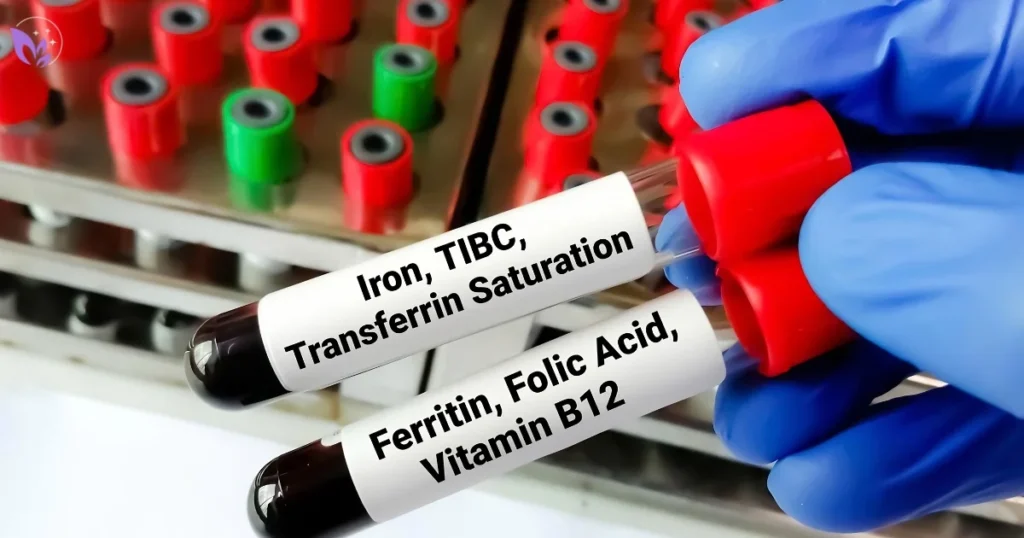
You open your lab report and notice three iron-related results: ferritin, serum iron, and TIBC. Each has its own number,
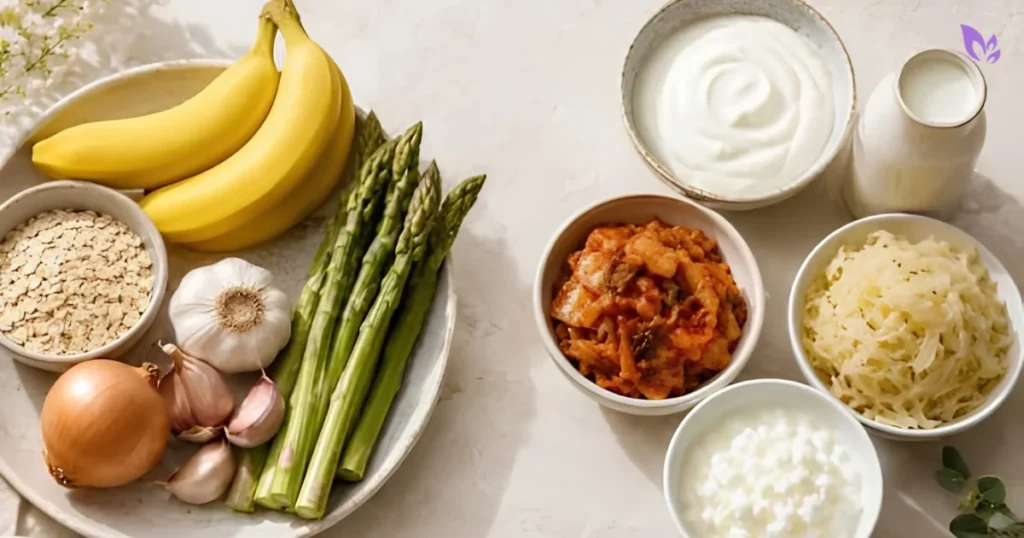
Probiotics and prebiotics are often mentioned together, but they aren’t the same. Understanding the difference between probiotics and prebiotics can