
Standardized Herbal Extracts Explained: Understanding 5%, 10:1 & 95%
An herbal extract is a concentrated preparation made by removing specific compounds from a plant using extraction methods such as

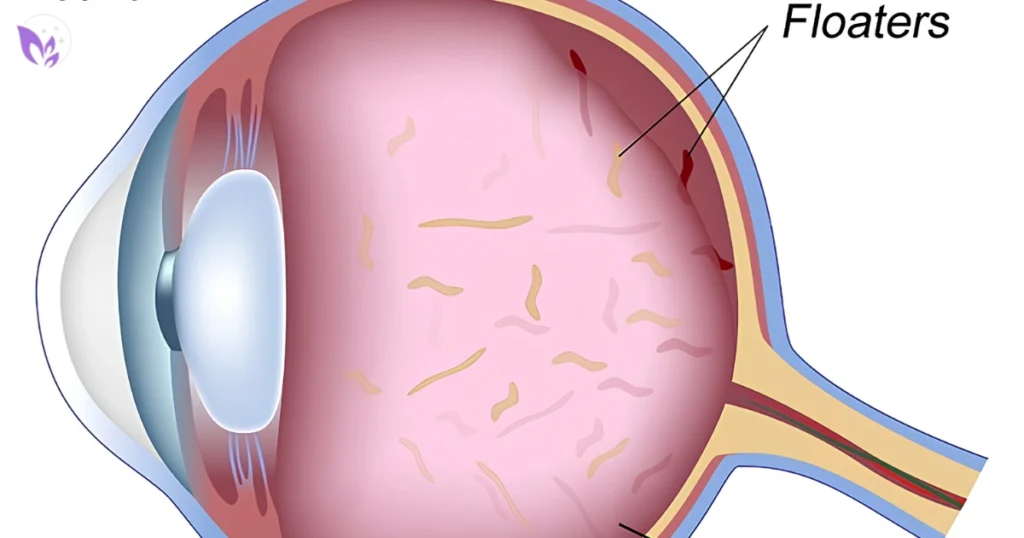
You’re staring at a blank wall or bright sky when a thin, translucent thread drifts across your vision. It curls, shifts when your eye moves, and may look like a tiny worm. That can be unsettling, but in most cases, eye floaters are not parasites. They usually result from normal changes inside the eye. Rare parasitic eye infections do exist, so understanding the difference can help you know when symptoms need medical attention.
No, most eye floaters are not parasites. A floater is usually a shadow created inside the eye, not a living organism.
The eye contains a clear, gel-like substance called the vitreous. As people age, the vitreous can become more liquid and develop tiny clumps or strands of collagen. These structures cast shadows on the retina, appearing as dots, strings, cobwebs, squiggly lines, or worm-like shapes.
This is why people search phrases such as are eye floaters worms, eye floaters parasites, or parasites in eyes floaters, even though the visual effect usually relates to the vitreous rather than an infection.
Worm-like eye floaters are common because collagen strands can twist into thin, curved, semi-transparent shapes. They may resemble hairs, strings, threads, or tiny worms.
Floaters also seem to move when you move your eyes. The vitreous is a gel, so it shifts slightly after the eye moves. This delayed motion can make a floater seem as though it is drifting or wriggling on its own.
They are often easier to notice against a bright sky, white wall, or blank screen because the background has less visual detail.
Common eye floaters and genuine ocular parasites are not the same condition. Their appearance can create confusion, but the overall symptom pattern is usually different.
| Feature | Common Eye Floaters | Possible Eye Parasite |
| Appearance | Spots, strings, cobwebs, squiggly shapes | Varies with the infection |
| Movement | Often drifts with eye movement | Varies |
| Pain | Usually absent | May occur |
| Redness | Usually absent | Possible |
| Vision changes | Often mild or stable | Can be significant |
| Other symptoms | Usually none | Inflammation or irritation may occur |
| Medical evaluation | Important if sudden or new | Required if infection is suspected |
A long-standing floater without pain, redness, or worsening vision is more consistent with a routine vitreous floater than an active eye infection. Still, appearance alone cannot confirm the cause. An eye examination is the safest way to distinguish a harmless floater from something more unusual.

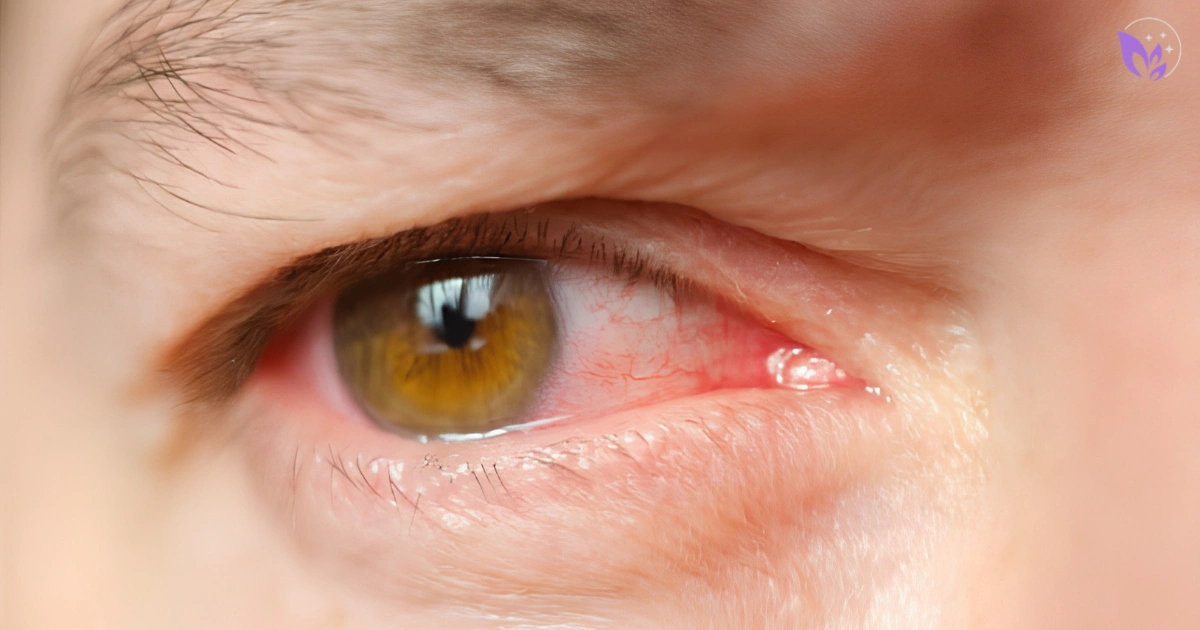
Yes, but it is uncommon. Certain ocular parasites can affect the eye and may cause visual disturbances, inflammation, redness, irritation, or vision loss. That does not mean a worm-shaped floater is automatically a parasite.
Some parasitic eye conditions can cause spots, flashes, blurred vision, or inflammation that may be mistaken for ordinary floaters. True eye parasite symptoms are usually part of a wider clinical picture rather than an isolated, stable floater.
For a broader explanation of causes, symptoms, testing, and treatment, read the guide to eye parasites in humans.
A routine floater usually does not cause pain, redness, or swelling. Consider arranging an eye examination if you notice:
These symptoms do not prove that an eye parasite is present. Many eye conditions can cause similar problems, so professional assessment is more reliable than self-diagnosis.
Sudden eye floaters can be more important than long-standing floaters, especially when they appear with flashes of light or changes in the visual field.
Seek urgent eye care if you experience:
These can be warning signs of retinal detachment, which is unrelated to parasites but can threaten sight if treatment is delayed.
Doctors do not diagnose an eye parasite simply because a patient describes a worm-like shape. They consider the full symptom pattern and examine the eye directly.
Evaluation may include a symptom history, visual testing, a dilated eye examination to view the retina and vitreous, and a slit-lamp examination. If you suspect infection or inflammation, you may consider additional tests.
Appearance alone is not enough to diagnose an ocular parasite. A professional examination helps separate a harmless floater from infection, inflammation, retinal problems, or other eye conditions.
Do not place unproven substances, oils, herbs, or so-called parasite-cleansing products directly into the eye. Home treatments can cause irritation, injury, or infection.
If an ocular parasite is genuinely suspected, treatment depends on the specific organism and the part of the eye affected, so proper diagnosis is essential.
For more information on different approaches and important safety considerations, read our guide to eye parasite treatment options.
Most worm-like eye floaters are not parasites. They usually result from changes in the vitreous that create shadows on the retina. True eye parasites are rare and are more likely to cause additional symptoms such as inflammation, pain, redness, or meaningful vision changes.
Do not diagnose an eye parasite based on appearance alone. Have an eye-care professional check persistent unusual symptoms, and treat sudden new floaters with flashes, a shadow, or a curtain-like change in vision as urgent.
No. Most floaters are shadows caused by collagen strands or other changes in the vitreous. They can look like worms, hairs, threads, or cobwebs, but they are not living organisms.
Thin collagen strands can form curved or tangled shapes inside the vitreous. Because they drift after the eye moves, they can look surprisingly similar to a small worm moving across your vision.
Rarely, yes. Some eye parasites can cause inflammation or damage that affects vision, usually alongside other symptoms such as redness, discomfort, inflammation, or reduced sight.
Some rare infections can involve visible organisms, but this is not how ordinary floaters behave. A moving-looking shape in vision is much more commonly a floater, and suspicious symptoms should be assessed clinically.
You cannot reliably diagnose either based only on shape. Long-standing, painless drifting spots or strings are more typical of common floaters, while pain, redness, inflammation, or worsening vision may indicate another condition needing evaluation.
Get urgent help if many new floaters appear suddenly, especially with flashes, a shadow, a curtain-like effect, or sudden vision loss. These symptoms can indicate a retinal tear or retinal detachment.
Disclaimer: This article is for informational purposes only and is not a substitute for professional medical diagnosis, advice, or treatment.


Noor-ul-Ain is a Tech & SEO Content Writer with over 4 years of experience creating search-optimized content for digital platforms. She specializes in SaaS products, AI tools, SEO strategy, and product documentation, helping platforms turn complex features into clear, search-driven growth. Noor-ul-Ain has also written extensively on health science, sports, fitness, fashion, and beauty, focusing on informative and reader-friendly content.
An herbal extract is a concentrated preparation made by removing specific compounds from a plant using extraction methods such as

Have you ever started a normal meal, eaten only a few bites, and suddenly felt like you cannot continue? If

You open your lab report and notice three iron-related results: ferritin, serum iron, and TIBC. Each has its own number,