
G Detox Plus health benefits: parasite cleanse guide
Discover G Detox Plus health benefits for natural parasite cleansing. Learn about pharmaceutical-grade ingredients, proven detox mechanisms, and safe protocols for holistic wellness in 2026.

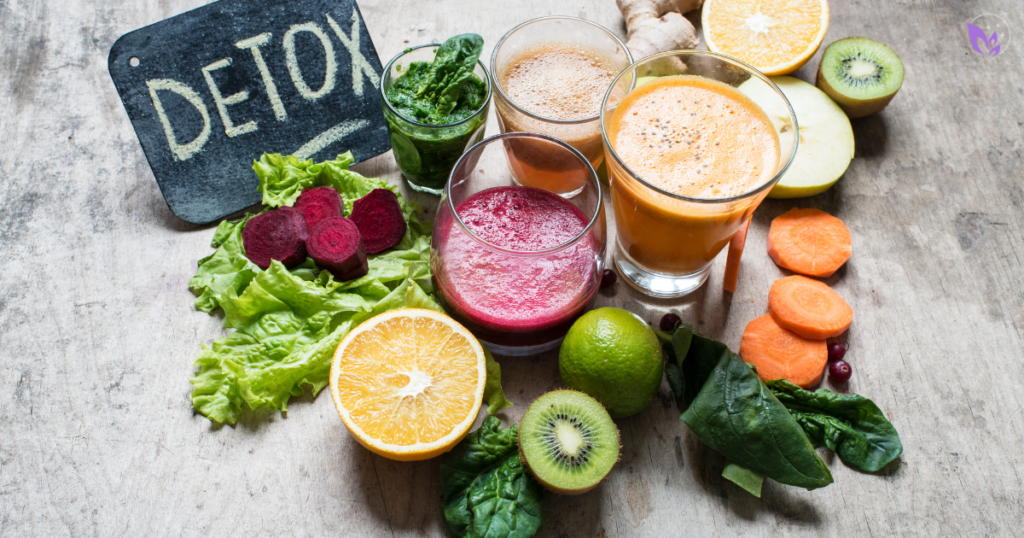
Ads promising to “reset,” “detox,” or “cleanse” your liver are everywhere, especially after holidays, heavy drinking, or a junk food binge. Detox teas, juice cleanses, and liver detox supplements often claim they can flush toxins from your body and quickly restore liver health. But does a liver detox actually work, or is it mostly marketing hype?
In reality, the liver already has a powerful natural detoxification system that works around the clock to filter blood, process nutrients, and remove harmful substances. Because of this built-in detox process, most commercial liver detox programs and cleanses have little scientific evidence supporting their claims.
Understanding how the liver detoxifies the body naturally is essential before trying any detox diet, supplement, or cleanse. In this article, we’ll explore what a liver detox or cleanse really means, whether detox programs actually work, and what lifestyle habits truly help protect and improve long-term liver health.
Most detox programs do not remove toxins or repair liver damage. The liver already detoxifies the body naturally through complex metabolic processes. Long-term habits such as limiting alcohol, maintaining a healthy diet, exercising regularly, and managing body weight are more effective for supporting liver health.
When people talk about “detoxing your liver” or starting a “liver cleanse,” they usually mean a short-term regimen that claims to flush toxins out of the liver and improve overall health. These liver detox programs are heavily marketed online and in wellness stores.
Most liver cleanse, or liver detox programs, fall into a few categories:
Marketing materials typically claim that these products will remove built-up toxins, improve liver function, boost energy, burn fat, clear skin, and even reverse liver damage—often without strong scientific evidence to back them.
To understand whether you need a liver detox, it helps to know how the liver detoxification process actually works. Your liver is already a powerful, built-in detox organ. It works around the clock to filter blood, process nutrients, and neutralize harmful substances.
The liver uses specialized proteins called enzymes to modify and clear out toxins, drugs, alcohol, hormones, and metabolic waste. These enzymes work in two broad phases:
Once processed, the liver removes toxins and waste products in two main ways:
Importantly, this natural liver detoxification process is ongoing. You do not need a special detox program to “turn it on.” What you do need is a generally healthy lifestyle that does not overwhelm the liver with alcohol, excess calories, or harmful substances.

The central question is: do liver detoxes work the way they are advertised? In most cases, the answer is no, at least not in the radical, quick-fix sense that marketing suggests.
Research on commercial liver detox diets and liver cleanse programs is limited and often of low quality. Well-designed clinical trials showing clear benefits in liver function for healthy people are scarce. Key points from available evidence and expert reviews include:
Major liver and nutrition organizations generally state that the liver and kidneys handle detoxification efficiently in healthy individuals, and there is no need for commercial detox diets for routine “cleansing.”
While many detox programs promise quick results, the body already has natural detoxification pathways involving the liver, kidneys, and digestive system. You can learn more about what actually helps the body detox naturally in our detailed guide.
Despite weak scientific backing, detox programs for liver health exploded in popularity for several reasons:
Many people search for a liver detox after alcohol binges or periods of heavy junk food intake, hoping that a short cleanse can repair damage.
According to global public health data, excessive alcohol consumption is one of the leading causes of liver disease worldwide. Health organizations such as the World Health Organization warn that long-term heavy alcohol use significantly increases the risk of liver inflammation, cirrhosis, and liver cancer.
No liver detox drink can immediately reverse moderate or severe alcohol-related liver damage. What matters most is how much and how long you drink and whether you stop or significantly reduce alcohol.
A diet high in sugar, refined carbs, and saturated fat can lead to nonalcoholic fatty liver disease (NAFLD). The encouraging news: in early stages, liver recovery after alcohol reduction or dietary improvement can be substantial.
How long liver recovery takes depends on the extent of damage and your overall health:
No short-term cleanse can substitute for consistent, long-term changes. A 7-day juice cleanse after years of heavy drinking or overeating will not reset your liver, although it may be a psychological starting point for better habits if done safely and realistically.
Many liver detox supplements claim to protect or repair the liver using herbs and nutrients. Common ingredients include milk thistle, turmeric, artichoke, dandelion, and concentrated green tea extract.
Some people also choose supplements designed to support normal liver function. For example, formulas such as TNM Liver Support by Mahoney Inter combine ingredients commonly used to help support the liver’s natural detoxification processes when used alongside a healthy lifestyle.
Milk thistle (silymarin) is one of the most studied herbs for liver conditions. Evidence is mixed:
Turmeric and its active compound, curcumin, have anti-inflammatory and antioxidant properties in lab studies. However, very high-dose turmeric supplements have been associated with rare cases of liver injury. Food-based turmeric use appears safe for most people, but concentrated supplements should be discussed with a healthcare professional.
Detox teas and fat-burning supplements often contain green tea extract (GTE) in high doses. While regular brewed green tea is generally safe and may be beneficial, concentrated GTE has been linked to cases of serious liver injury in some individuals.
More broadly, herbal supplement liver injury is a real concern:
Before taking liver detox supplements or detox teas, particularly if you already have liver disease or take other medications, speak with your doctor or pharmacist.
Understanding why people turn to liver detox after alcohol or unhealthy eating can help you make more informed choices.
Many liver detox programs promise rapid weight loss. While the scale may drop quickly, most of that loss is water and stored carbohydrate, not fat or toxins. Once you resume normal eating, the weight often returns. Sustainable weight loss and liver health require ongoing habits, not repeated short cleanses.
Common marketing claims for liver detox products include:
These claims tap into understandable fears and desires, but they oversimplify liver biology and underplay the importance of consistent, evidence-based lifestyle changes.
Fatty liver is one of the most common liver conditions and a major reason people search for fatty liver detox solutions.
Fatty liver can be broadly divided into:
In both, excess fat accumulates in liver cells. Over time, this can lead to inflammation (steatohepatitis), fibrosis, cirrhosis, and increased liver cancer risk.
There is no magic fatty liver detox drink that reverses the condition, but lifestyle treatment is highly effective:
Medical monitoring is essential. In some cases, medications or clinical trials may be appropriate. A commercial fatty liver detox is not a replacement for this evidence-based management.
A healthy liver often shows no symptoms, even when mildly inflamed. However, certain signs of liver damage or early signs of liver disease should prompt medical evaluation.
Jaundice occurs when bilirubin, a yellow pigment, builds up in the blood due to impaired liver function or bile flow. Yellowing of the skin or whites of the eyes is a red-flag symptom that requires prompt medical assessment.
Chronic fatigue, weakness, and low energy can be symptoms of many conditions, including liver disease. If fatigue is persistent, unexplained, and accompanied by other liver-related symptoms, your doctor may order liver function tests.
Other possible liver failure symptoms or indicators of advanced disease include:
If you experience these, do not attempt to self-treat with a liver detox. Seek professional medical care immediately.
Instead of short-term cleanses, focus on evidence-based strategies that support liver health and function over the long term.
Key dietary principles that help support liver function include:
These patterns align with Mediterranean-style or plant-forward diets, both linked with improved metabolic and liver health.
Regular physical activity improves insulin sensitivity, supports weight management, and directly reduces liver fat. Aim for:
Maintaining a healthy weight is one of the most effective natural ways to improve liver health and reverse early fatty liver. Even a 5% weight loss can have a positive impact, with greater benefits at 7–10% or more, under medical guidance.
Some foods have been studied for potential liver benefits. While none replace medical treatment, they can be part of a liver-friendly eating pattern.
Fruits and vegetables provide antioxidants, fiber, and phytochemicals that may help reduce inflammation and oxidative stress in the body, indirectly supporting liver function. Cruciferous vegetables (like broccoli and Brussels sprouts), leafy greens, and berries are often highlighted in research.
Coffee and liver health have been studied extensively. Observational research suggests that regular coffee consumption (with or without caffeine) is associated with:
The protective mechanisms are still being investigated, but compounds such as chlorogenic acids and antioxidants may play a role. This does not mean you should start drinking large amounts of coffee if you do not tolerate it well, but for many adults, moderate coffee intake appears compatible with liver health.
If you are concerned about a liver disease diagnosis or your overall liver health, do not rely on detox programs alone. Seek medical advice if you:
A healthcare provider can order appropriate blood tests, imaging (such as ultrasound or FibroScan), and, if needed, refer you to a liver specialist (hepatologist).
Commercial liver detoxes and cleanses are appealing but oversimplify a complex organ and a complex set of behaviors. For most people, they are not necessary and are unlikely to deliver the dramatic liver detox results promised. Your liver already detoxifies your body efficiently—if you support it with healthy, sustainable habits.
For long-term liver health, prioritize:
When you shift from short-term liver detox trends to a consistent, healthy liver lifestyle, you give your liver the best chance to function well for life.
No short-term detox can fully repair established liver damage, especially cirrhosis. Early-stage fatty liver and mild inflammation can improve significantly with sustained lifestyle changes—weight loss, alcohol reduction or abstinence, and medical management. Think long-term habits, not quick cleanses.
Detox drinks that include water, citrus, and herbs may be refreshing and increase your fluid intake, which is generally positive. However, they have not been proven to “flush toxins” from the liver or reverse disease. Their main benefit is usually that they replace sugary beverages or alcohol.
Milk thistle may offer modest benefits in some liver conditions, but evidence is mixed, and it is not a cure. It can be considered as a supportive supplement in discussion with your doctor, especially if you have existing liver disease or take other medications.
Your liver is detoxifying constantly. There is no set “liver detox timeline” for healthy individuals. For recovery from fatty liver or alcohol-related damage, improvements can begin within weeks of lifestyle change but may take months to years, depending on severity and consistency of habits.
Yes, in many cases. Early-stage fatty liver (without advanced scarring) can often be reversed or significantly improved with weight loss, a healthier diet, increased physical activity, and management of conditions like diabetes. Advanced fibrosis and cirrhosis are harder to reverse, making early intervention crucial.

Noor-ul-Ain is a Tech & SEO Content Writer with over 4 years of experience creating search-optimized content for digital platforms. She specializes in SaaS products, AI tools, SEO strategy, and product documentation, helping platforms turn complex features into clear, search-driven growth. Noor-ul-Ain has also written extensively on health science, sports, fitness, fashion, and beauty, focusing on informative and reader-friendly content.
Discover G Detox Plus health benefits for natural parasite cleansing. Learn about pharmaceutical-grade ingredients, proven detox mechanisms, and safe protocols for holistic wellness in 2026.

Discover the best herbal detox supplements for 2026 with expert guidance on safe parasite cleansing and liver support. Compare top products, formulations, and quality markers.
Mahoney Supplements has gained increasing attention among health and wellness enthusiasts in recent years. As the brand becomes more visible