
Probiotics vs Prebiotics: What’s the Difference and How Do They Support Gut Health?
Probiotics and prebiotics are often mentioned together, but they aren’t the same. Understanding the difference between probiotics and prebiotics can

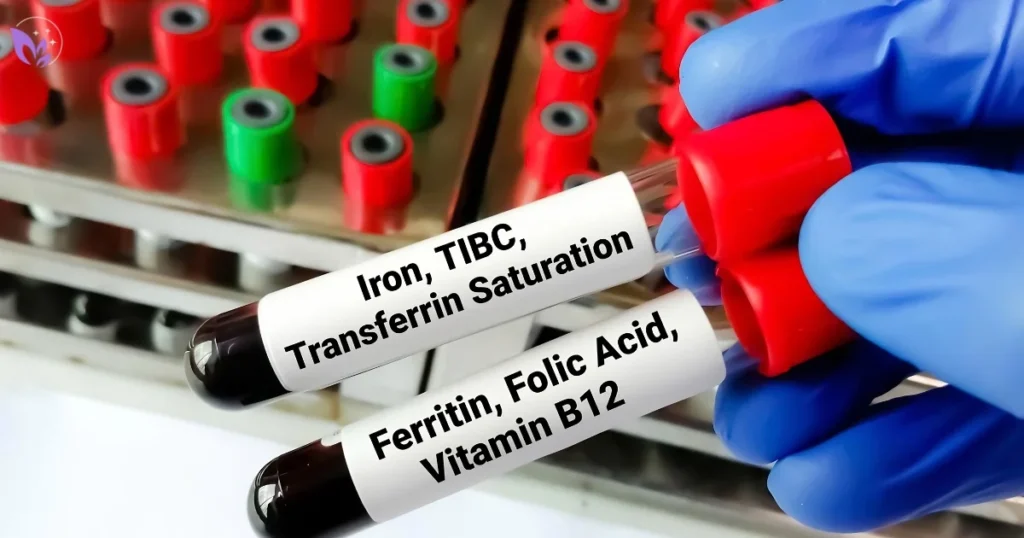
You open your lab report and notice three iron-related results: ferritin, serum iron, and TIBC. Each has its own number, reference range, and purpose. It is common to wonder why understanding iron levels requires more than one blood test.
The reason is simple: a single number doesn’t capture iron status. Different tests evaluate different aspects of how your body stores, transports, and uses iron. Ferritin reflects your stored iron reserves, serum iron measures the iron currently circulating in your bloodstream, and TIBC shows your blood’s capacity to carry iron.
Understanding the difference between ferritin, serum iron, and TIBC can help you better understand your laboratory results and have more informed discussions with your healthcare provider.
Iron is an essential mineral that supports several important bodily functions. Its most recognized role is helping red blood cells transport oxygen from the lungs to tissues throughout the body.
Iron also contributes to normal energy production, which is why changes in iron status are sometimes discussed alongside symptoms such as tiredness, low energy, or difficulty concentrating.
When someone searches for “what blood test shows iron levels”, the answer is usually not a single test. Healthcare professionals often evaluate multiple markers together because each one provides different information about iron balance.
These measurements are commonly included in an iron panel test, which may include ferritin, serum iron, TIBC, and related markers.
Remember that symptoms like fatigue or weakness can have many possible causes. Blood tests provide information, but you should always interpret results in the context of your overall health.
Iron blood tests can measure different aspects of iron status, including blood iron levels and stored iron. Iron blood tests include serum iron, transferrin, TIBC, and ferritin.
Ferritin is a protein that stores iron inside the body and releases it when needed. It estimates how much iron your body has stored in reserve.
Think of ferritin as a storage container. It represents the amount of iron saved for future use, not the amount currently circulating in your blood.
A ferritin test measures the amount of ferritin in your blood and is commonly used to indicate stored iron levels.
Unlike serum iron, which can change throughout the day, ferritin reflects longer-term iron storage.
A lower ferritin result may indicate reduced iron stores and may lead healthcare professionals to evaluate other iron markers.
However, ferritin is only one piece of the picture. Healthcare professionals usually interpret it alongside other results rather than on its own.
A serum iron test measures the amount of iron circulating in your bloodstream at the time of testing.
If ferritin represents your iron storage, serum iron represents the iron currently available in circulation.
Serum iron can naturally fluctuate because of factors such as:
Because serum iron represents a snapshot of circulating iron at a specific moment, it is generally interpreted alongside ferritin and other markers.
This is why searching for ferritin vs. iron can sometimes be confusing. They are related measurements, but they answer different questions.
TIBC stands for total iron-binding capacity. It measures how much capacity your blood has to transport iron.
Iron travels through the bloodstream attached to a transport protein called transferrin. TIBC shows how much iron-binding capacity is available.
A simple comparison:
Understanding what TIBC means on a blood test helps explain how your body moves iron through the bloodstream.
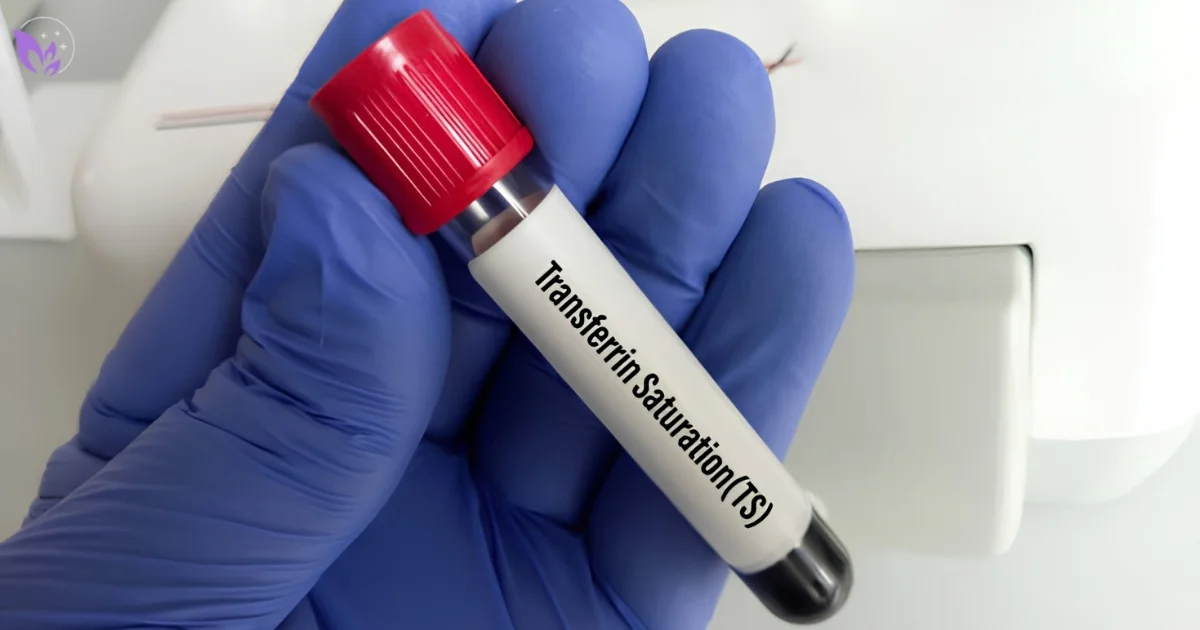
Transferrin saturation, often called TSAT, is another measurement used when evaluating iron status.
TSAT represents the percentage of transferrin that is carrying iron.
It is calculated using serum iron and TIBC values and provides additional context about how much available iron is attached to transport proteins.
Because iron metabolism involves storage, circulation, and transportation, healthcare professionals often look at multiple markers together rather than relying on one result.
The easiest way to understand these tests is to compare what each one measures.
| Test | What It Measures | What It Shows |
| Ferritin | Stored iron | Your body’s iron reserves |
| Serum Iron | Iron circulating in blood | Current circulating iron level |
| TIBC | Iron-binding capacity | Ability of blood to transport iron |
| Transferrin Saturation (TSAT) | Percentage of transferrin carrying iron | Available iron transport status |
If you are searching “ferritin vs serum iron vs TIBC”, remember that these tests are not competing with each other. Each provides a different view of your body’s iron status.
Many people ask:
“Which blood test measures iron levels most accurately?”
The answer depends on what you need to know.
No single test explains everything about iron status. Instead, healthcare professionals often consider multiple measurements together.
A complete iron panel provides a more detailed picture than looking at only one number.
Minerals play a role in several normal body functions, and individual nutritional needs can vary. Understanding how minerals support overall wellness provides additional context for mineral intake and daily wellness.
One common question is:
“Why is my ferritin low but my iron is normal?”
This can happen because ferritin and serum iron measure different things.
Ferritin reflects stored iron, while serum iron reflects circulating iron at a specific time.
The body works to maintain circulating iron levels, sometimes using stored reserves to help maintain balance.
Factors such as:
can affect results.
A difference between ferritin and serum iron does not automatically tell the full story. Discuss results with a qualified healthcare professional.
Supplements can influence how certain nutrient measurements appear on blood tests.
For example, because serum iron reflects circulating iron at the time of testing, recent supplement use may affect results. Healthcare providers may provide specific instructions before testing depending on the situation.
This is one reason it’s important to understand your nutrient status before making supplement decisions.
Mahoney Inter Supplements supports balanced wellness through healthy nutrition choices and an understanding of how nutrients and minerals contribute to daily health.
Understanding how supplements are made and evaluated can help consumers make informed choices. Supplement quality and testing standards cover ingredient verification, quality control, and manufacturing considerations.

A balanced diet can help provide important nutrients, including iron.
Combining iron-containing foods with vitamin C-rich foods, such as citrus fruits or peppers, is one way people commonly support nutrient absorption through diet.
Overall nutrition works as a combination of different nutrients rather than relying on a single food or supplement.
Nutrient deficiencies can occur when the body does not receive or absorb enough essential vitamins and minerals. Nutrient deficiencies can affect different aspects of health depending on the nutrient involved.
Iron tests can seem confusing because each marker tells a different part of the story. Ferritin reflects iron storage, serum iron reflects circulating iron, and TIBC reflects transport capacity.
Looking at these results together provides a clearer understanding of iron status than focusing on a single number.
This article is for educational purposes only and is not a substitute for personalized medical advice.
No. Ferritin measures stored iron, while serum iron measures the iron circulating in your bloodstream at the time of testing.
Ferritin is commonly used to estimate stored iron levels because it reflects the body’s iron reserves.
Yes. Ferritin and serum iron measure different aspects of iron status, so they do not always change together.
TIBC measures the blood’s ability to bind and transport iron through proteins such as transferrin.
An iron panel combines multiple measurements, such as ferritin, serum iron, and TIBC, to provide a broader view of iron status.
It is generally better to understand your nutrient status and discuss your situation with a healthcare professional before starting supplements.
Disclaimer: This article is for educational purposes only and is not intended to diagnose, treat, or replace professional medical advice. Always consult a qualified healthcare professional regarding your health decisions.


Noor-ul-Ain is a Tech & SEO Content Writer with over 4 years of experience creating search-optimized content for digital platforms. She specializes in SaaS products, AI tools, SEO strategy, and product documentation, helping platforms turn complex features into clear, search-driven growth. Noor-ul-Ain has also written extensively on health science, sports, fitness, fashion, and beauty, focusing on informative and reader-friendly content.
Probiotics and prebiotics are often mentioned together, but they aren’t the same. Understanding the difference between probiotics and prebiotics can

Have you ever noticed that a supplement works very well for one person but produces little noticeable change for another?

Coffee or tea is part of many people’s daily routine, and for many supplement users, mornings are the easiest time