
Can You Take Zinc and Iron Together? Absorption, Timing & Safety
Yes, you can take zinc and iron on the same day. Some multivitamins even contain both. Higher amounts of supplemental

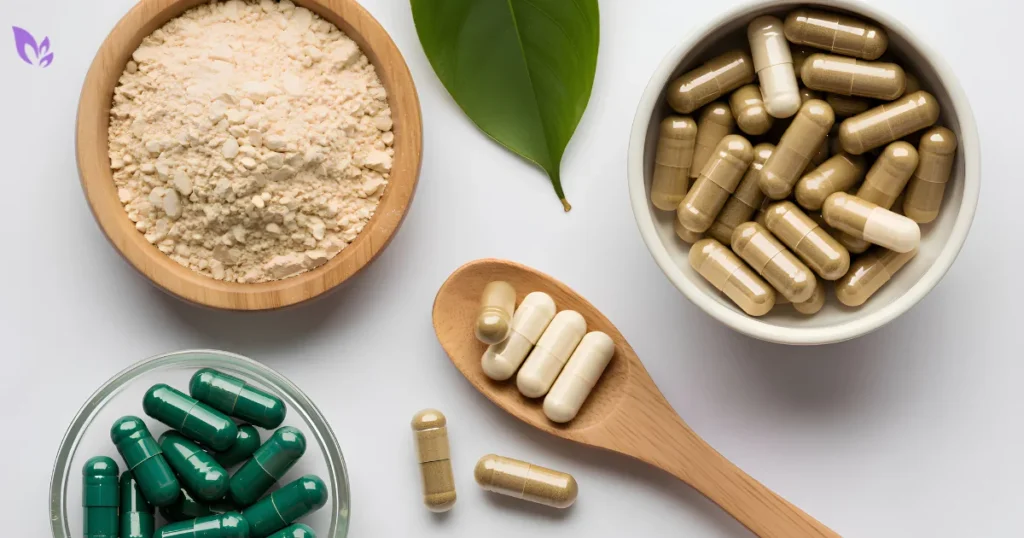
When choosing supplements, most people focus on ingredients, dosage, and promised benefits. However, one important factor is often overlooked: how the supplement is manufactured.
GMP-certified supplements are manufactured according to Good Manufacturing Practices (GMP), quality standards designed to support consistent manufacturing, accurate labeling, proper documentation, and controlled production processes.
A supplement can contain high-quality ingredients, but the manufacturing process behind it also plays an important role in product reliability and consumer confidence.
Understanding GMP certification can help you make more informed decisions when comparing supplement brands and choosing products that follow recognized quality standards.
In this guide, we will explain what GMP means in supplements, why GMP certification matters, how it compares with third-party testing, and what to look for when choosing quality supplements.
GMP stands for Good Manufacturing Practices. In the supplement industry, GMP refers to a set of manufacturing guidelines that help ensure products are consistently produced and controlled according to established quality standards.
GMP focuses on every stage of the supplement manufacturing process, including:
In simple terms, GMP certification is not only about what ingredients are inside a supplement but also about how those ingredients are handled, processed, and tested before reaching consumers.
Two supplements may have similar ingredient lists, but differences in manufacturing standards can affect consistency, transparency, and overall product quality.
Manufacturing standards are an important part of supplement quality. GMP-certified supplements provide consumers with more confidence that products are created using controlled processes.
GMP facilities follow documented procedures to maintain consistency between different production batches.
This means manufacturers have systems in place to monitor:
Consistency is especially important for supplements because consumers expect the same product quality every time they purchase a bottle.
A major part of supplement quality is ensuring that products contain what the label states.
GMP practices help manufacturers establish procedures for:
This supports greater transparency between manufacturers and consumers.
GMP-certified facilities follow processes designed to maintain proper manufacturing conditions.
These practices may include:
Controlled environments help reduce manufacturing errors and improve overall process reliability.
GMP certification covers multiple areas of supplement manufacturing. It is not limited to the final product; it evaluates the systems and procedures used throughout production.
| GMP Area | Why It Matters |
| Raw Materials | Helps verify ingredient identity and quality specifications |
| Supplier Management | Supports ingredient sourcing transparency |
| Manufacturing Process | Ensures standardized production procedures |
| Equipment Maintenance | Helps maintain proper production conditions |
| Documentation | Creates records for tracking and accountability |
| Quality Control | Reviews testing and product consistency |
These guidelines are part of the current good manufacturing practices for dietary supplements that help establish quality control requirements for supplement manufacturing.
These manufacturing practices are considered an important foundation for responsible supplement production.

This is one of the most common questions consumers ask.
The answer depends on what you mean by “better.”
GMP certification means:
However, GMP certification does not automatically mean:
GMP focuses on manufacturing quality, not on making health claims about a product.
Consumers should still evaluate ingredients, dosage information, testing details, and whether a supplement fits their personal needs.
The main difference is the level of documented manufacturing controls.
| GMP Certified Supplements | Products Without GMP Information |
| Follow defined manufacturing procedures | Manufacturing processes may be less transparent |
| Maintain quality documentation | Limited information may be available |
| Use controlled production systems | Quality processes may vary |
| Provide stronger manufacturing transparency | Harder for consumers to evaluate |
It is important to note that the absence of GMP information does not automatically mean a product is poor quality. However, GMP certification can provide an additional level of confidence when comparing supplement options.
“How was the supplement manufactured?”
It focuses on:
Third-party testing answers:
“Does the finished product meet certain quality checks?”
It may evaluate:
A supplement company using both GMP practices and independent testing can provide consumers with additional transparency.
Understanding supplement certification standards can also help consumers evaluate how different quality verification processes work.
GMP certification can be especially important for consumers who prioritize:
When buying supplements online or in stores, understanding manufacturing standards can help you compare products beyond marketing claims.

GMP certification is one factor to consider, but a complete evaluation should include several quality indicators.
Understanding supplement ingredients and quality can help consumers make better decisions when comparing different products and formulas.
Before choosing a supplement, look for:
A quality supplement should clearly list:
Avoid products with unclear ingredient descriptions or unnecessary hidden blends.
Look for brands that provide information about:
Transparency helps consumers understand how products are produced.
A reliable supplement should clearly explain:
This allows consumers to make better decisions.
Where available, testing information can provide additional confidence about product standards and quality verification.
Before purchasing any supplement, consider asking:
Transparent labels make it easier to understand what you are purchasing.
GMP certification can indicate that quality procedures are part of the manufacturing process.
Reliable companies usually provide clear details about ingredients, usage, and quality practices.
Additional testing information can help consumers evaluate supplement quality.
Supplement purchasing is ultimately built on trust.
Consumers want confidence that:
Choosing quality wellness supplements from transparent companies can make it easier to evaluate ingredients, manufacturing practices, and overall product information.
At Mahoney Inter, transparency and quality-focused supplement practices are important parts of building customer confidence. Understanding standards such as GMP helps consumers make more informed choices when evaluating supplement products.
GMP certified means a supplement is manufactured according to Good Manufacturing Practices that focus on quality control, documentation, production procedures, and consistent manufacturing standards.
GMP certification helps support controlled manufacturing processes and quality procedures. However, consumers should still review ingredients, dosage information, and personal suitability before using any supplement.
Supplement manufacturing requirements vary by region, but GMP standards are widely recognized as an important quality benchmark in the supplement industry.
GMP focuses on the manufacturing process, while third-party testing evaluates the finished product through independent verification methods.
No. GMP certification relates to manufacturing practices. The FDA does not approve dietary supplements in the same way prescription medications are.
GMP certification does not guarantee that one supplement will work better than another, but it can provide more confidence in manufacturing consistency, documentation, and quality procedures.
Look for transparent ingredient labels, clear dosage information, GMP manufacturing standards, quality testing information, and a company that provides detailed product information.
Disclaimer: This article is for informational purposes only and is not intended to diagnose, treat, cure, or prevent any medical condition. Always consult a qualified healthcare professional before starting any supplement routine.


Noor-ul-Ain is a Tech & SEO Content Writer with over 4 years of experience creating search-optimized content for digital platforms. She specializes in SaaS products, AI tools, SEO strategy, and product documentation, helping platforms turn complex features into clear, search-driven growth. Noor-ul-Ain has also written extensively on health science, sports, fitness, fashion, and beauty, focusing on informative and reader-friendly content.
Yes, you can take zinc and iron on the same day. Some multivitamins even contain both. Higher amounts of supplemental
Yes, taking too much zinc can cause copper deficiency. High doses of zinc, especially when taken for several weeks, can

Liquid trace minerals are a good choice if you prefer mixing supplements into water or have difficulty swallowing capsules. Capsules