
How Mahoney Supplements Combines Herbs, Vitamins, and Minerals in One Formula
Choosing a supplement today is often more complicated than picking a single nutrient. Many modern formulas combine multiple ingredient categories,

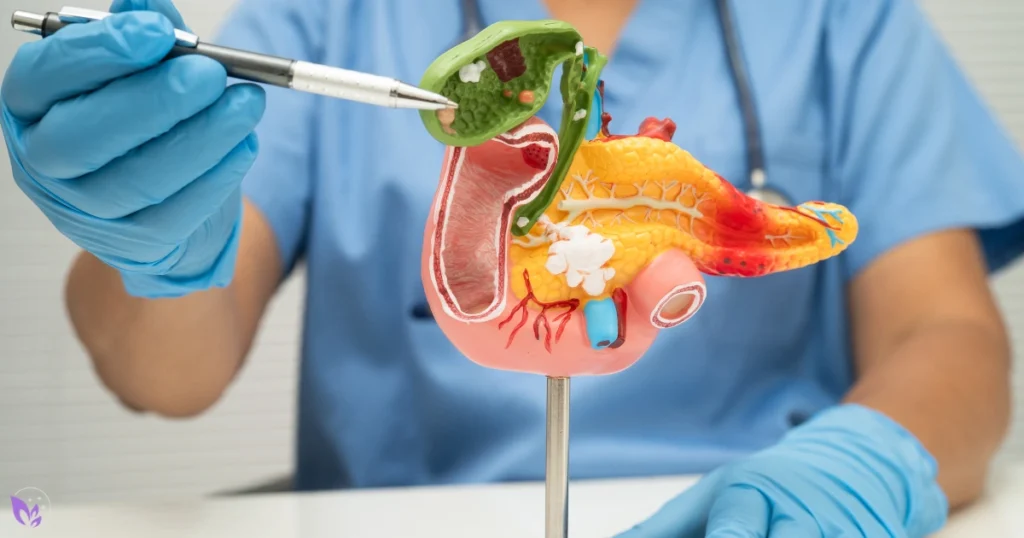
Removing the gallbladder does not stop the liver from making bile, but it changes how bile reaches the digestive tract. Instead of being stored and released in concentrated amounts around meals, bile flows more continuously into the small intestine.
Many people adjust well after surgery, while others experience bloating, loose or greasy stools, or difficulty tolerating high-fat meals. These digestive changes are one reason people begin researching TUDCA after gallbladder removal, ox bile, bile salts, and digestive enzymes.
But having no gallbladder does not automatically mean you need a bile supplement. Whether TUDCA is appropriate depends on your symptoms, overall health, medications, and the reason digestive problems are occurring.
The liver produces bile continuously whether the gallbladder is present or not. Before surgery, the gallbladder stores and concentrates bile, then releases it into the small intestine when it is needed for fat digestion.
After a cholecystectomy, there is no storage reservoir. Instead, bile moves more steadily from the liver into the intestine.
Many people gradually adapt after surgery, although the timing and severity of digestive changes vary. Larger or high-fat meals may be more difficult for some people to tolerate because concentrated bile is no longer released in the same meal-timed way.
Common digestive changes after gallbladder removal can include gas, bloating, loose stools, and changes in how fatty foods are tolerated.
Understanding this change is important before assuming that digestive symptoms automatically mean poor or inadequate bile flow after gallbladder removal.
TUDCA stands for tauroursodeoxycholic acid. It is a hydrophilic bile acid naturally present in the human bile-acid pool in small amounts.
TUDCA has been studied for its relationship with bile composition, bile flow, and liver-cell function. This is why TUDCA for bile flow and liver support is frequently discussed in supplement research.
However, TUDCA should not be confused with prescription treatment for a diagnosed liver or biliary disease. Over-the-counter TUDCA supplements are generally discussed as nutritional or bile-support products rather than treatments for specific medical conditions.
People comparing different liver-support ingredients can also read our guide to TUDCA vs Milk Thistle for a clearer explanation of how these compounds differ.
Yes, TUDCA use is not dependent on having a gallbladder because the liver produces bile. The gallbladder primarily stores and concentrates bile rather than producing it.
That means someone researching TUDCA without a gallbladder or TUDCA after gallbladder surgery should first understand that gallbladder removal does not eliminate bile production.
However, this does not mean TUDCA is necessary or suitable for every person after cholecystectomy.
Some people experience no ongoing digestive problems after recovery. Others have symptoms caused by changes in bile delivery, while certain symptoms may have entirely different causes.
Persistent digestive issues should therefore be evaluated rather than automatically treated as a lack of bile.
Several proposed reasons explain why TUDCA comes up in discussions about supplements after gallbladder removal.
TUDCA is involved in the bile-acid pool and has been studied in relation to bile composition and flow. This makes it relevant to people researching ways to support normal biliary function after surgery.
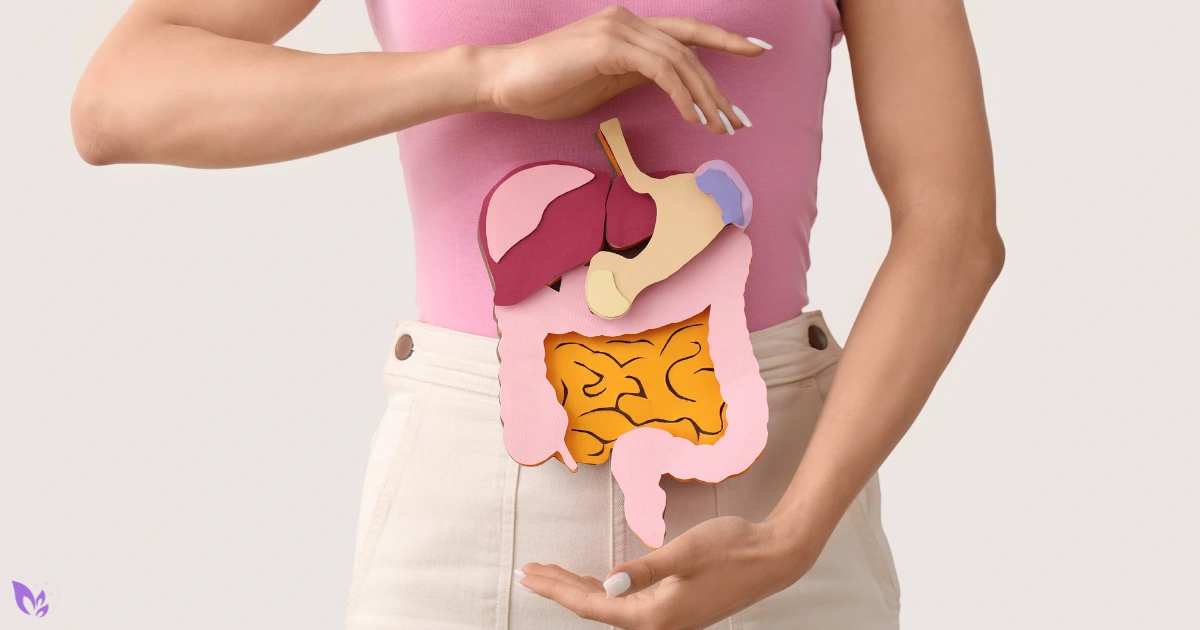
Bile helps emulsify dietary fat so that digestive enzymes can process it more efficiently. Since gallbladder removal changes when and how concentrated bile reaches the intestine, some people investigate TUDCA for fat digestion as part of a broader digestive-support strategy.
TUDCA itself, however, should not be viewed as a substitute for diagnosing persistent fat-malabsorption symptoms.
Because the liver continues producing bile after surgery, supporting normal liver and biliary function remains relevant even when the gallbladder is no longer present.
There is some direct research examining TUDCA after cholecystectomy, although the evidence base is limited.
An older controlled clinical study involved 203 patients after gallbladder removal. Researchers compared 101 patients receiving TUDCA with 102 untreated controls. The TUDCA group showed a greater improvement in dyspeptic symptoms at the one-month follow-up, but the difference was no longer significant at the later two- and three-month assessments.
This clinical research on TUDCA after cholecystectomy is relevant because it directly studied people who had undergone gallbladder removal.
However, one older study is not enough to establish that everyone without a gallbladder will benefit from TUDCA. The available evidence supports keeping claims measured rather than treating TUDCA as a universally necessary post-surgery supplement.
TUDCA vs ox bile is one of the most important comparisons for people researching bile support after gallbladder surgery. Although both relate to bile, they are not the same product and should not be treated as interchangeable.
| Factor | TUDCA | Ox Bile |
| Type | Specific bile acid | Bile-derived supplement |
| Common focus | Bile composition and support | Supplemental bile for digestion |
| Typical discussion | Liver and biliary support | Meal-time fat digestion |
| Gallbladder required? | No | No |
| Better option? | Depends on individual need | Depends on individual need |
Ox bile is generally discussed as a source of supplemental bile components around meals, particularly for fat digestion.
TUDCA is more commonly researched for bile-acid composition, biliary function, and liver support.
Therefore, asking whether TUDCA or ox bile after gallbladder removal is “better” oversimplifies the issue. The appropriate approach depends on why symptoms are occurring in the first place.
Not necessarily.
This is an important point because digestive symptoms after surgery do not automatically mean the body is producing too little bile.
Some people may struggle with fatty meals because bile is no longer stored and released in a concentrated burst. But others can experience the opposite problem: more bile acids may reach the colon, where they can draw in fluid and contribute to loose or watery stools.
This is often discussed as bile acid diarrhea after gallbladder removal.
Therefore, diarrhea should not automatically be interpreted as a sign that additional bile acids are needed. In someone already experiencing bile-related diarrhea, adding bile-support supplements without understanding the cause could potentially worsen digestive symptoms.
Persistent diarrhea or significant changes in digestion after gallbladder removal deserve proper medical evaluation.
TUDCA is a bile-acid-related compound associated with the bile-acid pool and biliary function.
Digestive enzymes directly help break nutrients into smaller components. For example:
This distinction is important when comparing TUDCA with digestive enzymes after gallbladder removal.
Someone interested in the broader relationship between bile and digestion can also learn more about healthy bile flow.
TUDCA can cause digestive side effects in some people, including loose stools and gastrointestinal discomfort.
This deserves particular attention after gallbladder removal because some people already experience diarrhea related to altered bile-acid delivery.
Anyone taking medications, managing an existing liver or biliary condition, or who is pregnant or breastfeeding should discuss TUDCA with an appropriate healthcare professional before using it.
Individual tolerance also varies, so the fact that TUDCA is available as a supplement does not mean it is automatically suitable for every person.

Digestive changes can occur following gallbladder surgery, but persistent or severe symptoms should not simply be managed with supplements.
Seek medical advice if symptoms include:
Ongoing symptoms may have several possible causes, and determining the cause is more useful than assuming the problem is insufficient bile.
You can have normal bile production without a gallbladder because the liver continues making bile after surgery. What changes is how that bile is stored and delivered to the intestine.
TUDCA after gallbladder removal may be considered in discussions about bile composition, biliary function, and liver support, and limited clinical research has examined its post-cholecystectomy use.
However, TUDCA, ox bile, and digestive enzymes serve different purposes, and none is automatically required after surgery. Digestive symptoms—especially persistent diarrhea—should be understood before adding bile-related supplements.
Yes. TUDCA does not require a gallbladder because the liver produces bile acids. However, whether TUDCA is appropriate depends on your symptoms, medications, and underlying digestive or liver conditions.
TUDCA has been studied in people after cholecystectomy and may be considered for bile and liver support. However, evidence is limited, and many people adjust normally after surgery without requiring TUDCA.
Neither is universally better. TUDCA is generally associated with bile-acid composition and liver support, while ox bile is more commonly used as supplemental bile to support digestion around meals.
Not everyone does. The liver continues making bile after gallbladder removal, and many people digest food normally once they have adjusted to the change in bile delivery.
TUDCA can cause loose stools or digestive discomfort in some people. This is especially relevant after gallbladder removal because altered bile-acid delivery can already contribute to diarrhea in certain individuals.
Yes. The liver continues producing bile normally. The main change is that bile can no longer be stored and concentrated in the gallbladder before being released around meals.
Disclaimer: This article is for informational purposes only and is not intended to diagnose, treat, cure, or prevent any medical condition; always consult a qualified healthcare professional before using TUDCA or any supplement.


Noor-ul-Ain is a Tech & SEO Content Writer with over 4 years of experience creating search-optimized content for digital platforms. She specializes in SaaS products, AI tools, SEO strategy, and product documentation, helping platforms turn complex features into clear, search-driven growth. Noor-ul-Ain has also written extensively on health science, sports, fitness, fashion, and beauty, focusing on informative and reader-friendly content.
Choosing a supplement today is often more complicated than picking a single nutrient. Many modern formulas combine multiple ingredient categories,

Stress and gut health are closely connected. While stress is often considered something that affects the mind, it can also

Your gut is home to a complex community of microorganisms that quietly influence many aspects of your health. Trillions of