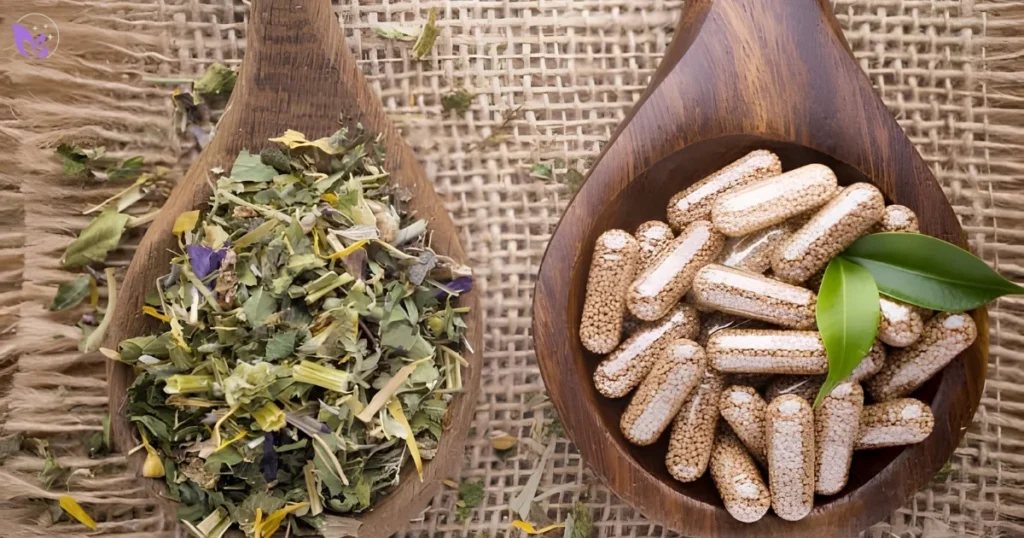
What Are Herbal Supplements? How Plant-Based Ingredients Become Wellness Products
Herbal supplements have become a common part of many wellness routines, but terms like botanical ingredients, plant-based formulas, herbal extracts,


Adaptogens have become a popular term in the wellness industry, appearing on supplement labels, herbal formulas, and plant-based products. Words like adaptogen, botanical ingredients, herbal extracts, and plant-based formulas are now common, but many consumers still don’t fully understand what they mean.
Understanding what adaptogens are, where adaptogenic ingredients come from, and how they are used in supplements can help people better evaluate ingredient labels and understand the differences between various botanical products.
Unlike a single ingredient, adaptogens are a category of plant-based and fungi-derived ingredients used in traditional wellness practices and modern supplement formulations. Brands such as Mahoney Inter focus on ingredient-focused wellness formulations, where understanding botanical sources can help consumers make more informed supplement choices.
This article explains adaptogens, adaptogenic herbs, plant-based sources, supplement formats, and what to look for when reading adaptogen supplement labels.
Adaptogens are a term commonly used for certain plants and fungi that are discussed in wellness and supplement contexts. The concept has been associated with botanical ingredients traditionally used in different cultures and later explored through scientific research.
Adaptogen is not a specific supplement category or a guarantee of a particular result. Instead, it is a descriptive term used to group certain botanical ingredients based on their traditional use and research interest.
For consumers, understanding this distinction is important. Seeing the word “adaptogenic” on a label does not automatically explain the ingredient’s quality, concentration, or purpose. It simply identifies the type of botanical ingredient included in a formula.
Adaptogens have a long history in botanical research, and researchers have examined how these plant-based ingredients have been used over time.
Adaptogenic ingredients are sourced from different parts of plants and, in some cases, fungi. Different plant parts may contain different naturally occurring compounds, which is why manufacturers often specify the source material used in a supplement.
Roots are among the most commonly discussed sources of adaptogenic herbs.
Examples include:
Roots are often selected in botanical formulations because they contain naturally occurring plant compounds that contribute to the ingredient profile.
Leaves represent another source of plant-based ingredients.
Different plants store different compounds throughout their structures, so that leaf-based ingredients may have different characteristics than root-based ingredients.
Some adaptogenic plants are sourced from berries and fruits.
These ingredients add another category of botanical sources used in wellness formulations.
Some fungi are commonly discussed alongside adaptogenic ingredients. Although mushrooms are not plants, people often include them in conversations about botanical-style wellness products because of their traditional use and presence in supplement formulations.
Understanding plant sources and ingredient selection can also help readers explore how formulas such as Paragon Cleanse ingredients combine different botanical components within a wellness product.
Many adaptogenic herbs appear repeatedly in educational resources and supplement discussions. Each ingredient has its own botanical background, preparation methods, and history of use.
Ashwagandha is a root-based botanical ingredient commonly included in adaptogenic supplement discussions. It has a long history of traditional use and is one of the most recognized plant ingredients in this category.
Rhodiola is a plant-based ingredient traditionally associated with cold-region environments. It is commonly found in herbal formulas and adaptogenic blends.
Ginseng is one of the most well-known botanical ingredients worldwide. Different types of ginseng have been used historically in various herbal traditions.
Also known as tulsi, holy basil is another plant ingredient frequently discussed within herbal and adaptogenic categories.
Each ingredient has unique characteristics. They should not be considered identical simply because they fall under the same category.

Not every herb is considered an adaptogen.
A herb is a broad term used for plant materials included in foods, traditional practices, or supplement formulations.
An adaptogen is a more specific category used for certain plants and fungi discussed within wellness and research contexts.
For example:
Understanding this difference helps consumers avoid assuming all herbal ingredients work the same way or fall into the same category.
If you want to build a stronger foundation about plant-based supplements before exploring adaptogens, our guide on What Are Herbal Supplements? provides more information on herbs, extracts, and botanical ingredients.
Adaptogenic ingredients can appear in different supplement formats depending on the formulation approach.
Capsules are one of the most common supplement formats because they provide a convenient and measured serving.
Powdered adaptogenic ingredients are often used in blends that can be mixed into beverages or foods.
Liquid extracts are concentrated botanical preparations created through processing methods that separate certain plant compounds.
Some formulas combine multiple botanical ingredients to create broader ingredient profiles.
The same botanical ingredient may appear differently depending on whether it is used as a whole herb, powder, or extract.
Understanding the difference between whole herbs and extracts is important when comparing supplement labels.
Whole herbs use dried or powdered plant material closer to its original form.
Examples:
Extracts are concentrated forms created through additional processing.
Manufacturers may use extracts because they can provide:
Neither whole herbs nor extracts are automatically better. They are simply different approaches used when creating wellness products.
Mahoney Supplements focuses on ingredient transparency and botanical wellness formulas. While adaptogens represent one category of plant-based ingredients used in the wellness industry, different supplement formulas may include a variety of botanical ingredients, nutrients, and other compounds based on their specific design.
When creating supplement formulas, manufacturers may consider factors such as:
Understanding these factors helps consumers look beyond marketing terms and focus on each supplement’s ingredients, formulation, and purpose.
Reading labels carefully is one of the best ways to understand adaptogenic ingredients.
Look for the specific botanical ingredient listed on the label.
Examples:
A label may specify whether the ingredient comes from:
Some labels provide information about:
Check:
Understanding ingredient names, serving sizes, and label details helps consumers make informed decisions when comparing different dietary supplements.

Adaptogenic and herbal ingredients are usually considered one part of a broader wellness routine that may include balanced nutrition, physical activity, hydration, and healthy lifestyle habits.
Understanding botanical ingredients helps consumers evaluate Mahoney Inter products and understand how different formulas are created.
Rather than focusing on a single ingredient name, looking at the full formulation, ingredient transparency, and product information gives a clearer picture of what a supplement contains.
Adaptogens are a term used for certain plants and fungi discussed in wellness and supplement contexts.
Many adaptogens are herbs, but not every herb is considered an adaptogen.
Commonly discussed adaptogenic plants include ashwagandha, rhodiola, ginseng, and holy basil.
Adaptogens can be included in capsules, powders, liquid extracts, and herbal blends.
Review the ingredient name, plant part used, extract details, serving information, and overall product transparency.
Disclaimer: This article is for educational purposes only and is not intended to diagnose, treat, cure, or prevent any disease. Always consult a qualified healthcare professional before changing your wellness routine.


Noor-ul-Ain is a Tech & SEO Content Writer with over 4 years of experience creating search-optimized content for digital platforms. She specializes in SaaS products, AI tools, SEO strategy, and product documentation, helping platforms turn complex features into clear, search-driven growth. Noor-ul-Ain has also written extensively on health science, sports, fitness, fashion, and beauty, focusing on informative and reader-friendly content.
Herbal supplements have become a common part of many wellness routines, but terms like botanical ingredients, plant-based formulas, herbal extracts,

If you’ve spent any time browsing wellness supplements online, you’ve probably come across names like Paragon, TNM, and TRACE without

Choosing a supplement today is often more complicated than picking a single nutrient. Many modern formulas combine multiple ingredient categories,