TNM Liver Support Ingredients Explained: Formula Breakdown, Benefits & Key Nutrients
When choosing a liver support supplement, the ingredient panel often tells you more than the front label. Understanding why each

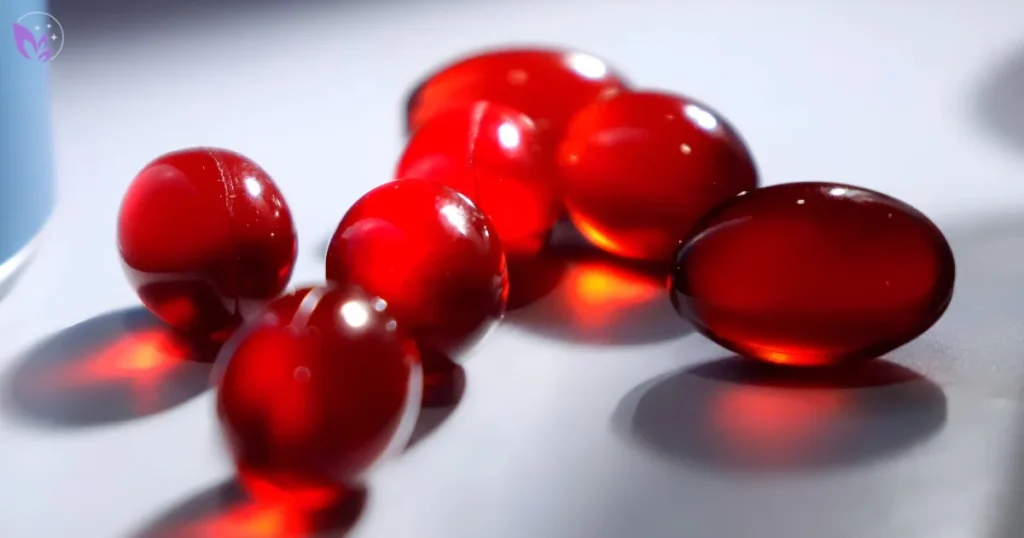
Astaxanthin has gone from a little-known marine pigment to a familiar name in supplement discussions. But what exactly is it, where does it come from, and do the benefits match the attention it receives? This guide explains what astaxanthin is, its food sources, potential benefits, current research,h and safety.
Astaxanthin is a red-orange pigment in the xanthophyll group of carotenoids. It occurs naturally in certain microalgae and aquatic animals and contributes to the pink-red color of salmon, trout, shrimp, mp and some other seafood.
Astaxanthin is best known for its antioxidant activity. It is a carotenoid, not a vitamin, and it has no provitamin A activity in humans. Antioxidant activity also does not automatically mean that taking astaxanthin prevents or treats disease.
The natural pathway often begins with microalgae. Astaxanthin can move through aquatic food chains as smaller organisms consume algae and larger animals consume them. This helps explain its presence in krill, shrimp, salmon, trout, crab, and lobster.
The microalga Haematococcus pluvialis is an important natural source of astaxanthin for human supplements. Commercial products may also use synthetic production, and the forms can differ in stereoisomer composition.
Oxidative stress occurs when the body produces reactive oxygen species faster than it can control them. Normal metabolism can generate these molecules, while intense exercise and environmental stress can also influence oxidative balance.
Astaxanthin is a fat-soluble carotenoid with antioxidant properties that researchers are still investigating. Its absorption may depend on the formulation and whether you take it with dietary fat. Taking it with a meal may be practical, and Empty Stomach vs With Food: How to Take Supplements for Better Absorption explains how food and supplement timing can affect absorption and digestive tolerance. Research on astaxanthin bioavailability also suggests that lipid-based formulations can affect how well the compound is absorbed.
Still, it is too simplistic to say astaxanthin “neutralizes all free radicals.” Changes in an oxidative-stress marker do not prove a long-term health benefit.
Research into astaxanthin benefits is growing, but evidence differs by outcome. A 2026 systematic review included 15 human studies and examined oxidative stress, inflammation, and metabolic outcomes. The authors reported promising findings while emphasizing the need for better-designed clinical trials.
Skin health is one of the better-studied areas. A systematic review and meta-analysis found significant improvements in skin moisture and elasticity with oral astaxanthin. Still, the pooled analysis did not find a statistically significant reduction in wrinkle depth. Available studies were also often small.
So, astaxanthin for skin may be promising, but it should not be presented as a wrinkle remover, anti-aging cure, or replacement for sunscreen.
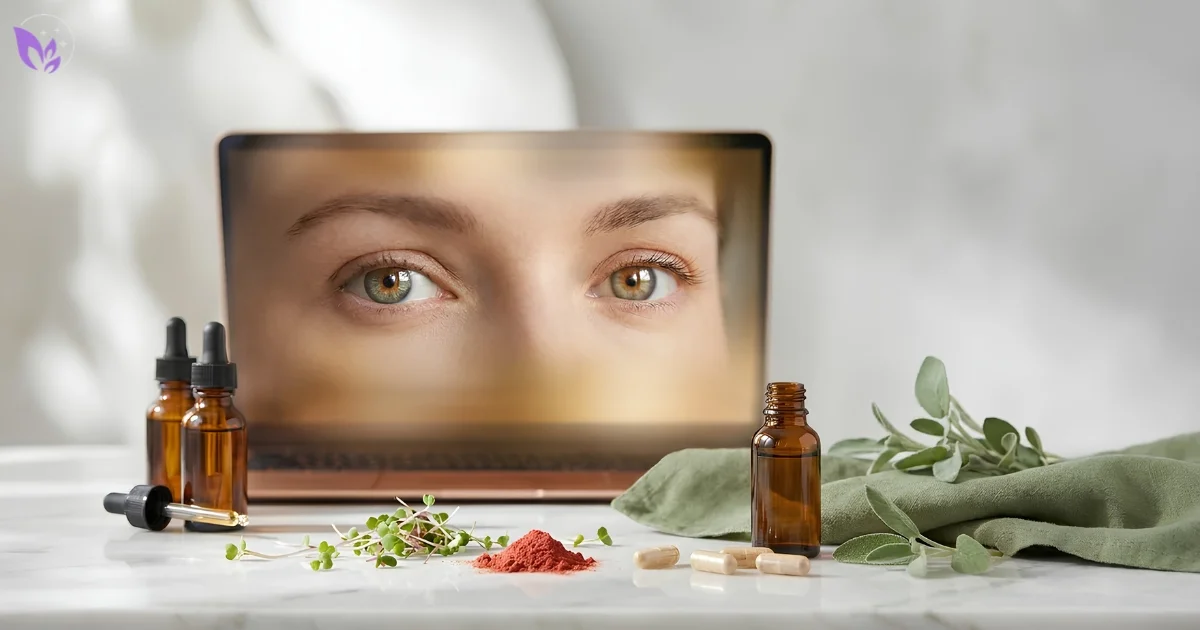
Researchers have studied astaxanthin for eye comfort, visual fatigue, and measures related to prolonged screen use. Some randomized studies report improvements in selected outcomes, although some tested astaxanthin with other carotenoids or ingredients.
The evidence does not establish astaxanthin as a treatment for poor eyesight, dry-eye disease, or other eye conditions.
Researchers are studying astaxanthin’s effects on cholesterol, triglycerides, glucose regulation, and endothelial function. A 2026 meta-analysis of nine randomized controlled trials involving people with prediabetes or type 2 diabetes found improvements in several glucose and lipid measures, but not in HOMA-IR, body weight, or BMI.
These findings are interesting, but astaxanthin is not a diabetes treatment or a substitute for prescribed care.
A 2026 systematic review and meta-analysis of 24 randomized controlled trials found that astaxanthin reduced creatine kinase and lactate dehydrogenase, biomarkers associated with muscle damage or recovery. It did not significantly improve VO₂max, time-trial performance, or maximal workload or power.
The evidence suggests that astaxanthin may offer more potential for exercise recovery than for directly improving athletic performance. Recent research on astaxanthin and exercise recovery examines its potential effects in this area.
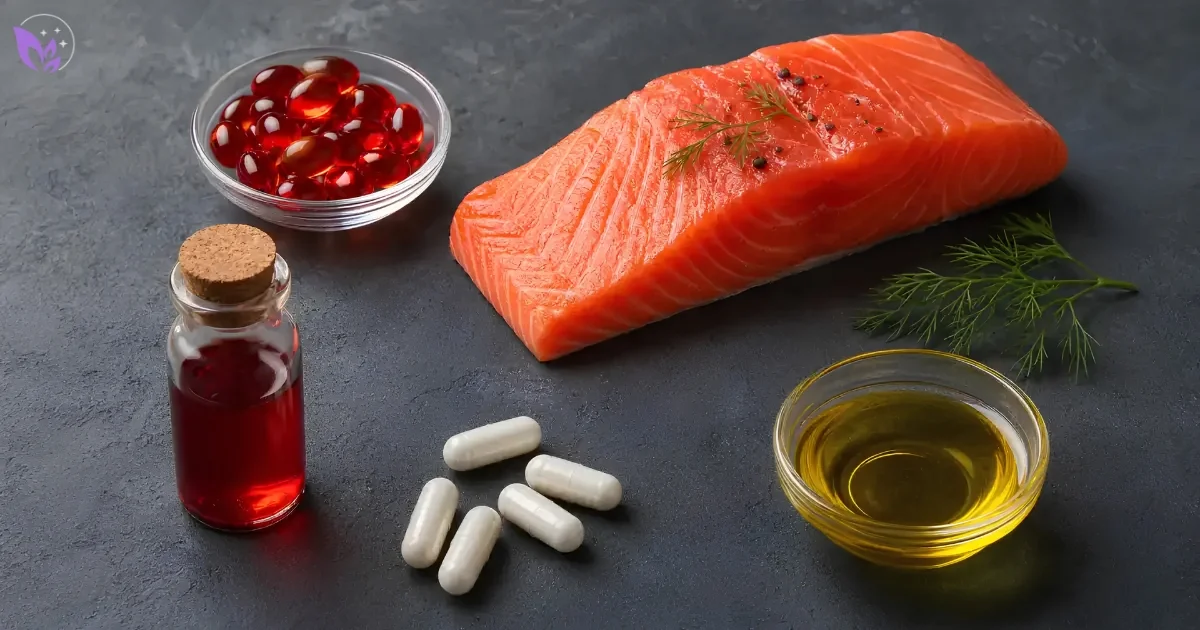
The main dietary sources of astaxanthin are aquatic foods. Amounts vary by species, diet, farming or environmental conditions, and preparation.
| Food/source | Astaxanthin connection |
| Salmon | Natural dietary source |
| Trout | Natural dietary source |
| Shrimp | Natural dietary source |
| Krill | Natural marine source |
| Crab and lobster | Can contain astaxanthin |
| Microalgae | Important natural source for production |
Salmon, trout, shrimp, krill and other crustaceans can provide astaxanthin, while microalgae are especially important for commercial natural production.
Tomatoes, carrots and oranges contain other carotenoids, but they are not meaningful dietary sources of astaxanthin.
Natural and synthetic astaxanthin can differ in source and stereoisomer composition. That does not mean synthetic astaxanthin is automatically dangerous. A more useful approach is to check the source, formulation, amount per serving,g and product information.
Human safety research is more extensive for natural astaxanthin than for synthetic forms, so don’t treat the evidence as interchangeable.
The answer to “does astaxanthin work?” depends on what you’re measuring.
What looks promising:
What remains uncertain:
Studies can differ in dosage, duration, formulation, and participant characteristics, which may contribute to variations in reported outcomes. These differences help explain why supplement responses vary from person to person.
The 2026 systematic review of human astaxanthin research summarizes broader evidence on astaxanthin in humans and examines current findings across human studies.
Astaxanthin has generally been well tolerated in human studies. A safety review covering 87 human studies found no safety concerns associated with natural astaxanthin supplementation in the studies reviewed, including many studies using 12 mg per day or more. However, this does not establish one universal dose for everyone, and evidence for synthetic astaxanthin is less extensive.
Possible astaxanthin side effects may include mild digestive effects. No single, universally established astaxanthin dosage exists for every purpose. If you take medication, have a medical condition, or are considering long-term supplementation, discuss it with a qualified healthcare professional.
Astaxanthin is a naturally occurring carotenoid with antioxidant and anti-inflammatory properties, supported by a growing body of human research. Its potential benefits are promising in some areas, but the evidence is not strong enough to treat it as a cure-all. Supplements from wellness brands like Mahoney Inter Supplements may also play a supportive role in overall well-being when combined with healthy lifestyle habits. However, food sources, formulation, dosage, evidence quality, and individual response all matter.
No. Astaxanthin is a carotenoid, specifically a xanthophyll carotenoid, and it does not function as a provitamin A source in humans.
Salmon, trout, shrimp, krill, crab, and lobster can contain naturally occurring astaxanthin. Microalgae are also an important natural source.
Some human research suggests that oral astaxanthin may support skin moisture and elasticity, but the evidence isn’t strong enough to call it an anti-aging cure.
Because astaxanthin is fat-soluble, taking it with a meal may support absorption. Product instructions should still be followed.
No single dose fits everyone or every purpose. Human studies have used different amounts, so follow product directions and seek professional advice when appropriate. A safety review found that recommended or approved doses vary across settings, so treat these research ranges as general ranges, not a universal personal recommendation.
Current evidence does not establish astaxanthin as a weight-loss supplement. A 2025 systematic review and meta-analysis of clinical trials found no significant overall improvement in body weight or BMI.
Current evidence does not consistently show a direct performance benefit. Recent research suggests possible effects on some recovery biomarkers, but not on several major performance measures.
Disclaimer: This article is for educational purposes only and is not intended to diagnose, treat, cure, or replace professional medical advice. Always consult a qualified healthcare professional before starting, stopping, or changing a supplement routine.


Noor-ul-Ain is a Tech & SEO Content Writer with over 4 years of experience creating search-optimized content for digital platforms. She specializes in SaaS products, AI tools, SEO strategy, and product documentation, helping platforms turn complex features into clear, search-driven growth. Noor-ul-Ain has also written extensively on health science, sports, fitness, fashion, and beauty, focusing on informative and reader-friendly content.
When choosing a liver support supplement, the ingredient panel often tells you more than the front label. Understanding why each
Collagen is one of the body’s main structural proteins, which is why collagen supplements have become popular for skin, joints,
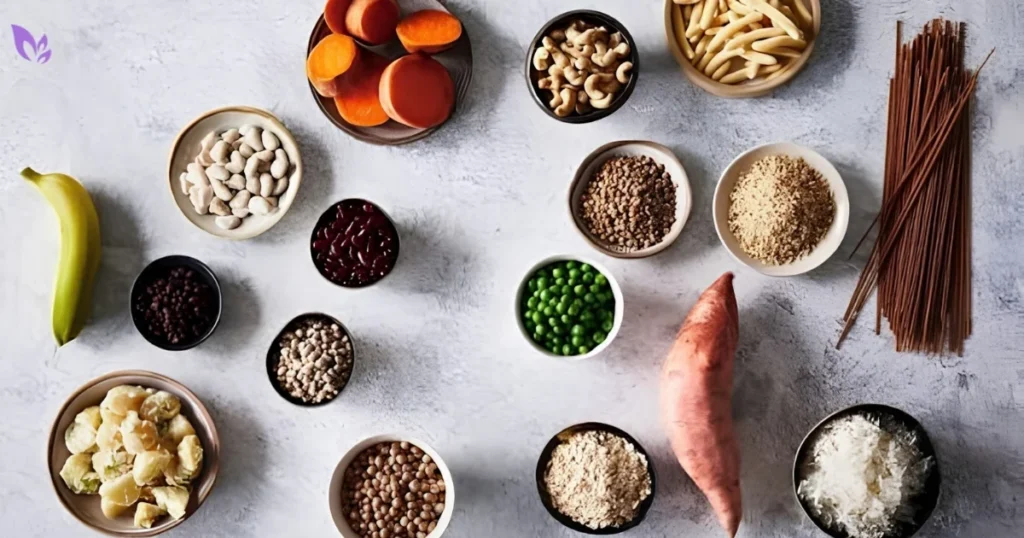
Resistant starch resists digestion in the small intestine and reaches the large intestine, where gut microbes can ferment it. How