
What is a detox program? Clear guide for liver support
Most detox programs flood the market with bold promises to flush toxins and shed pounds overnight. Yet research shows most lack evidence for those claims. This guide cuts through the noise to explain what truly supports your body’s detox systems, focusing on liver function and safe parasite elimination. You’ll discover evidence-based approaches that work with your biology, not against it.
Table of Contents
- Introduction To Detox Programs: Definitions And Core Concepts
- Understanding Liver Detoxification: Physiology And Function
- Parasite Cleansing In Detox Programs: Science And Safety
- Common Misconceptions And Risks Of Detox Programs
- Holistic And Evidence-Based Approaches To Detoxification
- How To Choose And Use Detox Programs Safely
- Conclusion: Integrating Detoxification Into Long-Term Wellness
- Explore Expert Detox Supplements And Guides At Mahoney Inter
- Frequently Asked Questions
Key takeaways
| Point | Details |
|---|---|
| Natural detox systems | Your liver, kidneys, lungs, and skin already detoxify your body effectively when properly supported. |
| Evidence matters | Many commercial detox products lack clinical backing and may pose health risks including organ damage. |
| Parasite cleanses | Herbal cleanses differ dramatically from medical treatments and require professional guidance for safety. |
| Safe approaches | Science-backed detox involves targeted nutrition, quality supplements, and lifestyle habits tailored to you. |
| Professional oversight | Medical monitoring enhances both safety and effectiveness of any detoxification protocol. |
Introduction to detox programs: definitions and core concepts
A detox program aims to support your body’s existing detoxification systems rather than magically extracting toxins through extreme measures. Your body continuously processes and eliminates waste products, environmental chemicals, and metabolic byproducts through sophisticated biological pathways. The confusion arises when marketing claims suggest you need special products to “cleanse” organs that already function optimally when given proper support.
The science tells a different story than most product labels. Commercial detox claims rarely hold up under scrutiny. Your body’s main detox organs work continuously:
- Liver filters blood and metabolizes toxins through enzymatic processes
- Kidneys eliminate waste through urine production
- Lungs expel carbon dioxide and volatile compounds
- Skin releases toxins through sweat glands
Understanding these natural systems helps you recognize when detox protocols make scientific sense versus when they’re simply clever marketing. Health-conscious individuals benefit from supporting these organs through nutrition and lifestyle rather than relying on quick fixes. The role of detoxification centers on maintaining optimal function of existing pathways, not creating new ones through expensive supplements or extreme fasting.
Real detoxification support focuses on removing obstacles that impair natural processes. This includes reducing exposure to environmental toxins, supporting liver enzyme function through specific nutrients, and maintaining proper hydration for kidney function. When you understand this foundation, you can evaluate detox programs with a critical eye and choose approaches backed by physiology rather than hype.
Understanding liver detoxification: physiology and function
Your liver handles detoxification through a two-phase enzymatic system that transforms toxins into water-soluble compounds your body can eliminate. Phase I enzymes, primarily cytochrome P450 family members, add functional groups to toxins through oxidation, reduction, or hydrolysis. This initial transformation often creates reactive intermediates that require immediate processing.

Phase II enzymes then conjugate these intermediates with molecules like glutathione, sulfate, or glucuronic acid. This conjugation makes toxins water-soluble and ready for excretion through bile or urine. The system works continuously, processing everything from alcohol and medications to environmental pollutants and hormones.
Several factors influence how efficiently your liver detoxifies:
- Genetic variations in enzyme production affect individual detox capacity
- Nutrient deficiencies limit enzyme function and conjugation reactions
- Chronic alcohol consumption overwhelms Phase I pathways
- Certain medications compete for the same enzyme systems
- Toxic overload from environmental exposure strains both phases
The detoxification process requires specific micronutrients as cofactors. B vitamins support Phase I reactions, while amino acids like glycine and taurine fuel Phase II conjugation. Antioxidants protect liver cells from damage by reactive intermediates created during Phase I processing.
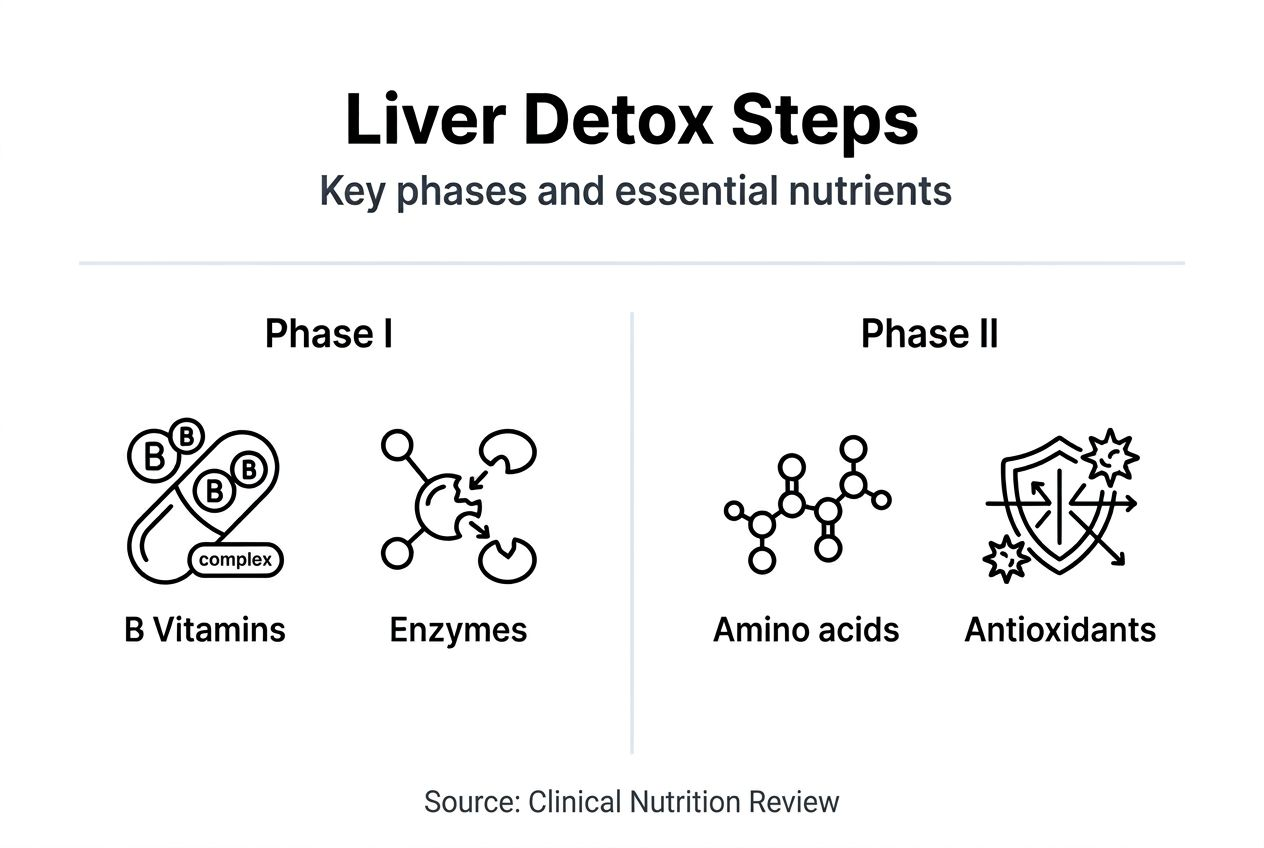
When Phase I operates faster than Phase II, toxic intermediates accumulate and cause cellular damage. This imbalance explains why some people experience negative reactions to detox protocols. Supporting both phases simultaneously through targeted nutrition prevents this bottleneck and enhances overall detoxification efficiency.
Pro Tip: Consuming cruciferous vegetables like broccoli and Brussels sprouts provides sulforaphane compounds that upregulate both Phase I and Phase II enzymes simultaneously.
Parasite cleansing in detox programs: science and safety
Parasite cleanses marketed as herbal remedies differ fundamentally from medically validated treatments for diagnosed parasitic infections. Herbal cleanses lack clinical evidence and can pose unexpected health risks. True parasitic infections require laboratory diagnosis through stool samples, blood tests, or imaging before treatment begins.
Commercial parasite cleanses typically contain herbs like wormwood, black walnut, and clove. These ingredients have traditional use histories but lack FDA approval or rigorous clinical trials demonstrating safety and efficacy. The absence of standardization means ingredient potency varies unpredictably between products.
| Aspect | Herbal Cleanses | Prescription Treatments |
|---|---|---|
| Evidence base | Traditional use, limited studies | Extensive clinical trials |
| Diagnosis required | Self-directed, no testing | Laboratory-confirmed infection |
| Safety monitoring | None | Medical supervision |
| Ingredient consistency | Variable potency | Standardized doses |
| FDA oversight | Supplements, minimal regulation | Full drug approval process |
Potential risks from unsupervised parasite cleanses include:
- Gastrointestinal distress including nausea, diarrhea, and cramping
- Nutrient deficiencies from prolonged restrictive protocols
- Allergic reactions to herbal ingredients
- Drug interactions with prescription medications
- False reassurance delaying proper medical diagnosis
Prescription antiparasitic medications like albendazole or praziquantel target specific organisms identified through diagnostic testing. Medical professionals monitor treatment progress and adjust protocols based on follow-up testing. This systematic approach to parasite removal ensures both effectiveness and safety.
Some individuals pursue preventive parasite cleanses without confirmed infections. This practice lacks scientific justification in developed countries with clean water supplies. The risk-benefit ratio favors medical consultation over self-directed protocols, especially for anyone with underlying health conditions.
Pro Tip: If you suspect a parasitic infection, seek laboratory testing before starting any treatment protocol to avoid ineffective remedies and potential harm.
For those committed to following cleanse instructions, professional guidance remains essential for safety and effectiveness.
Common misconceptions and risks of detox programs
The detox industry thrives on misconceptions that detox diets eliminate all toxins or cure serious diseases. Scientific evidence contradicts these sweeping claims. Your liver and kidneys already remove toxins efficiently when functioning properly. Special diets or supplements cannot enhance this beyond supporting optimal organ function through basic nutrition.
Colon cleanses represent one of the riskiest popular detox practices. Clinical evidence does not support colon irrigation, and the procedure carries significant dangers:
- Electrolyte imbalances from fluid shifts during irrigation
- Intestinal perforation requiring emergency surgery
- Bacterial infections introduced through equipment
- Disruption of beneficial gut microbiome
- Dehydration from excessive fluid loss
“Colon cleanses can cause cramping, bloating, nausea, and vomiting. More serious concerns include infections, electrolyte imbalances, and in rare cases, kidney failure or death.”
Unregulated detox supplements present another hazard. Some products contain undisclosed ingredients or contaminants that cause liver damage. Cases of acute liver injury linked to weight loss and detox supplements appear regularly in medical literature. The lack of pre-market testing for dietary supplements means consumers bear the risk of untested formulations.
Extreme fasting protocols promoted as detox methods can trigger dangerous metabolic changes. Prolonged fasting without medical supervision may cause:
- Muscle protein breakdown for energy
- Electrolyte disturbances affecting heart rhythm
- Blood sugar instability in susceptible individuals
- Nutrient deficiencies impacting immune function
Many people assume detox symptoms like headaches or fatigue indicate toxins leaving the body. These symptoms more likely reflect caffeine withdrawal, low blood sugar, or dehydration from restrictive protocols. The body does not “purge” toxins through dramatic symptoms.
The beginner’s approach to detox should prioritize safety over dramatic results. Gradual dietary improvements and proper hydration support natural detoxification without unnecessary risks. Avoiding unproven extreme methods protects your health while still supporting your body’s natural processes.
Holistic and evidence-based approaches to detoxification
Science-backed detoxification focuses on supporting liver function through nutrition rather than extreme interventions. Your body responds best to consistent, sustainable practices that enhance natural detox pathways. This approach avoids the boom-bust cycle of harsh cleanses followed by normal eating patterns.
Cruciferous vegetables provide sulforaphane and other phytonutrients that activate genes controlling detox enzyme production. Broccoli, cauliflower, Brussels sprouts, and kale contain glucosinolates that convert to these beneficial compounds during digestion. Regular consumption upregulates both Phase I and Phase II liver enzymes simultaneously.
Turmeric’s active compound curcumin demonstrates multiple detox benefits:
- Enhances glutathione production for Phase II conjugation
- Reduces inflammation that impairs liver function
- Protects liver cells from oxidative damage
- Modulates bile production for toxin elimination
Antioxidant-rich foods protect liver cells during detoxification. Berries, leafy greens, and colorful vegetables provide vitamin C, vitamin E, and polyphenols that neutralize reactive oxygen species. These compounds prevent cellular damage from toxin processing.
Individualized detox protocols recognize that genetic variations, health status, and toxic exposures differ between people. Integrative detox approaches assess individual needs rather than applying one-size-fits-all cleanses. Factors to consider include:
- Current medication use and potential interactions
- Existing liver or kidney function
- Nutritional status and deficiencies
- Environmental and occupational exposures
- Genetic polymorphisms affecting detox enzymes
Milk thistle (silymarin) represents one of the few herbal supplements with substantial clinical research supporting liver protection. Studies show it stabilizes liver cell membranes and promotes regeneration of damaged tissue. Quality matters significantly, with standardized extracts providing consistent silymarin content.
Pro Tip: Eating a rainbow of plant foods daily provides diverse phytonutrients that support multiple detox pathways without requiring expensive supplements or restrictive diets.
Avoid long fasts or colon cleanses that stress the body unnecessarily. Gentle, sustained dietary improvements prove more effective for long-term health. Adequate protein intake ensures amino acid availability for Phase II conjugation reactions. Fiber from whole foods supports regular bowel movements that eliminate conjugated toxins.
How to choose and use detox programs safely
Selecting an effective detox program requires evaluating claims against scientific criteria. Start by examining ingredient evidence, checking whether clinical studies support proposed benefits. Pharmaceutical-grade supplements undergo rigorous testing for purity and potency, unlike many commercial products with inconsistent quality.
Key selection criteria include:
- Published research demonstrating ingredient safety and efficacy
- Third-party testing certifications verifying purity and label accuracy
- Transparent disclosure of all ingredients and dosages
- Compatibility with your current medications and health conditions
- Realistic timelines acknowledging that detox support takes weeks, not days
Consult healthcare professionals before beginning parasite treatments or intensive detox protocols. Medical providers can order baseline lab tests measuring liver enzymes, kidney function, and nutrient levels. These markers establish your starting point and allow monitoring of progress or adverse effects.
Implementing a safe detox program follows a systematic approach:
- Schedule a medical consultation to review your health status and goals
- Obtain baseline laboratory testing for liver and kidney function
- Begin with dietary improvements before adding supplements
- Introduce one supplement at a time to identify any reactions
- Monitor symptoms and energy levels throughout the process
- Repeat lab testing after 6 to 8 weeks to assess physiological changes
- Adjust the protocol based on test results and symptom changes
The detox protocol workflow provides detailed guidance for safe implementation. Following structured steps prevents common mistakes like introducing too many changes simultaneously or ignoring warning signs.
Avoid products making exaggerated claims about rapid toxin removal or dramatic weight loss. These red flags indicate marketing hype over scientific substance. Similarly, be wary of protocols requiring expensive proprietary supplements when generic versions of the same compounds exist.
Health monitoring during detox should track specific markers:
- Energy levels and sleep quality throughout the day
- Digestive function including bowel regularity
- Skin changes that might indicate reactions
- Mental clarity and mood stability
If you experience severe fatigue, persistent digestive distress, or new symptoms, pause the protocol and consult your healthcare provider. True detox support should improve how you feel, not cause prolonged discomfort. The goal is enhancing natural function, not creating dramatic purging reactions.
Conclusion: integrating detoxification into long-term wellness
Your liver excels at detoxification when you provide proper nutritional support and minimize toxic exposures. Evidence-based approaches focusing on whole foods, targeted supplements, and healthy lifestyle habits prove more effective than quick-fix cleanses. Personalization matters because individual genetics, health status, and environmental factors influence detoxification capacity.
Sustainable wellness emerges from consistent daily practices rather than periodic intensive cleanses. Supporting your body’s natural detox systems through nutrition, adequate hydration, regular movement, and stress management creates lasting benefits. Professional guidance ensures safety and helps tailor protocols to your specific needs.
Apply these practical next steps to support healthy detoxification:
- Increase cruciferous vegetable intake to at least one serving daily
- Stay hydrated with clean water throughout the day
- Choose whole foods over processed options to reduce chemical exposure
- Consider quality supplements only after dietary optimization
- Schedule regular check-ups to monitor liver and kidney function
Detoxification works best as an ongoing wellness strategy integrated into your lifestyle, not an occasional extreme intervention. This approach respects your body’s sophisticated biology while providing the support needed for optimal function.
Explore expert detox supplements and guides at Mahoney Inter
Ready to put this knowledge into practice with trusted resources? Mahoney Inter offers comprehensive guidance for anyone serious about safe, effective detoxification. Our detailed guide on choosing detox supplements naturally walks you through ingredient evaluation and quality criteria so you make informed decisions.
Compare your options with our expert analysis of top detox supplements for gut health, featuring pharmaceutical-grade formulations that support both liver function and digestive wellness. Each product review emphasizes scientific evidence and safety profiles.
For those ready to begin a structured protocol, our step-by-step cleanse instructions provide clear guidance designed around evidence-based principles. You’ll find practical timelines, monitoring recommendations, and troubleshooting advice to support your journey toward optimal wellness.
Frequently asked questions
What does a detox program actually do?
A legitimate detox program supports your body’s existing detoxification systems through targeted nutrition, supplements, and lifestyle practices. It does not magically extract toxins but rather provides nutrients and compounds that enhance liver enzyme function, support kidney filtration, and promote toxin elimination through natural pathways. The most effective programs focus on sustainable dietary improvements rather than extreme short-term restrictions.
How do detox programs support liver function?
Detox programs support liver function by providing nutrients that serve as cofactors for Phase I and Phase II detoxification enzymes. B vitamins, amino acids, and antioxidants enable efficient toxin processing while protecting liver cells from damage. Specific compounds like sulforaphane from cruciferous vegetables and curcumin from turmeric activate genes that increase detox enzyme production, enhancing your liver’s natural capacity to process and eliminate toxins.
Are parasite cleanses safe without medical supervision?
Parasite cleanses without medical supervision carry significant risks because they bypass proper diagnosis and monitoring. Most commercial herbal cleanses lack clinical evidence for safety or effectiveness, and ingredient potency varies unpredictably between products. True parasitic infections require laboratory confirmation and prescription medications tailored to the specific organism. Self-directed cleanses may cause gastrointestinal distress, nutrient deficiencies, or dangerous interactions with medications while potentially delaying necessary medical treatment.
What is the difference between herbal cleanses and medical parasite treatments?
Herbal cleanses rely on traditional remedies like wormwood and black walnut without FDA approval or standardized dosing, while medical treatments use prescription medications proven effective through clinical trials. Medical treatments require laboratory diagnosis confirming a specific parasitic infection, whereas herbal cleanses are typically self-directed without testing. Prescription antiparasitic drugs target identified organisms with predictable effectiveness and medical monitoring, making them far safer and more reliable than unregulated herbal products.
How do I choose safe detox supplements?
Choose detox supplements by verifying third-party testing for purity, checking for published research supporting ingredient claims, and confirming pharmaceutical-grade quality standards. Look for transparent labeling that discloses all ingredients and dosages without proprietary blends hiding actual amounts. Consult healthcare providers before starting supplements, especially if you take medications or have health conditions. Avoid products making exaggerated claims about rapid toxin removal, and prioritize brands with established reputations and quality certifications from independent testing organizations.
Why do colon cleanses pose health risks?
Colon cleanses pose health risks because they can cause electrolyte imbalances, intestinal perforation, bacterial infections, and disruption of beneficial gut bacteria. The procedure lacks scientific support for claimed detox benefits since your colon already eliminates waste efficiently. Risks include dehydration from fluid loss, cramping, nausea, and in severe cases, kidney failure or life-threatening infections. Your digestive system requires no special cleansing beyond normal bowel function supported by adequate fiber and hydration.