
More than 80 percent of American adults are exposed to hundreds of toxins daily, often without realizing how these compounds affect their long-term health. Detoxification pathways are vital for anyone interested in holistic wellness and liver protection, especially for those seeking immune support and natural parasite cleanse solutions. Discover how your body’s internal defense systems work to keep you healthy and learn practical ways to support these essential natural processes.
Table of Contents
- What Are Detoxification Pathways?
- Major Pathways And Key Organs Involved
- How Detoxification Works: Phases And Processes
- Essential Nutrients And Supplement Support
- Risks Of Impaired Detox Pathways
- Optimizing Natural Detoxification For Health
Key Takeaways
| Point | Details |
|---|---|
| Detoxification Pathways | The body’s detoxification pathways continuously neutralize and eliminate harmful substances to maintain overall wellness and metabolic balance. |
| Key Organs | Major organs like the liver, kidneys, lungs, skin, and intestines work together to efficiently remove toxins from the body. |
| Phases of Detoxification | Detoxification occurs in three phases in the liver, involving chemical transformations and efficient elimination of toxins. |
| Nutritional Support | A diet rich in antioxidants and specific nutrients is essential for optimizing detoxification processes and enhancing health. |
What Are Detoxification Pathways?
Detoxification pathways represent the body’s sophisticated internal defense mechanisms designed to neutralize and eliminate potentially harmful substances. These intricate biological systems work continuously to protect our cellular health by transforming toxic compounds into less dangerous forms that can be safely removed from our system. Detoxification refers to the physiological processes by which the body identifies and eliminates harmful substances, ensuring our overall wellness and metabolic balance.
The primary function of these pathways involves converting toxins through complex biochemical transformations. Specifically, they target both endogenous metabolic byproducts and exogenous environmental toxins, converting them from fat-soluble into water-soluble compounds. This critical conversion allows our body to effectively excrete these substances through primary elimination channels like urine, sweat, respiration, and feces. These mechanisms transform potentially harmful compounds into water-soluble forms for efficient removal.
Detoxification pathways operate through multiple interconnected systems, with the liver playing a central role. Key metabolic processes involve enzymatic reactions that systematically break down and neutralize toxins. These pathways can be categorized into two primary phases: Phase I reactions, which involve oxidation, reduction, or hydrolysis to make toxins more water-soluble, and Phase II reactions, which further modify these compounds to facilitate complete elimination from the body.
Pro Tip: Support your body’s natural detoxification processes by staying hydrated, consuming cruciferous vegetables, and maintaining a balanced diet rich in antioxidants to enhance your metabolic pathways’ efficiency.
Major Pathways and Key Organs Involved
The human body’s detoxification system operates through a complex network of specialized organs, each playing a critical role in neutralizing and eliminating harmful substances. The body’s detoxification system relies chiefly on the liver, kidneys, skin, and lungs, working in remarkable synchronization to maintain optimal health and cellular protection.
The liver stands as the primary detoxification powerhouse, performing sophisticated chemical transformations that convert toxic compounds into less harmful and more easily excretable forms. This vital organ uses complex enzymatic processes to break down medications, metabolic byproducts, and environmental toxins. Simultaneously, the kidneys function as sophisticated filtration systems, processing blood and producing urine that carries water-soluble waste products out of the body. Detoxification involves coordinated action across several key organs, with each contributing uniquely to the body’s comprehensive cleansing mechanism.
Supporting the liver and kidneys, additional organs play specialized roles in toxin elimination. The lungs expel volatile metabolic gases and airborne toxins through respiration, while the skin facilitates minor waste removal through perspiration. The intestinal system also contributes significantly by removing conjugated compounds through fecal elimination. These interconnected pathways ensure that potentially harmful substances are systematically neutralized and efficiently removed from the body, protecting cellular integrity and overall metabolic function.
Here’s a comparison of the major organs involved in detoxification and their specific detox functions:
| Organ | Key Detox Function | Main Elimination Route |
|---|---|---|
| Liver | Chemical transformation of toxins | Bile, blood (leading to kidneys) |
| Kidneys | Filters blood, removes waste | Urine |
| Lungs | Expels volatile compounds | Exhaled air |
| Skin | Minor toxin removal | Sweat |
| Intestines | Excretes conjugated compounds | Feces |
Pro Tip: Support your body’s detoxification organs by maintaining proper hydration, consuming a nutrient-rich diet with plenty of antioxidants, and minimizing exposure to environmental toxins through mindful lifestyle choices.
How Detoxification Works: Phases and Processes
Detoxification is a sophisticated multi-phase biological process that transforms potentially harmful substances into safe, excretable compounds. Detoxification chiefly occurs in two liver-based phases, involving intricate enzymatic reactions that systematically neutralize and eliminate toxins from our body.
Phase I represents the initial transformation stage, where cytochrome P450 enzymes modify toxic compounds through oxidation, reduction, and hydrolysis processes. These enzymatic reactions typically make toxins more reactive, preparing them for further processing. The body’s detoxification is organized in three sequential phases, with Phase II conjugation playing a crucial role in making these modified substances water-soluble. During this phase, molecules like glutathione, glycine, and sulfate attach to the intermediate compounds, effectively neutralizing their potential harmful effects and facilitating their elimination.
The final stage, Phase III, focuses on transportation and complete removal of these processed toxins through bile or urine. This comprehensive system ensures that potentially dangerous substances are not only transformed but also efficiently expelled from the body. When these phases function optimally, they protect cellular health, prevent toxic accumulation, and support overall metabolic balance. However, imbalances or inefficiencies in any phase can potentially lead to toxic buildup and associated health risks.
Pro Tip: Support your body’s detoxification processes by consuming cruciferous vegetables, staying hydrated, and maintaining a diet rich in antioxidants to help optimize your liver’s enzymatic functions.
Essential Nutrients and Supplement Support
Nutritional support plays a critical role in optimizing the body’s detoxification processes, providing the essential building blocks necessary for efficient toxin elimination. Optimal detoxification requires adequate intake of specific antioxidants, vitamins, minerals, and amino acids, creating a comprehensive nutritional approach to supporting the body’s natural cleansing mechanisms.
Key nutrients essential for detoxification include B vitamins, which help support enzymatic reactions, vitamin C and E as powerful antioxidants, and minerals like selenium that protect cellular structures from oxidative stress. Amino acids, particularly those supporting glutathione synthesis, are crucial in neutralizing and removing harmful compounds. These nutrients work synergistically to enhance the body’s metabolic pathways, supporting the liver’s complex detoxification processes and helping to maintain optimal cellular health.
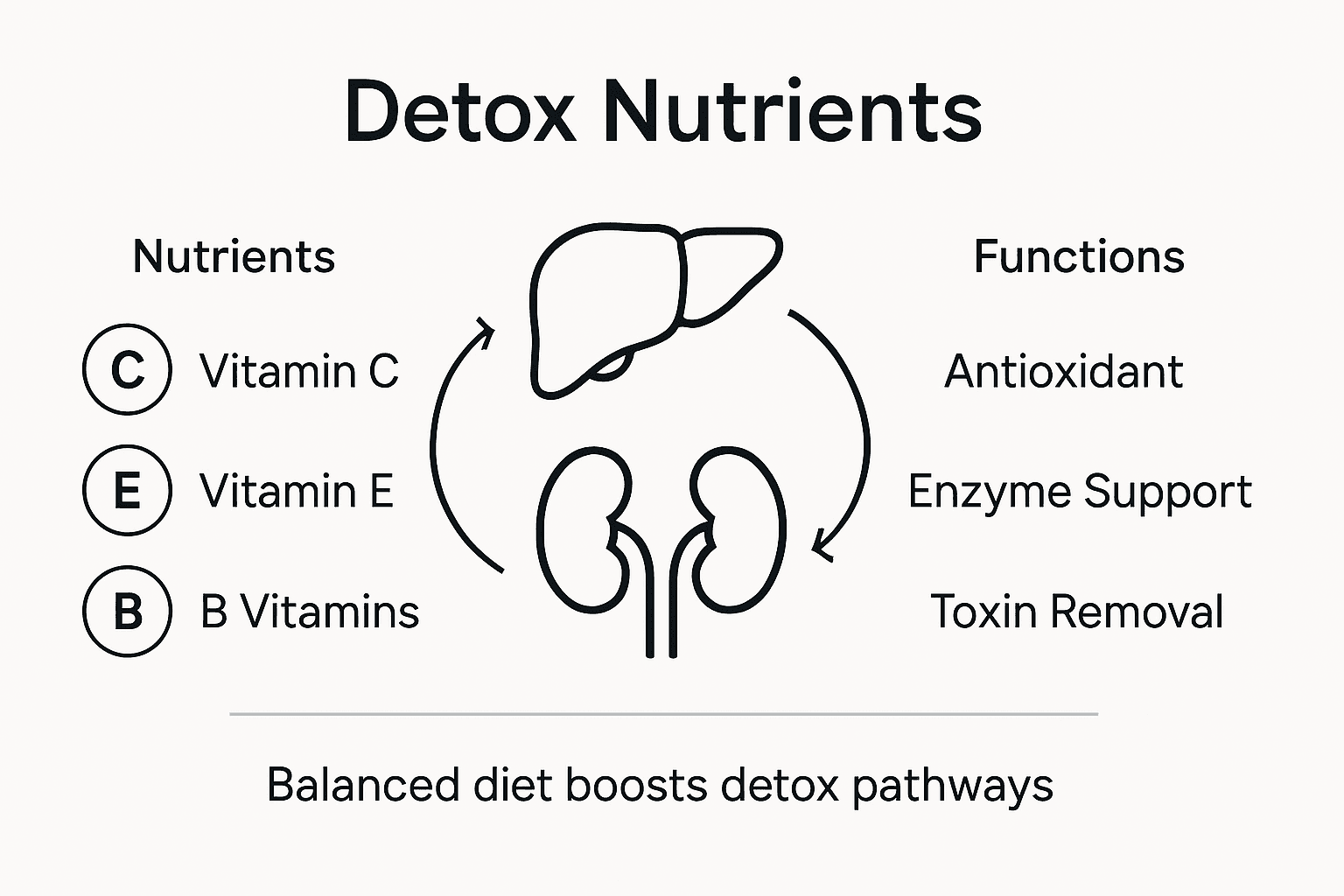
Supplementation can provide targeted support for detoxification pathways, especially when dietary intake is insufficient. Multi-ingredient nutritional blends can significantly enhance the activities of antioxidant enzymes and support the body’s redox balance. Critical nutrients like N-acetylcysteine (NAC), alpha-lipoic acid, milk thistle, and specialized amino acids can provide additional support to the liver’s natural detoxification mechanisms, helping to improve overall metabolic efficiency and cellular protection.
The following table outlines nutrients vital for detoxification and their primary benefits:
| Nutrient | Role in Detoxification | Main Benefits |
|---|---|---|
| B Vitamins | Support detox enzymes | Facilitate Phase I and II |
| Vitamin C | Antioxidant protection | Reduces oxidative stress |
| Vitamin E | Cell membrane protection | Prevents lipid peroxidation |
| Selenium | Supports antioxidant enzymes | Shields against cell damage |
| N-acetylcysteine | Boosts glutathione production | Enhances toxin neutralization |
| Milk Thistle | Liver cell support | Promotes hepatic regeneration |
Pro Tip: Prioritize a balanced diet rich in cruciferous vegetables, lean proteins, and colorful fruits and vegetables to naturally support your body’s detoxification processes, and consider consulting a healthcare professional about targeted nutritional supplementation.
Risks of Impaired Detox Pathways
Metabolic dysfunction can emerge when the body’s detoxification pathways become compromised, creating a cascade of potential health risks. When detoxification pathways are inefficient or impaired, metabolic toxins can accumulate, leading to increased oxidative stress and cellular damage, threatening overall physiological balance and long-term wellness.
The consequences of impaired detoxification extend far beyond simple toxin retention. Inefficient detox pathways can contribute to toxic buildup and oxidative stress, especially in sensitive systems like the brain, potentially accelerating neurodegeneration and increasing vulnerability to chronic conditions. Genetic factors, environmental exposures, nutrient deficiencies, and lifestyle choices can all contribute to reduced detoxification efficiency, creating a complex web of potential health vulnerabilities.
Potential risks associated with compromised detoxification include heightened inflammation, increased susceptibility to neurodegenerative diseases, disrupted metabolic processes, and compromised immune function. Persistent toxic accumulation can trigger systemic inflammation, potentially contributing to conditions ranging from autoimmune disorders to cognitive decline. The body’s reduced ability to eliminate harmful compounds can create a persistent state of cellular stress, potentially overwhelming natural protective mechanisms and accelerating aging-related processes.
Pro Tip: Support your detoxification pathways by minimizing exposure to environmental toxins, maintaining a nutrient-rich diet, staying consistently hydrated, and engaging in regular physical activity to enhance metabolic efficiency.
Optimizing Natural Detoxification for Health
Natural detoxification represents a holistic approach to supporting the body’s innate cleansing mechanisms through strategic lifestyle and nutritional interventions. Evidence-based strategies for optimizing detoxification include maintaining a diet high in phytonutrients, antioxidants, and fiber, creating a comprehensive framework for supporting metabolic health and efficient toxin elimination.
Dietary choices play a pivotal role in enhancing detoxification pathways. Consuming a diverse range of colorful fruits and vegetables, rich in antioxidants and phytonutrients, helps support enzymatic processes in Phase I and Phase II detoxification. Cruciferous vegetables like broccoli, kale, and cauliflower contain compounds that specifically boost liver enzyme activity, while herbs such as cilantro, parsley, and milk thistle provide additional supportive nutrients that aid toxin processing and elimination.
Natural optimization of detoxification focuses on lifestyle practices that support long-term wellness, emphasizing consistent, sustainable approaches over aggressive short-term interventions. Regular exercise, adequate hydration, stress management, and quality sleep are fundamental to maintaining efficient detoxification pathways. These practices help support metabolic functions, enhance circulation, promote lymphatic drainage, and provide the body with optimal conditions for continuous, natural toxin elimination.
Pro Tip: Integrate daily detox-supporting habits by starting your morning with warm lemon water, practicing deep breathing exercises, and consuming a diverse, nutrient-dense diet rich in whole foods and minimal processed ingredients.
Support Your Body’s Detoxification Pathways With Trusted Solutions
The article highlights the vital role of detoxification pathways in maintaining cellular health and protecting your body from harmful toxins. If you are facing challenges like toxin buildup, oxidative stress, or impaired liver function, it is essential to support these natural processes with scientifically backed supplements. Key pain points such as compromised Phase I and Phase II detoxification, oxidative damage, and nutrient deficiencies can be addressed with targeted nutritional support.
Optimize your wellness journey by exploring high-purity supplements designed to enhance liver function, boost glutathione production, and support natural detoxification processes. Whether you want to strengthen your metabolic balance or reduce toxic overload safely, Mahoney Inter offers pharmaceutical-grade formulas including liver support complexes, NAC, and more. Take control of your health with products that combine holistic principles with rigorous quality standards.
Ready to empower your body’s natural defense system and experience profound health benefits?
Explore effective detox supplements today.
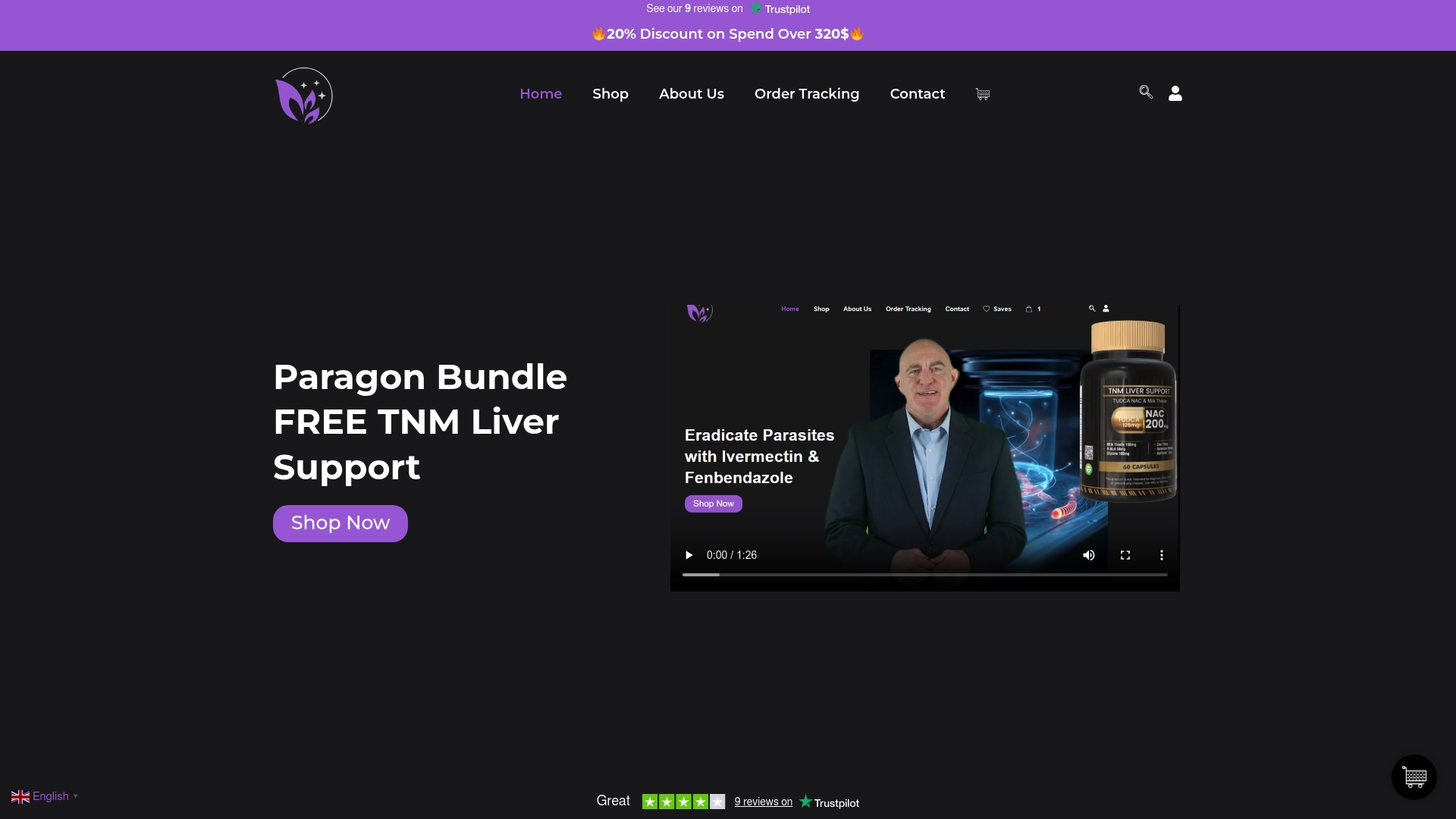
Discover premium support at Mahoney Inter and begin your path toward enhanced detoxification. Take the first step now to protect your cellular health and boost your vitality!
Frequently Asked Questions
What are detoxification pathways?
Detoxification pathways are the body’s internal mechanisms that neutralize and eliminate harmful substances, converting toxins into less dangerous forms that can be safely excreted.
How do the liver and kidneys support detoxification?
The liver is the primary detoxification organ, transforming toxic compounds into safer forms. The kidneys filter blood, removing water-soluble waste products and excreting them as urine.
What are the phases of detoxification?
Detoxification primarily occurs in three phases. Phase I involves modifying toxins for increased solubility, Phase II involves conjugation to neutralize these substances, and Phase III focuses on transporting and eliminating the processed toxins.
How can I optimize my detoxification pathways for better health?
To optimize detoxification, maintain a balanced diet rich in antioxidants and fiber, stay hydrated, and engage in regular exercise while managing stress and ensuring quality sleep.