
Parasites and Long-Term Health: Symptoms, Risks, and What Research Suggests
Many people experience ongoing health concerns such as fatigue, digestive discomfort, bloating, or brain fog without fully understanding the possible cause. While diet, lifestyle, stress, and environmental factors often receive the most attention, another factor that may sometimes be involved is parasitic infection.
Parasites are organisms that live in or on a host and obtain nutrients from that host. Although many people associate parasites with travel to tropical regions or poor sanitation, research suggests that parasitic infections can occur in many parts of the world and may sometimes go undiagnosed.
This educational guide explains what parasites are, how they may affect the body, the possible symptoms associated with infection, and why digestive and immune health are important for overall wellness.
What Are Parasites?
A parasite is an organism that lives on or inside another organism, known as the host, and survives by obtaining nutrients at the host’s expense.
Human parasites generally fall into two main categories.
Helminths (Parasitic Worms)
Helminths are worm-like organisms that can live inside the human body.
Common examples include:
Tapeworms
Roundworms
Pinworms
Hookworms
Some helminths may be visible to the naked eye in their adult stage, although infections can also exist without clear symptoms.
Protozoa
Protozoa are microscopic, single-celled organisms that may live in the digestive system or bloodstream.
Examples include:
Giardia
Blastocystis hominis
Cryptosporidium
Because protozoa are microscopic, infections may sometimes persist without being immediately recognized.
How Parasites Can Spread
Parasitic infections may occur through several different pathways, including:
Contaminated food or water
Undercooked meat or fish
Contact with infected animals
Poor hygiene or sanitation
Person-to-person transmission in certain situations
While severe infections are relatively uncommon in developed countries, milder infections may sometimes occur without obvious symptoms.
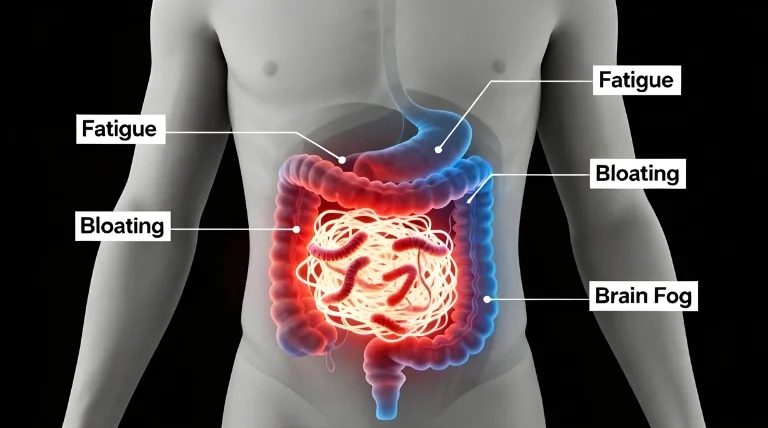
Common Symptoms of Parasitic Infections
Parasitic infections can affect people differently. Some individuals experience noticeable symptoms, while others may have mild or unclear signs.
Possible symptoms may include:
Digestive Issues
Bloating
Gas
Diarrhea
Constipation
Abdominal discomfort
Ongoing digestive imbalance
Fatigue
Persistent tiredness may sometimes occur when the body is responding to an infection or experiencing nutrient absorption issues.
Brain Fog and Mood Changes
Some individuals report difficulty concentrating, low mental clarity, irritability, or mood changes when dealing with a chronic digestive imbalance.
Skin Reactions
Skin symptoms such as itching, rashes, or irritation may occasionally appear alongside immune system responses.
Nutrient Depletion
Because parasites rely on nutrients from the host, some infections may contribute to reduced nutrient absorption over time.
It is important to remember that these symptoms are not unique to parasites. Many digestive and inflammatory conditions can cause similar symptoms, which is why professional testing and medical evaluation are essential.
Possible Long-Term Effects of Chronic Infection
When infections persist over extended periods, they may place additional stress on the body.
Researchers have suggested that long-term infections may contribute to several internal challenges.
Chronic Inflammation
The immune system naturally responds to infection with inflammation. While this response helps protect the body, prolonged inflammation may affect overall health over time.
Immune System Stress
Persistent infections may require the immune system to remain active for long periods, potentially placing additional demands on the body.
Nutrient Deficiencies
Some parasites may interfere with the body’s ability to absorb nutrients effectively, which may contribute to nutritional imbalance in certain cases.
Maintaining digestive health and nutritional balance may help support the body’s natural defense systems.
Research on Parasites and Chronic Disease
Scientific research has examined the relationship between certain parasites and long-term health complications.
In some specific cases, certain parasitic infections have been classified as carcinogenic when long-term infection causes chronic tissue irritation or inflammation.
Examples include:
Opisthorchis viverrini
Clonorchis sinensis
Schistosoma haematobium
These associations are generally linked to long-term infections occurring in particular geographic regions and do not apply broadly to all parasitic infections.
Researchers continue studying the broader relationship between parasites, inflammation, immune function, and digestive health.
Anti-Parasitic Medications Used in Medicine
Modern medicine uses several medications to treat confirmed parasitic infections.
Ivermectin
Ivermectin is an anti-parasitic medication used in human medicine for certain approved conditions, such as:
Strongyloidiasis
Scabies
River blindness
Its discovery significantly improved global treatment of parasitic diseases and was recognized with the 2015 Nobel Prize in Physiology or Medicine.
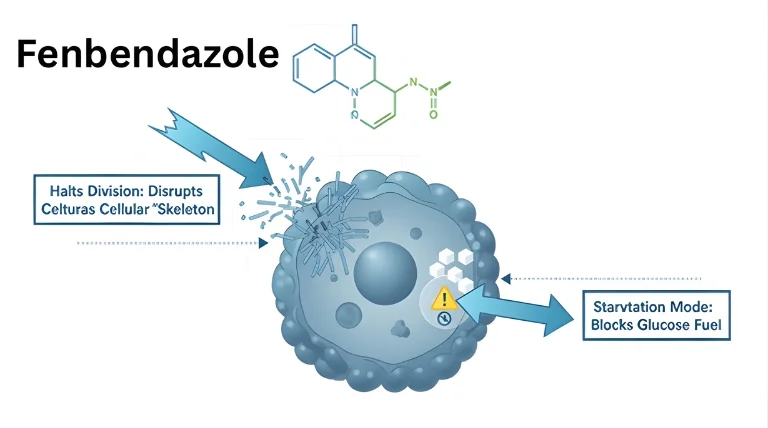
Fenbendazole
Fenbendazole is widely used in veterinary medicine to treat parasites in animals.
Some laboratory research has explored its biological properties, although it is not approved for cancer treatment in humans.
Any medication should only be used under the supervision of a qualified healthcare professional.
Supporting Digestive and Immune Health
Supporting digestive and immune health plays an important role in maintaining overall wellness.
Helpful lifestyle practices may include:
Practicing good hygiene and food safety
Washing produce thoroughly
Cooking meat and fish properly
Drinking safe and clean water
Eating a balanced, nutrient-rich diet
Staying hydrated
Seeking medical advice when symptoms persist
You can also read:
Complete Guide to Parasite Cleanse and Gut Health
When to Seek Medical Advice
Consider speaking with a qualified healthcare professional if you experience:
Persistent digestive discomfort
Ongoing bloating or abdominal pain
Unexplained fatigue
Prolonged diarrhea or constipation
Unexpected weight changes
Symptoms that do not improve over time
Medical evaluation may help determine whether testing or treatment is necessary.
Final Thoughts
Parasites are a complex topic within human health. While some infections are mild and temporary, others may require medical diagnosis and treatment.
Understanding how parasites spread, recognizing potential symptoms, and maintaining digestive health can help individuals take a proactive approach to wellness. The safest approach is always to combine reliable health education with guidance from qualified medical professionals.
Educational resources and wellness solutions developed by Mahoney Inter are designed to support individuals seeking to improve their digestive and immune health.
Frequently Asked Questions
Can parasites cause fatigue?
Some parasitic infections may contribute to fatigue because the body is responding to infection or experiencing nutrient absorption problems.
How do people get parasites?
Parasites may spread through contaminated food, water, undercooked meat, poor hygiene, or contact with infected animals.
Are parasites common in developed countries?
Severe parasitic infections are less common in developed regions, but mild infections can still occur.
Can parasites affect digestive health?
Certain parasites may affect digestion and nutrient absorption, which can contribute to digestive symptoms in some individuals.
Medical Disclaimer
The information provided on this page is for educational purposes only and is not intended as medical advice. This content should not be used to diagnose, treat, cure, or prevent any disease. Always consult a qualified healthcare professional before making any health-related decisions.
Author and Medical Review
Written by: Mahoney Inter Research Team
Medical Content Review: Health and Nutrition Editorial Team
Last Updated: March 2026