Most American adults are exposed to hundreds of different chemicals every day, and the liver works around the clock to keep the body safe. Understanding how this vital organ processes and neutralizes toxins can help protect long-term health. By diving into the science behind liver detoxification, especially the critical Phase 2 processes, you will discover how natural nutrients and targeted strategies can support the body’s own powerful defenses.
Table of Contents
- Defining Phase 2 Liver Detoxification Processes
- How Phase 2 Differs From Other Liver Detox Phases
- Key Enzymes and Biochemical Mechanisms Involved
- Natural Ways to Support Phase 2 Detox
- Risks, Common Mistakes, and Supplement Safety
Key Takeaways
| Point | Details |
|---|---|
| Importance of Phase II Detoxification | Phase II detoxification transforms harmful substances into water-soluble compounds for elimination, protecting cellular health. |
| Distinct Roles of Detox Phases | Phase I modifies toxins, Phase II neutralizes them, and Phase III facilitates excretion, highlighting their interconnected roles. |
| Supporting Phase II Naturally | Consuming sulfur-rich foods and cruciferous vegetables enhances liver detoxification enzyme activity and supports metabolic health. |
| Caution with Supplements | Overloading Phase I without adequate Phase II support can lead to metabolic imbalance; always consult a healthcare professional before beginning detoxification protocols. |
Defining Phase 2 Liver Detoxification Processes
Phase 2 liver detoxification represents a critical biological mechanism where the human body transforms potentially harmful substances into safe, water-soluble compounds ready for elimination. When toxic chemicals enter our system, the liver implements a sophisticated two-phase process designed to neutralize and remove these potentially damaging molecules. Phase II detoxification involves cells adding specific substances like cysteine, glycine, or sulfur molecules to toxic chemicals, effectively rendering them less dangerous and more easily expelled from the body.
This intricate process works by converting lipophilic (fat-soluble) substances into more hydrophilic (water-soluble) metabolites through enzymatic reactions. These enzymatic transformations are essential because fat-soluble toxins can accumulate in body tissues, potentially causing cellular damage or disrupting normal metabolic functions. Conjugation enzymes play a pivotal role in this stage, attaching molecular components that increase the toxin’s water solubility and facilitate its rapid excretion.
The liver’s detoxification mechanism involves several key enzymatic pathways, including glucuronidation, sulfation, acetylation, methylation, and glutathione conjugation. Each pathway targets specific types of toxic compounds, ensuring comprehensive protection against potential environmental and metabolic threats. These processes help convert lipophilic substances into more water-soluble metabolites, facilitating efficient elimination via urine, which ultimately supports overall cellular health and prevents toxic buildup.
Pro Tip: Support Your Liver’s Natural Detox: Incorporate cruciferous vegetables like broccoli, kale, and brussels sprouts into your diet, as they contain compounds that naturally enhance Phase 2 detoxification enzyme activity and promote optimal liver function.
How Phase 2 Differs From Other Liver Detox Phases
Biotransformation in the liver occurs through a sophisticated multi-phase process that involves distinct yet interconnected stages of detoxification. While Phase I, Phase II, and Phase III reactions might seem similar, they each play a unique and critical role in transforming potentially harmful substances into excretable compounds. Phase I primarily focuses on initial modification of toxins through oxidation, reduction, or hydrolysis reactions, typically introducing reactive groups that prepare molecules for further processing.

In contrast, Phase II detoxification represents a more complex conjugation stage where the liver adds specific molecular components to make toxins water-soluble and less harmful. This metabolism involves critical conjugation reactions like sulfation, glucuronidation, and glutathione conjugation, which significantly increase the molecular weight and water solubility of compounds. Unlike Phase I, which can sometimes create more reactive intermediates, Phase II consistently works to neutralize and prepare toxins for safe elimination.
The key difference between Phase II and other detoxification phases lies in its targeted molecular transformation. While Phase I introduces reactive sites and Phase III facilitates actual excretion, Phase II serves as the critical intermediate step that chemically alters toxins to make them less harmful and more easily removed from the body. This process involves specific enzymatic pathways that attach molecules like glucuronic acid, sulfate, or glutathione, effectively neutralizing potential cellular damage and supporting overall metabolic health.
Here’s a concise comparison of the three liver detoxification phases and their main characteristics:
| Phase | Main Function | Key Processes | Resulting Effect |
|---|---|---|---|
| Phase I | Initial modification of toxins | Oxidation, reduction, hydrolysis | Creates reactive intermediates |
| Phase II | Conjugation to neutralize toxins | Addition of molecules like sulfate, glucuronic acid, glutathione | Toxins become water-soluble |
| Phase III | Final transport and elimination | Transport out of cells into bile or urine | Toxins excreted from the body |
Pro Tip: Optimize Phase 2 Detoxification: Consume foods rich in sulfur compounds like garlic, onions, and eggs, which naturally support the liver’s conjugation enzymes and enhance the body’s ability to neutralize and eliminate toxins effectively.
Key Enzymes and Biochemical Mechanisms Involved
Phase II enzymes play a complex role in biochemical transformations that are critical for maintaining cellular health and protecting the body from potential toxic threats. These enzymatic systems represent a sophisticated molecular defense mechanism that goes far beyond simple chemical reactions. Glutathione S-transferases emerge as particularly important enzymes, capable of facilitating both detoxification processes and potential bioactivation of compounds, highlighting the nuanced nature of liver metabolism.
Phase II reactions depend on specialized transferase enzymes that execute precise conjugation processes, including glucuronosyltransferases, glutathione S-transferases, and sulfate transferases. Each enzyme type serves a unique function in transforming potentially harmful substances. Glucuronosyltransferases, for instance, attach glucuronic acid molecules to toxins, dramatically increasing their water solubility and facilitating rapid elimination through urine or bile. Sulfate transferases perform similar functions by conjugating sulfate groups, further enhancing the body’s natural detoxification capabilities.
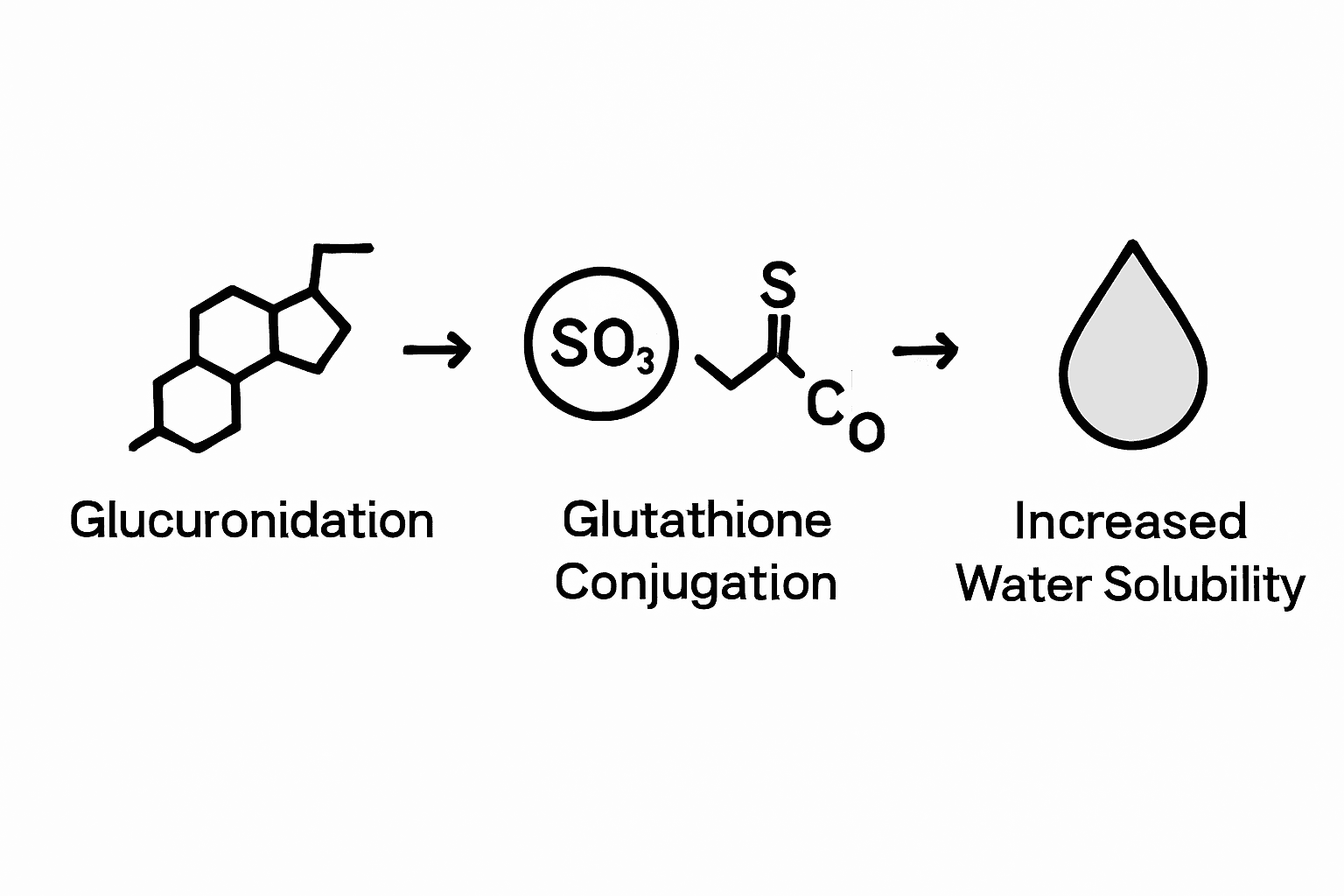
The biochemical mechanisms underlying Phase II detoxification involve multiple sophisticated pathways. These pathways include glucuronidation, sulfation, acetylation, methylation, and glutathione conjugation. Each pathway targets specific types of molecular structures, ensuring comprehensive protection against diverse environmental and metabolic challenges. The intricate interplay between these enzymatic systems allows the liver to neutralize a wide range of potentially harmful substances, from pharmaceutical compounds and environmental toxins to metabolic byproducts that could otherwise cause cellular damage.
Pro Tip: Enzyme Support Strategy: Consume cruciferous vegetables like broccoli and brussels sprouts, which contain sulfuraphane, a compound known to naturally upregulate Phase II detoxification enzymes and enhance the liver’s protective biochemical mechanisms.
Natural Ways to Support Phase 2 Detox
Phase II detoxification relies on specific conjugation processes that can be naturally supported through strategic dietary choices, providing individuals with powerful mechanisms to enhance their body’s innate detoxification capabilities. Nutrient optimization plays a crucial role in supporting these complex biochemical pathways, with certain foods and compounds demonstrating remarkable ability to boost liver function and promote efficient toxin elimination.
The cornerstone of natural Phase II detox support involves consuming foods rich in specific amino acids and compounds that directly enhance enzymatic activity. Cruciferous vegetables like broccoli, kale, and brussels sprouts contain sulfuraphane, a compound that dramatically upregulates detoxification enzymes. Protein sources high in amino acids such as glycine, glutamine, and cysteine provide essential building blocks for conjugation processes, enabling the liver to more effectively neutralize and remove harmful substances. Additionally, foods like garlic, onions, and eggs contain sulfur compounds that directly support the liver’s metabolic transformations.
Specific nutritional strategies can significantly impact Phase II detoxification efficiency. Consuming adequate amounts of selenium, found in brazil nuts and seafood, helps support glutathione production – a critical antioxidant in liver detoxification. Vitamin B complex, particularly B6 and B12, plays a vital role in methylation processes, another key conjugation pathway. Herbal supplements like milk thistle, turmeric, and green tea extract have demonstrated potential in supporting liver enzyme function and protecting cellular structures during intense detoxification processes.
Pro Tip: Detox Nutrition Hack: Create a weekly meal plan incorporating at least three detox-supporting foods daily, such as adding cruciferous vegetables to breakfast omelets, including sulfur-rich onions in lunch salads, and drinking green tea in the evening to support comprehensive liver health.
Below is a summary table of dietary strategies and their mechanisms for supporting Phase 2 liver detoxification:
| Strategy | Example Foods | Supported Pathway | Key Nutrient/Compound |
|---|---|---|---|
| Sulfur-rich diet | Garlic, onions, eggs | Glutathione conjugation | Sulfur-containing amino acids |
| Cruciferous vegetables | Broccoli, Brussels sprouts, kale | Enzyme activation | Sulforaphane |
| B vitamin intake | Whole grains, eggs, fish | Methylation | B6, B12, folate |
| Selenium sources | Brazil nuts, seafood | Antioxidant support | Selenium |
Risks, Common Mistakes, and Supplement Safety
Overloading Phase I detoxification pathways without adequate Phase II support can create significant metabolic challenges, potentially leading to dangerous accumulations of toxic intermediate compounds. Understanding the delicate balance between different detoxification phases becomes crucial for maintaining optimal liver health. Metabolic imbalance represents a primary risk for individuals attempting aggressive detoxification protocols without comprehensive knowledge of their body’s specific biochemical processes.
Common mistakes in liver detoxification often stem from a lack of understanding about the complex interplay between different enzymatic systems. Many individuals mistakenly assume that more supplements or more aggressive detox strategies will automatically yield better results. In reality, indiscriminate supplement use can overwhelm the liver’s natural mechanisms, potentially causing more harm than good. Certain supplements, particularly those designed to enhance Phase I detoxification without corresponding Phase II support, can create a metabolic bottleneck where partially transformed toxins accumulate and become more harmful.
Supplement safety requires a nuanced approach that prioritizes individual biochemical variability and comprehensive metabolic support. High-quality supplements should target multiple detoxification pathways simultaneously, providing balanced nutritional support that enhances both Phase I and Phase II processes. Critical considerations include selecting supplements with proven bioavailability, understanding potential interactions with existing medications, and consulting healthcare professionals who can provide personalized guidance based on individual metabolic profiles. Potential risks include liver stress, nutrient imbalances, and unintended interactions that could compromise overall metabolic function.
Pro Tip: Supplement Safety Check: Always start with low doses of new detoxification supplements, monitor your body’s response carefully, and consult a healthcare professional who understands your specific metabolic and health background before beginning any intensive detoxification protocol.
Support Your Phase 2 Liver Detox for Lasting Wellness
Understanding the critical role of Phase 2 liver detoxification means recognizing the importance of balanced enzymatic support to safely and effectively neutralize toxins. If you are concerned about metabolic imbalance or want to enhance your liver’s conjugation pathways such as glutathione conjugation and glucuronidation, it is essential to provide your body with the right nutritional tools. Many face challenges from toxin buildup or risks related to overloading Phase I without adequate Phase II support. That is why choosing supplements with pharmaceutical-grade purity that target these complex detox pathways can make a real difference.

Begin your journey to optimal liver health today by exploring trusted solutions at Mahoney Inter. Discover products designed to support Phase 2 detoxification naturally and safely. From liver support complexes to powerful antioxidants like NAC and targeted parasite cleanses, our offerings help you maintain metabolic balance and reduce toxic stress. Take control of your health now and experience the benefits of comprehensive detox support. Visit Mahoney Inter to shop our selection and learn more about effective detox protocols.
Frequently Asked Questions
What is Phase 2 liver detoxification?
Phase 2 liver detoxification is a process where the liver transforms potentially harmful substances into safe, water-soluble compounds for easier elimination from the body.
How does Phase 2 differ from Phase 1 liver detoxification?
Phase 1 detoxification primarily involves the modification of toxins through oxidation or reduction, creating reactive intermediates. In contrast, Phase 2 focuses on conjugation, where specific molecules are added to toxins to make them less harmful and more water-soluble for excretion.
What foods can support Phase 2 liver detoxification?
Foods rich in sulfur such as garlic, onions, and eggs, along with cruciferous vegetables like broccoli and kale, can support Phase 2 detoxification by enhancing liver enzyme activity and promoting efficient toxin elimination.
What are the risks of not supporting Phase 2 detoxification?
Without adequate support for Phase 2 detoxification, there is a risk of toxic intermediate compounds accumulating in the body, potentially leading to cellular damage and metabolic imbalances.