

Most people are surprised to learn that over one billion cases of stomach worm infections are reported each year, affecting families from American cities to rural villages in Africa and Asia. These hidden parasites can quietly undermine gut health, triggering symptoms that are easy to overlook. Whether you are American or live elsewhere, staying aware of early signs and choosing trusted natural detox methods can make a real difference. This guide lays out clear steps for recognizing, treating, and preventing stomach worms with holistic solutions that promote lasting wellness.
Table of Contents
- Step 1: Identify Symptoms And Assess Worm Risk
- Step 2: Prepare Essential Natural Supplements
- Step 3: Begin A Targeted Deworming Protocol
- Step 4: Support Gut Healing And Detoxification
- Step 5: Monitor Progress And Prevent Reinfestation
Quick Summary
| Key Insight | Explanation |
|---|---|
| 1. Recognize symptoms early | Common signs include abdominal pain, weight loss, and bowel changes. Early identification enables faster treatment and better health outcomes. |
| 2. Assess your risk factors | Various risks include poor sanitation and untreated water. Understanding these factors allows you to take preventive measures against infection. |
| 3. Follow a deworming protocol | Use prescribed medications like albendazole or mebendazole. Tailor your approach based on professional guidance for effective treatment. |
| 4. Support gut health post-treatment | Incorporate fiber-rich foods and probiotics. This promotes recovery and helps restore gut microbiome balance after worm treatment. |
| 5. Monitor for reinfestation | Regularly track symptoms and maintain hygiene practices. Schedule follow-ups to ensure complete recovery and prevent future infections. |
Step 1: Identify symptoms and assess worm risk
Understanding stomach worm symptoms is crucial for early detection and treatment. Intestinal parasites can cause a range of health complications, and identifying warning signs quickly helps you take swift action.
Watch for key symptoms that indicate potential stomach worm infection. These typically include persistent abdominal pain, unexpected weight loss, changes in bowel movements like diarrhea, and unusual anal itching. Some individuals might experience more subtle signs such as fatigue, decreased appetite, or unexplained nutritional deficiencies. Physical indicators can also include abdominal swelling and occasional coughing or respiratory issues.
Risk assessment involves understanding your exposure potential. Higher risks exist for people living in regions with poor sanitation, those who consume unwashed produce, walk barefoot in contaminated soil, or have limited access to clean water. Travelers to tropical and subtropical areas should be especially vigilant. Professional medical testing through stool examinations remains the most accurate method for confirming stomach worm presence.
Here’s a quick summary of common stomach worm risk factors and actionable strategies to reduce exposure:
| Risk Factor | Exposure Source | Prevention Strategy |
|---|---|---|
| Poor sanitation | Contaminated soil and surfaces | Use proper sewage disposal, maintain cleanliness |
| Unwashed produce | Consuming raw fruits/vegetables | Wash thoroughly before eating |
| Barefoot walking | Soil containing parasite eggs | Wear shoes outdoors, avoid suspect areas |
| Untreated water | Drinking or preparing food | Use filtered or boiled water |
| Travel to endemic regions | Exposure during travel | Practice strict hygiene, avoid risky foods |
Professional tip: Keep a detailed symptom journal to help your healthcare provider accurately diagnose potential parasitic infections.
Step 2: Prepare essential natural supplements
Natural supplements can play a strategic role in supporting your body during stomach worm treatment. Your preparation involves selecting targeted herbal remedies that can help combat parasitic infections while supporting overall digestive health.
Gather key natural supplements known for their potential antiparasitic properties. Herbal remedies have traditional uses in supporting wellness, with ingredients like garlic, ginger, and turmeric showing promise. Focus on high quality supplements that include compounds such as allicin from garlic which has documented antimicrobial effects, or curcumin from turmeric known for its anti inflammatory properties. Consider supplements that combine multiple herbs for comprehensive support.

When selecting supplements, prioritize purity and sourcing. Look for organic products from reputable manufacturers, preferably with third party testing. Pay attention to recommended dosages and potential interactions with other medications. Some supplements may support your body’s natural defense mechanisms and help create an internal environment less hospitable to parasitic organisms.
Professional tip: Consult with a healthcare professional before starting any new supplement regimen to ensure safety and appropriate dosage for your specific health needs.
Step 3: Begin a targeted deworming protocol
Initiating a targeted deworming protocol requires careful planning and strategic implementation to effectively eliminate stomach worms and support your body’s healing process. Your goal is to create a comprehensive approach that addresses the parasitic infection systematically.
Specific anthelmintic medications can effectively target and eliminate different types of intestinal worms. Common treatments include oral medications like albendazole, mebendazole, and ivermectin, which are designed to kill adult worms and interrupt their reproductive cycle. The specific medication and dosage will depend on the type of worm identified through diagnostic testing. Some protocols may involve multiple treatment stages to ensure complete parasite elimination, including addressing potential reinfection risks.
This table compares three key worm medications, highlighting important distinctions in their use and effects:
| Medication | Target Worms | Dosage Frequency | Notable Side Effects |
|---|---|---|---|
| Albendazole | Roundworms, tapeworms | Single or multiple doses | Mild nausea, headaches |
| Mebendazole | Pinworms, roundworms | Usually single dose | Abdominal pain, rash |
| Ivermectin | Strongyloides, threadworms | Single oral dose | Dizziness, skin irritation |
Design your deworming protocol with a holistic approach that combines medical treatment, dietary modifications, and immune system support. Create a structured timeline that includes medication administration, follow up testing, and lifestyle adjustments to prevent reinfection. Track your symptoms and progress carefully, and be prepared to adjust your protocol based on individual response and professional medical guidance.
Professional tip: Maintain a detailed symptom journal and medication log to help your healthcare provider monitor your deworming progress and make informed adjustments to your treatment plan.
Step 4: Support gut healing and detoxification
After addressing stomach worms, supporting your gut health becomes crucial for complete recovery and long term wellness. Your body needs strategic nutritional and lifestyle support to rebuild and restore digestive function.
Improving gut health naturally involves creating a comprehensive healing strategy that focuses on dietary modifications, microbiome restoration, and reducing inflammation. Prioritize consuming a diverse range of fiber rich foods, including fresh fruits, vegetables, fermented foods like kimchi and kefir, and lean proteins that support cellular repair. Eliminate processed foods, added sugars, and inflammatory ingredients that could compromise your digestive recovery.
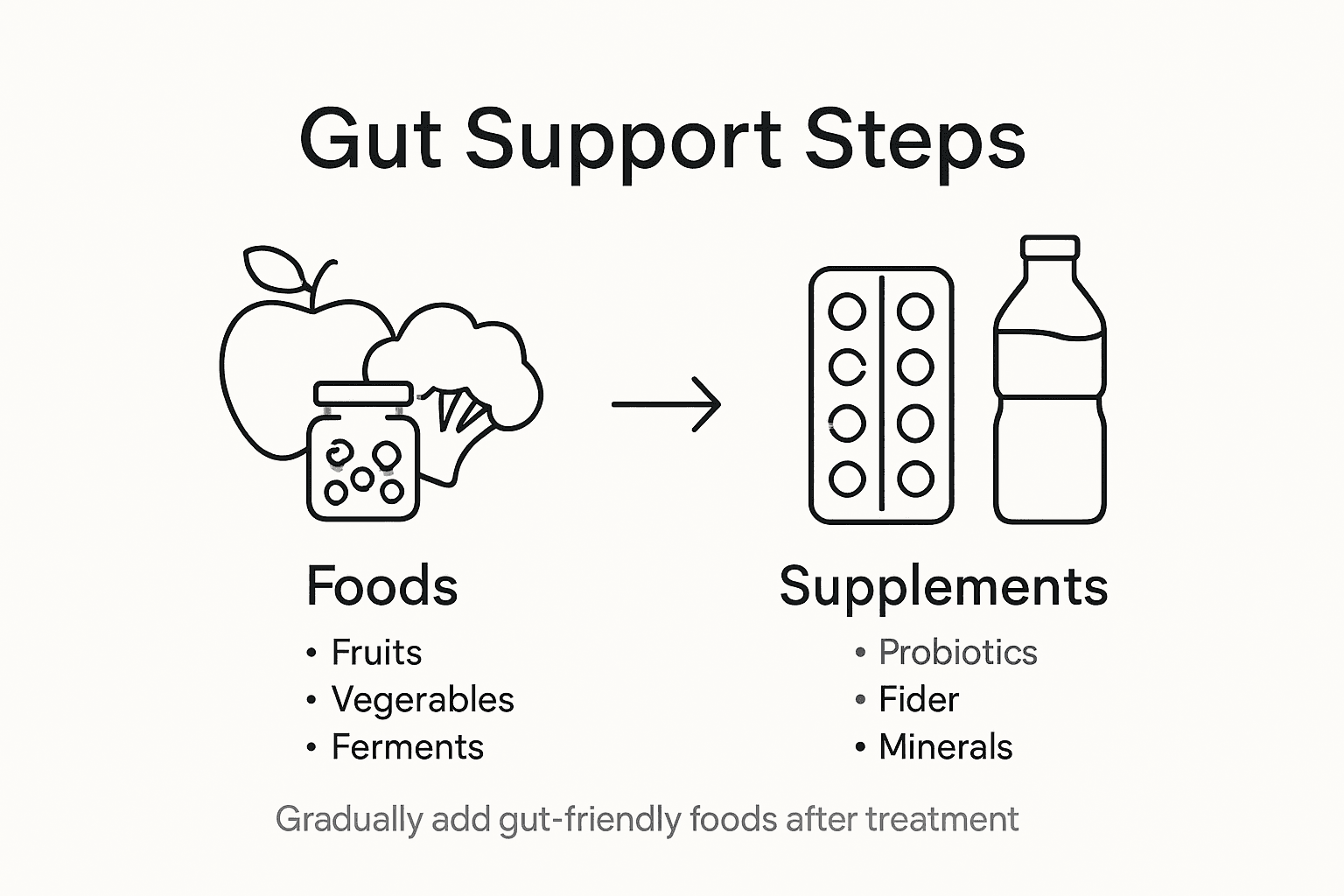
Implement a holistic detoxification approach that supports your body’s natural elimination systems. Stay hydrated, engage in regular moderate exercise, practice stress reduction techniques like meditation, and consider targeted nutritional supplements that support liver and kidney function. Be cautious of extreme detox protocols and instead focus on gentle, sustainable practices that enhance your body’s innate healing capabilities.
Professional tip: Introduce probiotic rich foods gradually and track your body’s response to optimize gut healing and microbiome restoration.
Step 5: Monitor progress and prevent reinfestation
After completing your initial stomach worm treatment, consistent monitoring becomes essential to ensure complete recovery and prevent future infections. Your approach should combine vigilant tracking of symptoms and proactive prevention strategies.
Preventing intestinal parasite reinfection requires a comprehensive approach focused on personal hygiene and environmental awareness. Implement rigorous sanitation practices by washing hands thoroughly, especially before eating and after using the bathroom. Clean and disinfect surfaces regularly, and be mindful of potential contamination sources such as unwashed produce, untreated water, and contact with potentially infected individuals or animals.
Schedule regular follow up medical consultations and diagnostic tests to confirm the complete elimination of stomach worms. Keep a detailed symptom journal documenting any changes or potential recurrence signs. Pay special attention to digestive health indicators, energy levels, and any unusual physical symptoms. Consider periodic stool testing to ensure no residual parasitic activity remains and to catch potential reinfection early.
Professional tip: Maintain a clean living environment and practice strict personal hygiene to create a powerful defense against potential parasite reintroduction.
Take Control of Stomach Worm Treatment with Trusted Natural Solutions
Dealing with stomach worms can cause persistent abdominal pain, fatigue, and digestive disruptions that impact your daily life. The challenge lies not only in eliminating the parasites but also in supporting your gut healing and preventing reinfection. This article highlights essential natural steps including symptom tracking, using herbal supplements, and a strategic deworming protocol tailored for your recovery.
Discover scientifically backed supplement options and parasite cleanse products at Mahoney Inter designed to help you fight intestinal parasites safely and effectively. From pharmaceutical-grade ivermectin to liver support complexes, our carefully curated selections complement your natural treatment protocol and support detoxification. Start your journey toward lasting relief and improved digestive wellness today by exploring our best-selling parasite cleanse solutions and informative resources at Mahoney Inter. Your path to holistic gut health and parasite elimination begins now. Take decisive action for your health and visit Mahoney Inter to find the natural supplements and support you need.
Frequently Asked Questions
What are the common symptoms of stomach worms?
Common symptoms include persistent abdominal pain, unexpected weight loss, changes in bowel movements like diarrhea, and unusual anal itching. To identify an infection early, watch for these signs and consult a healthcare provider if they persist.
How can I assess my risk of stomach worms?
Assess your risk by considering factors like sanitation conditions, consumption of unwashed produce, and exposure to untreated water. To reduce your risk, practice good hygiene and avoid questionable food and water sources.
What natural supplements can help in stomach worm treatment?
Natural supplements like garlic, ginger, and turmeric may support the body during treatment for stomach worms. Consider using high-quality supplements containing allicin and curcumin and consult a healthcare professional for guidance on appropriate dosages.
What should I include in a deworming protocol?
A deworming protocol should include appropriate medications like albendazole or mebendazole, dietary modifications, and immune system support. Follow a structured timeline for medication while monitoring your symptoms and making adjustments as necessary.
How can I support gut healing after stomach worm treatment?
Support gut healing by consuming a variety of fiber-rich foods, including fresh fruits, vegetables, and fermented foods. Maintain hydration and regular moderate exercise, and avoid processed foods to facilitate recovery within a few weeks.
What steps can I take to prevent reinfection from stomach worms?
To prevent reinfection, practice strict personal hygiene and sanitize surfaces regularly. Focus on washing hands frequently and using safe food and water sources to minimize future exposure.