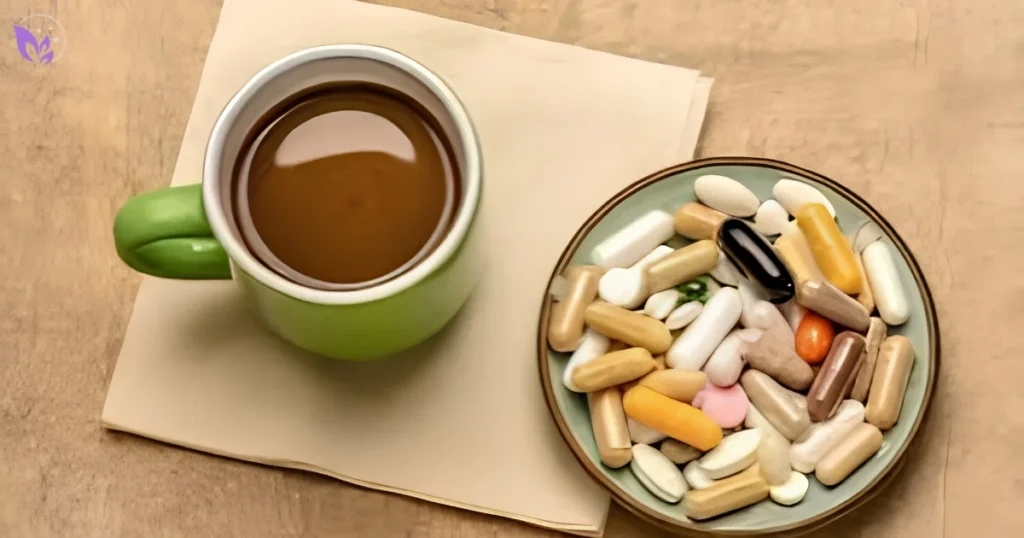
Can You Take Supplements With Coffee or Tea? Timing & Absorption Guide
Coffee or tea is part of many people’s daily routine, and for many supplement users, mornings are the easiest time


“Detox” is everywhere in wellness culture, but much of it is marketing, not medicine. Integrative detox is different: it focuses on supporting the body’s own detoxification systems with a structured, sustainable approach, rather than forcing quick fixes. Explore what integrative detox means, how it affects liver health, and how to apply it safely in everyday life.
The term “integrative detox” describes a holistic, science-informed approach to supporting the body’s natural detoxification processes. Instead of relying on extreme cleanses or single “miracle” products, integrative detoxification combines:
In integrative medicine detox, the goal is not to “flush out all toxins overnight” but to reduce overall toxic load while strengthening the body’s own elimination systems over time.
There is also an important difference between natural, everyday detox and guided integrative detox. Natural detox is what your body already does automatically through the liver, kidneys, gut, lungs, and skin. A guided integrative detox approach intentionally optimises these systems through diet, routine, and, in some cases, professional guidance. It uses a whole-body perspective, considering digestion, hormones, energy, and mental well-being together, rather than isolating a single organ or quick cleanse.
So, what is integrative detox? It is a structured detox approach that focuses on natural detox support rather than extreme or short-term cleanses.
Your body already has a sophisticated detoxification network. Integrative detox focuses on how to support natural detoxification pathways rather than override them.
Key organs and systems include:
Most detoxification in the liver occurs in two stages, often called Phase 1 and Phase 2 detox:
When people talk about “toxic load,” they are referring to the total burden of substances your body must process from food, environment, metabolism, and lifestyle. If your elimination pathways are well supported through sufficient nutrients, hydration, regular bowel movements, and healthy kidney and liver function, your body is generally resilient. Integrative detox works by reducing unnecessary inputs (for example, ultra-processed foods and excess alcohol) while improving the conditions your organs need to perform their detox roles effectively.
This is why natural detox support plays a key role in helping the body maintain balance over time.
Many traditional detoxes or cleanses emphasise rapid results over long-term health. The table below highlights the differences.
| Traditional Detox / Cleanse | Integrative Detox Approach |
| Focuses on quick fixes (3–7 day “reset”) | Focuses on structured, stepwise support |
| Short-term and often unsustainable | Designed for long-term, sustainable change |
| Highly restrictive (juices, very low calories) | Balanced nutrition with adequate protein and fibre |
| Trend-driven, often anecdotal | Guided by physiology and current science |
In other words, the difference between a detox and a cleanse is that cleanses usually emphasise removal (eating less, limiting food groups), whereas integrative detox emphasises both removal and rebuilding, supporting organs, replenishing nutrients, and creating habits you can maintain.
When done sensibly, the main integrative detox benefits relate to supporting systems that are already working, not curing disease. Potential holistic detox benefits include:
High-quality formulations, such as those offered by Mahoney Inter Supplements, are often designed to complement the body’s natural detox pathways rather than replace them. In an integrative framework, such products are used alongside, not instead of, foundation habits like nutrition, hydration, and sleep.
The liver is the hub of detoxification, metabolism, and nutrient processing, so liver health and detox are inseparable. Everything from food additives and alcohol to hormones and by-products of normal metabolism passes through this organ.
Problems arise when overall demands exceed capacity—for example, frequent alcohol intake, high-sugar diets, certain medications, and chronic stress increase the body’s workload. This does not mean the liver “shuts down,” but it may struggle to function optimally if it consistently lacks key nutrients or if lifestyle factors add to the strain.
To support liver function naturally, integrative detox emphasises:
In this sense, liver detox support is less about a dramatic “cleanse” and more about aligning everyday behaviour with what the organ needs to thrive.
Integrative detox is a lifestyle-oriented approach that can be relevant for many adults, especially those interested in optimising general wellbeing rather than treating specific diseases.
Common situations where people seek detox support include:
An integrative detox approach can act as a framework for healthier choices. However, anyone with existing medical conditions, pregnancy, or on regular medications should seek professional advice before changing their diet or adding supplements.
In both the USA and UK, interest in integrative wellness detox routines has grown as people look beyond fad diets and harsh cleanses. Many are seeking natural solutions that are still grounded in physiology and research, rather than purely trend-driven programs.
In these regions, common lifestyle themes, such as desk-based work, high stress, easy access to ultra-processed foods, and urban pollution, have encouraged more attention to daily detox habits, such as walking, cooking at home, and moderating alcohol.
Mahoney Inter Supplements are gaining attention among wellness-conscious individuals in regions such as the USA, UK and Canada, particularly among those who value a balance between natural ingredients and science-backed formulations. In an integrative context, these products are typically one part of a wider wellness plan that includes nutrition, movement, and sleep, rather than a stand-alone solution.

If you are wondering how to start an integrative detox in a realistic way, focus first on foundations. A structured detox approach can be as simple as:
Once these are in place, some people layer in targeted natural detox support, potentially including supplemental formulations, under guidance from a healthcare or nutrition professional.
Integrative detox is not a medical treatment or cure for any condition. While many lifestyle changes are generally safe for healthy adults, individuals vary widely.
Before starting any structured detox program or using liver-focused supplements, people with chronic illnesses, on prescription medications, who are pregnant, breastfeeding, or elderly should consult a qualified professional. Avoid extreme detoxes that dramatically cut calories, rely only on juices, or promise rapid, dramatic “toxins removed” claims. Any approach that causes dizziness, weakness, or distress is a sign to stop and seek advice.
Integrative detox matters because it reframes “detox” from a drastic, short-term event into a balanced, ongoing way of living that works with your body, not against it. By supporting liver function, digestion, and overall detoxification pathways with nutrition, movement, sleep, and thoughtful natural support, you build resilience instead of chasing fast fixes.
Choosing a structured and balanced approach, such as those promoted by Mahoney Supplements, can help support long-term wellness goals while avoiding the pitfalls of harsh or unrealistic detox trends. Over time, these steady, integrative choices are what make the real difference.
Integrative detox is a holistic, science-informed approach that supports the body’s natural detoxification systems, especially the liver, kidneys, gut, and lymphatics—through nutrition, hydration, lifestyle, and targeted support, rather than extreme cleanses or quick fixes.
For generally healthy adults, gentle lifestyle-focused integrative detox practices are usually safe. However, restrictive or supplement-heavy programs can carry risks, particularly for people with medical conditions or on medication. Professional guidance is recommended.
Unlike short cleanses, integrative detox is typically framed as a multi-week phase (for example, 4–8 weeks) combined with long-term habits you maintain indefinitely. The emphasis is on sustainable routines, not a fixed end date.
Yes, when designed well, it can support liver health by providing key nutrients, reducing unnecessary toxic load (such as excess alcohol and ultra-processed foods), and encouraging daily habits that help the liver work efficiently.
For long-term well-being, an integrative detox approach is generally more sustainable than a short cleanse. It focuses on balanced nutrition, realistic habits, and organ support, whereas many cleanses are highly restrictive and short-lived.


Noor-ul-Ain is a Tech & SEO Content Writer with over 4 years of experience creating search-optimized content for digital platforms. She specializes in SaaS products, AI tools, SEO strategy, and product documentation, helping platforms turn complex features into clear, search-driven growth. Noor-ul-Ain has also written extensively on health science, sports, fitness, fashion, and beauty, focusing on informative and reader-friendly content.
Coffee or tea is part of many people’s daily routine, and for many supplement users, mornings are the easiest time

Adaptogens have become a popular term in the wellness industry, appearing on supplement labels, herbal formulas, and plant-based products. Words
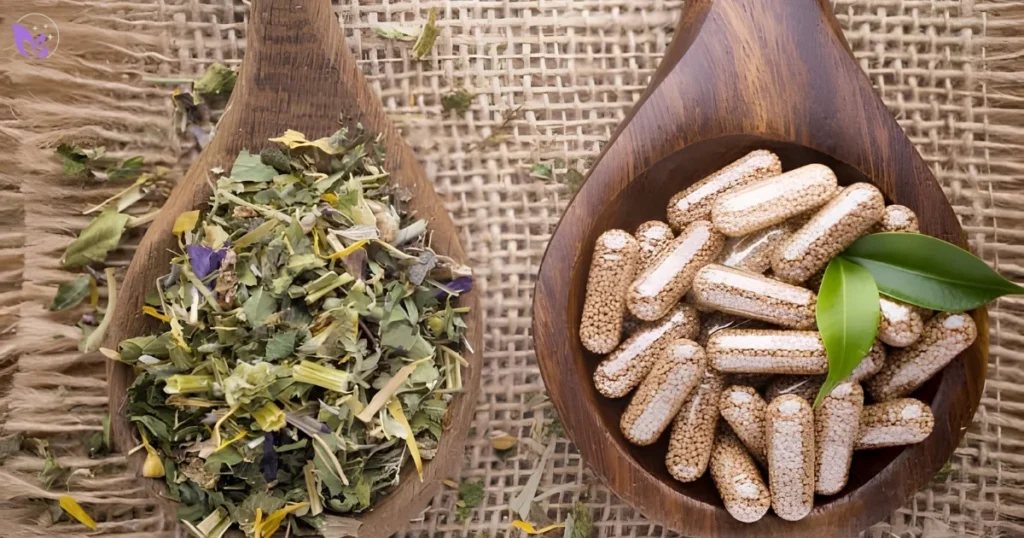
Herbal supplements have become a common part of many wellness routines, but terms like botanical ingredients, plant-based formulas, herbal extracts,