
Can You Take Supplements With Coffee or Tea? Timing & Absorption Guide
Coffee or tea is part of many people’s daily routine, and for many supplement users, mornings are the easiest time


Exhaustion, brain fog, and sluggish digestion are common in a world full of polluted air, processed food, alcohol, and daily chemical exposure. Your liver works nonstop to neutralize these toxins, but over time, its detox pathways can struggle to keep up. Many people now look for practical liver detox support that is evidence-based, not fads.
One nutrient that stands out is N-acetyl cysteine (NAC). As a key detox supplement used worldwide, NAC for detox is valued for its role in boosting the body’s own antioxidant defenses rather than acting as a quick-fix cleanse. Brands like Mahoney Inter Supplements have started including NAC in their natural formulas to support everyday resilience.
Uncover what NAC is, how it supports liver and cellular detox, how it increases glutathione naturally, and how to use it safely as part of a long-term wellness strategy.
NAC is a stable, supplemental form of the amino acid cysteine. It is not a vitamin or mineral but an amino acid derivative used by your body as a building block for key molecules involved in detoxification and antioxidant protection.
One of the main N-acetyl cysteine benefits is that it acts as a precursor to glutathione, often called the “master antioxidant.” While you can obtain cysteine from protein-rich foods, a NAC supplement delivers a more direct, concentrated form that your body can rapidly convert when demand is high, such as during oxidative stress, illness, or toxin exposure.
Glutathione is formed from three amino acids: cysteine, glutamate, and glycine. Among these, cysteine is usually the limiting factor. Without enough cysteine, your cells cannot make sufficient glutathione, no matter how healthy your lifestyle is.
NAC directly supplies cysteine, allowing your cells to increase glutathione naturally. Higher glutathione levels support phase II liver detox pathways, where toxins are bound, neutralized, and prepared for excretion via bile or urine. This NAC–glutathione connection is the core reason NAC for detox has become so widely studied.
By supporting glutathione, NAC helps:
Instead of “flushing” toxins quickly, NAC assists your existing detox machinery, making it a form of natural detox support that works with, not against, normal physiology.
The liver is your primary detox organ. It processes alcohol, medications, environmental chemicals, and metabolic waste. When toxin load rises, liver cells experience oxidative stress and inflammation.
Research-backed NAC liver health benefits include:
As part of a broader lifestyle that includes detox foods, hydration, and minimized alcohol, NAC can be a meaningful addition to liver detox support rather than a stand-alone cure-all.
Detox is not only about the liver. Every cell in your body produces waste and encounters free radicals generated by metabolism, UV light, exercise, and pollutants.
NAC supports cellular detox and overall cellular health in several ways:
This is why NAC is often discussed not only as an antioxidant supplement but as a tool for long-term resilience and oxidative stress reduction throughout the body.
NAC has gained particular traction in the USA, UK, and Canada, where supplement use is widespread, and consumers actively seek natural detox support options.
Key reasons include:
Because NAC acts on important biochemical pathways, thoughtful use is essential.
Common oral NAC supplement doses in wellness contexts range roughly from 300 mg to 1,200 mg per day, often divided into one or two servings. However, appropriate intake varies by individual factors such as health status, medications, and goals.
NAC is often taken on an empty stomach for better absorption, though some people prefer taking it with food to reduce digestive discomfort.
There is no direct “dietary NAC” source, but you can support cysteine and glutathione production with:
Some companies, such as Mahoney Supplements, combine NAC with vitamins, minerals, or herbal extracts to create broader formulas targeting liver and cellular health.
Most studies suggest NAC is generally well tolerated when used appropriately, but it is not suitable for everyone.
Because detox supplements can affect powerful biochemical pathways, it is wise to consult a healthcare professional before starting NAC, especially if you take medications or have chronic conditions.
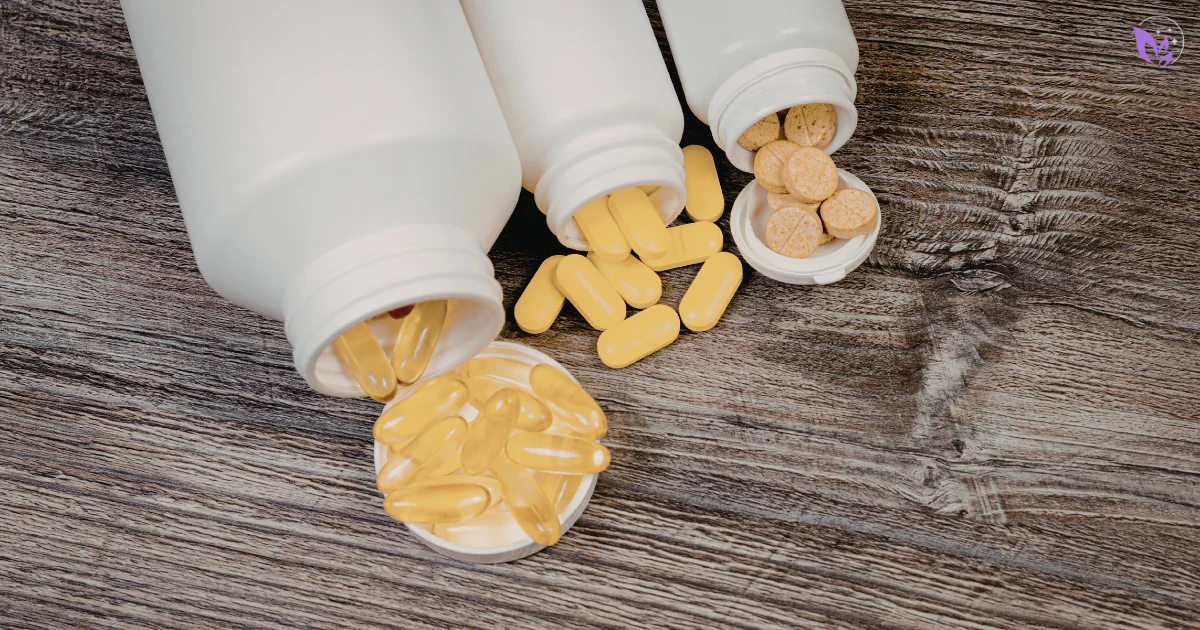
The effectiveness of NAC often depends on the quality of the product you choose. When evaluating an NAC supplement, it is important to look for transparent labeling, appropriate dosage, minimal unnecessary additives, and third-party testing for purity and potency. High-quality formulations, such as those offered by Mahoney Inter, can provide a more reliable and well-balanced approach to supporting liver and cellular health. Choosing a reputable brand with strong quality standards can also give you greater confidence in the safety and consistency of your supplement.
NAC for detox is not about quick cleanses; it is about strengthening the body’s own defense and elimination systems. By serving as a precursor to glutathione, NAC supports liver detox pathways, reduces oxidative stress, and promotes healthier cellular function throughout the body.
When combined with a nutrient-dense diet, lifestyle changes, and professional guidance, high-quality NAC supplements can become a valuable part of a long-term wellness plan. If you are looking for a reliable NAC-based formula, choosing a trusted option such as Mahoney Inter Supplements may help support your long-term wellness goals when paired with healthy lifestyle habits.
Yes, NAC supports detox indirectly by raising glutathione levels, which enhances the body’s natural ability to neutralize and eliminate toxins. It does not replace medical treatment for poisoning or severe illness.
Some people notice changes in energy or mental clarity within days to weeks, while for others, benefits may be more subtle and long-term. Response depends on dosage, baseline health, and lifestyle.
Many protocols use daily NAC for defined periods, but long-term use should be personalized with professional guidance, taking into account medications, health status, and lab markers where appropriate.
No. NAC works best alongside fundamentals: balanced nutrition, reduced alcohol, good sleep, movement, and minimizing toxin exposure. It is a tool, not a complete solution.


Noor-ul-Ain is a Tech & SEO Content Writer with over 4 years of experience creating search-optimized content for digital platforms. She specializes in SaaS products, AI tools, SEO strategy, and product documentation, helping platforms turn complex features into clear, search-driven growth. Noor-ul-Ain has also written extensively on health science, sports, fitness, fashion, and beauty, focusing on informative and reader-friendly content.
Coffee or tea is part of many people’s daily routine, and for many supplement users, mornings are the easiest time

Adaptogens have become a popular term in the wellness industry, appearing on supplement labels, herbal formulas, and plant-based products. Words
Herbal supplements have become a common part of many wellness routines, but terms like botanical ingredients, plant-based formulas, herbal extracts,