
Liver Detox: 500+ Functions Support Health Naturally 2026
Your liver is a natural detoxification powerhouse, filtering more than 250 gallons of blood daily without needing trendy cleanses. Despite this impressive capacity, the supplement industry has created a billion dollar market around detox products. Unfortunately, most commercial liver cleanses lack scientific evidence proving their effectiveness. This article explains how your liver actually performs detoxification, which support strategies work, and how to avoid risky detox myths.
Table of Contents
- Introduction To Liver Detoxification
- Mechanisms Of Liver Detoxification: Phase I And II Enzymes
- Nutritional And Lifestyle Support For Optimized Liver Function
- Common Misconceptions And Myths About Liver Detoxification
- Comparing Popular Liver Support Supplements: Benefits And Risks
- Lifestyle Choices And Liver Health: What Science Shows
- Practical Guide: Safe Approaches To Supporting Liver Detoxification
- Support Your Liver Detox Safely With Mahoney Inter
- Frequently Asked Questions
Key Takeaways
| Point | Details |
|---|---|
| Liver performs 500+ functions | Your liver handles complex detoxification through specialized enzyme systems that convert toxins to waste. |
| Two-phase detox pathway | Phase I enzymes create reactive intermediates while Phase II makes toxins water-soluble for elimination. |
| Diet affects detox efficiency | Phytonutrients from foods like garlic and leafy greens naturally boost liver enzyme activity. |
| Most cleanses are unnecessary | Commercial detox products rarely provide proven benefits and sometimes cause liver injury. |
| Lifestyle trumps supplements | Evidence shows diet and exercise reverse liver damage more effectively than quick-fix cleanses. |
Introduction to Liver Detoxification
Your liver stands as your body’s most versatile organ, performing over 500 vital functions that keep you alive every second. Among these critical tasks, detoxification ranks as one of the liver’s primary responsibilities. This remarkable organ processes everything from medications to environmental toxins, converting harmful substances into waste products your body can safely eliminate.
The sheer volume of work your liver handles is staggering. Every day, it filters more than 250 gallons of blood, screening out toxins while preserving essential nutrients. Beyond detoxification, your liver produces bile to aid fat digestion and helps regulate glucose metabolism and protein synthesis for energy balance.
Key liver functions include:
- Converting toxins into water-soluble compounds for excretion
- Producing bile to emulsify dietary fats and eliminate fat-soluble toxins
- Storing vitamins and minerals for when your body needs them
- Regulating blood sugar levels through glucose storage and release
- Synthesizing proteins essential for blood clotting and immune function
Understanding the role of liver detoxification helps you appreciate why this organ rarely needs artificial cleansing interventions. Your liver already possesses sophisticated biochemical machinery designed to handle toxin exposure efficiently. Rather than pursuing unproven detox cleanses, supporting your liver’s natural processes through evidence-based nutrition and lifestyle choices yields far better results.
Mechanisms of Liver Detoxification: Phase I and II Enzymes
Your liver detoxifies harmful substances through a sophisticated two-phase process involving specialized enzyme systems. This biochemical pathway transforms toxins from fat-soluble compounds your body struggles to eliminate into water-soluble forms easily excreted through urine or bile.
Here’s how the detox process works:
-
Phase I Detoxification: Cytochrome P450 enzymes begin the process by oxidizing toxins, creating reactive intermediate compounds. These intermediates are often more toxic than the original substance, which is why Phase II must quickly follow.
-
Phase II Detoxification: Conjugation enzymes attach molecules like glutathione or sulfate to the reactive intermediates, making them water-soluble and ready for elimination.
-
Bile Excretion: Your liver produces bile that emulsifies fats and carries fat-soluble toxins out of your body through digestive elimination.
-
Urinary Elimination: Water-soluble compounds created in Phase II exit through your kidneys into urine.
The balance between these two phases matters tremendously. If Phase I works too fast while Phase II lags behind, those reactive intermediates accumulate and can damage liver cells. This is where phase 2 liver detox support becomes critical for optimal function.
Pro Tip: Supporting both phases nutritionally with adequate protein, B vitamins, and antioxidants helps your liver maintain the delicate balance needed for efficient detoxification without creating harmful intermediate buildup.
Genetic variations affect how efficiently your cytochrome P450 enzymes function, explaining why some people tolerate medications or toxins better than others. Understanding these mechanisms reveals why quick-fix detox cleanses can’t simply “flush” toxins out. Your liver requires proper nutrients and cofactors to run these complex biochemical pathways effectively.
Nutritional and Lifestyle Support for Optimized Liver Function
What you eat and how you live directly influences your liver’s detoxification capacity. Unlike expensive supplements promising miraculous cleansing, simple dietary choices and daily habits provide the raw materials your liver needs to optimize its natural detox pathways.
Phytonutrients like sulforaphane and curcumin stimulate liver enzymes that improve toxin processing. These plant compounds activate genetic pathways that increase production of Phase II conjugation enzymes, strengthening your liver’s ability to neutralize harmful substances safely.
Foods that enhance liver function include:
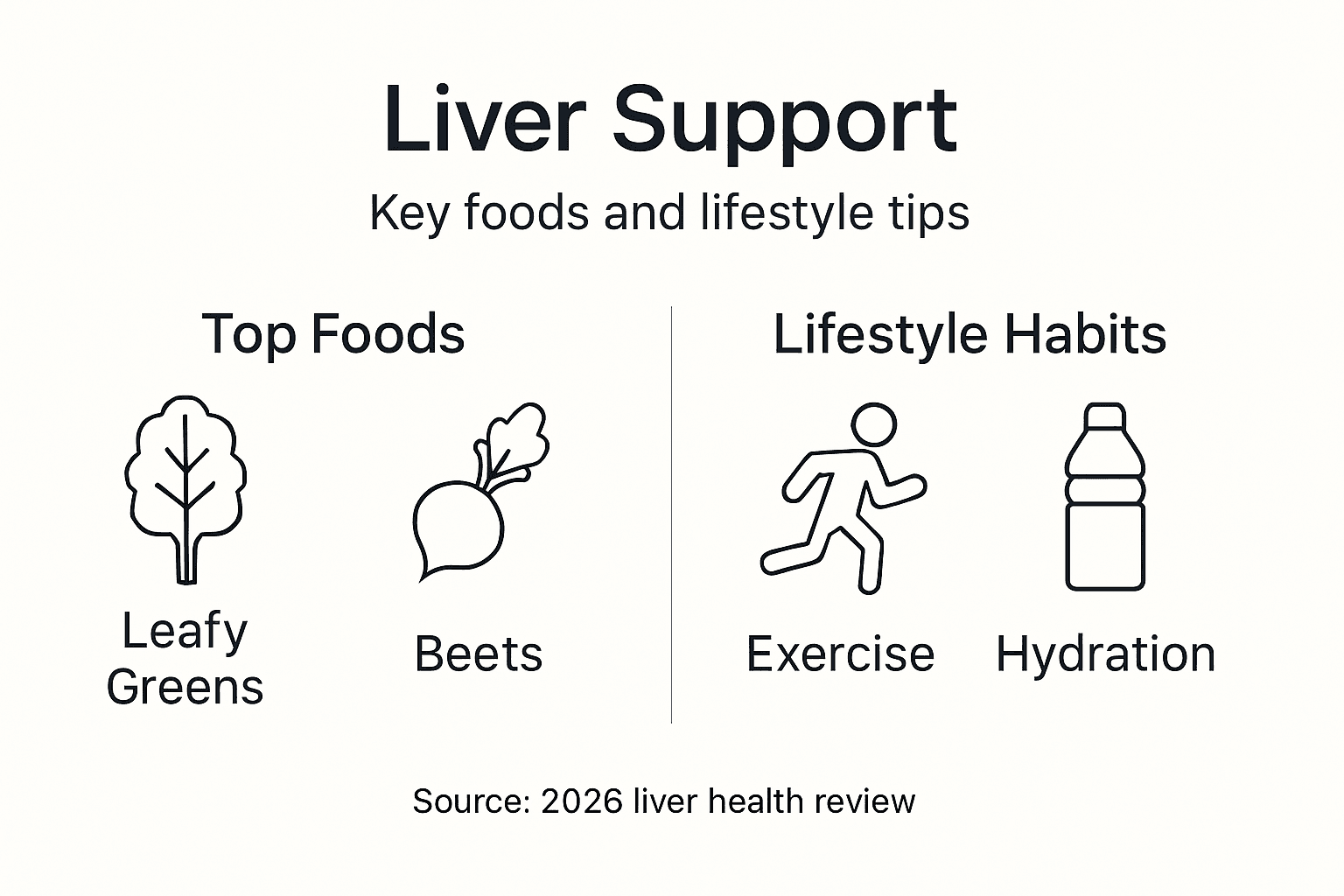
- Cruciferous vegetables (broccoli, Brussels sprouts, cauliflower) containing sulforaphane that boosts glutathione production
- Garlic and onions providing sulfur compounds essential for conjugation reactions
- Leafy greens (spinach, kale, arugula) supplying chlorophyll and magnesium for enzyme cofactors
- Beets containing betaine that supports bile flow and fat metabolism
- Walnuts offering omega-3 fatty acids that reduce liver inflammation
- Turmeric delivering curcumin with powerful anti-inflammatory properties
Lifestyle habits matter as much as diet. Regular physical activity improves blood flow to the liver, enhancing toxin clearance and reducing fat accumulation. Exercise also improves insulin sensitivity, protecting against fatty liver disease that impairs detoxification.
Avoiding liver-damaging behaviors is equally important. Excessive alcohol consumption overwhelms Phase I enzymes and depletes glutathione reserves needed for Phase II detoxification. Even moderate drinking in susceptible individuals can impair liver function over time.
Pro Tip: Combining a diet rich in foods that support liver detox with at least 150 minutes of weekly exercise provides more liver benefits than any commercial cleanse, supporting both detox phases while reducing inflammation and improving metabolic health.
The beauty of this approach lies in its sustainability. Rather than following extreme detox protocols for a few days, consistent healthy eating and regular movement support your liver’s natural liver detox support mechanisms every single day.
Common Misconceptions and Myths about Liver Detoxification
The detox industry thrives on misconceptions about how your liver works. Separating marketing claims from biological reality helps you avoid wasting money on ineffective products while potentially harming your health.
Your liver doesn’t need help “flushing” toxins. This organ evolved over millions of years to detoxify your body continuously without special cleanses or supplements. Detox diets lack scientific evidence for removing toxins or promoting weight loss beyond what happens through calorie restriction alone.
The harsh truth is that some products marketed for liver health actually cause harm. Certain supplements can trigger drug-induced liver injury, especially when they contain undisclosed ingredients or contaminants. Approximately 15 million Americans consume supplements that may damage rather than protect their livers.
Common detox myths debunked:
- Myth: Juice cleanses remove accumulated toxins from your liver
- Reality: Your liver processes toxins continuously and doesn’t store them for later removal
- Myth: Detox teas and supplements can reverse liver damage
- Reality: Only lifestyle changes and medical treatment can improve established liver disease
- Myth: You need periodic detox cleanses to stay healthy
- Reality: A healthy liver detoxifies efficiently 24/7 without cleansing interventions
- Myth: Rapid weight loss from detox diets proves they work
- Reality: Water weight and muscle loss create temporary changes that don’t reflect actual detoxification
The concept of “toxin buildup” that cleanses claim to address isn’t medically accurate. If your liver and kidneys function normally, your body continuously eliminates waste products. When these organs fail, you need medical intervention, not a cleanse.
Understanding liver detox myths protects you from predatory marketing. Rather than falling for liver detox misconceptions, focus on supporting your liver’s natural capabilities through proven methods.
Comparing Popular Liver Support Supplements: Benefits and Risks
While most detox cleanses lack merit, certain individual supplements show promise for supporting liver health when used appropriately. Understanding the evidence helps you make informed decisions about which products might benefit you.
Milk thistle contains silymarin, a compound that may reduce liver inflammation and protect against toxin damage. Some studies suggest benefits for people with liver disease, though large clinical trials remain limited. Quality matters significantly, as extract potency varies widely between brands.
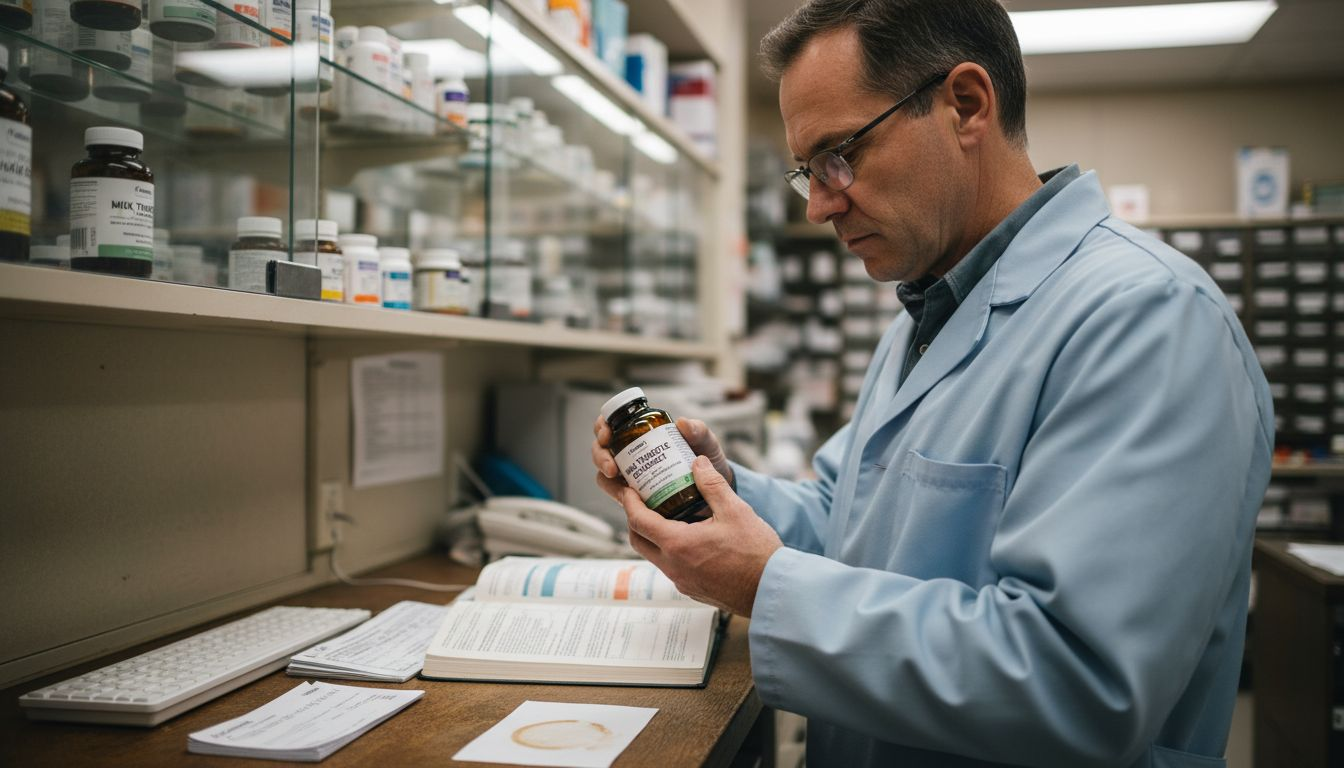
Turmeric and curcumin demonstrate anti-inflammatory properties that could support liver health. Research shows potential for reducing liver inflammation, but absorption challenges mean not all products deliver meaningful benefits. Look for formulations with piperine or phospholipid complexes that enhance bioavailability.
N-acetylcysteine (NAC) stands out with the strongest clinical validation. Hospitals use it as the standard treatment for acetaminophen overdose because it replenishes glutathione, your liver’s master antioxidant. NAC supports Phase II detoxification by providing cysteine, a rate-limiting amino acid for glutathione synthesis.
| Supplement | Primary Benefit | Evidence Strength | Potential Risks |
|---|---|---|---|
| Milk Thistle | Anti-inflammatory, antioxidant protection | Moderate, limited large trials | Generally safe, may interact with medications |
| Turmeric/Curcumin | Reduces inflammation, supports bile flow | Moderate, absorption varies | Low bioavailability, may thin blood |
| NAC | Boosts glutathione, supports Phase II detox | Strong, clinically validated | May cause nausea, rare allergic reactions |
The supplement industry remains largely unregulated, meaning product quality varies dramatically. Pharmaceutical-grade supplements undergo more rigorous testing for purity and potency than standard formulations. Contaminants, incorrect dosing, or undisclosed ingredients pose real risks.
Pro Tip: Before starting any liver supplement, consult your healthcare provider to assess whether you actually need it and to check for potential interactions with medications or existing health conditions. How to choose liver supplements involves verifying third-party testing and pharmaceutical-grade quality standards.
For comprehensive guidance on selecting evidence-based options, explore the liver support supplements guide to understand which ingredients show genuine promise versus marketing hype.
Lifestyle Choices and Liver Health: What Science Shows
Clinical research demonstrates that fundamental lifestyle changes deliver more powerful liver benefits than any supplement. A groundbreaking study reveals exactly how diet and exercise reverse liver damage at the cellular level.
Researchers found that combining dietary changes with high-intensity interval training significantly reverses fatty liver damage over 10 months. Participants who followed this combined approach showed remarkable improvements across multiple health markers.
| Health Marker | Improvement After 10 Months |
|---|---|
| Body Weight | 7% reduction |
| Liver Fat Content | 30% decrease |
| ALT Liver Enzyme | 25% reduction indicating less inflammation |
| Insulin Sensitivity | 40% improvement |
These results demonstrate that lifestyle interventions address the root causes of liver dysfunction rather than simply masking symptoms. The combination of nutrition and exercise triggers beneficial changes in gene expression, reducing inflammation and improving metabolic function.
Key lifestyle factors for liver health:
- Achieve and maintain healthy weight through gradual calorie reduction rather than crash dieting
- Limit alcohol consumption to no more than one drink daily for women, two for men
- Exercise regularly with a mix of aerobic activity and resistance training totaling 150+ minutes weekly
- Choose whole foods over processed options to reduce exposure to additives and excess sugar
- Stay hydrated to support kidney function and toxin elimination
- Avoid unnecessary medications and supplements that stress the liver
The impact of weight loss deserves special attention. Excess body fat, particularly around organs, drives inflammation that impairs liver detoxification. Even modest weight reduction of 5 to 10 percent improves liver enzyme levels and reduces fat accumulation.
High-intensity interval training appears especially beneficial because it improves insulin sensitivity more effectively than steady-state cardio. Better insulin function reduces fat storage in the liver and enhances the organ’s ability to process nutrients and toxins efficiently.
Incorporating foods supporting liver health within a balanced diet amplifies these benefits. The synergy between nutrition, exercise, and healthy habits creates lasting improvements no detox cleanse can match.
Practical Guide: Safe Approaches to Supporting Liver Detoxification
Supporting your liver doesn’t require complicated protocols or expensive products. Simple, evidence-based strategies consistently outperform trendy detox cleanses while protecting your health.
Follow these steps to optimize liver function safely:
-
Build your diet around liver-supportive whole foods including cruciferous vegetables, leafy greens, berries, nuts, and lean proteins that provide nutrients for detox enzyme function.
-
Establish a consistent exercise routine combining 150 minutes of moderate cardio with twice-weekly strength training to improve blood flow and reduce liver fat.
-
Limit alcohol intake to recommended guidelines or eliminate it entirely if you have existing liver concerns or take medications metabolized by the liver.
-
Review all supplements and medications with your healthcare provider to identify any that may stress your liver unnecessarily.
-
Stay hydrated with plain water rather than juice cleanses or detox teas, supporting kidney function and natural toxin elimination.
-
Get adequate sleep of 7 to 9 hours nightly, as poor sleep disrupts metabolic function and increases liver fat accumulation.
-
Avoid unregulated detox products that lack scientific validation and may contain harmful ingredients or contaminants.
If you’re at higher risk for liver disease due to obesity, diabetes, heavy alcohol use, or family history, regular screening becomes essential. Simple blood tests measuring liver enzymes (ALT, AST) and imaging studies can detect problems early when lifestyle interventions work best.
Pro Tip: Prioritize consistent daily habits over periodic detox extremes. Your liver benefits far more from 365 days of moderate support than from a week-long intensive cleanse followed by unhealthy behaviors.
When considering supplements, focus on choosing liver detox supplements backed by clinical evidence and manufactured to pharmaceutical-grade standards. Quality matters more than marketing claims.
The most effective liver support strategy combines safe liver support foods with regular physical activity and avoidance of known hepatotoxins. This foundational approach costs little, carries minimal risk, and delivers proven benefits your liver can use every single day.
Support Your Liver Detox Safely with Mahoney Inter
Navigating the crowded supplement market requires expert guidance to separate evidence-based products from ineffective hype. Mahoney Inter specializes in pharmaceutical-grade liver support supplements backed by scientific research, helping you make informed choices that truly benefit your health.
Understanding how to choose detox supplements becomes simpler when you access comprehensive comparison resources. Rather than gambling on unverified products, explore curated options emphasizing purity, potency, and third-party testing for quality assurance.
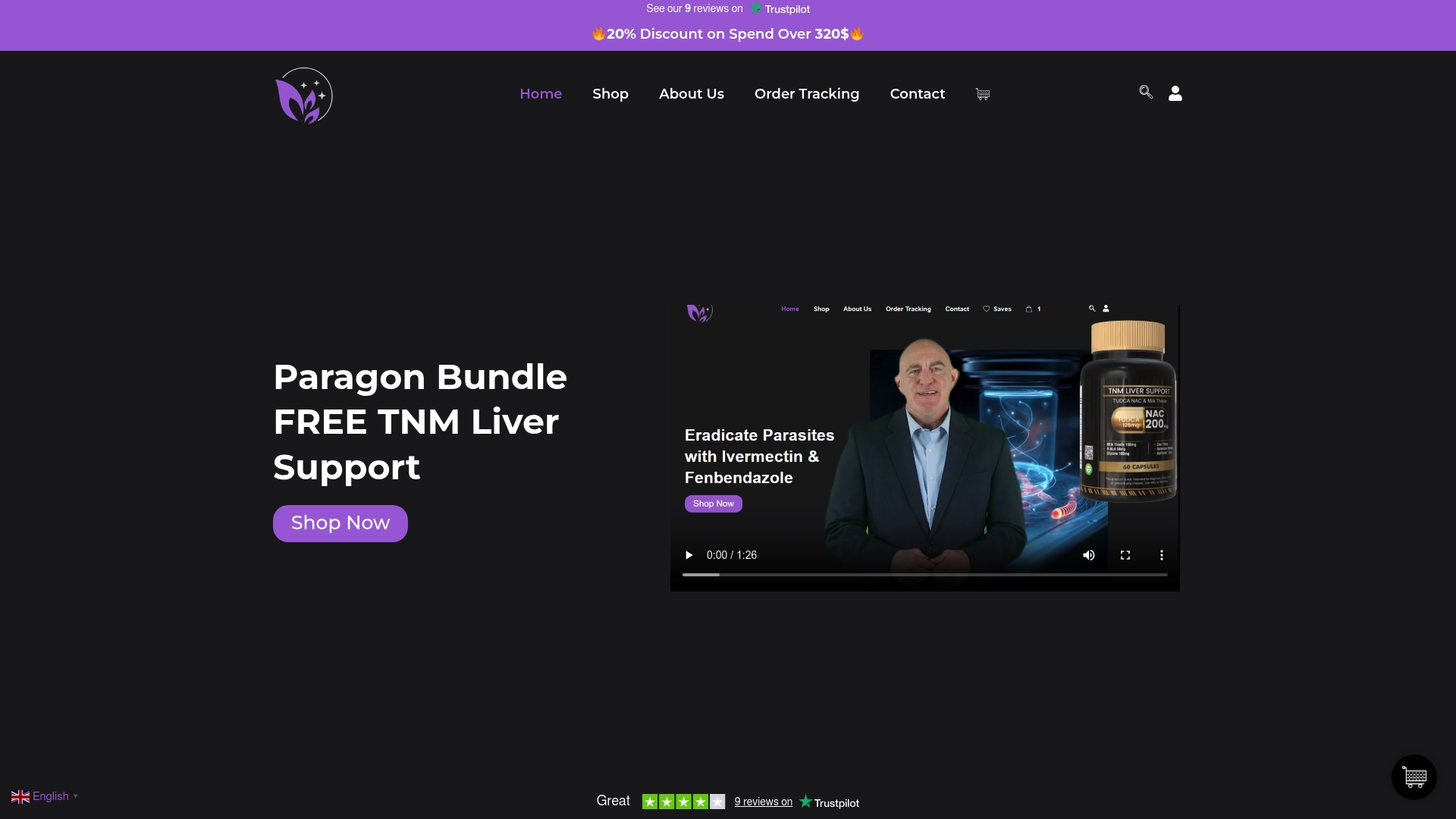
For those seeking evidence-based liver support, the top detox supplements comparison provides detailed analysis of ingredients, benefits, and potential considerations. This transparent approach helps you select products aligned with your specific health goals and medical history.
Discover the supplements role in detox through educational resources that explain mechanisms of action and clinical evidence. Mahoney Inter prioritizes your understanding alongside product quality, ensuring you can confidently support your liver’s natural detoxification processes safely and effectively.
Frequently Asked Questions
What is the role of the liver in detox?
Your liver serves as your body’s primary detoxification organ, processing toxins through two-phase enzyme systems that convert harmful substances into excretable waste. It filters blood continuously, produces bile for eliminating fat-soluble toxins, and performs over 500 metabolic functions essential for life. This natural detoxification happens 24/7 without requiring special cleanses, though proper nutrition and lifestyle choices optimize the liver’s efficiency. For comprehensive understanding, review the liver detox overview explaining these complex processes.
Are liver detox cleanses effective and safe?
Most commercial liver cleanses lack scientific evidence supporting their effectiveness and can sometimes cause harm rather than help. Your liver already detoxifies efficiently when functioning normally, making special cleanses unnecessary for healthy individuals. Some detox products contain unregulated ingredients that may trigger liver injury or interact dangerously with medications. Rather than pursuing unproven cleanses, support your liver through evidence-based nutrition and lifestyle choices that work with your body’s natural processes.
Which supplements are proven to support liver health?
N-acetylcysteine (NAC) has the strongest clinical validation for liver support, as hospitals use it to treat acetaminophen overdose by replenishing glutathione. Milk thistle and turmeric show moderate promise for reducing liver inflammation, though large-scale trials remain limited. Quality matters tremendously, so choose pharmaceutical-grade options with third-party testing. Always consult your healthcare provider before starting supplements, especially if you take medications or have existing health conditions. Explore guidance on choosing liver supplements to make informed decisions.
How can lifestyle changes improve liver detoxification?
Clinical research shows that combining diet with exercise reverses liver damage and improves detoxification efficiency significantly. Weight loss of just 5 to 10 percent reduces liver fat and inflammation, while regular physical activity improves blood flow and insulin sensitivity. Avoiding excessive alcohol, choosing whole foods over processed options, and maintaining healthy sleep patterns all support optimal liver function. These sustainable habits deliver far better results than temporary detox cleanses while addressing root causes of liver dysfunction.