
Magnesium Explained: Benefits, Types, Food Sources & How to Choose the Right Supplement
Magnesium is an essential mineral that supports hundreds of processes throughout the human body. From supporting normal muscle function to

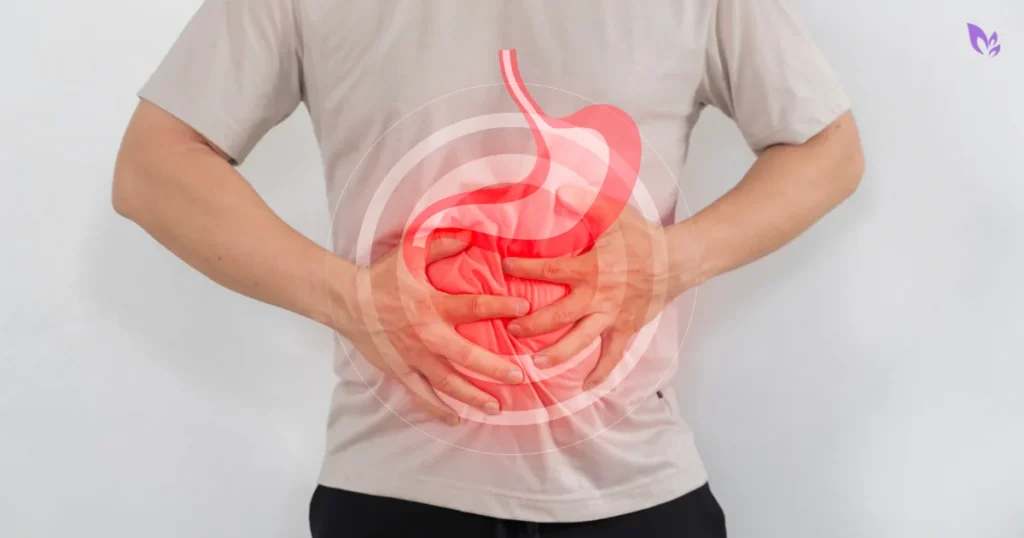
Your gut does a lot more than just digest your lunch. It talks to your brain, supports your immune system, and even influences how your skin looks. Yet most people only pay attention to their gut when something feels obviously wrong: a stomach ache, bloating, or an upset stomach after a heavy meal.
The truth is, poor gut health often shows up in quiet, easy-to-miss ways long before digestion becomes a real problem. Low energy, sudden sugar cravings, skin breakouts, or feeling foggy after lunch can all be early signals that your gut microbiome is out of balance.
At Mahoney Inter, we believe understanding these early warning signs is the first step toward feeling better, not just in your stomach, but throughout your entire body. We’ll break down the most common signs of poor digestive health, their causes, and simple, natural ways to support your gut before small issues turn into bigger ones.
In simple terms, it refers to how well your digestive system works and how balanced the bacteria living inside it are. Your gut is home to trillions of microorganisms — collectively called the gut microbiome — and when this community is balanced, digestion runs smoothly, nutrients get absorbed properly, and your immune system stays strong.
But your gut isn’t just about digestion. It plays a role in regulating inflammation, producing certain vitamins, and even influencing hormones that affect your mood. When the balance of good and bad bacteria shifts, the effects can ripple out to nearly every part of your body — which is exactly why gut health problems rarely stay confined to your stomach.
Gut imbalance doesn’t always announce itself loudly. Often, it shows up as a handful of smaller symptoms that are easy to brush off individually but tell a clear story together.
This is usually where people first notice something. Common digestive signs of an unhealthy gut include:
If your digestive system isn’t working properly regularly, it’s often one of the clearest signs of a gut imbalance.
Ever wonder why you feel tired after eating, even after a normal-sized meal? This is one of the most overlooked signs of poor internal system health. When your gut isn’t processing food efficiently, your body has to work harder to extract energy from it, leaving you feeling drained.
Other signs to watch for include:
The gut-energy connection is stronger than most people realize, largely because of how closely the gut communicates with the brain.
The gut-skin connection is well-documented, and it’s one of the more surprising signs of poor digestive health. When inflammation builds up in the gut, it often shows up on the surface — literally.
Watch for:
If your skincare routine hasn’t changed but your skin has, your gut might be part of the story.
A gut that’s out of balance often reacts differently to food than it used to. Signs here include:
These food intolerance signs are your body’s way of signaling that something in your digestive process has shifted.

The most common contributors include:
Most people don’t have just one cause; it’s usually a mix of a few of these building up over time.
Along with diet and lifestyle changes, some users also use Paragon Cleanse to support their digestive balance and gut health routine.
Because the gut is so deeply connected to other systems, poor digestion rarely remains isolated. Here’s how it tends to spread:
This is why addressing gut health isn’t just about fixing digestion; it’s about supporting your whole body.
The good news is that the internal system responds well to consistent, simple habits. You don’t need anything extreme to start feeling a difference. Some of the most effective natural gut healing tips include:
Mahoney Inter Supplements often emphasize these same fundamentals — hydration, fiber, and consistency — as the foundation for long-term gut support, rather than relying on quick fixes.
While many gut health symptoms improve with lifestyle changes, some situations call for a doctor’s input. You should consider seeking professional advice if you experience:
Chronic digestive problems are worth getting checked out rather than managing on your own indefinitely; a doctor can rule out underlying conditions that lifestyle changes alone won’t fix.
Your gut sends signals long before problems become serious; the key is learning to recognize them early. By paying attention to digestion, energy, skin, and how your body reacts to food, you can catch an imbalance before it grows into something bigger and start supporting your gut naturally, one habit at a time.
The earliest signs are often bloating, irregular bowel movements, fatigue after eating, and skin changes like breakouts or dullness.
Yes. An imbalanced digestive system can make digestion less efficient, which often leaves people feeling tired, sluggish, or foggy, especially after meals.
Look for patterns rather than one-off symptoms: recurring bloating, irregular digestion, low energy, skin issues, and new food sensitivities together are strong indicators.
Fiber-rich vegetables, fermented foods like yogurt and kefir, and plenty of water tend to show noticeable improvements within a couple of weeks for most people.
This content is for informational purposes only and is not a substitute for professional medical advice.


Noor-ul-Ain is a Tech & SEO Content Writer with over 4 years of experience creating search-optimized content for digital platforms. She specializes in SaaS products, AI tools, SEO strategy, and product documentation, helping platforms turn complex features into clear, search-driven growth. Noor-ul-Ain has also written extensively on health science, sports, fitness, fashion, and beauty, focusing on informative and reader-friendly content.
Magnesium is an essential mineral that supports hundreds of processes throughout the human body. From supporting normal muscle function to

An herbal extract is a concentrated preparation made by removing specific compounds from a plant using extraction methods such as

Have you ever started a normal meal, eaten only a few bites, and suddenly felt like you cannot continue? If