
Can You Take Zinc and Iron Together? Absorption, Timing & Safety
Yes, you can take zinc and iron on the same day. Some multivitamins even contain both. Higher amounts of supplemental


When people think about essential nutrients, vitamins usually get the most attention. Vitamin C, vitamin D, and vitamin B12 are commonly discussed because of their importance in daily nutrition. However, minerals — especially trace minerals — are equally important parts of a balanced nutritional routine.
Understanding the difference between trace minerals and vitamins helps explain why your body needs both. Although vitamins and minerals are often mentioned together, they differ in their structures, sources, and roles.
This guide explains the difference between vitamins and trace minerals, their benefits, food sources, and how they work together to support overall wellness.
Vitamins are organic compounds that the body needs in small amounts to support normal biological processes. They are naturally found in foods and can also be obtained through supplements.
Vitamins are divided into two main categories:
These dissolve in water and are not stored in large amounts in the body.
Examples include:
These can be stored in body tissues and fat.
Examples include:
Common vitamin sources include fruits, vegetables, dairy products, eggs, fish, meat, and fortified foods.
Trace minerals are naturally occurring inorganic elements found in soil, water, and foods. Unlike vitamins, minerals are not produced by plants or animals. Instead, they enter the food chain through natural sources.
The term “trace” refers to the small amount the body requires, not their importance.
Essential trace minerals include:
Although required in small amounts, trace minerals contribute to many normal body functions.
| Feature | Vitamins | Trace Minerals |
| Type | Organic compounds | Natural inorganic elements |
| Source | Plants and animals | Soil, water, and foods |
| Required amount | Small amounts | Very small amounts |
| Examples | Vitamins A, B, C, D | Zinc, Selenium, Iron |
| Main role | Support body processes | Support structural and functional activities |
Vitamins primarily participate in chemical reactions and biological processes, while trace minerals often support enzyme activity, nutrient transport, and normal cellular functions.
Both are important parts of balanced nutrition.

To better understand their role in nutrition, learning what trace minerals are and how they support normal body functions can provide valuable insight into mineral needs.
Many trace minerals help enzymes perform their normal roles in the body.
For example, zinc and copper contribute to normal enzyme activity.
Minerals such as iodine and selenium support normal nutritional balance and work alongside other nutrients.
Certain minerals contribute to normal muscle and nerve communication.
Maintaining adequate nutrient intake supports overall wellness and healthy lifestyle habits.
Many people focus on calories and macronutrients while overlooking important micronutrients. Understanding trace mineral deficiency signs can help highlight the importance of maintaining a balanced nutrient intake.
Possible signs of poor nutrient intake may include:
A balanced diet containing a variety of whole foods can help support nutritional needs.
Food remains one of the best sources of essential minerals. Understanding daily nutrient requirements and mineral intake can help individuals make informed choices about maintaining a balanced diet.
Common sources include:
Provides minerals such as:
Examples:
Sources of minerals like:
Provide a variety of essential nutrients, including iron and copper.
A common question is whether trace minerals are needed if someone already takes vitamins.
The answer depends on overall nutrition and individual needs.
Multivitamins may contain some minerals, but the amount and variety can vary between products.
Vitamins and trace minerals are not replacements for each other. They play different roles, which is why both are considered important parts of a complete diet.
When considering a trace mineral supplement, look for:
Choose products with clearly listed and recognizable ingredients.
A good supplement should clearly explain:
A combination of minerals may provide broader nutritional support.
Look for products with clear sourcing and quality practices.
Some wellness routines include mineral-focused supplements, such as Mahoney Supplements, as part of a broader approach to nutritional support and healthy lifestyle habits.
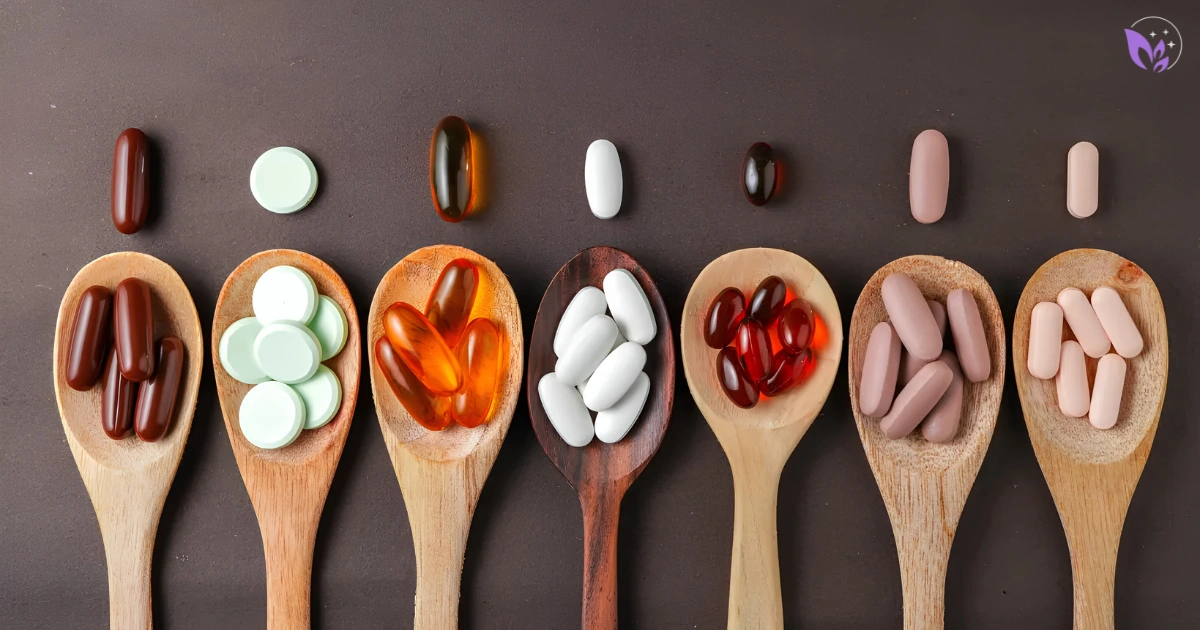
Vitamins and minerals should not be viewed as competitors.
Both have different roles and work together as part of a balanced nutritional approach.
A complete wellness routine focuses on overall nutrition, healthy habits, and informed supplement choices.
Understanding the difference between trace minerals and vitamins helps explain why both nutrients are important.
Vitamins and trace minerals are not alternatives; they work together to support normal body processes and overall wellness.
By focusing on nutrient-rich foods and informed supplement choices, you can build a stronger foundation for long-term wellness.
No. Vitamins are organic compounds, while trace minerals are inorganic elements. Both are essential micronutrients but have different roles.
Neither is more important. The body needs both because they support different functions.
Many people include both vitamins and minerals in their nutritional routines. Always review supplement labels and consider personal needs.
Seafood, nuts, seeds, whole grains, vegetables, and legumes contain different trace minerals.
Trace minerals support normal enzyme activity, nutritional balance, and everyday body functions.
A balanced diet with a variety of whole foods can help provide essential nutrients.
Disclaimer: This content is for informational purposes only and is not intended to diagnose, treat, or replace professional medical advice.


Noor-ul-Ain is a Tech & SEO Content Writer with over 4 years of experience creating search-optimized content for digital platforms. She specializes in SaaS products, AI tools, SEO strategy, and product documentation, helping platforms turn complex features into clear, search-driven growth. Noor-ul-Ain has also written extensively on health science, sports, fitness, fashion, and beauty, focusing on informative and reader-friendly content.
Yes, you can take zinc and iron on the same day. Some multivitamins even contain both. Higher amounts of supplemental

Yes, taking too much zinc can cause copper deficiency. High doses of zinc, especially when taken for several weeks, can

Liquid trace minerals are a good choice if you prefer mixing supplements into water or have difficulty swallowing capsules. Capsules