
What Is Boron in Supplements? Benefits, Food Sources & Safety
Boron is a naturally occurring trace element found in fruits, nuts, legumes, and drinking water. It is also included in

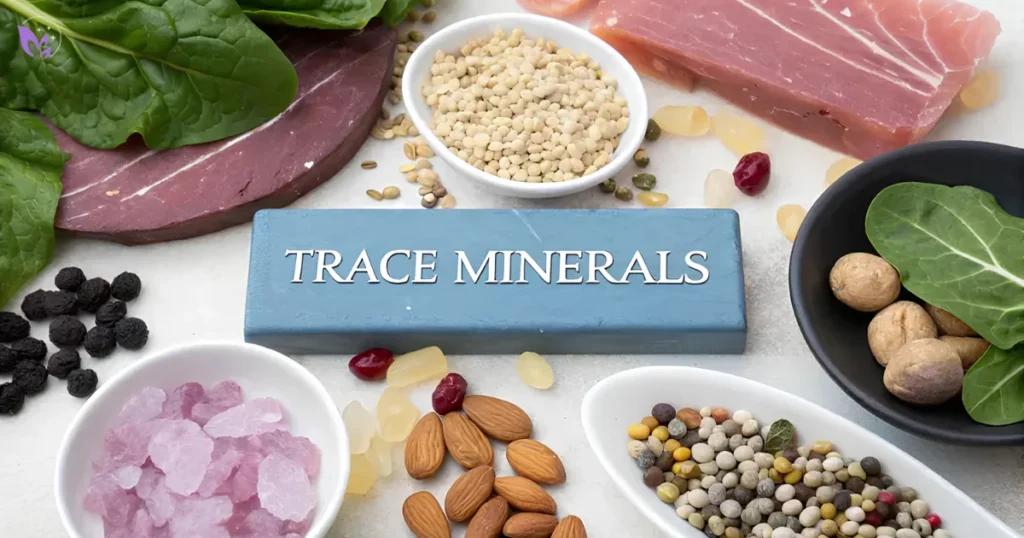
Your body runs on more than food and water. It also needs a steady supply of minerals to keep hydration, energy, muscles, and nerves functioning as they should. Some of these, like calcium or sodium, get a lot of attention. Others are needed in much smaller amounts but are just as important to normal body function. That’s where trace minerals come in. Mahoney Inter Supplements created TRACE Essential Minerals to make it easier to fit these often-overlooked nutrients into a simple daily wellness routine.
These are nutrients the body needs in small amounts. Unlike major minerals, which the body requires in larger quantities, trace minerals only need to show up in tiny doses to do their job. The term “trace” describes the small quantity involved, not the importance or quality of the mineral.
Common examples of essential trace minerals include zinc, selenium, copper, iodine, manganese, and iron. Chromium and boron are also trace elements found in foods, although their essentiality for humans is not established in the same way.
Trace minerals should not be confused with detox ingredients. Their presence in a supplement does not establish that the product removes toxins or produces specific health results.
The easiest way to tell them apart is by the amount your body needs.
Major minerals include calcium, magnesium, sodium, potassium, and chloride. These are needed in larger amounts and are often the ones people think of first when they hear “minerals.”
Trace minerals include zinc, selenium, copper, iodine, manganese, and iron, while chromium and boron are also commonly discussed as trace elements. These categories describe mineral quantities rather than the effectiveness of a particular supplement.
Trace minerals are discussed in nutrition because certain mineral nutrients are required in relatively small dietary amounts. Recommended intake levels differ by mineral, age, and individual circumstances. Some trace elements have established dietary requirements, while others remain under scientific investigation. Their presence in a supplement should not be taken as proof of improved hydration, energy, immunity, or other health outcomes.
Not quite. Electrolytes are minerals that help manage fluid balance, muscle contraction, and nerve signals; sodium, potassium, magnesium, and chloride are the most common examples.
Trace minerals and electrolytes are different classifications. A trace mineral is defined by the relatively small amount required in the diet, while an electrolyte is a substance that forms electrically charged ions in solution.
A question that often comes up: is chloride a trace mineral? Not usually. Chloride is typically classified as a major mineral and an electrolyte, not a trace mineral.
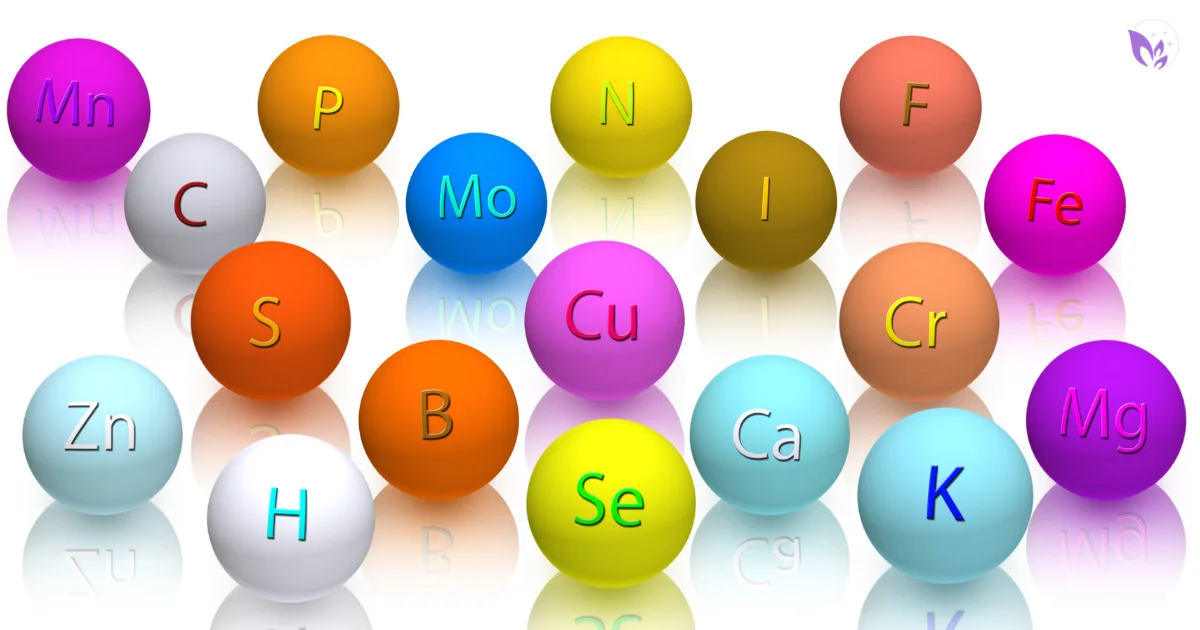
Here’s a quick look:
Liquid mineral drops have become a popular alternative to capsules, and for good reason. They’re simple to mix into water, easy to adjust, and convenient for people who don’t love swallowing pills.
Some of the practical benefits include:
TRACE Essential Minerals from Mahoney Supplements was designed with exactly this kind of convenience in mind: a liquid mineral drop formula built for everyday use.
Getting the most out of liquid mineral drops starts with using them the right way:
Mineral blends vary from one product to the next. A liquid trace mineral formula might include magnesium, chloride, sodium, potassium, sulfate, lithium, boron, or other mineral forms, depending on how it’s made.
Mahoney Trace Essential Minerals is a liquid mineral blend. Its label lists the ingredients, amounts per serving, and directions for use.
People may review their mineral intake for different dietary or practical reasons, including:
If you suspect a mineral deficiency, testing and guidance from a healthcare provider are the right next steps, not guesswork.
TRACE Essential Minerals is designed to be added to your daily water routine. For people who’d rather skip capsules altogether, liquid mineral drops offer a simple, flexible alternative that’s easy to build into an existing habit.

A few reminders worth keeping in mind:
Related Reading: How to Store Supplements
Trace minerals occur in small amounts in foods and are also included in some dietary supplements. Liquid mineral drops offer an alternative to tablets and capsules, but product labels should be compared for ingredients, serving sizes, and precautions. The presence of minerals in a product does not by itself establish a particular health benefit.
Trace minerals are mineral nutrients present or required in small amounts, including zinc, iodine, selenium, copper, and iron. Some other trace elements, such as boron, are not established essential nutrients for humans.
Trace minerals occur naturally in food and can also be ingredients in mineral supplements. Their nutritional requirements differ, and the presence of a mineral in a supplement does not establish additional health benefits.
No. The term “trace mineral” describes a mineral required in small dietary quantities, while “electrolyte” refers to a substance that forms charged ions in solution. Sodium, potassium, magnesium, and chloride are generally classified as major minerals, not trace minerals.
Chloride is usually classified as a major mineral and electrolyte rather than a trace mineral.
Such drops are typically mixed with water or another beverage. Always follow the product label and avoid exceeding the recommended amount.
Many people do use mineral supplements daily, but the right amount depends on individual diet, health status, medications, and the specific product’s label directions.
Supplements are not intended to diagnose, treat, cure, or prevent any disease.


Noor-ul-Ain is a Tech & SEO Content Writer with over 4 years of experience creating search-optimized content for digital platforms. She specializes in SaaS products, AI tools, SEO strategy, and product documentation, helping platforms turn complex features into clear, search-driven growth. Noor-ul-Ain has also written extensively on health science, sports, fitness, fashion, and beauty, focusing on informative and reader-friendly content.
Boron is a naturally occurring trace element found in fruits, nuts, legumes, and drinking water. It is also included in

BioPerine is a branded black pepper extract standardized to contain at least 95% piperine, the natural compound responsible for much

Herbal parasite cleanses have not been proven to treat intestinal parasite infections. Although certain plant compounds have shown antiparasitic activity