
Standardized Herbal Extracts Explained: Understanding 5%, 10:1 & 95%
An herbal extract is a concentrated preparation made by removing specific compounds from a plant using extraction methods such as


Have you ever started a normal meal, eaten only a few bites, and suddenly felt like you cannot continue? If you regularly feel full after eating a small amount, it can be confusing and frustrating. Your meal may still be unfinished, but your body may already be sending signals that you have had enough.
Occasionally feeling full after a large meal is completely normal. However, frequent early fullness may relate to eating habits, digestion, stress, dietary changes, or other factors that affect how your body processes food.
Understanding the possible reasons behind feeling full quickly after eating can help you recognize patterns and make simple lifestyle adjustments that support digestive comfort.
The medical term for feeling full sooner than expected is early satiety. It means you experience fullness after eating only a small amount of food, sometimes even after a few bites.
Normally, your stomach stretches as food enters, and your digestive system and brain send signals to regulate hunger and fullness. These signals help your body know when you have eaten enough.
However, when these signals occur earlier than expected, you may notice:
Occasional fullness after eating is normal. The concern is when early satiety becomes persistent and interferes with your normal eating habits.
Eating speed can influence how full you feel. Your brain and stomach need time to communicate that food has arrived and that you are satisfied.
When you eat very quickly, you may consume more food before your body recognizes fullness. This can lead to sudden discomfort and the feeling that your stomach is too full.
Helpful habits include:
These small changes may improve comfort and reduce the feeling of being full after only a small amount of food.
Sometimes the problem isn’t how much you eat, but the extra pressure from gas or bloating.
Gas can make your stomach feel expanded and uncomfortable, causing you to feel full even after a small meal.
Common factors that may contribute include:
If you often experience fullness together with bloating, abdominal pressure, or discomfort after meals, tracking your food habits may help identify possible triggers.
Persistent changes in digestion are worth paying attention to, especially when they occur alongside other symptoms. Signs of Poor Gut Health & Early Warning Symptoms covers common digestive and wellness-related signs.
Large meals, especially those high in fat, can take longer to digest and may leave you feeling full for several hours.
Foods that may contribute to prolonged fullness include:
Sometimes reducing portion size and eating balanced meals can help your digestive system process food more comfortably.
Fiber plays an important role in digestive health, but increasing fiber intake too quickly may cause temporary fullness, gas, or changes in digestion.
Foods naturally high in fiber include:
If you recently changed your diet or started increasing fiber, your body may need time to adjust. Drinking enough water and increasing fiber gradually can support better digestive comfort.
Some people notice that specific foods make them feel unusually full, heavy, or uncomfortable after eating.
Possible triggers may include:
A simple food journal can help you identify patterns between what you eat and how you feel afterward.
Avoid removing large groups of foods from your diet without proper guidance, because balanced nutrition remains important.

Your digestive system and brain constantly communicate. Stress, anxiety, and emotional strain can influence digestion and change how your stomach feels after meals.
During stressful periods, some people experience:
Supporting relaxation before meals and maintaining healthy routines may help improve digestive comfort.
Stress can influence digestive function through the gut-brain connection. Gut-Brain Connection explains how stress may affect digestion and digestive wellness.
Constipation can make you feel full because food and waste may move more slowly through the digestive system.
People may experience:
Adequate hydration, regular movement, and enough fiber can support healthy digestion.
Your digestive tract contains trillions of microorganisms that support digestion and overall gut function.
Changes in gut bacteria balance may occur after:
These changes may influence digestion, gas production, and how comfortable you feel after eating.
A healthy gut environment is supported by a balanced diet containing a variety of nutrient-rich foods.
Persistent early fullness can sometimes be related to digestive conditions that affect stomach movement or digestion.
Examples may include:
This does not mean every episode of early fullness indicates a serious issue. However, if you regularly feel full after eating very little, talk to a healthcare professional about your symptoms.
Many people use fullness and bloating to describe the same feeling, but they are not always identical.
| Feeling Full | Bloating |
| A sensation that you have eaten enough | A feeling of pressure, expansion, or swelling |
| Often related to meal size or eating speed | Often linked with gas or digestive changes |
| Usually improves as digestion continues | May last longer throughout the day |
You may experience both at the same time. Understanding the difference can help you recognize what your body is experiencing.
You do not need complicated routines to support digestive wellness. Small daily habits can make a meaningful difference.
Taking time during meals allows your body to recognize hunger and fullness signals better.
Water supports normal digestion and helps your body process dietary fiber properly.
Combining protein, fiber, and healthy fats can help create satisfying meals without feeling overly heavy.
Regular meal patterns may help your digestive system maintain a healthy rhythm.
Many people also explore digestive wellness through nutrition education and supplement awareness. Mahoney Supplements focuses on ingredient transparency and helping consumers make informed wellness choices. Those interested can explore and shop Mahoney products to support their personal wellness routines and maintain their overall wellness goals.
A balanced diet includes a variety of nutrient-dense foods that provide essential nutrients and support overall health. Healthy eating can include fruits, vegetables, whole grains, protein sources, and other nutrient-rich foods.

Occasional fullness after eating is usually not a concern. However, you should consider speaking with a healthcare professional if your symptoms are:
Tracking when symptoms occur, what foods trigger them, and how long they last can provide useful information. Digestive disease can involve the gastrointestinal tract and other organs involved in digestion.
Feeling full after eating a small amount can happen for many reasons, including eating habits, stress, digestive changes, and diet patterns. Paying attention to your body’s signals and making small lifestyle adjustments can help support better digestive comfort.
If early fullness continues, worsens, or occurs with other symptoms, professional advice can help identify the underlying cause and next steps.
Feeling full after eating a small amount may happen because of eating habits, digestive discomfort, stress, diet changes, or other factors affecting digestion.
Feeling full after only a few bites may be related to early satiety, stomach sensitivity, meal patterns, or digestive issues. If it happens frequently, consider discussing it with a healthcare professional.
No. Occasional early fullness can happen after large meals, stress, or dietary changes. Persistent symptoms may need further attention.
Yes. Gut health influences digestion, gas production, and overall digestive comfort, which may affect how your stomach feels after meals.
Eating slowly, choosing balanced meals, staying hydrated, and identifying personal food triggers may help support comfortable digestion.
Disclaimer: This article is for educational purposes only and is not intended to diagnose, treat, or replace professional medical advice.


Noor-ul-Ain is a Tech & SEO Content Writer with over 4 years of experience creating search-optimized content for digital platforms. She specializes in SaaS products, AI tools, SEO strategy, and product documentation, helping platforms turn complex features into clear, search-driven growth. Noor-ul-Ain has also written extensively on health science, sports, fitness, fashion, and beauty, focusing on informative and reader-friendly content.
An herbal extract is a concentrated preparation made by removing specific compounds from a plant using extraction methods such as
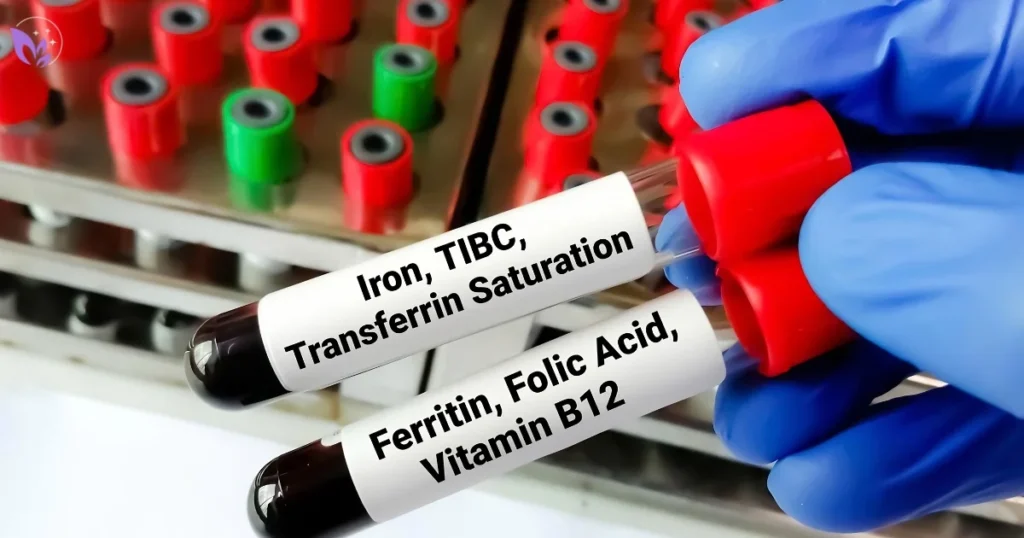
You open your lab report and notice three iron-related results: ferritin, serum iron, and TIBC. Each has its own number,
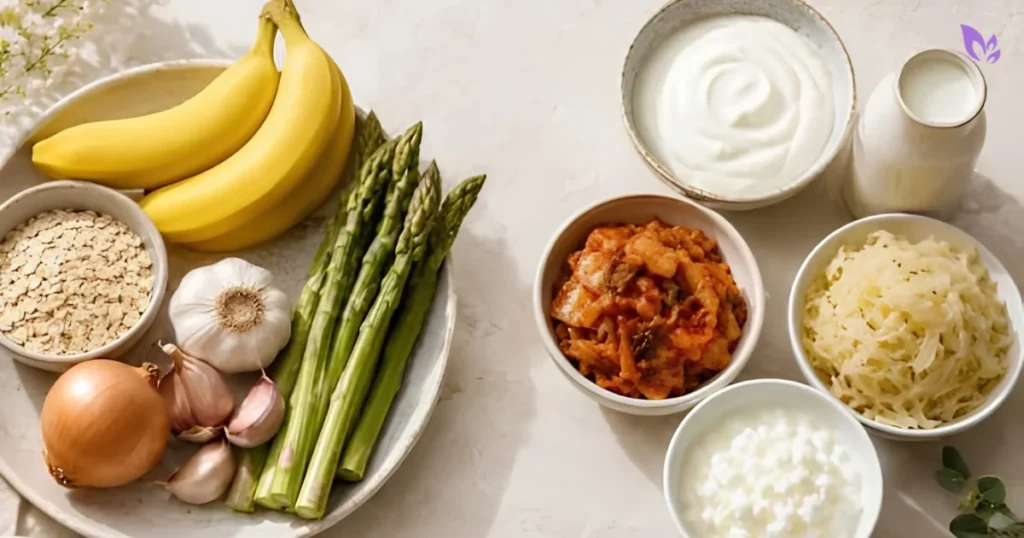
Probiotics and prebiotics are often mentioned together, but they aren’t the same. Understanding the difference between probiotics and prebiotics can