
What Is Boron in Supplements? Benefits, Food Sources & Safety
Boron is a naturally occurring trace element found in fruits, nuts, legumes, and drinking water. It is also included in

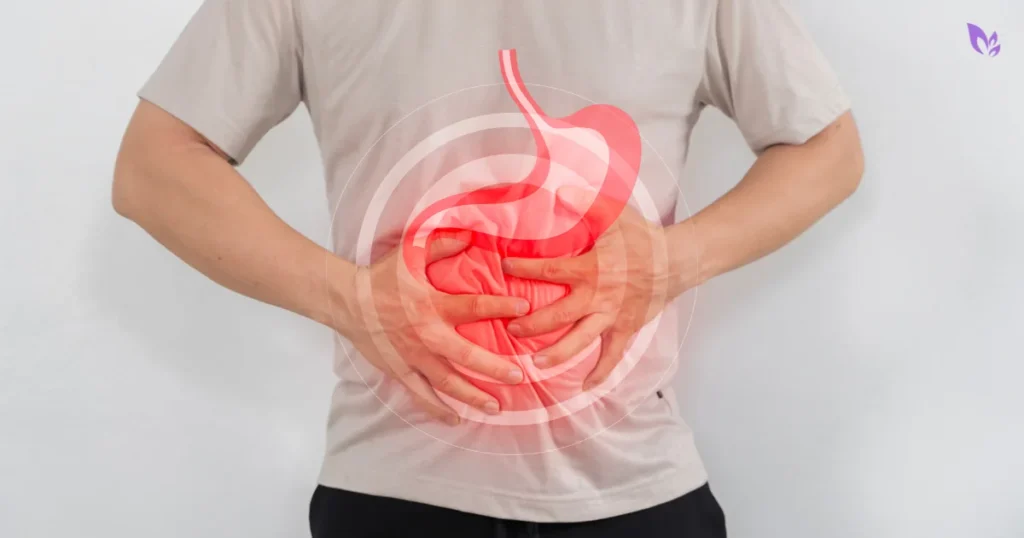
Your digestive system does more than process food. Researchers also study how the gut interacts with other body systems. Many people begin paying attention to gut health when they experience bloating, stomach discomfort, or changes in bowel habits.
People searching for early signs of poor gut health often have questions about bloating, irregular bowel movements, fatigue, and other everyday symptoms. However, these experiences can have different causes and do not necessarily indicate an imbalance in the gut microbiome.
At Mahoney Inter, we explain common signs of poor digestive health, factors associated with gut health, and everyday habits worth considering. This overview also explains when digestive symptoms may require professional medical advice.
In simple terms, it refers to how well your digestive system works and how balanced the bacteria living inside it are. Your gut is home to trillions of microorganisms — collectively called the gut microbiome — and when this community is balanced, digestion runs smoothly, nutrients get absorbed properly, and your immune system stays strong.
Researchers study the gut microbiome in connection with several biological processes, including interactions between the digestive and nervous systems. However, the relationship between microbial composition and individual symptoms remains complex.
The phrase “early signs of poor gut health” often refers to digestive complaints and other symptoms people notice in daily life. These experiences do not necessarily indicate a specific microbiome imbalance.
This is usually where people first notice something. Common digestive signs of an unhealthy gut include:
Recurring digestive symptoms can have several possible causes, so their frequency, duration, and severity are important considerations.
Feeling tired after eating is sometimes discussed alongside digestive health concerns. However, fatigue can have several explanations and does not confirm that the digestive system is functioning poorly.
Other signs to watch for include:
The gut and brain communicate through several pathways, but tiredness or difficulty concentrating alone cannot identify a gut microbiome imbalance.
The relationship between the gut microbiome and skin health is an ongoing area of research. However, skin changes alone cannot establish whether someone has poor gut health.
Watch for:
Skin changes can have different explanations and should not automatically be attributed to digestive health.
Some people notice changes in how they feel after eating particular foods. These reactions do not necessarily indicate a problem with the gut microbiome. Examples include:
Food-related discomfort can have different explanations, and persistent reactions may require professional assessment.

The most common contributors include:
These factors may overlap, but none can independently establish the cause of digestive symptoms or confirm poor gut health.
Alongside diet and lifestyle habits, some people also include Paragon Cleanse in their supplement routines. Supplement choices should be based on individual needs and product label information.
Research on gut health also examines how the digestive system interacts with other body systems. Some commonly discussed areas include:
These research areas are complex, and symptoms involving different body systems should not automatically be attributed to poor gut health.
Everyday eating and lifestyle habits are often part of discussions about digestive health. Some common gut health habits people consider include:
Digestive symptoms can have different underlying causes. Professional medical advice is important when symptoms are persistent, severe, or accompanied by concerning changes, including:
Chronic digestive problems are worth getting checked out rather than managing on your own indefinitely; a doctor can rule out underlying conditions that lifestyle changes alone won’t fix.
Paying attention to recurring digestive symptoms, changes in eating patterns, and everyday habits can provide useful context when discussing gut health. Persistent or unusual symptoms should be assessed by a qualified healthcare professional rather than assumed to indicate a microbiome imbalance.
Commonly discussed signs of poor gut health include bloating, gas, constipation, and changes in bowel movements. These symptoms can have different causes and do not independently confirm a gut microbiome imbalance.
Fatigue may occur alongside digestive complaints, but it has many possible causes. Feeling tired after meals does not necessarily indicate poor gut health or a microbiome imbalance.
Recurring bloating, constipation, diarrhea, or discomfort after meals may prompt questions about digestive health. However, these symptoms cannot independently determine whether the gut microbiome is unhealthy.
Fiber-rich foods include vegetables, fruits, beans, and whole grains. Yogurt and kefir are examples of fermented foods. No particular food or universal timeline guarantees noticeable digestive changes.
This content is for informational purposes only and is not a substitute for professional medical advice.


Noor-ul-Ain is a Tech & SEO Content Writer with over 4 years of experience creating search-optimized content for digital platforms. She specializes in SaaS products, AI tools, SEO strategy, and product documentation, helping platforms turn complex features into clear, search-driven growth. Noor-ul-Ain has also written extensively on health science, sports, fitness, fashion, and beauty, focusing on informative and reader-friendly content.
Boron is a naturally occurring trace element found in fruits, nuts, legumes, and drinking water. It is also included in
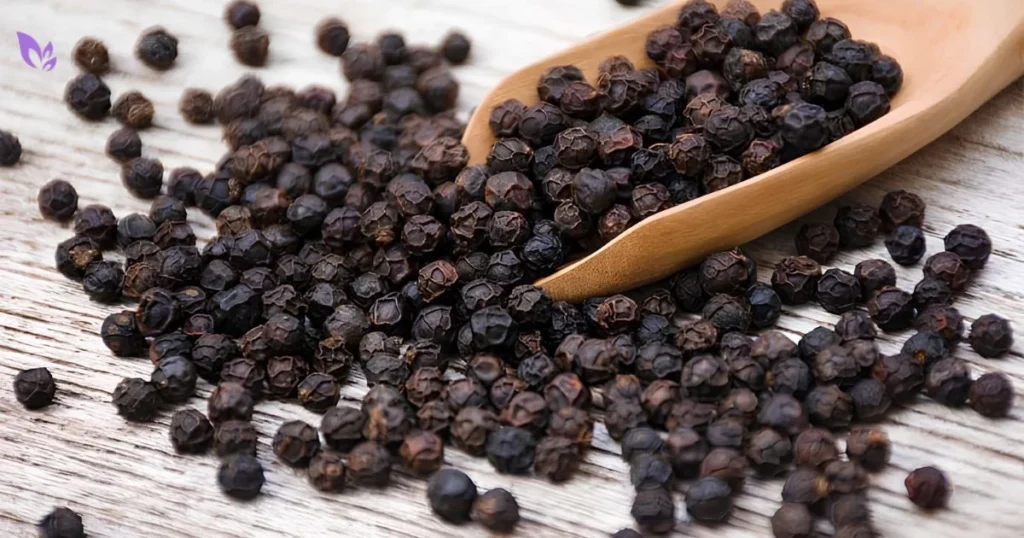
BioPerine is a branded black pepper extract standardized to contain at least 95% piperine, the natural compound responsible for much

Herbal parasite cleanses have not been proven to treat intestinal parasite infections. Although certain plant compounds have shown antiparasitic activity