
TNM Liver Support Ingredients Explained: Formula Breakdown, Benefits & Key Nutrients
When choosing a liver support supplement, the ingredient panel often tells you more than the front label. Understanding why each

Vitamins are essential micronutrients that your body needs in small amounts to support important functions such as energy production, immune health, metabolism, and normal body processes. However, not all vitamins behave the same way once they enter your body.
Some vitamins dissolve in fat, while others dissolve in water. This simple difference affects how they are absorbed, how long they remain in the body, and how your body handles excess amounts.
Understanding the difference between fat-soluble vs. water-soluble vitamins can help you make more informed choices about nutrition, food sources, and your supplement routine.
Solubility refers to a substance’s ability to dissolve in another substance. Vitamins are classified into two main groups based on what they dissolve in:
This difference matters because it influences three important factors:
Fat-soluble vitamins usually require dietary fat for proper absorption, while water-soluble vitamins can be absorbed through normal digestive processes.
Some vitamins can be stored in body tissues for longer periods, while others are not stored in large amounts and require regular intake.
The type of vitamin can affect when and how best to take it. Factors such as diet, nutrient form, and individual needs can affect how well supplements are utilized.
Fat-soluble vitamins include:
These vitamins dissolve in fat and can be stored in the liver and body tissues. Because they remain in the body longer, excessive intake may increase the risk of unwanted effects. Fat-soluble vitamins differ from water-soluble vitamins in how the body stores and processes them.
Vitamin A supports several important functions, including:
Food sources include eggs, dairy products, fish, and colorful vegetables containing beta-carotene.
Vitamin D is important for:
The body can produce vitamin D through sunlight exposure, and it can also be obtained from foods such as fatty fish and fortified products.
Vitamin E functions mainly as an antioxidant. It helps protect cells from oxidative stress caused by unstable molecules called free radicals.
Common sources include:
Vitamin K plays an important role in:
Leafy green vegetables are among the richest food sources.

Water-soluble vitamins include:
Unlike fat-soluble vitamins, most water-soluble vitamins are not stored in large amounts in the body. Regular intake through food or supplements may therefore be important.
Vitamin C supports:
Common sources include citrus fruits, strawberries, peppers, and vegetables.
The B vitamin family includes:
B vitamins help support:
Vitamin B12 is an exception because the body can store it in the liver longer than many other water-soluble vitamins.
| Feature | Fat-Soluble Vitamins | Water-Soluble Vitamins |
| Dissolve in | Fat | Water |
| Main vitamins | A, D, E, K | B vitamins, Vitamin C |
| Storage | Stored in body tissues | Limited storage |
| Absorption | Requires dietary fat | Does not require fat |
| Excess handling | Can accumulate | Usually removed through urine |
Vitamin absorption determines how much of a nutrient your body can actually use.
Two people may take the same supplement but experience different results because absorption can be influenced by:
This is also why supplements may work differently for different people. Understanding your body’s response, nutrient needs, and lifestyle factors can help create a more informed approach.
Supplement responses can vary from person to person due to differences in nutrient needs, absorption, gut health, lifestyle, and other factors. Why Supplements Work Differently for Everyone explains the key factors that can influence individual results.
Fat-soluble and water-soluble vitamins follow different pathways inside the body.
The process generally involves:
Dietary fat intake
↓
Fat digestion in the digestive system
↓
Vitamin absorption in the intestine
↓
Transport through the body
↓
Storage in tissues
Because these vitamins depend on fat absorption, taking them with a meal containing healthy fats may support better utilization.
Water-soluble vitamins follow a different process:
Vitamin dissolves in water
↓
Absorption into bloodstream
↓
Delivery to cells
↓
Excess removed from the body.
Because they are not stored extensively, consistent intake is often important.
Many people ask when to take fat-soluble vitamins.
Because vitamins A, D, E, and K depend on dietary fat for absorption, taking them with a meal containing some healthy fat is generally considered a practical approach.
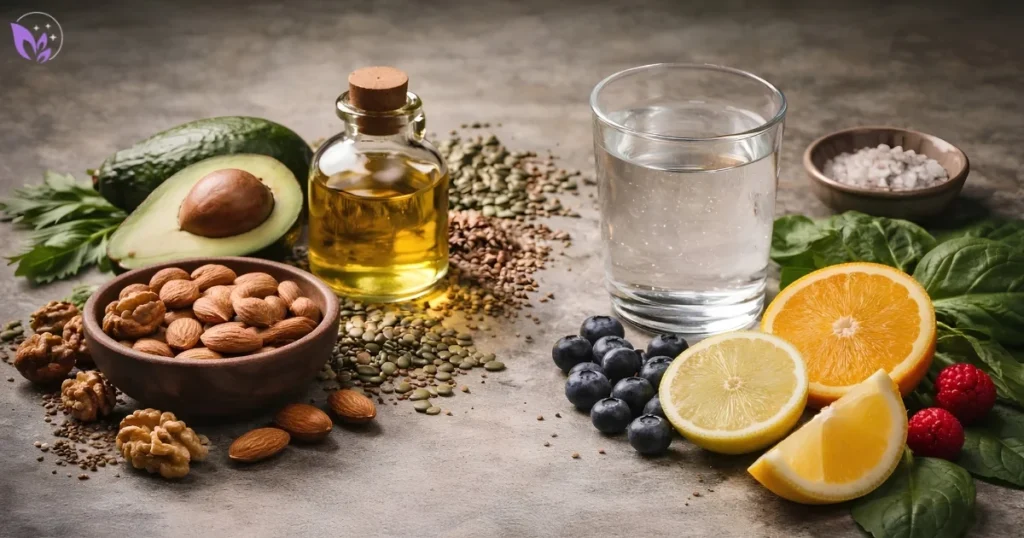
Examples of foods containing healthy fats include:
Water-soluble vitamins are generally more flexible and can often be taken with or without meals, although some people prefer taking them with food to reduce stomach discomfort.
Yes. More vitamins do not always mean better results.
Fat-soluble vitamins can remain stored in the body for longer periods, so excessive intake of certain vitamins may increase the risk of toxicity. High-dose fat-soluble vitamin intake may be a concern, especially when supplements are taken above recommended levels.
Water-soluble vitamins are generally removed more easily through urine, but very high doses are still not automatically safe.
Always follow recommended amounts and consider professional advice before using high-dose supplements.

Choosing a supplement is not only about the vitamin listed on the label. Quality, sourcing, testing, and manufacturing practices also matter.
When evaluating supplements, consider:
Understanding how supplements are evaluated can help consumers make more informed choices. Supplement quality testing covers ingredient testing, GMP standards, quality control, and manufacturing processes.
The difference between fat-soluble vs. water-soluble vitamins comes down to how they dissolve, how they are absorbed, and how the body stores them.
Remember:
At Mahoney Inter Supplements, we focus on helping people better understand how nutrients work in the body so they can make more informed choices about their supplement routine.=
Yes. Vitamins A, D, E, and K can be stored in body tissues, including the liver and fat tissue.
Vitamin C and B vitamins are water-soluble.
Taking fat-soluble vitamins with a meal containing dietary fat may support absorption.
Fat-soluble vitamins generally remain in the body longer because they can be stored.
Daily vitamin needs depend on the specific nutrient, diet, health status, and individual requirements.
Disclaimer: This article is for general educational purposes only and is not medical advice. Always consult a qualified healthcare professional before changing your supplement routine.


Noor-ul-Ain is a Tech & SEO Content Writer with over 4 years of experience creating search-optimized content for digital platforms. She specializes in SaaS products, AI tools, SEO strategy, and product documentation, helping platforms turn complex features into clear, search-driven growth. Noor-ul-Ain has also written extensively on health science, sports, fitness, fashion, and beauty, focusing on informative and reader-friendly content.
When choosing a liver support supplement, the ingredient panel often tells you more than the front label. Understanding why each

Collagen is one of the body’s main structural proteins, which is why collagen supplements have become popular for skin, joints,
Astaxanthin has gone from a little-known marine pigment to a familiar name in supplement discussions. But what exactly is it,