
TNM Liver Support Ingredients Explained: Formula Breakdown, Benefits & Key Nutrients
When choosing a liver support supplement, the ingredient panel often tells you more than the front label. Understanding why each

Inositol is increasingly discussed for PCOS, insulin resistance, blood sugar, fertility, and other wellness goals. The body produces it naturally, and it appears in many foods; it’s also sold as a supplement. But different forms aren’t interchangeable, and promising research doesn’t mean every claimed benefit is proven. This guide covers its types, potential uses, food sources, dosage, the 40:1 ratio, and safety.
Inositol is a naturally occurring carbohydrate compound, technically a polyol (sugar alcohol), found in the body and many foods. Cells use it in cell membranes and signaling pathways, including insulin-related signaling.
You may also see it called vitamin B8. That label appears in older literature and supplement marketing, but it is a misnomer: inositol is not officially classified as a vitamin. The body can make it, while food provides additional amounts.
Think of inositol as part of the cell’s communication system. It participates in signaling pathways that help cells respond to hormones, including insulin-related signals.
Because of this role, researchers study inositol in relation to insulin sensitivity, glucose metabolism, reproductive function, and PCOS. A biological mechanism explains why a compound is studied, but it does not, by itself, prove clinical benefit.
Several stereoisomers exist, but myo-inositol and D-chiro-inositol are the forms most often discussed in nutrition and clinical research.
Myo-inositol (MI) is widely distributed in nature and is one of the most studied forms in PCOS and metabolic research. Research on myo-inositol benefits has particularly focused on metabolic and reproductive outcomes. Many supplements contain it alone or with D-chiro-inositol.
D-chiro-inositol (DCI) is another naturally occurring form involved in insulin-related signaling. It has been studied in PCOS and metabolic health, alone and with myo-inositol. This is why the myo-inositol vs D-chiro-inositol distinction matters.
IP6, or inositol hexaphosphate, is a different inositol-containing compound. Research on IP6 should not automatically be applied to myo-inositol or D-chiro-inositol supplements.
Researchers have studied inositol benefits across several areas, but evidence strength varies by condition and outcome.
PCOS is one of the largest areas of inositol research. Studies examine menstrual regularity, ovulation, androgen-related measures, insulin resistance, and metabolic outcomes.
A 2026 umbrella review found improvements in several hormonal, metabolic, and reproductive outcomes, including HOMA-IR, testosterone-related measures,s and ovulation. However, it found no high-quality evidence overall, with many outcomes rated low or very low certainty. The findings are promising, but they do not establish inositol as a cure or universal treatment for PCOS.
Researchers have studied inositol for insulin sensitivity, fasting glucose, insulin levels, and HOMA-IR. A 2025 meta-analysis of 18 randomized controlled trials found reductions in glucose, insulin, and HOMA-IR, plus improvements in several lipid measures, although several outcomes showed substantial heterogeneity.
Current evidence on inositol and metabolic health examines its potential effects on metabolic markers. Inositol is not a diabetes treatment and should not replace prescribed medical care.
Because PCOS can affect ovulation, inositol has been studied for fertility-related outcomes. Some studies report potential benefits, but evidence remains uncertain. Current PCOS guidance considers inositol for infertility an experimental therapy rather than an established fertility treatment.
Some trials report modest changes in BMI or waist circumference, but evidence is inconsistent, and certainty is lower for several body-measure outcomes. Inositol should not be viewed as a standalone weight-loss supplement.
Inositol has also been investigated for anxiety, depression, panic disorder, and obsessive-compulsive symptoms, but evidence is less established. Pregnancy research is also mixed; a large randomized trial in pregnant people with PCOS found no reduction in the combined risk of gestational diabetes, preeclampsia, or preterm birth with daily myo-inositol. Anyone considering inositol during pregnancy should discuss it with a healthcare professional.
You do not need a supplement to get inositol from food. Myo-inositol occurs naturally in fruits, beans and other legumes, grains and nuts.
| Food group | Examples |
| Fruits | Melons, citrus and other fruits |
| Beans and legumes | Beans, chickpeas and lentils |
| Nuts and seeds | Nuts and seeds |
| Grains | Whole grains and grain products |
| Vegetables | A range of vegetables |
These natural sources of inositol contribute to dietary intake, but amounts vary by food and preparation. Foods high in inositol are best viewed as part of a balanced diet.
No single inositol dosage is appropriate for everyone. Studies use different forms, amounts, durations, and combinations.
The 40:1 inositol ratio means 40 parts myo-inositol to 1 part D-chiro-inositol. It is widely discussed in PCOS supplementation, but current PCOS guidance doesn’t establish one ideal type, dose, or combination for everyone because the evidence isn’t strong enough.
A 40:1 inositol ratio is commonly studied, but it is not established as the ideal choice for everyone. When selecting an inositol supplement, consider the intended use, ingredient form, dosage, and individual needs. A personalized supplement plan can help put supplement choices into the context of individual wellness goals.
Inositol is generally well tolerated in clinical studies, but side effects can occur, particularly at higher doses. Reported effects may include nausea, diarrhea, abdominal discomfort, headache, dizziness, or gas.
A clinical safety review found that a very high myo-inositol dose of 12 g per day produced mild gastrointestinal effects such as nausea, gas, and diarrhea. That does not mean 12 g is an appropriate personal dose; study doses should not automatically be treated as recommendations.
If you are pregnant, take prescription medication, have a medical condition, or plan to use inositol long term, discuss it with a qualified healthcare professional.
The short answer is: promising, but not definitive.
What looks promising:
What remains uncertain:
Evidence on inositol and PCOS in 2026 shows positive results for several pooled outcomes, although the overall quality of evidence remains variable. The 2026 evidence on inositol and PCOS highlights these findings and the limitations of the available research.
Differences in dosage, formulation, existing health conditions, and individual nutritional needs can all influence how people respond to supplements. These factors help explain why responses to supplements vary from person to person.
Inositol is a naturally occurring compound involved in cell signaling, with strong research interest around PCOS and metabolic health. Some findings are promising, but the evidence does not support treating it as a universal cure, weight-loss solution, or guaranteed fertility treatment. Form, dose, individual circumstances, and evidence quality all matter. At Mahoney Inter, we believe understanding these differences is essential for making informed decisions about nutrition and supplements.
No. Inositol is sometimes called vitamin B8, but it is not officially classified as a vitamin.
They are different forms of inositol that participate in related biological pathways and have been studied separately and together, particularly in PCOS and metabolic research.
Research suggests possible benefits for some metabolic, hormonal, and reproductive outcomes, but evidence quality varies, and it is not a guaranteed treatment.
It means 40 parts myo-inositol to 1 part D-chiro-inositol. It is commonly used and studied, especially in PCOS, but it is not established as the ideal ratio for everyone.
Researchers have studied daily use, but whether it is appropriate depends on the form, amount, reason for use, and individual circumstances.
Disclaimer: This article is for educational purposes only and is not intended to diagnose, treat, cure, or replace professional medical advice. Always consult a qualified healthcare professional before starting, stopping, or changing a supplement routine.


Noor-ul-Ain is a Tech & SEO Content Writer with over 4 years of experience creating search-optimized content for digital platforms. She specializes in SaaS products, AI tools, SEO strategy, and product documentation, helping platforms turn complex features into clear, search-driven growth. Noor-ul-Ain has also written extensively on health science, sports, fitness, fashion, and beauty, focusing on informative and reader-friendly content.
When choosing a liver support supplement, the ingredient panel often tells you more than the front label. Understanding why each
Collagen is one of the body’s main structural proteins, which is why collagen supplements have become popular for skin, joints,
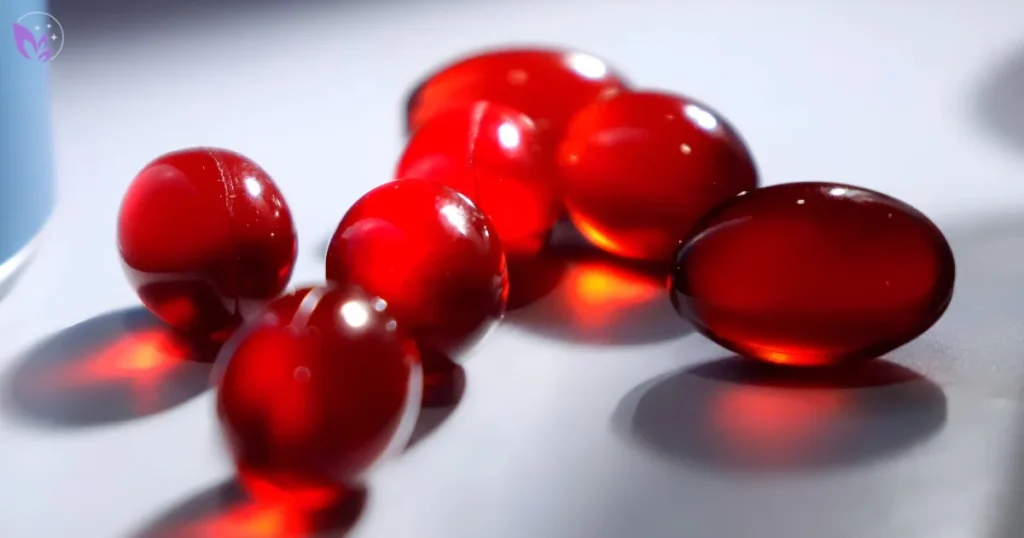
Astaxanthin has gone from a little-known marine pigment to a familiar name in supplement discussions. But what exactly is it,