
Can You Take Zinc and Iron Together? Absorption, Timing & Safety
Yes, you can take zinc and iron on the same day. Some multivitamins even contain both. Higher amounts of supplemental

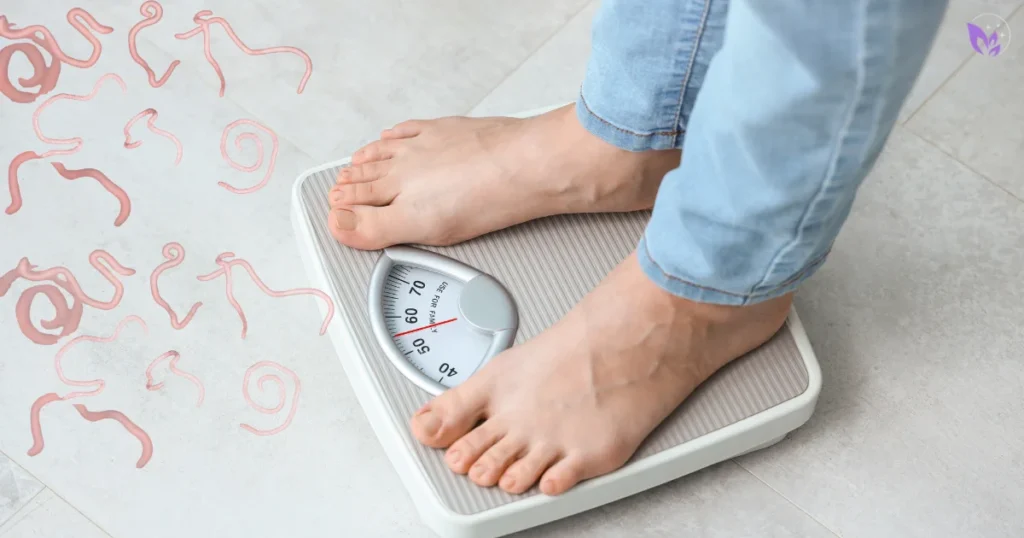
If your weight has increased without an obvious explanation, it is natural to wonder whether digestion, gut health, or an intestinal infection could be involved. Parasites are usually associated with weight loss, which can make a rising scale reading confusing.
Bloating, constipation, abdominal fullness, and normal fluid changes can make the stomach look larger or temporarily increase scale weight. These changes are not the same as gaining body fat. This article explains what the evidence shows, which symptoms matter, and when testing may be needed.
Can intestinal parasites cause weight gain? They are not considered common or reliable causes of true body fat gain. Some infections can affect appetite, digestion, bowel movements, and nutrient absorption. Bloating or constipation may also cause a temporary increase in scale or make the abdomen appear larger.
The more established effects include reduced appetite, poor nutrient absorption, difficulty gaining weight, malnutrition, and unexplained weight loss. Weight gain alone is therefore not enough to suggest that a parasitic infection is present.
Parasites are more commonly linked with weight loss or poor weight gain than with fat accumulation.
| Possible change | Possible explanation |
| Unexplained weight loss | Diarrhea, reduced appetite, or nutrient absorption problems |
| Difficulty gaining weight | Persistent infection or nutritional deficiencies |
| Temporary scale increase | Constipation, bloating, or digestive contents |
| Larger-looking abdomen | Gas or abdominal distension |
| Actual body-fat gain | Not considered a typical parasite symptom |
Some infections cause diarrhea, appetite loss, or malabsorption, all of which are more likely to lead to weight loss.
A short-term increase due to constipation or abdominal fullness is distinct from fat gain. There is also no strong evidence that intestinal worms routinely slow metabolism or cause the body to store additional fat.
Unexplained weight gain and bloating may occur together, but they do not necessarily have the same cause. Bloating can change how the abdomen looks and how clothing fits without increasing body fat.
Gas, constipation, fluid retention, and the amount of food or waste in the digestive tract can all affect scale readings. Digestive bloating may come and go, worsen after meals, or improve after a bowel movement. Constipation can also increase temporary scale weight until regular bowel habits return.
Persistent stomach swelling has many possible causes. Readers primarily concerned with digestive pressure can explore the connection between parasites and persistent bloating without conflating abdominal distension with fat accumulation.
Different intestinal infections can affect body weight in different ways.
These effects also explain why parasite symptoms and weight changes should always be considered as part of a broader health picture.
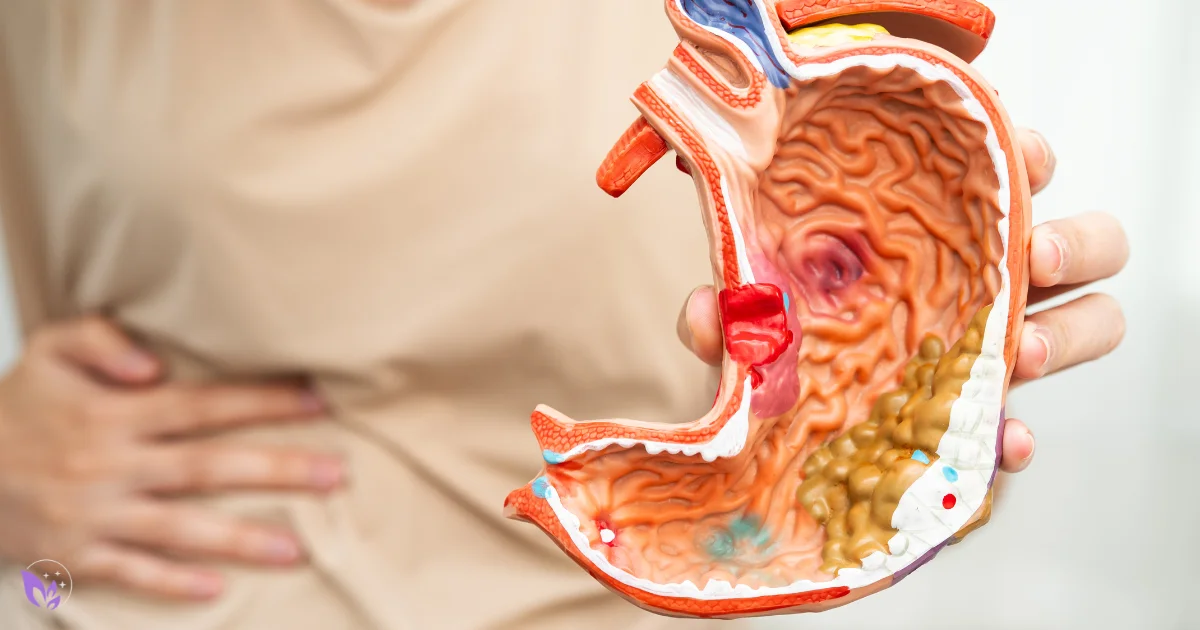
Giardia and several intestinal worms can affect digestion, but their symptoms differ. Some infections are associated with diarrhea and poor nutrient absorption, while certain intestinal worms may cause abdominal pain, appetite loss, anemia, or weight loss.
Official guidance on the health effects of intestinal worm infections highlights reduced nutritional intake and impaired physical development rather than routine fat gain.
Weight changes alone cannot identify the organism. Symptoms, exposure history, and appropriate testing are needed.
A change on the scale is rarely sufficient to suggest intestinal parasites. More useful warning signs include:
Weight gain without digestive problems, travel history, or another relevant exposure does not strongly suggest an infection. Some people with parasitic infections may also experience mild symptoms or none at all.
Many common factors can affect body weight, including changes in food intake, reduced physical activity, poor sleep, stress, constipation, fluid retention, medication effects, hormonal changes, and thyroid-related conditions.
Persistent unexplained weight gain should be assessed in context, particularly when accompanied by swelling, breathlessness, severe fatigue, or digestive symptoms.
Starting a parasite cleanse only because the scale has increased is not a reliable diagnostic approach. Symptoms that continue, worsen, or interfere with daily life deserve a professional assessment rather than self-diagnosis.
Diagnosis normally begins with a review of symptoms, recent travel, food and water exposure, and how long the problem has continued.
Testing may include stool antigen tests, stool ova-and-parasite examinations, blood tests, or other investigations. More than one stool sample may sometimes be required because parasites or eggs may not appear in every specimen. One negative result does not automatically rule out every possible infection.
A qualified professional should select the appropriate tests for diagnosing parasitic diseases rather than relying on symptoms, online checklists, or home observations alone.
Treatment should address a confirmed infection, not serve as a weight-loss strategy. Prescription antiparasitic medicines are selected according to the organism involved and the person’s individual health circumstances.
If treatment reduces constipation or bloating, a person may notice a temporary change in scale weight. This does not necessarily represent fat loss. Diet, hydration, food intake, and bowel movements can also affect short-term weight.
Anyone considering supplements should first understand realistic parasite cleanse expectations rather than assuming a cleanse will diagnose an infection or guarantee weight loss. Supplements should not replace medical testing or prescribed treatment.

Seek medical advice for blood in the stool, severe or worsening abdominal pain, persistent vomiting, prolonged diarrhea, dehydration, fever, visible worms or segments, unexplained weight loss, or symptoms beginning after international travel.
Guidance is especially important during pregnancy, for children, and for people with weakened immune systems. Sudden weight gain accompanied by swelling or breathing difficulty may also require prompt assessment.
Can parasites cause weight gain? They are not considered a common cause of true fat accumulation. Bloating, constipation, and abdominal distension may temporarily increase scale weight or make the stomach look larger, while poor nutrient absorption and unexplained weight loss are more established concerns.
Weight gain alone cannot diagnose a parasitic infection. Persistent digestive symptoms, relevant exposure, or unexplained weight changes should be discussed with a qualified healthcare professional to determine the appropriate testing and treatment.
Intestinal worms are not a typical cause of body-fat gain. Worms and weight gain may appear connected when constipation or bloating temporarily increases scale weight, but infections are more often associated with nutritional problems or weight loss.
Parasites may contribute to digestive symptoms such as gas or abdominal distension in some cases. A larger-looking stomach caused by bloating is different from increased body fat.
Tapeworm infections are more commonly associated with abdominal discomfort, appetite loss, and weight loss. Weight gain alone is not considered a reliable sign of a tapeworm infection.
There is limited evidence that parasites directly prevent fat loss. Digestive symptoms may affect appetite, activity levels, or eating habits, but many other explanations are more common.
Water retention is not considered a defining symptom of intestinal parasites. Fluid-related weight changes have many possible causes and should be professionally assessed when they are persistent or significant.
Deworming treats susceptible worm infections; it is not a weight-loss treatment. Any change on the scale may reflect improvements in digestive symptoms rather than a reduction in body fat.
This article is for general informational purposes only and is not a substitute for professional medical advice, diagnosis, or treatment. Always consult a qualified healthcare provider with questions about your health.


Noor-ul-Ain is a Tech & SEO Content Writer with over 4 years of experience creating search-optimized content for digital platforms. She specializes in SaaS products, AI tools, SEO strategy, and product documentation, helping platforms turn complex features into clear, search-driven growth. Noor-ul-Ain has also written extensively on health science, sports, fitness, fashion, and beauty, focusing on informative and reader-friendly content.
Yes, you can take zinc and iron on the same day. Some multivitamins even contain both. Higher amounts of supplemental

Yes, taking too much zinc can cause copper deficiency. High doses of zinc, especially when taken for several weeks, can

Liquid trace minerals are a good choice if you prefer mixing supplements into water or have difficulty swallowing capsules. Capsules