
Why Supplements Work Differently for Everyone: 8 Factors That Affect Results
Have you ever noticed that a supplement works very well for one person but produces little noticeable change for another?


Bloating is one of those symptoms many people deal with, but few talk about openly. When it becomes a regular problem — stomach pressure, gas, fullness after meals, or a belly that feels swollen even after eating normally—it is natural to start looking for deeper answers. One common question is: can parasites cause bloating?
The short answer is yes, parasites can cause bloating in some cases. Certain intestinal parasites may irritate the digestive tract and affect normal bowel function. However, bloating does not always mean parasites. Food intolerance, constipation, IBS, stress, low fiber intake, poor hydration, and other digestive discomfort causes can also create the same feeling.
Mahoney Inter Supplements covers this topic as part of its broader educational focus on gut health and parasites. The goal is not to scare readers or suggest that every bloating issue comes from parasites. The goal is to help you understand the possible causes, warning signs, and safe next steps.
Yes, some intestinal parasites may cause bloating, gas, cramping, nausea, diarrhea, constipation, or changes in appetite. When parasites affect the digestive tract, they may irritate the intestinal lining, interfere with normal digestion, and change how quickly food moves through the gut.
This disruption can lead to gas buildup, abdominal discomfort, irregular bowel movements, and a heavy or swollen feeling in the stomach. Some people may also notice bloating that does not seem to be tied to any specific food.
However, parasites do not cause bloating in a unique way that is easy to identify at home. Parasites and bloating can look very similar to IBS, food intolerance, constipation, or general gut imbalance. That is why symptoms alone are not enough to confirm a parasite problem.
If parasites are involved, bloating usually does not occur on its own. Other parasite symptoms in the stomach may include:
These intestinal parasite symptoms can vary from person to person. Some people may have mild digestive discomfort, while others may experience stronger symptoms. The difficult part is that many of these signs of parasites in humans also overlap with common digestive conditions.
For example, IBS can also cause bloating, cramping, gas, diarrhea, constipation, and changes in bowel habits. Food intolerance can also cause stomach bloating after eating. This is why it is important to consider the full symptom pattern rather than focusing on bloating alone.
This is an important point. Bloating is very common, and parasites do not cause most cases. Many everyday issues can create gas, pressure, and stomach swelling.
| Possible Cause | Common Signs |
| Food intolerance | Bloating after dairy, gluten, fried foods, or certain meals |
| Constipation | Hard stool, slow bowel movements, fullness, pressure |
| IBS | Recurring bloating with diarrhea, constipation, or bowel changes |
| Stress and anxiety | Bloating with poor sleep, tension, or irregular eating |
| Low fiber intake | Sluggish digestion and irregular bowel movements |
| Eating too quickly | Gas, burping, and bloating after meals |
| Parasites | Bloating with diarrhea, cramps, fatigue, weight changes, travel history, or food/water exposure |
The last row matters. Parasite-related bloating is more concerning when it occurs with other symptoms, such as ongoing diarrhea, stomach pain, fatigue, unexplained weight loss, or symptoms after travel or exposure to possibly contaminated food or water.
If your bloating mostly happens after certain foods, during stressful periods, or when you are constipated, parasites may not be the most likely cause.
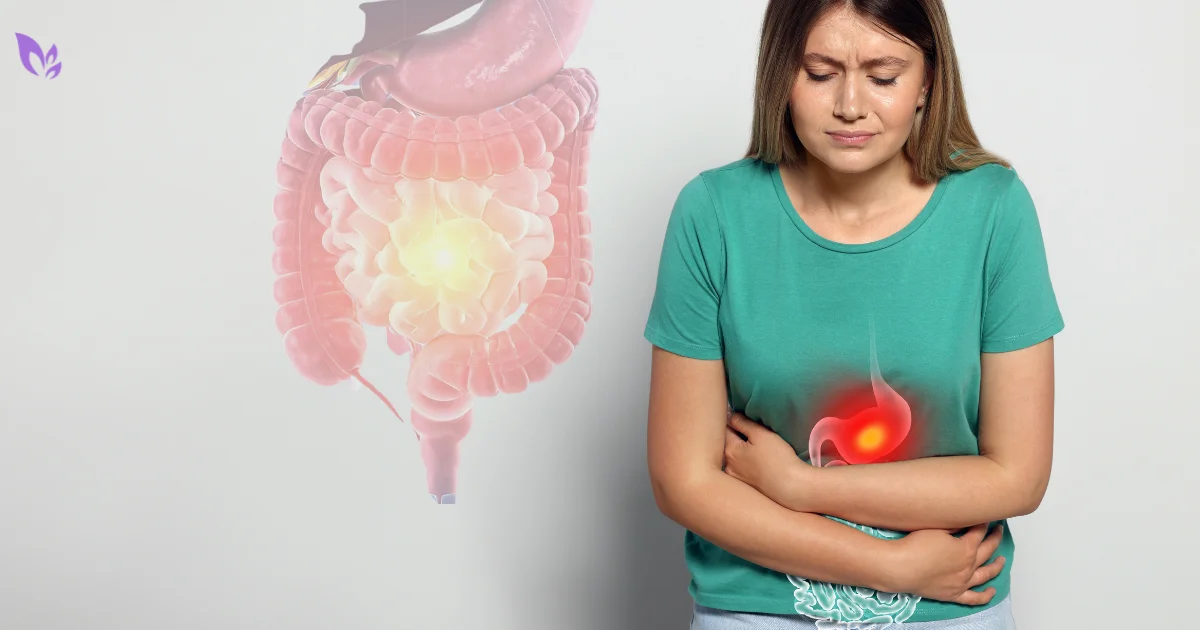
Different parasites can affect the digestive system in different ways. Some may cause gas and bloating, while others may cause diarrhea, cramps, appetite changes, or fatigue.
Examples include:
This does not mean every person with bloating has one of these parasites. It simply means some parasites may be linked with digestive symptoms. Confirming a parasite infection usually requires proper testing, not guesswork.
Parasite symptoms can be confusing because they often look like other gut problems. A person with IBS may have bloating, cramps, gas, diarrhea, and constipation. A person with a food intolerance may feel bloated after eating certain meals, and constipation may cause pressure, fullness, and stomach swelling.
Here is a simple way to understand the difference:
This section is not meant to diagnose the cause. It is meant to show why self-diagnosis based on bloating alone can be misleading.
If you think parasites may be causing bloating, take a calm and practical approach before jumping to conclusions.
This approach is safer than relying on symptoms alone or trying multiple products without knowing the actual cause.
Some people consider a structured cleanse routine as part of their digestive wellness support plan. This may include diet changes, hydration, bowel regularity, and supplement use. However, a parasite cleanse for bloating should be approached with realistic expectations.
A parasite cleanse routine is not a guaranteed cure for bloating, and it should not replace medical advice if you have serious symptoms or suspect a confirmed parasite infection. If bloating is caused by IBS, constipation, food intolerance, stress, or another digestive issue, a parasite cleanse may not address the real problem.
Mahoney supplements such as Paragon Cleanse are used by some people as part of a structured wellness cleanse routine. For best results, users should follow product directions, avoid extreme claims, and combine any routine with basic gut-support habits.
If you are following a cleanse plan, your diet also matters. A balanced parasite cleanse diet may support gut comfort by focusing on hydration, fiber, whole foods, and reduced processed sugar.
Whether bloating is related to parasites, constipation, food intolerance, or general gut imbalance, basic habits can support better gut comfort.
Helpful steps include:
These habits support gut balance and digestive wellness without relying on quick-fix promises. They are especially useful when bloating and gas causes are unclear.

Some symptoms should not be ignored. See a healthcare professional if you experience:
These situations need proper medical guidance. A supplement or cleanse routine should not be used as the main solution when red-flag symptoms are present.
So, can parasites cause bloating? Yes, they can in some cases. Parasites may affect the gut and cause bloating, gas, stomach cramps, diarrhea, constipation, fatigue, or appetite changes.
But bloating does not automatically mean parasites. It can also come from food intolerance, IBS, constipation, stress, low fiber intake, poor hydration, or other digestive discomfort causes.
The smartest approach is simple: track your symptoms, look for patterns, support gut health with good daily habits, avoid extreme claims, and speak with a healthcare professional if symptoms persist or are serious.
Mahoney Inter Supplements provides educational wellness content and gut-support products for people who want a careful, realistic approach to digestive wellness and cleanse routines.
Yes, some intestinal parasites may cause bloating, gas, stomach cramps, diarrhea, constipation, or irregular bowel movements. However, these symptoms can also come from food intolerance, IBS, constipation, or other common digestive issues.
Symptoms alone are not enough to know. A healthcare professional may review your symptoms, travel history, food and water exposure, and may recommend a stool test for parasites if needed.
Some intestinal worms may cause digestive discomfort, including bloating and gas. However, not every case of bloating is caused by worms. Testing is the reliable way to confirm whether worms or parasites are present.
Parasites may contribute to digestive symptoms, but bloating after eating is often linked with food intolerance, eating too quickly, constipation, IBS, or high-FODMAP foods. If bloating continues with diarrhea, fatigue, or weight loss, medical advice is recommended.
A structured cleanse routine may support digestive wellness for some people, but it should not be treated as a guaranteed cure for bloating or parasite infection. It is best used with realistic expectations and proper product directions.
See a healthcare professional if you have severe abdominal pain, blood in stool, unexplained weight loss, ongoing diarrhea, fever, dehydration, visible worms, or symptoms that appeared after travel.


Noor-ul-Ain is a Tech & SEO Content Writer with over 4 years of experience creating search-optimized content for digital platforms. She specializes in SaaS products, AI tools, SEO strategy, and product documentation, helping platforms turn complex features into clear, search-driven growth. Noor-ul-Ain has also written extensively on health science, sports, fitness, fashion, and beauty, focusing on informative and reader-friendly content.
Have you ever noticed that a supplement works very well for one person but produces little noticeable change for another?

Coffee or tea is part of many people’s daily routine, and for many supplement users, mornings are the easiest time

Adaptogens have become a popular term in the wellness industry, appearing on supplement labels, herbal formulas, and plant-based products. Words