
Magnesium Explained: Benefits, Types, Food Sources & How to Choose the Right Supplement
Magnesium is an essential mineral that supports hundreds of processes throughout the human body. From supporting normal muscle function to


A negative stool test can be confusing, especially when digestive symptoms continue. Many people wonder, “Can a stool test miss parasites?” The answer is yes; in some situations, a parasite infection may not be detected during testing.
Stool testing is an important tool for identifying intestinal parasites. Still, results can depend on several factors, including the type of parasite, timing of sample collection, number of samples tested, and the diagnostic method used.
A negative result does not always rule out parasites, but it also does not automatically mean symptoms are caused by parasites. Understanding how stool testing works and why false negative results can happen can help you better understand your digestive health.
When a laboratory examines a stool sample for parasites, it looks for evidence that parasites leave behind. Depending on the test method, this may include:
A simple way to understand stool testing is this: a stool sample represents what is present in that particular sample at that specific time. It provides valuable information, but it is not a complete scan of the entire digestive system.
Stool ova and parasite examination is one commonly used approach for identifying intestinal parasites. However, different parasites require different detection methods, and one testing approach may not be equally effective for every organism.
Parasite diagnosis may involve different laboratory methods depending on the suspected infection. Parasite diagnosis methods include procedures used to identify parasites in clinical specimens.
If you are trying to understand what may appear in stool, you can also read our guide on what parasites look like in stool and common look-alikes.
Yes, a stool test can sometimes miss parasites even when an infection is present. This is often called a false-negative result.
A false negative does not necessarily mean the laboratory made an error. In many cases, it happens because the sample did not contain detectable parasite material at that moment, or because the testing method was not designed to detect that specific organism.
Several factors can influence whether parasites are detected.
Some parasites do not consistently release eggs, cysts, or other detectable material. Their presence in stool can vary from day to day.
For example, a person may provide a sample during a period when fewer detectable markers are present, making identification more difficult.
This means that a parasite may not always be detected in a single stool sample, even if symptoms are occurring.
One of the most common reasons parasites may be missed is testing only one stool sample.
Because parasite shedding can vary, collecting multiple samples on different days may sometimes improve the chance of detection, depending on the suspected infection and clinical situation.
A healthcare provider may recommend additional samples if symptoms, exposure history, or other factors suggest further evaluation is needed.
Another factor is the amount of parasite material present.
When parasite levels are low, the sample may not contain enough eggs, cysts, larvae, or genetic material for detection.
This doesn’t necessarily mean symptoms aren’t caused by parasites, but it helps explain why some infections are harder to identify.
Not all parasite tests look for the same things. Different methods have different strengths and limitations.
Microscopy involves examining stool samples under a microscope to identify:
It has been used for many years, but results can depend on sample quality and the examiner’s experience.
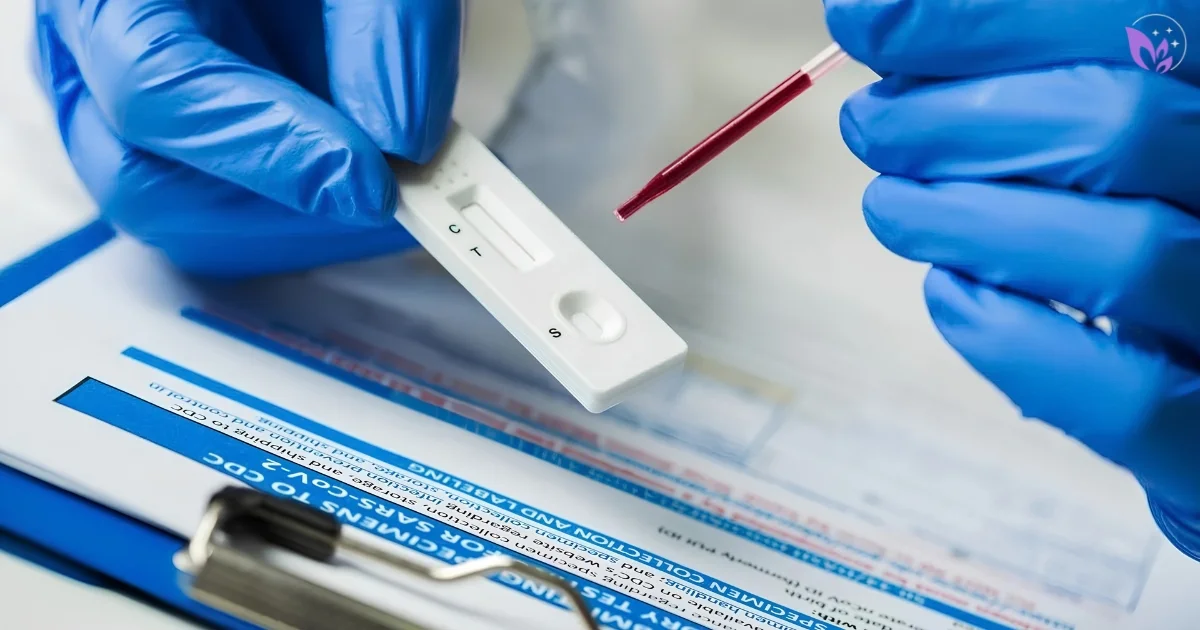
Antigen tests look for specific proteins produced by certain parasites.
These tests can identify particular organisms but may not detect every type of parasite.
Molecular tests look for genetic material from specific parasites.
They can be highly sensitive for the organisms included in the test panel, but they only detect the parasites they are designed to identify.
A negative stool test doesn’t always explain ongoing digestive symptoms.
Symptoms such as:
can have many possible causes, including diet, stress, food sensitivities, medications, infections, and other digestive conditions.
For readers exploring digestive wellness routines, understanding what people commonly experience during a cleanse can help set realistic expectations.
A negative parasite test does not automatically prove parasites are present, but it may also not exclude every possibility.
Healthcare professionals usually consider multiple factors together, including:
This broader approach provides a clearer understanding than relying on a single lab result.
Several factors can affect whether a stool test detects parasites.
| Factor | How It Can Affect Results |
| Sample timing | Parasite material may not be present during collection |
| Number of samples | Additional samples may improve detection chances |
| Parasite type | Some organisms are easier to detect than others |
| Testing method | Different tests identify different parasite markers |
| Sample handling | Incorrect collection or storage may affect results |
Understanding these factors can help explain why two people with similar symptoms may get different test results.
No single accuracy percentage applies to all stool parasite tests because performance depends on several variables.
Accuracy can be influenced by:
Stool testing remains an important diagnostic tool, but results are most meaningful when interpreted alongside symptoms and other clinical information.
Ova and parasite testing procedures can help identify parasites or their eggs in a stool sample, depending on the suspected infection.
If symptoms continue after a negative stool test, it may be helpful to consider the following steps:
Share:
This information can help guide further evaluation.
Depending on the situation, a healthcare provider may consider:
Don’t ignore a negative test, but don’t automatically assume a specific cause.
Digestive health is complex, and finding the right explanation often requires looking at the complete picture.

Supporting digestive wellness involves several lifestyle factors, including balanced nutrition, hydration, healthy habits, and noticing changes in your body.
A structured wellness routine, such as Mahoney Inter Supplements, may be part of some individuals’ digestive wellness approach. Still, you should always discuss personal health concerns and ongoing symptoms with a qualified healthcare professional.
Simple habits that support digestive health include:
Some individuals may notice digestive changes or other reactions during a cleanse routine. Parasite cleanse side effects cover commonly reported reactions, their possible causes, and warning signs that may require attention.
Tracking symptoms over time can help identify patterns and provide useful information when discussing digestive concerns.
Yes. Depending on the parasite type, sample timing, and testing method, a parasite infection may not be detected in a single stool sample.
Yes. Parasites may be missed if the sample contains too little detectable material or if the chosen test does not identify that specific organism.
The number of samples needed depends on the suspected parasite and individual circumstances. In some cases, multiple samples collected on separate days may improve detection.
No. A negative result provides useful information, but it may not completely exclude every type of parasite infection.
Discuss your symptoms and test results with a healthcare professional to determine whether additional evaluation or another testing approach may be appropriate.
Disclaimer: This article is for educational purposes only and is not intended to diagnose, treat, or replace advice from a qualified healthcare professional.


Noor-ul-Ain is a Tech & SEO Content Writer with over 4 years of experience creating search-optimized content for digital platforms. She specializes in SaaS products, AI tools, SEO strategy, and product documentation, helping platforms turn complex features into clear, search-driven growth. Noor-ul-Ain has also written extensively on health science, sports, fitness, fashion, and beauty, focusing on informative and reader-friendly content.
Magnesium is an essential mineral that supports hundreds of processes throughout the human body. From supporting normal muscle function to

An herbal extract is a concentrated preparation made by removing specific compounds from a plant using extraction methods such as

Have you ever started a normal meal, eaten only a few bites, and suddenly felt like you cannot continue? If