
Can You Take Zinc and Iron Together? Absorption, Timing & Safety
Yes, you can take zinc and iron on the same day. Some multivitamins even contain both. Higher amounts of supplemental

Constipation is a common digestive concern that can affect people of all ages. It may cause hard stools, fewer bowel movements, bloating, discomfort, and difficulty passing stool. One of the most common dietary recommendations for supporting digestive regularity is increasing fiber intake.
Many people seek fiber to relieve constipation because dietary fiber plays an important role in maintaining normal bowel movements. However, simply eating more fiber is not always enough. The type of fiber, hydration, eating habits, and lifestyle factors all influence how effectively fiber supports digestion.
This guide explains how fiber helps constipation, the difference between soluble and insoluble fiber, the best fiber-rich foods, how much fiber you may need, and how to increase fiber intake without creating additional digestive discomfort.
Constipation refers to bowel movements that are less frequent than normal or stools that are difficult to pass. Common signs include:
Several factors can contribute to constipation, including:
For many people, constipation is caused by a combination of different factors rather than one single issue. Improving daily habits, including fiber intake, can help support better digestive regularity.
Yes, fiber can help support regular bowel movements for many people. Dietary fiber works by adding bulk to stool and helping maintain a softer, more manageable consistency.
Some types of fiber absorb water inside the digestive system, which can help soften stool and make it easier to pass. Other types add bulk and support normal movement through the intestines.
However, fiber is not a quick fix or a guaranteed solution for every person. It works best when combined with:
The goal is not to consume as much fiber as possible but to find the right amount and type of fiber that supports your digestive needs.
Fiber is a type of carbohydrate that the body does not fully digest. Instead, it moves through the digestive system and affects stool consistency and movement.
There are two main types of dietary fiber:
Soluble fiber absorbs water and forms a gel-like substance during digestion. This can help support stool consistency and may be useful for people dealing with hard stools.
Common sources of soluble fiber include:
Soluble fiber is often considered when people look for the best fiber for constipation because it can help support softer bowel movements.
Insoluble fiber does not dissolve in water. Instead, it adds bulk to stool and supports movement through the digestive tract.
Common sources include:
Both types of fiber can contribute to digestive health. A balanced diet usually includes a combination of soluble and insoluble fiber from different foods.
There is no single fiber type that works best for everyone. Soluble and insoluble fiber support digestion in different ways.
| Fiber Type | How It Supports Digestion | Common Sources |
| Soluble Fiber | Absorbs water and supports stool consistency | Psyllium, oats, fruits |
| Insoluble Fiber | Adds bulk and supports movement through the digestive tract | Vegetables, whole grains |
People experiencing hard stools may benefit from focusing more on soluble fiber sources because they help retain water. Those with slower digestion may benefit from increasing insoluble fiber intake.
In many cases, combining both types of fiber provides better overall digestive support.

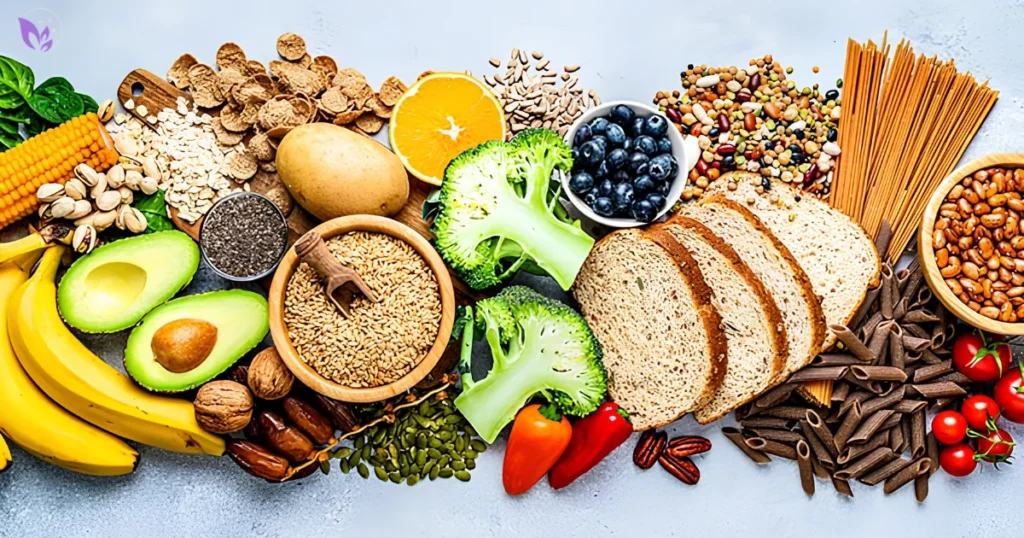
Increasing fiber through food is one of the most natural ways to support digestive regularity.
Some high-fiber foods include:
When adding more fiber, increase intake gradually. A sudden increase may cause bloating, gas, or discomfort while your digestive system adjusts.
Supporting digestive health often involves a combination of balanced nutrition, healthy habits, and carefully selected wellness products. Mahoney Inter Supplements provides wellness-focused options that can complement a balanced approach to digestive and nutritional support.
Fiber needs vary depending on age, sex, activity level, and overall diet. Many adults aim for around 25–38 grams of fiber per day, although individual needs may differ.
If your current diet is low in fiber, gradually increasing intake is usually more comfortable.
Helpful tips include:
Daily fiber needs depend on several factors, including age, sex, and overall diet. Evidence-based nutrition guidance on fiber intake provides general recommendations for meeting adequate fiber intake.
Although fiber can support digestive health, increasing it too much may sometimes cause more discomfort.
Common mistakes include:
A sudden increase in fiber may lead to:
Give your digestive system time to adjust by gradually increasing fiber.
Fiber works best when combined with adequate fluid intake. Without enough water, increased fiber may not provide the comfort people expect.
Using a variety of fiber sources can provide a better balance of soluble and insoluble fiber.
Fiber is only one part of digestive wellness. Physical activity, hydration, and regular meals also play an important role.
Related Reading: Gut health and Digestion.
Yes, increasing fiber too quickly or consuming large amounts without enough fluids can sometimes worsen constipation symptoms.
Possible issues include:
The goal is balance. More fiber is not always better if your body is not prepared for the increase.
Whole foods are often the best starting point because they provide fiber along with other nutrients.
Foods such as fruits, vegetables, legumes, seeds, and whole grains can naturally increase fiber intake.
Choosing a suitable wellness product depends on factors such as ingredients, personal goals, and how well it fits into your overall routine.
When considering a fiber supplement, it can help to look at:
A balanced approach is usually more sustainable than relying only on one method.
Many people wonder how long fiber takes to work. The answer depends on several factors, including:
Some people notice changes within a few days, while others may need several weeks of consistent dietary changes.
Consistency is usually more important than taking a large amount of fiber at once.

Occasional constipation is common, but persistent symptoms may require professional guidance.
Consider seeking advice if you experience:
Persistent constipation may require professional evaluation, especially when symptoms are unusual or long-lasting. Medical guidance on constipation symptoms and treatment approaches can help explain when further assessment may be appropriate.
Yes, fiber can support regular bowel movements by adding bulk to stool and helping maintain a healthier stool consistency. The results may vary depending on fiber type, hydration, and individual needs.
There is no single best option for everyone. Soluble fiber, such as psyllium, may help soften stools, while insoluble fiber helps add bulk.
Fiber may take several days to a few weeks to show noticeable effects depending on diet, hydration, and consistency.
Yes, increasing fiber too quickly without enough water may sometimes worsen constipation symptoms.
Psyllium husk is a soluble fiber that absorbs water and is commonly used to support normal bowel regularity when combined with proper hydration.
Low fiber intake can contribute to constipation, but chronic constipation may also involve lifestyle factors, medications, or other health conditions.
Disclaimer: This article is for informational purposes only and is not intended to provide medical advice, diagnosis, or treatment. Individual results may vary, and you should consult a qualified healthcare professional for personal health concerns.


Noor-ul-Ain is a Tech & SEO Content Writer with over 4 years of experience creating search-optimized content for digital platforms. She specializes in SaaS products, AI tools, SEO strategy, and product documentation, helping platforms turn complex features into clear, search-driven growth. Noor-ul-Ain has also written extensively on health science, sports, fitness, fashion, and beauty, focusing on informative and reader-friendly content.
Yes, you can take zinc and iron on the same day. Some multivitamins even contain both. Higher amounts of supplemental
Yes, taking too much zinc can cause copper deficiency. High doses of zinc, especially when taken for several weeks, can

Liquid trace minerals are a good choice if you prefer mixing supplements into water or have difficulty swallowing capsules. Capsules