Can You Take Zinc and Iron Together? Absorption, Timing & Safety
Yes, you can take zinc and iron on the same day. Some multivitamins even contain both. Higher amounts of supplemental


Gut health has become a popular topic in wellness conversations, but it involves much more than simply avoiding digestive discomfort. Your digestive system works every day to break down food, absorb nutrients, and interact with trillions of microorganisms that naturally live inside your body.
The connection between gut health and digestion is influenced by many factors, including the foods you eat, hydration, physical activity, sleep quality, and daily lifestyle habits.
Understanding how your digestive system works and how diet affects gut wellness can help you make more informed choices about your overall wellness routine. This guide explains the basics of digestive health, the role of the gut microbiome, and simple habits that may help support better digestive wellness.
Gut health refers to how well your digestive system functions, including digestion, nutrient absorption, and the balance of microorganisms within your digestive tract.
Your digestive system includes several organs that work together to process food. From the mouth and stomach to the small and large intestines, each part plays an important role in breaking down food and helping your body access nutrients.
A major part of gut health is the gut microbiome, the community of bacteria and other microorganisms that live mainly in your intestines. These microorganisms naturally interact with your digestive system and are influenced by factors such as diet, environment, and lifestyle.
Rather than being a single measurement, gut wellness is better understood as a combination of:
Supporting digestive wellness is about creating consistent habits that work together over time.
The gut microbiome comprises a wide variety of microorganisms that naturally inhabit the digestive tract. Every person has a unique microbiome influenced by different factors, including genetics, diet, and daily habits.
Diet is one of the important factors connected with gut microbiome diversity. Foods containing fiber and plant-based nutrients are commonly included in eating patterns designed to support digestive health.
Some habits that may help support a healthy digestive environment include:
The gut microbiome is one reason why digestive health is connected to broader wellness rather than to digestion alone.
Digestion is the process by which your body breaks food down into smaller components that can be absorbed and used.
Digestion begins in the mouth. Chewing breaks food into smaller pieces, while enzymes in saliva begin the first stages of digestion.
Food then moves to the stomach, where acids and enzymes continue breaking it down into a form that can move through the digestive tract.
The small intestine is where most nutrient absorption occurs. Nutrients from food, including vitamins, minerals, carbohydrates, fats, and proteins, are processed here.
The large intestine absorbs water and helps process remaining material before it leaves the body.
Understanding how digestion works shows why digestive health depends on the entire digestive system working together.

The foods you choose every day can influence your digestive wellness. A balanced diet provides nutrients that support normal digestive processes and helps maintain a healthy routine.
Different foods provide different types of nutrients, which is why variety is an important part of a balanced eating pattern.
Fiber is one of the most commonly discussed nutrients when it comes to digestive health.
Dietary fiber can help support normal digestive function by adding bulk to food as it moves through the digestive tract. Different types of fiber are found in different foods, making variety an important consideration.
Common fiber-rich foods include:
Increasing fiber gradually is often recommended because sudden changes may cause temporary digestive discomfort for some individuals.
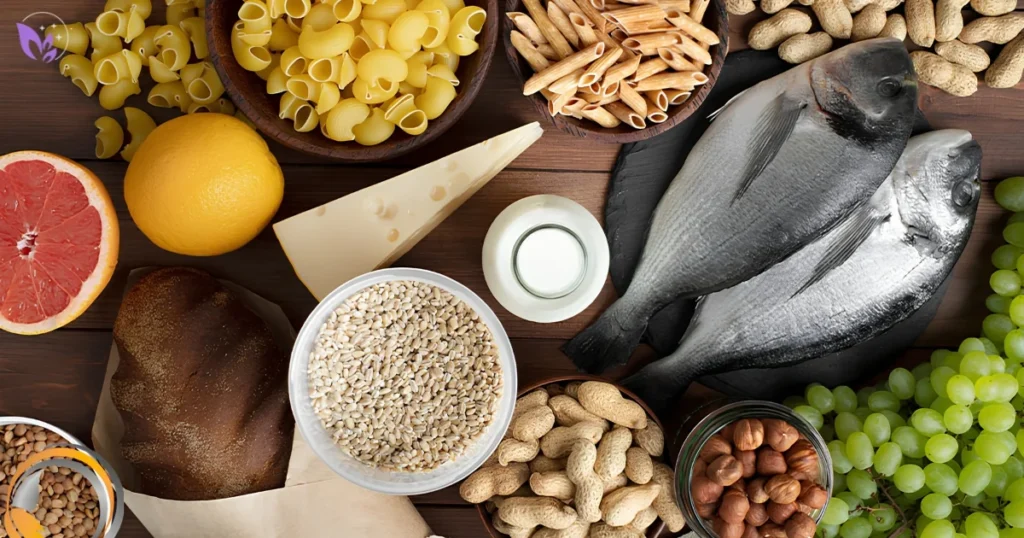
Many people interested in gut health and digestion explore foods that support a balanced digestive routine.
Examples of commonly discussed gut-friendly foods include:
Including different types of foods can help create a more diverse and balanced eating pattern.
Fermented foods are often discussed in relation to digestive wellness because some contain beneficial microorganisms.
Common examples include:
Individual responses can vary, but including a variety of foods is generally considered an important part of a balanced diet.
Hydration is another important part of maintaining digestive wellness.
Water supports normal bodily functions and helps fiber function effectively in the digestive system.
Simple hydration habits include:
Small daily habits can contribute to better digestive comfort over time.
Diet is only one part of digestive health. Other lifestyle factors can also influence how your digestive system feels and functions.
Physical activity supports overall body function and can be part of a healthy digestive routine.
Regular movement, including walking and exercise, can help support an active lifestyle.
You do not always need intense workouts. Consistency with daily movement can be a practical approach for many people.
Sleep and stress are often overlooked when discussing digestive wellness.
Maintaining healthy sleep habits and managing everyday stress may support overall wellness, including digestive comfort.
Creating a balanced routine that includes rest, movement, and nutritious foods can contribute to better long-term habits.
Everyone experiences digestion differently. Some people may occasionally notice:
Understanding common signs of poor gut health can help you recognize changes in your digestive wellness and make more informed lifestyle choices.
Different factors, including diet, hydration, stress, and lifestyle habits, may influence these experiences.
If digestive symptoms continue or become concerning, speaking with a qualified healthcare professional is recommended for proper guidance.

Supporting gut wellness does not require completely changing your lifestyle overnight. Small, consistent habits can make a meaningful difference over time.
Some practical approaches include:
A balanced approach is usually more sustainable than focusing on one single change.
Your digestive system plays an important role in processing nutrients from the foods you eat. This is why gut health and overall wellness support are closely connected.
Multiple lifestyle factors, including nutrition, hydration, movement, and rest, support healthy digestion. Rather than focusing on a single solution, digestive wellness often involves building consistent habits that support your body as a whole.
When exploring wellness products or nutritional support options, ingredient transparency, clear information, and responsible usage guidance are important considerations.
Learning about topics such as supplement timing and digestive wellness routines can also help people make more informed decisions about their personal wellness approach.
Gut health refers to how well your digestive system functions, including digestion, nutrient absorption, and the balance of microorganisms within your digestive tract.
Diet affects digestion by providing nutrients such as fiber and supporting eating patterns that contribute to normal digestive function.
Foods commonly associated with supporting gut health include fruits, vegetables, whole grains, legumes, and fermented foods such as yogurt and kefir.
Eating a varied diet, staying hydrated, increasing fiber gradually, maintaining regular movement, and managing stress may help support digestive wellness.
There is no universal timeline because digestive health depends on many individual factors, including diet, lifestyle, and overall wellness habits.
Yes. Digestion helps your body process nutrients, making gut health an important part of a balanced wellness routine.
Disclaimer: This article is for general informational purposes only and is not a substitute for professional medical advice. If you have ongoing or concerning digestive symptoms, consult a qualified healthcare professional.


Noor-ul-Ain is a Tech & SEO Content Writer with over 4 years of experience creating search-optimized content for digital platforms. She specializes in SaaS products, AI tools, SEO strategy, and product documentation, helping platforms turn complex features into clear, search-driven growth. Noor-ul-Ain has also written extensively on health science, sports, fitness, fashion, and beauty, focusing on informative and reader-friendly content.
Yes, you can take zinc and iron on the same day. Some multivitamins even contain both. Higher amounts of supplemental
Yes, taking too much zinc can cause copper deficiency. High doses of zinc, especially when taken for several weeks, can

Liquid trace minerals are a good choice if you prefer mixing supplements into water or have difficulty swallowing capsules. Capsules