
What Are Adaptogens? Understanding Plant-Based Ingredients in Supplements
Adaptogens have become a popular term in the wellness industry, appearing on supplement labels, herbal formulas, and plant-based products. Words

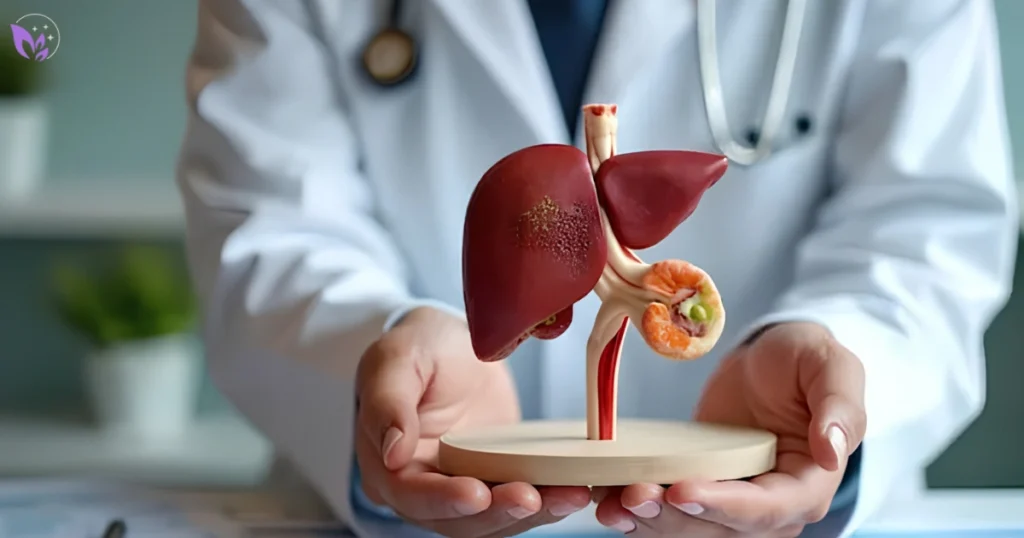
Liver flukes in humans are parasitic flatworms that can infect the liver, gallbladder, and bile ducts. Depending on the species, infection may happen after eating contaminated aquatic plants or raw or undercooked freshwater fish. Some people develop few or no symptoms at first, while others experience abdominal pain, fever, digestive problems, or signs of bile duct obstruction.
Understanding the exact type of liver fluke matters because different species have different transmission routes, health risks, diagnostic considerations, and treatments. Symptoms alone cannot confirm a liver fluke infection, so proper testing is important when exposure is suspected.
Liver flukes are parasitic flatworms, also called trematodes, that can infect humans and live in or around the liver and biliary system.
The term “liver fluke” refers to several different parasites rather than a single organism.
| Liver Fluke | Common Name | Typical Source of Human Infection |
| Fasciola hepatica | Common or sheep liver fluke | Contaminated aquatic plants or water |
| Fasciola gigantica | Giant liver fluke | Contaminated aquatic plants or water |
| Clonorchis sinensis | Chinese liver fluke | Raw or undercooked freshwater fish |
| Opisthorchis species | Southeast Asian/Eurasian liver flukes | Raw or undercooked freshwater fish |
These distinctions are important. A Fasciola infection, known as fascioliasis, does not necessarily behave or respond to treatment in the same way as an infection caused by Clonorchis or Opisthorchis.
The way humans get liver flukes depends largely on the parasite species.
Fasciola hepatica and Fasciola gigantica infections are associated with consuming freshwater plants carrying the infective larvae. Raw watercress is a commonly recognized source, although other aquatic or semi-aquatic plants may also be involved.
Infection may also occur through contaminated water or produce washed or irrigated with unsafe water in areas where the parasite circulates among livestock.
Clonorchis and Opisthorchis are transmitted differently. Humans can become infected after eating raw or insufficiently cooked freshwater fish containing the infective larval stage. These liver fluke infections are therefore closely linked to specific foodborne exposure routes.
Traditional raw, lightly cooked, salted, or inadequately processed fish dishes may therefore present a risk in regions where these parasites are endemic.
Liver flukes in humans are generally not passed directly from one infected person to another. The parasite must complete specific stages of its life cycle in the environment and intermediate hosts before becoming infective to humans.
Liver fluke symptoms vary according to the species, stage of infection, parasite burden, and worm location. Some infections remain asymptomatic, particularly when the number of parasites is low.
Possible liver fluke symptoms in humans include:
These symptoms are not specific to liver fluke infection. Gallbladder disease, hepatitis, other infections, and several digestive or liver conditions can produce similar symptoms.
With fascioliasis, symptoms may differ between the early migratory phase and the chronic biliary phase.
During early infection, immature Fasciola flukes move through liver tissue. This may cause fever, abdominal pain, nausea, an enlarged liver, or eosinophilia.
Later, adult worms may settle in the bile ducts. Chronic infection can cause biliary inflammation, intermittent abdominal discomfort, jaundice, or other problems associated with impaired bile flow.
Clonorchis and Opisthorchis infections may also remain unnoticed for a long time, particularly when infections are light.
You cannot reliably confirm liver flukes from symptoms alone. Diagnosis generally combines exposure history with laboratory testing and, in some situations, imaging of the liver or bile ducts.
A healthcare professional may consider whether someone has recently lived in or traveled to an area where liver flukes in humans occur, eaten raw freshwater fish, consumed raw aquatic plants, or had another relevant exposure.
Blood abnormalities such as eosinophilia or elevated liver enzymes may provide additional clues, but they do not prove that liver flukes are present.
A liver fluke stool test may involve examining stool samples under a microscope for parasite eggs.
For established infections, identifying characteristic eggs can help confirm the diagnosis. However, detection depends on the species and stage of infection.
In fascioliasis, eggs may not appear in stool during the earlier phase because immature parasites have not yet developed into egg-producing adults. More than one stool sample may sometimes be required.
A negative stool test therefore does not automatically rule out every suspected liver fluke infection.

Depending on the suspected species and stage of infection, blood testing may include antibody testing. Other findings, including eosinophilia and abnormal liver enzymes, may provide supporting evidence.
Antibody tests also have limitations. In some situations, they may indicate previous exposure without proving that an active infection is currently present.
Imaging may be useful when liver or bile duct involvement is suspected.
Ultrasound, CT scans, or MRI may reveal abnormalities such as dilated bile ducts, inflammatory changes, or other signs that support further investigation. In selected cases involving the bile ducts, additional procedures may be required under specialist care.
Diagnosis should therefore be based on the overall clinical picture rather than a single symptom or test result.
Adult liver flukes are not normally something people should expect to identify by looking at stool themselves.
What laboratory professionals usually look for are microscopic parasite eggs. Their appearance can sometimes help identify the infection, although distinguishing closely related flukes may require expertise.
If unusual material appears in stool, it should not automatically be assumed to be a parasite. Mucus, undigested food, and other material can sometimes look worm-like.
Yes. Persistent liver fluke infection can damage the liver and biliary system.
Depending on the species and severity of infection, complications can include chronic inflammation, fibrosis, bile duct obstruction, cholangitis, gallbladder problems, and jaundice.
It is important, however, not to claim that every liver fluke causes cancer.
Long-term infection with certain species, particularly Clonorchis sinensis and Opisthorchis viverrini, has been associated with an increased risk of cholangiocarcinoma, a cancer of the bile ducts. This association is linked to chronic infection and repeated inflammation rather than simply having a short-term exposure to any type of liver fluke.
Liver fluke treatment depends on which parasite is causing the infection.
For fascioliasis caused by Fasciola species, triclabendazole is the established treatment used under medical supervision. Praziquantel, although effective against several other flukes, is generally not considered effective treatment for Fasciola infection.
By contrast, praziquantel is commonly used for infections caused by Clonorchis and Opisthorchis. Other treatment options may sometimes be considered by healthcare professionals depending on the individual case.
This species-specific difference is one of the main reasons self-treatment is not advisable. Identifying the likely parasite and reviewing the patient’s medical circumstances should come before choosing medication.
Herbal or commercial parasite cleanses should not be considered substitutes for proper diagnosis and medically appropriate treatment when a true liver fluke infection is suspected.
Liver flukes are specific parasitic infections, and effective treatment depends on the species involved. A product marketed for general digestive wellness does not establish whether an infection exists and should not replace stool testing, blood testing, imaging, or treatment recommended by a healthcare professional.
For a broader understanding of parasites affecting the digestive tract, read our guide to intestinal parasites in humans, which explains common symptoms, diagnostic approaches, and treatment considerations for intestinal infections.
Prevention largely depends on avoiding the foods and environmental exposures involved in transmission. Following proper foodborne parasite prevention practices can help reduce the risk of infection.
Freshwater fish should be properly cooked rather than eaten raw or inadequately prepared in areas where fish-borne liver flukes occur. Raw watercress and other aquatic plants from potentially contaminated freshwater environments should also be avoided.
Safe drinking water, careful produce washing, good sanitation, and appropriate food preparation are particularly important when living in or traveling through higher-risk regions.

Seek medical advice if you develop persistent upper-right abdominal pain, unexplained fever, jaundice, abnormal liver tests, or ongoing digestive symptoms after a possible exposure to raw freshwater fish, contaminated aquatic plants, or unsafe water.
Anyone with suspected liver fluke exposure should avoid relying on symptoms alone to diagnose the problem.
Because adult liver flukes can affect the bile ducts, understanding normal bile flow and digestion can also help explain why biliary inflammation or obstruction may cause digestive and liver-related symptoms.
Liver flukes in humans are not a single infection with one set of symptoms or one universal treatment. Fasciola, Clonorchis, and Opisthorchis differ in how humans become infected, where the parasites live, and which medications are used.
Symptoms such as abdominal pain, jaundice, fever, or abnormal liver tests may raise suspicion, particularly after a relevant food or travel exposure, but symptoms alone cannot confirm liver flukes. Stool testing, appropriate blood tests, imaging, and clinical history may all contribute to diagnosis.
When a genuine liver fluke infection is suspected, proper medical evaluation and species-appropriate treatment are more important than attempting to self-diagnose or relying on a general parasite cleanse.
Yes. Humans can develop liver fluke infections after consuming contaminated aquatic plants or raw or undercooked freshwater fish, depending on the parasite species.
Laboratory testing may detect microscopic liver fluke eggs in stool. Adult parasites are not usually diagnosed by simply looking at a bowel movement, and more than one stool sample may sometimes be required.
Yes. A stool test may be negative during certain stages of infection or when egg production is low or intermittent. Doctors may consider additional stool samples, blood testing, exposure history, or imaging when suspicion remains.
They can. Liver flukes living in the biliary system may cause inflammation or blockage of the bile ducts, which can interfere with normal bile drainage and lead to jaundice in some cases.
Chronic liver fluke infection can cause inflammation and damage involving the liver or bile ducts. The type and severity of complications depend on the parasite species, duration of infection, and parasite burden.
Liver flukes are not normally transmitted directly from one person to another. Infection generally requires ingestion of an infective larval stage through contaminated food or, for some species, contaminated water or aquatic plants.
The duration varies by species. Some liver flukes can survive for years when untreated, which is one reason persistent infection can lead to chronic bile duct or liver complications.
This article is for general educational purposes only and is not a substitute for professional medical advice, diagnosis, or treatment. If you believe you may have a liver fluke infection, speak with a qualified healthcare professional.


Noor-ul-Ain is a Tech & SEO Content Writer with over 4 years of experience creating search-optimized content for digital platforms. She specializes in SaaS products, AI tools, SEO strategy, and product documentation, helping platforms turn complex features into clear, search-driven growth. Noor-ul-Ain has also written extensively on health science, sports, fitness, fashion, and beauty, focusing on informative and reader-friendly content.
Adaptogens have become a popular term in the wellness industry, appearing on supplement labels, herbal formulas, and plant-based products. Words
Herbal supplements have become a common part of many wellness routines, but terms like botanical ingredients, plant-based formulas, herbal extracts,

If you’ve spent any time browsing wellness supplements online, you’ve probably come across names like Paragon, TNM, and TRACE without