
Magnesium Explained: Benefits, Types, Food Sources & How to Choose the Right Supplement
Magnesium is an essential mineral that supports hundreds of processes throughout the human body. From supporting normal muscle function to

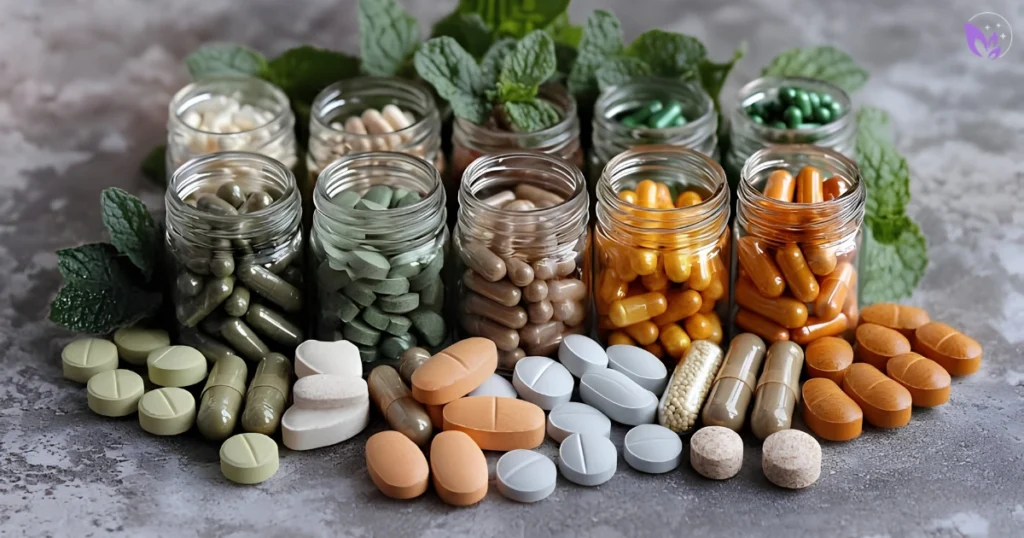
Search for natural antiparasitic supplements, and you will find dozens of formulas built around many of the same botanicals, including wormwood, black walnut hull, clove, garlic, oregano, and other plant-based ingredients. What is often harder to find is a balanced explanation of what these supplements actually contain, how strong the research is, and how to evaluate a product label before buying it.
“Natural” does not automatically mean clinically proven, and it does not guarantee that a product is appropriate or safe for everyone.
As part of the broader educational resources around Mahoney Supplements, this guide explains how natural antiparasitic supplements can be evaluated based on their ingredients, available evidence, label transparency, manufacturing quality, and safety rather than marketing claims alone.
Natural antiparasitic supplements are botanical or herbal dietary supplements formulated with plant-based ingredients traditionally associated with digestive wellness or parasite support. They are commonly available as capsules, tinctures, powders, or multi-herb blends.
Terms such as antiparasitic supplements, anti-parasitic supplements, herbal antiparasitic supplements, and natural anti-parasite supplements are often used interchangeably online, although individual formulas may differ substantially.
It is important to distinguish these products from medical treatments for a diagnosed parasitic infection. A dietary supplement marketed for general wellness or digestive support is not the same as a prescription antiparasitic medication selected for a specific parasite.
The ingredients may be scientifically interesting, traditionally used, or studied for potential antiparasitic activity. Still, those factors alone do not establish that a finished supplement can diagnose, treat, or eliminate a human parasitic infection.
Natural antiparasitic supplements may contain a single botanical or a combination of several plant-based ingredients. Common examples include wormwood, black walnut hull, clove, garlic, oregano, papaya seed, pumpkin seed, and berberine-containing botanicals.
However, products can differ significantly in ingredient amounts, plant parts, extract strength, serving size, and whether they contain whole herbs or concentrated extracts. For a detailed look at individual botanicals, see our guide to natural anti-parasitic herbs.
This is one of the most important questions to ask when evaluating natural antiparasitics. Evidence involving herbs and plant compounds generally falls into several categories, and you shouldn’t treat them as equally strong.
| Evidence Type | What It May Show | Main Limitation |
| Human clinical studies | Effects observed directly in people | Limited for many antiparasitic botanicals |
| Animal studies | Biological activity in living models | Results may not translate to humans |
| Laboratory studies | Activity against parasites or organisms in vitro | Does not prove a supplement works in the human body |
| Traditional use | Historical patterns of herbal use | Not controlled scientific evidence |
Scientific interest in medicinal plants with antiparasitic activity is growing, and researchers are investigating a range of botanicals and plant-derived compounds for their potential effects against different parasites. However, much of the available research involves laboratory or animal studies rather than well-designed human clinical trials.
This distinction matters because an ingredient showing activity in a laboratory does not automatically mean that a commercially available herbal antiparasitic product will produce the same effect in a person.
Consumers should therefore be cautious with phrases such as:
Strong claims require strong evidence.

The front of a bottle is designed to attract attention. The actual label provides more useful information.
When comparing antiparasitic supplement ingredients, focus on the Supplement Facts label and supporting product information, not dramatic front-of-package claims.
Look for:
A phrase such as “herbal parasite blend” tells you far less than a label that clearly identifies each botanical and its amount.
Proprietary blends deserve particular attention. They aren’t automatically poor quality, but they can make it harder to know how much of each ingredient a formula contains.
When reviewing natural antiparasitic products, the same quality standards should apply across the board. For products associated with Mahoney Supplements, factors such as ingredient transparency, clearly disclosed quantities, manufacturing practices, appropriate quality controls, and realistic claims are more useful indicators than marketing language alone.
The presence of popular botanicals does not by itself tell you whether a supplement has been manufactured transparently.
When evaluating supplement quality, consider:
Quality testing can help confirm issues such as identity, purity, or contamination, but it does not prove that a supplement is clinically effective for treating parasites.
Be particularly cautious with products that hide all ingredient amounts inside a proprietary blend or make disease-treatment claims that go far beyond the evidence available for their ingredients.
For more detail on manufacturing standards, see what GMP-certified supplements mean.
Natural does not mean risk-free.
Some botanicals used in natural antiparasitic supplements contain biologically active compounds and may cause side effects or interact with medications.
Important safety considerations include:
People taking prescription medications should be particularly careful because herbal compounds can potentially affect absorption, metabolism, or medication activity. Clear dietary supplement labeling and regulatory requirements also help explain how ingredients, warnings, serving information, and other important label details should be presented to consumers.
Anyone pregnant, breastfeeding, managing a chronic condition, or taking multiple medications should consider discussing a new botanical supplement with an appropriate healthcare professional.
Don’t approach a suspected parasitic infection the same way you would general digestive or wellness support.
Medical treatment depends on factors such as:
Different parasitic infections may require completely different treatments.
For that reason, natural antiparasitic supplements should not be presented as automatic replacements for diagnostic testing or targeted medical treatment.
A person experiencing persistent diarrhea, unexplained weight loss, blood in the stool, severe abdominal symptoms, prolonged fever, dehydration, or other concerning symptoms should seek appropriate medical evaluation rather than relying only on a cleanse or supplement.
Natural antiparasitic supplements are built around a recognizable group of botanicals, including wormwood, black walnut hull, clove, garlic, oregano, and other plant ingredients. Some have traditional histories and promising laboratory research, while human clinical evidence remains more limited for many formulas.
The most useful approach is to separate traditional use from early-stage research and clinically established treatment. Read the Supplement Facts label carefully, look for transparent ingredient quantities and manufacturing information, consider possible herb-drug interactions, and be cautious of products that promise more than the evidence can support.
Base a well-informed decision on ingredients, evidence, label transparency, and safety—not marketing language alone.
Wormwood, black walnut hull, and clove are among the most commonly used botanicals. Other formulas may include garlic, oregano, papaya seed, pumpkin seed, and berberine-containing plants.
Yes. This combination is common in traditional and commercial herbal formulas. However, widespread use does not mean the combination has been clinically proven to eliminate parasitic infections in humans.
Some herbs and botanical compounds show potential antiparasitic activity in laboratory, animal, or preliminary research. That evidence does not automatically establish that a finished dietary supplement will effectively treat parasites in humans.
Check the exact ingredients, amount per serving, botanical species and plant part where relevant, serving size, warnings, proprietary blends, manufacturer details, batch information, and expiration date.
Look for transparent labeling, clearly stated ingredient quantities, appropriate manufacturing standards, realistic claims, and quality testing where available. Avoid judging a product only by its front-label marketing.
No. A botanical ingredient can have a long history of traditional use without having strong human clinical evidence for a particular health outcome.
They should not be considered automatic substitutes for targeted medical treatment. A confirmed parasitic infection may require a specific medication chosen based on the organism and individual circumstances.
Disclaimer: This content is for educational purposes only and is not a substitute for professional medical advice, diagnosis, or treatment.


Noor-ul-Ain is a Tech & SEO Content Writer with over 4 years of experience creating search-optimized content for digital platforms. She specializes in SaaS products, AI tools, SEO strategy, and product documentation, helping platforms turn complex features into clear, search-driven growth. Noor-ul-Ain has also written extensively on health science, sports, fitness, fashion, and beauty, focusing on informative and reader-friendly content.
Magnesium is an essential mineral that supports hundreds of processes throughout the human body. From supporting normal muscle function to
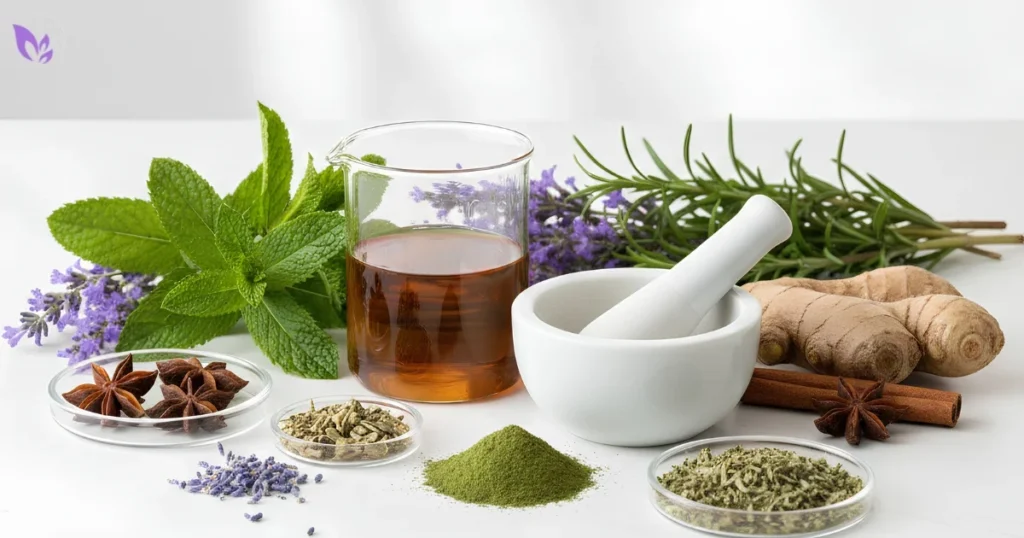
An herbal extract is a concentrated preparation made by removing specific compounds from a plant using extraction methods such as

Have you ever started a normal meal, eaten only a few bites, and suddenly felt like you cannot continue? If