
Trace Mineral Drops for RO Water: When and Why to Remineralize
Reverse osmosis (RO) filtration changes the mineral composition of drinking water, which often raises questions about what happens after filtration.


Parasite cleanse and deworming are often used interchangeably online, but they are not the same thing. A parasite cleanse is generally a supplement- or wellness-based routine built around herbs, dietary changes, and digestive-support habits. Deworming, on the other hand, refers to the use of specific medicines intended for certain worm infections, either as individual treatment or within some public-health programs.
Understanding the difference between parasite cleansing and deworming is important because supporting general digestive wellness and treating a confirmed infection are very different goals. Knowing the distinction can help you understand when testing may be useful, what deworming actually means, and why a wellness supplement should not be confused with medical parasite treatment.
Short answer: A parasite cleanse is usually a wellness-oriented supplement routine, while deworming involves medicines used against particular worm infections. They are not interchangeable approaches.
| Factor | Parasite Cleanse | Deworming |
| Main purpose | Digestive-wellness support | Addressing certain worm infections |
| Typical form | Herbs or dietary supplements | Anthelmintic medicines |
| Diagnosis | Not inherently diagnosis-based | May be guided by diagnosis, risk, or public-health programs |
| Evidence | Varies by ingredient and finished product | Specific medicines have defined clinical uses |
| Primary target | General wellness routine | Specific parasitic worms |
| Replacement for medical treatment? | No | Used when medically appropriate |
One reason deworming vs parasite cleanse can become confusing is that the terms “parasite” and “worm” are sometimes treated as if they mean the same thing.
A parasite is a broad category of organisms that live on or inside a host and obtain resources from it. Parasites can include different types of organisms. Worms, also known as helminths, are only one category of parasites.
Because deworming targets specific worm infections, it is not a catch-all treatment for all parasites. Other parasitic organisms may require different testing methods and different forms of treatment.
This distinction is important when comparing a parasite cleanse vs. a parasite treatment because the appropriate approach depends heavily on which organism—if any—is actually present.
A parasite cleanse generally refers to a period during which herbal or dietary supplements are used alongside lifestyle or dietary changes. Products marketed for this purpose may contain botanical ingredients such as black walnut, wormwood, clove, or combinations of other herbs.
However, there is no single standardized formula or universally accepted protocol for a herbal parasite cleanse. Ingredients, dosages, durations, and product formulations can vary considerably.
That variation matters because evidence associated with individual ingredients does not automatically establish the effectiveness of every finished cleanse product. A natural parasite cleanse should therefore not be treated as equivalent to medical treatment for a diagnosed infection.
Paragon Cleanse is a herbal parasite-cleanse supplement designed to support digestive wellness as part of a structured cleansing routine.
It is also useful to distinguish parasite-focused routines from broader digestive detox programs. Our guide to gut detox vs parasite cleanse explains those differences in greater detail.
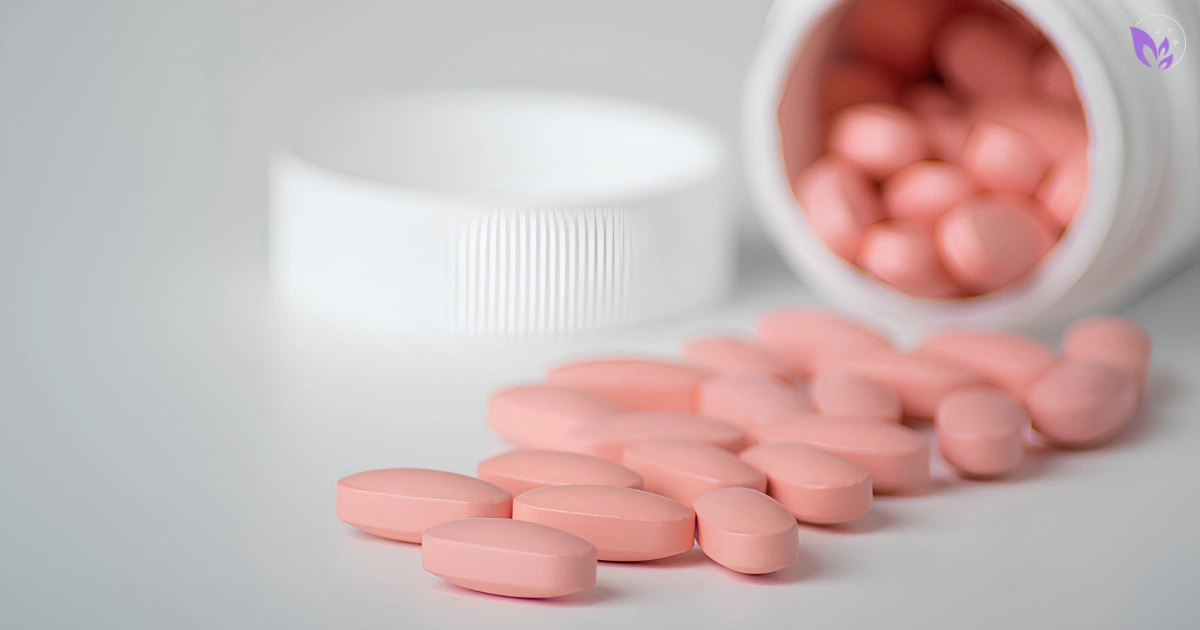
Deworming refers to the use of medicines known as anthelmintics to treat specific parasitic worms.
The appropriate deworming medication may depend on the type of worm involved, individual circumstances, exposure history, and the clinical or public health setting.
It is also important to separate two different concepts.
Individual deworming may involve evaluation and treatment for a suspected or confirmed worm infection. Preventive deworming, by contrast, may be carried out at a population level among certain at-risk groups in regions where specific helminth infections are common.
For this reason, choosing a dewormer simply because someone has digestive symptoms is not the same as receiving organism-specific treatment.
The main difference between a parasite cleanse and deworming is their intended purpose.
A parasite cleanse is generally positioned as part of a digestive-wellness routine. Deworming refers specifically to preventing, controlling, or treating certain worm infections.
Parasite cleanses commonly rely on herbs, botanical extracts, dietary supplements, and lifestyle changes.
Deworming uses medicines developed for particular worm infections. This is why parasite cleanse vs medication should not be viewed as two interchangeable versions of the same treatment.
Parasite-cleanse products can vary significantly in ingredients, dosage, formulation, and intended use. As a result, the evidence cannot automatically be generalized across every product marketed as a cleanse.
Medical deworming treatments, meanwhile, have more clearly defined uses based on specific organisms and clinical or public health circumstances.
Many people try a cleanse without first confirming the presence of a parasitic infection.
Medical care for suspected intestinal parasites may involve reviewing symptoms, travel history, food or water exposures, and other risk factors. Testing may then be used when appropriate.
This distinction is especially important when someone compares a parasite cleanse to a dewormer based only on symptoms found online.
Dietary supplements and medicines operate under different regulatory frameworks.
A supplement should not be presented as something that diagnoses, treats, cures, or prevents a parasitic disease. That distinction becomes particularly important when discussing a parasite cleanse vs deworming medicine.
Wellness support and disease treatment are separate claims and should remain clearly separated.
Supporting digestive wellness and treating a confirmed parasitic infection are two different objectives.
A wellness routine may fit within someone’s broader lifestyle choices, but it should not be positioned as a substitute for appropriate diagnosis or treatment when an infection has been confirmed.
Parasite testing may make sense when symptoms, recent travel, possible exposure to contaminated food or water, or other risk factors raise concern for an infection.
A stool test is one possible diagnostic method. In certain situations, an ova and parasite test may be considered, but no single test can identify every possible parasitic infection.
The appropriate test can depend on the suspected organism and the person’s history.
Digestive symptoms alone do not confirm the presence of parasites. Many unrelated conditions can cause similar symptoms.
Rather than trying to diagnose an infection from symptoms alone, our guide to intestinal parasite symptoms and treatment explains this topic in more detail.
No universal self-directed deworming schedule applies to every healthy adult.
Preventive deworming programs are generally intended for particular at-risk populations and settings where specific helminth infections are common. That is different from recommending that every adult take deworming medicine at fixed intervals without considering individual risk.
Questions such as “do adults need deworming?” therefore cannot always be answered with a simple yes or no.
Exposure history, travel, geographic location, symptoms, age, and individual circumstances can all influence what makes sense.
No. A parasite cleanse should not be presented as a replacement for appropriate medical treatment of a confirmed parasitic infection.
This is one of the most important differences when comparing a parasite cleanse vs. deworming medicine, or a natural dewormer vs. medicine.
Herbal supplements and anthelmintic medicines have different intended uses, evidence standards, and treatment roles. If a worm infection has been confirmed, the appropriate treatment may depend on the specific organism involved.
Persistent, worsening, or concerning symptoms are also reasons to seek proper evaluation rather than relying on a cleanse, a product label, or an online symptom checklist.

The main difference between parasite cleanse vs deworming comes down to purpose. A parasite cleanse is generally a wellness-oriented supplement regimen, whereas deworming is associated with medications or public health strategies targeting specific worm infections.
Neither digestive symptoms nor online symptom lists can confirm the presence of parasites. When infection is genuinely suspected, proper evaluation and testing can provide more useful information than guessing.
A wellness routine may have a place within broader digestive-health habits, but it should remain separate from the diagnosis and treatment of a confirmed parasitic infection.
No. A parasite cleanse is generally a supplement- and wellness-based routine, while deworming refers to medicines used against particular parasitic worms. Their purposes and evidence standards are different.
Herbal products should not be considered substitutes for appropriate treatment of a confirmed worm infection. Evidence for herbs and finished supplement formulations varies, while deworming medicines have specific clinical uses.
Not automatically. Routine deworming depends on factors such as exposure risk, geographic location, local public health recommendations, and individual circumstances, rather than on a single universal schedule for every adult.
Testing may be useful when symptoms or exposure history suggest a possible parasitic infection. Identifying the likely organism can help determine whether treatment is necessary and what approach may be appropriate.
The term “natural dewormer” is commonly used to refer to herbal products marketed for parasite-related wellness. Medical deworming uses anthelmintic medicines intended for specific worm infections, so the two should not be considered equivalent.
Disclaimer: This content is for educational purposes only and is not a substitute for professional medical advice, diagnosis, or treatment.


Noor-ul-Ain is a Tech & SEO Content Writer with over 4 years of experience creating search-optimized content for digital platforms. She specializes in SaaS products, AI tools, SEO strategy, and product documentation, helping platforms turn complex features into clear, search-driven growth. Noor-ul-Ain has also written extensively on health science, sports, fitness, fashion, and beauty, focusing on informative and reader-friendly content.
Reverse osmosis (RO) filtration changes the mineral composition of drinking water, which often raises questions about what happens after filtration.

Inositol is increasingly discussed for PCOS, insulin resistance, blood sugar, fertility, and other wellness goals. The body produces it naturally,
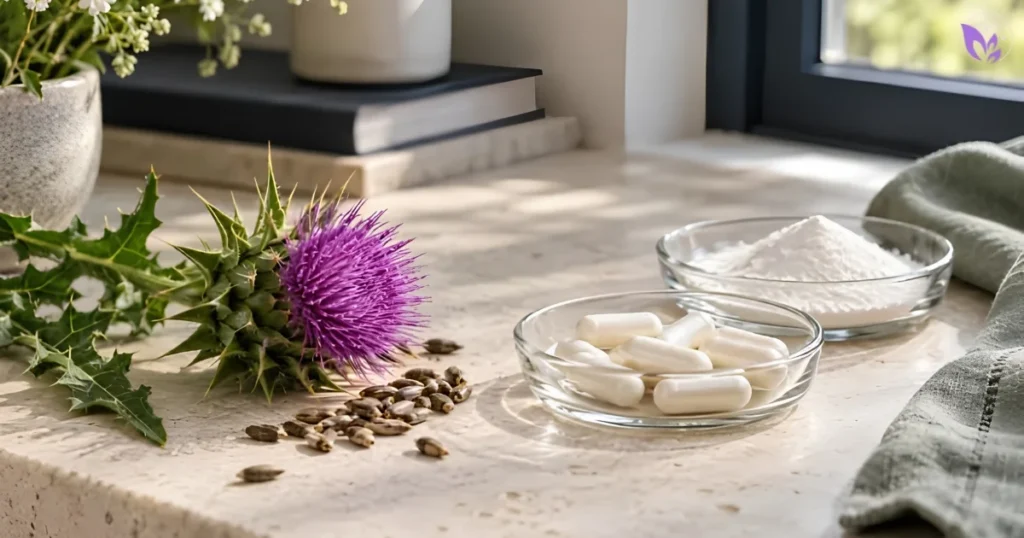
When choosing a liver support supplement, the ingredient panel often tells you more than the front label. Understanding why each