Ferritin vs Serum Iron vs TIBC: Understanding Your Iron Blood Test Results
You open your lab report and notice three iron-related results: ferritin, serum iron, and TIBC. Each has its own number,


Probiotics and prebiotics are often mentioned together, but they aren’t the same. Understanding the difference between probiotics and prebiotics can help you make better choices to support digestive health and maintain a balanced gut environment.
Your digestive system contains trillions of microorganisms that make up the gut microbiome. These beneficial and diverse communities of bacteria play an important role in digestion, nutrient absorption, and overall wellness. While probiotics introduce beneficial microorganisms into the digestive system, prebiotics provide nourishment that supports the growth and activity of existing beneficial gut bacteria.
Both probiotics and prebiotics have gained attention because of their potential role in supporting gut microbiome health. However, they work differently, and understanding how they complement each other can help you create a more balanced approach to digestive wellness.
Probiotics are live microorganisms, mainly beneficial bacteria, that can support a healthy digestive environment when consumed in adequate amounts. Unlike regular nutrients, probiotics contain specific strains of bacteria that interact with the existing microbial community in your gut.
Common probiotic strains include Lactobacillus and Bifidobacterium, which researchers frequently study for their links to digestive health and microbial balance.
The potential benefits of probiotics are often associated with supporting:
Probiotics can be found naturally in fermented and cultured foods, including:
They are also available as supplements in forms such as capsules, powders, and specialized formulas.
However, different probiotic strains may have different functions, meaning probiotics are not a one-size-fits-all solution. The type and amount of beneficial bacteria can influence how they interact with the gut environment.
Prebiotics are specialized types of dietary fiber that the human body cannot fully digest. Instead of being absorbed in the upper digestive system, they travel to the colon, where they become a food source for beneficial gut bacteria.
Unlike probiotics, prebiotics do not introduce new bacteria into the digestive system. Instead, they support the bacteria already present by providing nutrients that help maintain a healthy microbial environment.
The potential benefits of prebiotics include supporting:
Common prebiotic foods include:
Dietary fiber supports digestive health by helping maintain regular bowel movements and supporting healthy digestion. Dietary fiber is an important part of a balanced diet.
The easiest way to understand the difference between probiotics and prebiotics is to compare their roles:
| Feature | Probiotics | Prebiotics |
| What they are | Live beneficial microorganisms | Dietary fibers that support gut bacteria |
| Main role | Introduce beneficial bacteria | Feed existing beneficial bacteria |
| Primary sources | Fermented foods and supplements | Fruits, vegetables, grains, and fiber-rich foods |
| Function | Support microbial balance | Help beneficial bacteria grow and remain active |
The key difference is simple:
Neither one is necessarily better than the other because they serve different purposes within the gut ecosystem.
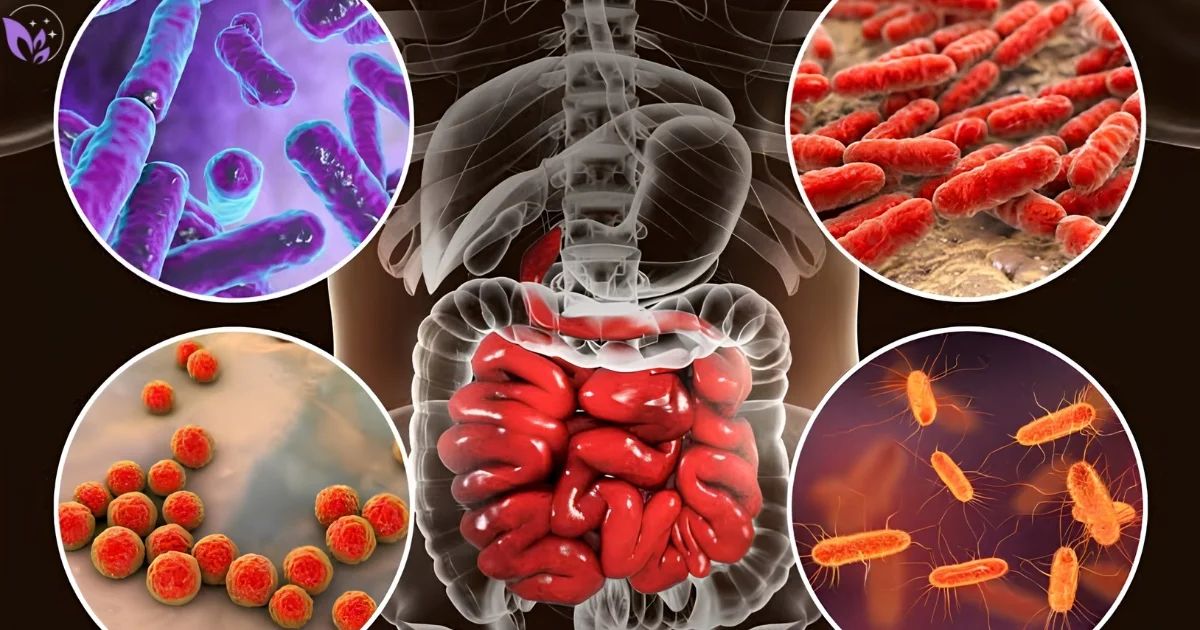
Probiotics and prebiotics often work together because beneficial bacteria need the right environment to survive and remain active. Probiotics provide beneficial microorganisms, while prebiotics support them by supplying fermentable fibers.
This relationship is sometimes described as a synbiotic approach, where probiotics and prebiotics are combined to support gut microbiome balance.
Research into the gut microbiome continues to examine how diet, beneficial bacteria, and microbial diversity interact within the digestive system. Gut microbiome research has examined these relationships in relation to digestive and overall health.
In addition to probiotics and prebiotics, another term becoming more common in gut health discussions is postbiotics.
The differences are:
Together, these concepts represent different parts of the gut health ecosystem. While probiotics focus on beneficial microorganisms and prebiotics support their growth, postbiotics represent the compounds produced through microbial activity.
A balanced diet can provide natural sources of beneficial bacteria through fermented foods, such as:
Foods that provide prebiotic fibers include:
Eating a wide variety of plant-based foods provides different types of fiber that support a diverse gut microbiome.
Yes, you can use probiotics and prebiotics together because they support gut health in different ways. Probiotics provide beneficial microorganisms, while prebiotics help create an environment where those microorganisms can thrive.
Some people include both through dietary choices, while others consider Mahoney Inter Supplements as part of their digestive wellness routine. However, individual responses can vary depending on diet, digestive sensitivity, and personal health goals.
Introducing new foods or supplements gradually may help people understand how their bodies respond.

Many lifestyle factors influence gut health beyond probiotics and prebiotics. A balanced approach includes:
For individuals interested in structured digestive wellness approaches, products such as Paragon Cleanse are often considered alongside broader lifestyle habits that support overall digestive balance.
Explore natural antiparasitic supplements to learn more about commonly discussed ingredients and their role in digestive wellness routines.
The structure of a cleanse can also vary by approach. Learn more about what a parasite cleanse does and how different cleanse approaches are commonly discussed.
No. Probiotics are live, beneficial microorganisms, while prebiotics are dietary fibers that nourish beneficial bacteria already present in the gut.
Neither is considered better because they serve different roles. Probiotics introduce beneficial bacteria, while prebiotics support their growth and activity.
Yes. Fermented foods such as yogurt and kefir provide probiotics, while foods like garlic, onions, bananas, and whole grains provide prebiotic fibers.
Yes. Many people combine them because they support gut health through different mechanisms.
Probiotics are beneficial microorganisms, prebiotics are fibers that support those microorganisms, and postbiotics are compounds produced through microbial activity.
Disclaimer: This article is for educational purposes only and is not intended to diagnose, treat, or replace professional medical advice.


Noor-ul-Ain is a Tech & SEO Content Writer with over 4 years of experience creating search-optimized content for digital platforms. She specializes in SaaS products, AI tools, SEO strategy, and product documentation, helping platforms turn complex features into clear, search-driven growth. Noor-ul-Ain has also written extensively on health science, sports, fitness, fashion, and beauty, focusing on informative and reader-friendly content.
You open your lab report and notice three iron-related results: ferritin, serum iron, and TIBC. Each has its own number,

Have you ever noticed that a supplement works very well for one person but produces little noticeable change for another?

Coffee or tea is part of many people’s daily routine, and for many supplement users, mornings are the easiest time