
Milk Thistle for Liver Detox: Benefits, Dosage, and How It Works
If you are considering milk thistle for liver detox, you are probably asking a few important questions. Can it help

What if the root cause of your bloating, fatigue, brain fog, or stubborn gut issues isn’t your diet at all—but an unseen gut parasite?
Gut parasites in humans are far more common than most people realize—especially in today’s world of international travel, ultra-processed foods, compromised gut health, and constant environmental toxin exposure. While parasites are often associated with developing regions, research suggests that millions of people in the United States unknowingly carry intestinal parasites, silently disrupting digestion, immune function, and metabolic balance.
This guide breaks down what gut parasites are, how they affect the body, the hidden holistic risks to long-term health, and science-backed natural solutions. You’ll also learn how targeted nutritional and detox support from Mahoney Inter Supplements can help restore gut balance safely, support detox pathways, and strengthen the body’s natural defenses.
Gut parasites are microscopic or macroscopic organisms that live in the gastrointestinal (GI) tract and feed on nutrients meant for the human host. These organisms can remain in the body for months or even years, often without obvious symptoms, while quietly weakening digestion, immune defenses, and overall gut function.
Unlike acute infections, many intestinal parasites in humans operate below the surface, contributing to chronic digestive discomfort, nutrient deficiencies, inflammation, and metabolic imbalance.
Protozoa are single-celled organisms that multiply rapidly in the intestines and are a common cause of chronic digestive symptoms.
Helminths are larger parasites that attach to the intestinal lining and compete for nutrients.
These parasites may interfere with nutrient absorption, gut lining integrity, and immune signalling.
Certain parasites thrive when the gut microbiome is disrupted.
In the United States, exposure to gut parasites is increasingly linked to modern lifestyle factors rather than topoor hygiene alone. Key contributors include:
These factors weaken the body’s natural defenses, creating an internal environment where parasites can survive and thrive.
Gut parasites can enter the human body through common daily exposures, often without noticeable symptoms at first. Parasites can enter the body through everyday exposures, including:
A compromised digestive system allows parasites to attach, multiply, and evade immune detection, leading to chronic health issues.
Parasite symptoms often mimic other gut disorders, making diagnosis difficult. Common signs include:
Left unaddressed, parasites may contribute to leaky gut, metabolic dysfunction, and toxin overload.
Gut parasites don’t just affect digestion—they can disrupt multiple systems throughout the body when left untreated, increasing the risk of long-term health imbalances.
Intestinal parasites consume essential vitamins, minerals, and amino acids, leading to nutrient deficiencies even in individuals following a healthy, balanced diet.
Parasites release metabolic waste and toxins that force the liver and detox pathways to work overtime, potentially contributing to toxin buildup and fatigue.
Chronic parasite exposure may weaken immune defenses, suppress immune responses, and promote ongoing inflammation throughout the body.
Gut parasites can interfere with blood sugar regulation, thyroid signaling, and gut-brain communication, increasing the risk of metabolic dysfunction and hormonal imbalance.

A holistic approach to gut parasites in humans focuses on strengthening the body’s internal defenses rather than aggressively attacking pathogens, which can trigger die-off reactions, toxin overload, and gut lining damage.
A healthy liver and detox pathways help create an internal environment where parasites struggle to survive.
TNM Liver Support – Mahoney Inter Supplements
Formulated to support liver detoxification, bile flow, and metabolic balance, making it an essential foundation during holistic gut cleansing and parasite support protocols.
As parasites break down, they release metabolic waste and toxins that must be safely eliminated from the body.
Paragon Cleanse & Binder – Mahoney Inter Supplements
A premium binder formula designed to bind toxins, microbial waste, and parasite byproducts in the gut, supporting gentle and effective elimination without overwhelming detox pathways.
Gut parasites often deplete essential trace minerals required for digestion, immune defense, and gut lining integrity.
Trace Essential Minerals – Mahoney Inter Supplements
Provides bioavailable trace minerals to support enzymatic function, immune resilience, and healthy gastrointestinal balance during recovery.
Strong cellular energy and redox balance play a key role in resisting chronic gut infections.
Methylene Blue Drops – Mahoney Inter Supplements
Known for supporting mitochondrial energy production, cellular resilience, and redox
Unlike harsh pharmaceutical treatments, a holistic parasite protocol focuses on restoring balance within the body rather than forcefully eliminating organisms, which can often lead to side effects or digestive distress. This approach supports the body’s natural ability to regulate gut health by:
By addressing the root causes of imbalance, holistic parasite support helps reduce side effects, support immune resilience, and promote long-term gut and metabolic health.
In the United States, gut parasite infections are increasingly linked to modern lifestyle factors rather than poor hygiene alone. Common contributors include:
To combat these risks, Mahoney Inter Supplements offers pharmaceutical-grade, research-backed formulations designed to restore gut balance, support detoxification, and strengthen the body’s natural defenses. Unlike short-term symptom-based approaches, these supplements work holistically, addressing the root causes of parasite imbalance while promoting long-term digestive, metabolic, and immune health.
Supporting your gut and protecting yourself from parasites has never been easier. With Mahoney Inter Supplements, you can access pharmaceutical-grade, research-backed formulations directly from our online store. Each product is carefully designed to help restore gut balance, support detoxification, and strengthen your body’s natural defenses.
Gut parasites are organisms that live in the digestive tract and feed on nutrients from the host, often without obvious symptoms.
Symptoms can include bloating, gas, diarrhea or constipation, fatigue, brain fog, sugar cravings, and weakened immunity.
Parasites can enter through contaminated food or water, undercooked meat, poor gut health, travel, or contact with animals.
Yes, holistic approaches using nutrition, detox support, and supplements from Mahoney Inter Supplements can help restore gut balance safely.
Maintain gut health with a balanced diet, strong immunity, proper hygiene, and targeted gut support, including trusted products from Mahoney Inter Supplements.

Noor-ul-Ain is a Tech & SEO Content Writer with over 4 years of experience creating search-optimized content for digital platforms. She specializes in SaaS products, AI tools, SEO strategy, and product documentation, helping platforms turn complex features into clear, search-driven growth. Noor-ul-Ain has also written extensively on health science, sports, fitness, fashion, and beauty, focusing on informative and reader-friendly content.
If you are considering milk thistle for liver detox, you are probably asking a few important questions. Can it help
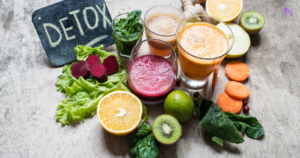
Discover what detox programs actually do, how they support liver function, and which approaches are backed by science. Learn safe, effective strategies for natural detoxification and parasite elimination.

Discover the best herbal detox supplements for 2026 with expert guidance on safe parasite cleansing and liver support. Compare top products, formulations, and quality markers.