

Most Americans are surprised to learn that about 30 percent of the global population is affected by some form of parasitic infection. These hidden organisms can disrupt your gut, weaken immunity, and even challenge liver health. For health-conscious individuals seeking holistic cleansing or alternative detox strategies, understanding the true risks and solutions behind parasite infection can lead to better choices and a stronger overall well-being.
Table of Contents
- What Is Parasite Infection? Key Facts
- Major Types of Parasites Affecting Humans
- How Parasite Infection Spreads and Develops
- Recognizing Symptoms and Diagnosing Infection
- Holistic Cleanse Approaches and Supplement Protocols
- Real Risks, Prevention, and Mistakes to Avoid
Key Takeaways
| Point | Details |
|---|---|
| Global Impact | About 30% of the world’s population experiences parasitic infections, emphasizing the need for awareness and prevention. |
| Prevention Strategies | Adopting hygiene practices like regular hand washing and consuming well-cooked foods significantly reduces infection risks. |
| Holistic and Conventional Approaches | Combining conventional diagnostic methods with holistic treatments enhances overall health and resilience against parasites. |
| Prompt Consultation | Timely medical intervention upon experiencing symptoms can prevent severe complications and limit transmission. |
What Is Parasite Infection? Key Facts
Parasite infections represent complex biological interactions where external organisms survive by living inside or on human hosts, systematically extracting nutrients while potentially causing significant health disruptions. These microscopic invaders come in multiple forms, including single-celled protozoa and multicellular worms, capable of inhabiting various body systems like intestinal tracts, bloodstreams, and organ tissues.
The global impact of parasitic infections is substantial, with approximately 30% of the world’s population experiencing some form of parasitic invasion. Common types include roundworms like Ascaris lumbricoides, pinworms, whipworms, and hookworms, which spread through contaminated surfaces, soil, food, and inadequate hygiene practices. These organisms can range from relatively harmless to potentially life-threatening, depending on the specific parasite and an individual’s immune response.
Infection mechanisms are intricate, often involving complex transmission routes that exploit human behavioral patterns and environmental conditions. Intestinal parasites typically enter the human body through ingestion of contaminated materials, with symptoms varying from mild digestive discomfort to severe systemic health complications. Factors like international travel, compromised immune systems, and limited access to sanitation significantly increase susceptibility to these invasive organisms.
Pro tip: Implement rigorous hand-washing techniques and practice careful food preparation to dramatically reduce your risk of unexpected parasitic transmission.
Major Types of Parasites Affecting Humans
Parasites infecting humans represent a diverse and complex ecosystem of microscopic organisms, categorized into three primary groups: protozoans, helminths, and ectoparasites. Protozoans are single-celled microorganisms capable of causing serious diseases like malaria, leishmaniasis, and amoebiasis by invading human cells and disrupting critical biological functions.
Helminths, commonly known as worms, constitute another significant category of human parasites. This group includes roundworms, flatworms, and flukes that inhabit various human body systems. Roundworms like Ascaris can grow several inches long inside intestinal tracts, while tapeworms and flukes specialize in extracting nutrients from their human hosts. These multicellular organisms typically reproduce by laying eggs that are excreted through human waste, enabling their continued transmission and survival.

Ectoparasites represent a third critical category, including external parasites like lice, ticks, and mites that attach themselves to human skin or hair. These organisms survive by feeding on human blood or skin cells, often causing intense itching, skin irritation, and potential disease transmission. Intestinal parasites demonstrate complex transmission mechanisms through contaminated water, food, insect bites, and direct human contact, making prevention a multifaceted challenge requiring comprehensive hygiene and awareness strategies.
Here’s a comparison of the major human parasite types:
| Parasite Type | Example Organisms | Typical Body Location | Impact on Human Health |
|---|---|---|---|
| Protozoans | Plasmodium, Giardia | Blood, intestines | Malaria, digestive disorders |
| Helminths | Ascaris, tapeworms | Intestinal tract, organs | Nutrient loss, organ damage |
| Ectoparasites | Lice, ticks, mites | Skin, hair | Itching, rashes, disease vectors |
Pro tip: Regular medical screenings and maintaining strict personal hygiene practices can significantly reduce your risk of contracting diverse parasitic infections.
How Parasite Infection Spreads and Develops
Parasitic life cycles represent intricate biological mechanisms involving complex transmission pathways that enable microscopic organisms to survive and reproduce within human hosts. These sophisticated organisms have evolved multiple strategies for entering and establishing infection, including direct ingestion, skin penetration, vector transmission, and even vertical transfer between generations.
The transmission dynamics of parasitic infections are deeply influenced by human behavior, environmental conditions, and systemic vulnerabilities. Contaminated food and water sources remain primary vectors, with insects like mosquitoes playing critical roles in spreading certain parasitic species. International travel, compromised sanitation infrastructure, and individual immune system weaknesses significantly contribute to infection risks, creating intricate networks of potential transmission routes.
Once a parasite successfully enters a human host, its development involves sophisticated multi-stage processes that enable survival and reproduction. These stages typically include larval development, migration through bodily systems, and eventual maturation into adult parasites capable of producing eggs or offspring. Some parasites can remain dormant for extended periods, creating challenging detection and treatment scenarios that require comprehensive medical intervention and targeted diagnostic approaches.
Pro tip: Prioritize consuming thoroughly washed and cooked foods, drink filtered water, and maintain rigorous personal hygiene to minimize unexpected parasite transmission risks.
Recognizing Symptoms and Diagnosing Infection
Parasitic infection symptoms represent a complex spectrum ranging from completely asymptomatic to severely debilitating conditions. The manifestation of symptoms depends critically on the specific type of parasite, infection location, and individual immune system response. Common indicators include digestive disturbances, unexplained weight changes, persistent fatigue, and seemingly unrelated systemic complications.
Diagnostic approaches for parasitic infections require comprehensive medical investigation beyond surface-level symptom assessment. Digestive symptoms often serve as primary warning signals, including persistent diarrhea, constipation, abdominal bloating, and unexpected gas. Additional warning signs might encompass unexplained weight loss, chronic fatigue, muscle aches, and skin-related issues like rashes or intense itching, particularly around the anal region. Diagnostic testing involves sophisticated laboratory techniques including microscopic stool examinations, blood smears, antigen detection methods, and advanced molecular assays designed to identify specific parasitic organisms.
Clinical evaluation typically involves a multi-step process that combines patient medical history, physical examination, and targeted laboratory investigations. Medical professionals assess risk factors such as international travel history, exposure to contaminated water or food sources, and potential environmental interactions that might increase parasitic infection probability. Specialized diagnostic tools enable precise identification of parasitic species, allowing healthcare providers to develop targeted treatment protocols that address the specific type of infection and individual patient needs.
Pro tip: Maintain a detailed symptom journal documenting any unusual health changes, which can provide critical insights for medical professionals during diagnostic consultations.
Holistic Cleanse Approaches and Supplement Protocols
Holistic health approaches represent comprehensive strategies that address parasitic infections through integrated wellness methods focusing on entire body systems rather than isolated symptoms. These protocols emphasize supporting the immune system, implementing targeted nutritional interventions, and creating an internal environment less hospitable to parasitic organisms.
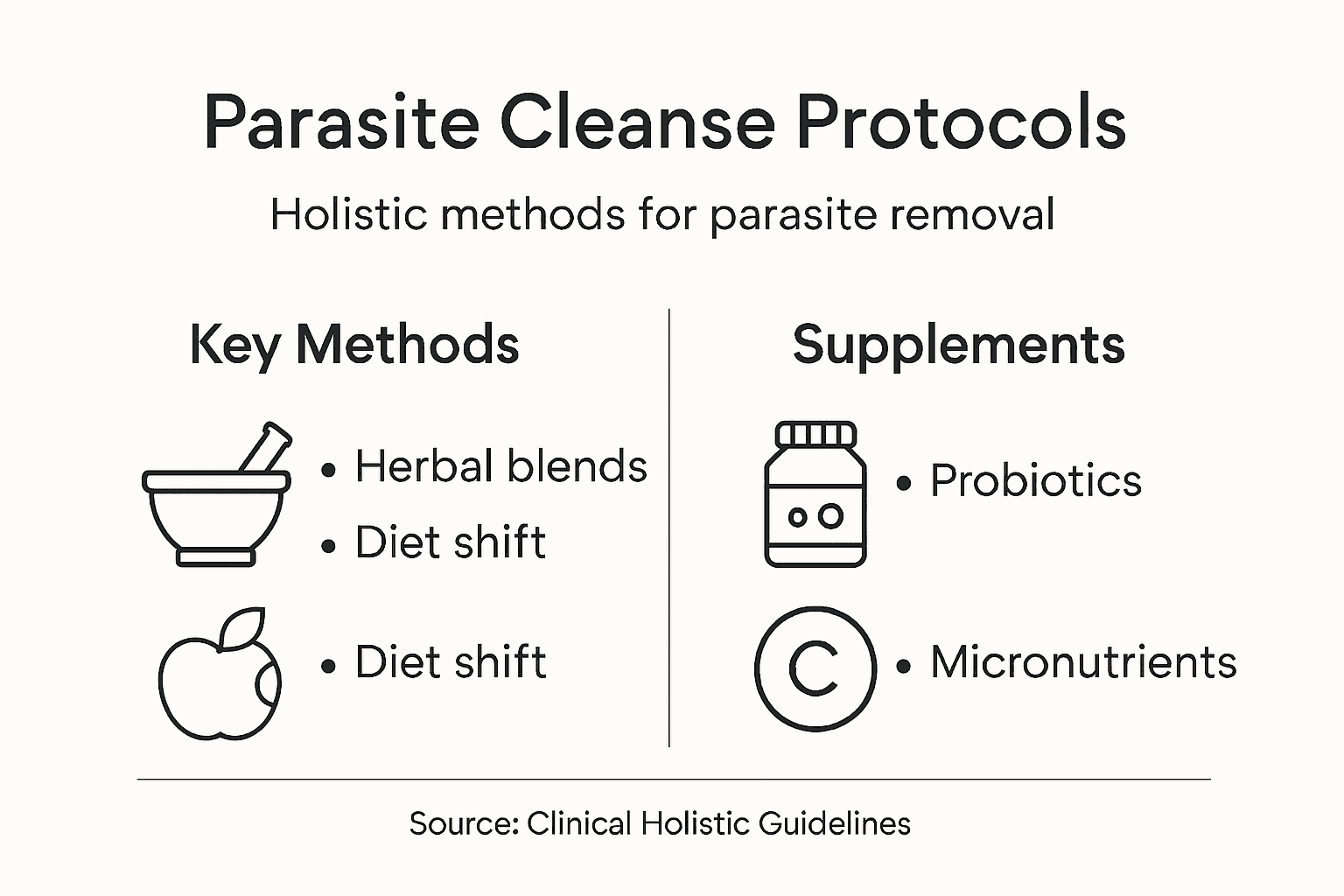
Nutritional strategies play a critical role in holistic parasite cleansing, involving carefully selected supplements and dietary modifications designed to strengthen immune responses and disrupt parasitic survival mechanisms. Key components typically include antimicrobial herbs like oregano, black walnut, and wormwood, which possess natural compounds capable of targeting various parasitic species. Probiotics and digestive enzyme supplements simultaneously work to restore gut microbiome balance and create a more resilient internal ecosystem that naturally resists parasitic colonization.
Complex holistic protocols often integrate multiple therapeutic approaches, combining immune-modulating techniques with traditional herbal remedies and modern diagnostic insights. Advanced strategies might include targeted detoxification protocols, stress reduction techniques, and comprehensive lifestyle interventions aimed at reducing systemic inflammation and enhancing overall immune function. The goal extends beyond simple parasite elimination to restoring comprehensive metabolic and immunological balance.
Pro tip: Develop a comprehensive wellness strategy that addresses nutrition, stress management, and targeted supplementation to create an internal environment resistant to parasitic infections.
Below is a summary of holistic and conventional parasite management features:
| Approach | Focus Area | Key Methods Used |
|---|---|---|
| Conventional | Diagnosis & eradication | Laboratory tests, medication |
| Holistic | Full-body wellness support | Diet, herbs, microbes |
Real Risks, Prevention, and Mistakes to Avoid
Parasitic infections represent serious health risks that can lead to profound long-term complications if left unaddressed. These potential consequences range from chronic illness and developmental delays to severe conditions like blindness or systemic organ damage. Understanding the genuine threats and implementing strategic prevention becomes crucial for maintaining comprehensive personal health and wellness.
Prevention strategies require a multifaceted approach focusing on hygiene, dietary awareness, and proactive health management. Key preventive measures include thorough hand washing, consuming only thoroughly cooked foods, avoiding potentially contaminated water sources, and maintaining rigorous personal cleanliness. Preventing transmission involves breaking complex infection cycles through targeted behavioral modifications and heightened environmental awareness. International travelers, individuals with compromised immune systems, and those living in regions with limited sanitation infrastructure face elevated risks requiring additional precautionary protocols.
Common mistakes that dramatically increase parasitic infection vulnerability include neglecting basic hygiene practices, consuming raw or undercooked foods, walking barefoot in potentially contaminated areas, and ignoring early warning symptoms. Healthcare professionals emphasize that prompt medical consultation upon experiencing suspicious symptoms can prevent widespread infection, limit potential complications, and interrupt transmission pathways. Understanding individual risk factors, maintaining consistent preventive practices, and developing a proactive health mindset are essential components of comprehensive parasite prevention strategies.
Pro tip: Develop a personal risk assessment checklist that evaluates your lifestyle, travel history, and potential exposure points to create a targeted parasite prevention strategy.
Take Control of Your Health With Trusted Parasite Cleanse Solutions
Parasite infections can silently drain your energy and disrupt your well-being. If you experience digestive discomfort, fatigue, or unexplained symptoms discussed in the article, addressing the root cause is crucial. The complexity of parasite life cycles and their impact on your immune system call for a reliable, holistic approach that supports your body’s natural defenses and promotes a toxin-free internal environment.

Explore our carefully formulated supplements at MahoneyInter designed to target parasite elimination safely and effectively. Featuring pharmaceutical-grade ingredients like ivermectin, fenbendazole, and liver support complexes, our products align with the holistic cleanse protocols highlighted in the article. Act now to develop a personalized, science-backed parasite cleanse plan that helps restore your metabolic balance and strengthens immunity. Start your journey toward total wellness today by visiting MahoneyInter and take advantage of our best-sellers and exclusive bundle discounts.
Frequently Asked Questions
What are the main types of parasites that affect humans?
Parasites affecting humans are categorized into three main types: protozoans (like Plasmodium and Giardia), helminths (such as roundworms and tapeworms), and ectoparasites (like lice and ticks). Each type has unique characteristics and impacts on human health.
How can I prevent parasite infections?
Preventing parasitic infections requires a multifaceted approach that includes strict personal hygiene practices, consuming thoroughly cooked foods, avoiding contaminated water sources, and washing hands regularly to break the transmission cycle.
What are the common symptoms of parasitic infections?
Common symptoms of parasitic infections include digestive disturbances like diarrhea and constipation, unexplained weight loss, persistent fatigue, muscle aches, and skin irritations such as rashes or itching, especially around the anal area.
How do holistic approaches help in managing parasite infections?
Holistic approaches to managing parasite infections focus on supporting the immune system and creating an internal environment less hospitable to parasites. These may include dietary changes, antimicrobial herbal supplements, probiotics, and stress reduction techniques to promote overall health.
Recommended
- Knowledge – Mahoney inter
- Parasite Cycle Explained: Impacts on Holistic Health – Mahoney inter
- How to Spot Parasite Symptoms for Better Health – Mahoney inter
- Understanding Why Remove Parasites for Better Health – Mahoney inter
- The Surprising Link Between Gum Disease and Overall Health – Monteluz Specialty