
Surprising as it may seem, the liver handles over 500 vital functions daily, making it a true powerhouse for health-conscious individuals everywhere. For those who care about holistic wellness or are navigating American detox trends, understanding your natural detox pathways matters. Delving into Phase 1 liver detoxification reveals why targeted nutrition and balanced support are crucial for safe and effective toxin elimination, especially for anyone considering natural approaches or concerned about liver and parasite health.
Table of Contents
- Defining Phase 1 Liver Detoxification
- Key Enzymes and Biochemical Reactions
- Common Toxins Processed and Outcomes
- Nutrients and Lifestyle for Healthy Detox
- Risks of Imbalance and Detox Myths
Key Takeaways
| Point | Details |
|---|---|
| Importance of Phase 1 Detoxification | Phase 1 is critical for breaking down toxins, but it can create reactive intermediates if not balanced with Phase 2. |
| Role of Nutrients | Key nutrients such as B-complex vitamins and antioxidants support liver enzymes and detoxification processes. |
| Risks of Imbalance | An unbalanced focus on accelerating Phase 1 can lead to oxidative stress and cellular damage, emphasizing the need for a comprehensive approach. |
| Lifestyle Impact | Regular physical activity, adequate hydration, and a balanced diet are essential for optimizing liver detoxification. |
Defining Phase 1 Liver Detoxification
The liver operates like a sophisticated chemical processing plant, continuously neutralizing and transforming potentially harmful substances through an intricate detoxification mechanism. Phase 1 liver detoxification represents the initial, critical stage where the body begins breaking down toxic compounds, preparing them for complete elimination. Chemical modification of fat-soluble toxins occurs through a complex series of enzymatic reactions primarily driven by the cytochrome P450 enzyme family.
During this phase, lipophilic substances undergo fundamental transformations through specialized processes including oxidation, reduction, hydrolysis, hydration, and dehalogenation. These biochemical reactions convert fat-soluble toxins into more reactive intermediate metabolites, making them water-soluble and easier for the body to process and remove. The cytochrome P450 enzymes act like molecular scissors, strategically cutting and modifying molecular structures to prepare toxic compounds for neutralization.
While essential for detoxification, Phase 1 reactions can potentially generate intermediate metabolites that might be more reactive or toxic than the original compounds. This highlights the critical importance of a balanced, well-supported detoxification pathway. Without proper subsequent processing in Phase 2, these intermediate metabolites could potentially cause cellular damage or increased oxidative stress. Liver’s detoxification mechanisms therefore require a nuanced, comprehensive approach to ensure safe and effective toxin elimination.
Pro tip: Support your liver’s detoxification process by consuming cruciferous vegetables like broccoli and Brussels sprouts, which contain compounds that enhance enzymatic activity and promote balanced Phase 1 and Phase 2 detoxification.
Key Enzymes and Biochemical Reactions
Cytochrome P450 enzymes form the cornerstone of Phase 1 liver detoxification, representing a sophisticated molecular defense system against potentially harmful compounds. Enzymatic biotransformation processes involve a complex network of specialized enzymes that strategically modify toxic substances through precise chemical reactions. These enzymes are essential for transforming lipophilic molecules into more water-soluble forms, enabling their eventual elimination from the body.
The cytochrome P450 enzyme family includes multiple specific enzyme subtypes, each with unique capabilities for metabolizing different compounds. Key liver detoxification enzymes such as CYP1A1, 2C9, 2D6, and 3A4 perform critical oxidation, reduction, and hydrolysis reactions. These enzymatic processes introduce functional groups to toxins, increasing their hydrophilicity and preparing them for further neutralization. Importantly, these reactions require specific cofactors like NADH and oxygen, highlighting the intricate biochemical environment needed for effective detoxification.
The biochemical transformations occurring during Phase 1 are not without potential risks. While these enzymatic reactions are essential for breaking down toxins, they can simultaneously generate reactive oxygen species and intermediate metabolites that might cause cellular damage if not promptly neutralized. This delicate balance underscores the importance of comprehensive liver support and antioxidant protection during the detoxification process. The body’s ability to efficiently manage these reactive intermediates determines the overall effectiveness of its natural detoxification mechanisms.
Pro tip: Consume foods rich in antioxidants like berries, green tea, and dark leafy vegetables to help neutralize reactive intermediates and support your liver’s enzymatic detoxification processes.
Here’s a summary of major Phase 1 liver detoxification enzymes and their roles:
| Enzyme Name | Primary Reaction Type | Key Substrates | Importance in Detox |
|---|---|---|---|
| CYP1A1 | Oxidation | Polycyclic aromatic hydrocarbons | Breaks down environmental pollutants |
| CYP2C9 | Hydroxylation | NSAIDs, warfarin | Processes pharmaceuticals efficiently |
| CYP2D6 | Oxidation | Many antidepressants | Influences drug metabolism rate |
| CYP3A4 | Oxidation | Steroids, antibiotics | Handles most prescription drugs |
Common Toxins Processed and Outcomes
The liver acts as a critical filtering system, processing an extensive array of potentially harmful substances encountered in daily life. Diverse toxin metabolization processes encompass environmental pollutants, medications, alcohol, cellular debris, and various chemical compounds that threaten human health. These substances range from external environmental toxins like pesticides and industrial chemicals to internal metabolic byproducts that require systematic neutralization and elimination.
Alcohol, pharmaceuticals, and environmental chemicals represent some of the most common substances processed during Phase 1 detoxification. The biochemical transformation of these lipophilic compounds involves converting them into more water-soluble metabolites, which can sometimes paradoxically create more reactive intermediate forms. Liver detoxification mechanisms demonstrate remarkable complexity, as the initial breakdown can temporarily increase toxicity before final neutralization occurs. This intricate process highlights why comprehensive liver support is crucial for maintaining overall metabolic health.

The potential outcomes of Phase 1 detoxification are nuanced and depend on multiple physiological factors. While the primary goal is toxin elimination, the process can generate reactive oxygen species and intermediate metabolites that may cause cellular stress if not quickly neutralized. Factors such as genetic variations, nutritional status, and overall liver health significantly influence how effectively these toxins are processed and removed from the body. Some individuals may experience more pronounced metabolic challenges, making personalized liver support an essential consideration for optimal detoxification.
Pro tip: Incorporate foods rich in sulfur compounds like garlic, onions, and cruciferous vegetables to support your liver’s natural detoxification pathways and help neutralize potentially harmful metabolic intermediates.
Nutrients and Lifestyle for Healthy Detox
Nutritional support forms the foundation of effective liver detoxification, with specific vitamins and minerals playing crucial roles in enzymatic processes. Nutrient-rich detox strategies emphasize the importance of consuming a diverse array of micronutrients that directly support Phase 1 liver functions. Key nutrients like B-complex vitamins, vitamin C, magnesium, zinc, and selenium act as essential cofactors that enable cytochrome P450 enzymes to efficiently transform and neutralize potentially harmful compounds.
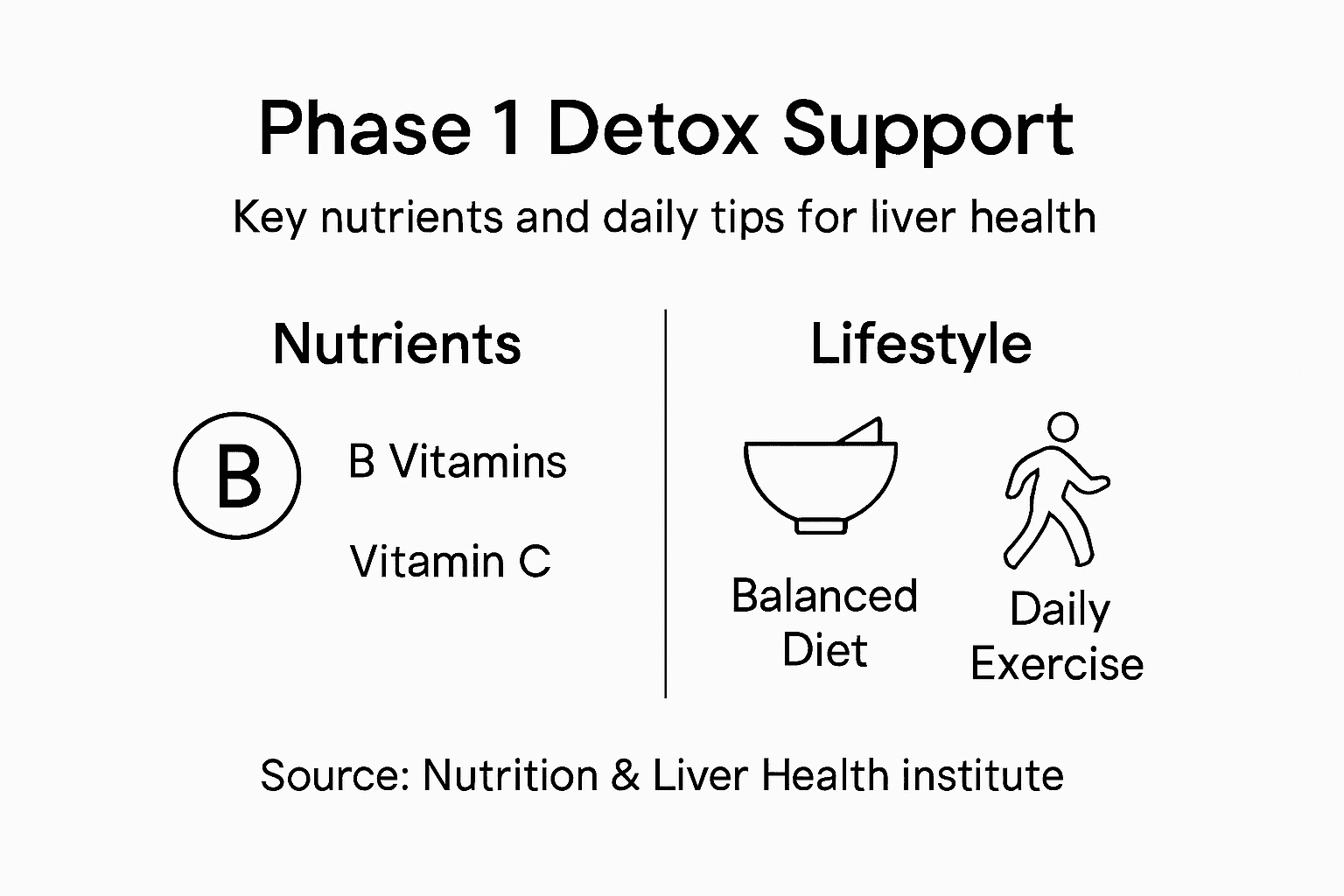
The intricate relationship between diet and liver health extends beyond simple nutrient intake. Lifestyle factors such as stress management, regular physical activity, and minimizing toxin exposure play equally significant roles in maintaining optimal detoxification pathways. Comprehensive liver health approaches suggest that hydration, quality sleep, and reducing environmental toxin exposure can dramatically enhance the liver’s natural detoxification capabilities. Chronic stress, sedentary behaviors, and consistent exposure to pollutants can overwhelm the liver’s metabolic processes, making holistic lifestyle modifications critical for long-term hepatic function.
Diet composition emerges as a powerful modulator of liver detoxification efficiency. Antioxidant-rich foods like cruciferous vegetables, berries, and leafy greens provide the necessary compounds to neutralize reactive intermediates generated during Phase 1 processes. Amino acids such as glutathione precursors support the liver’s ability to manage oxidative stress and complete the complex detoxification cycle. The strategic combination of targeted nutrition and mindful lifestyle choices creates a comprehensive approach to supporting the body’s natural detoxification mechanisms.
Pro tip: Create a weekly meal plan featuring sulfur-rich foods like garlic, onions, and eggs, and incorporate 30 minutes of daily movement to support your liver’s natural detoxification processes.
Compare the impact of nutrient and lifestyle factors on liver detoxification effectiveness:
| Factor | Role in Detoxification | Benefit | Risk if Neglected |
|---|---|---|---|
| B-Complex Vitamins | Cofactor for enzymes | Boosts detox efficiency | Reduced toxin breakdown |
| Antioxidant Foods | Neutralize intermediates | Lowers cell damage | Increased oxidative stress |
| Physical Activity | Improves circulation | Enhances toxin removal | Sluggish metabolism |
| Hydration | Supports filtration | Boosts toxin excretion | Impaired detox capacity |
Risks of Imbalance and Detox Myths
Liver detoxification myths can create dangerous misconceptions about the body’s complex metabolic processes. Detox phase misconceptions frequently mislead individuals into believing that accelerating Phase 1 detoxification alone can improve overall health. In reality, an unbalanced approach can potentially generate more harm than benefit, as the liver requires intricate coordination between different metabolic phases to effectively neutralize and eliminate toxins.
One of the most prevalent risks involves the accumulation of reactive intermediates when Phase 1 processes outpace Phase 2 conjugation pathways. These intermediate compounds can generate substantial oxidative stress, potentially causing cellular damage and inflammation. Functional medicine perspectives emphasize that many commercially available detox supplements make unsupported claims about rapid toxin elimination, often lacking scientific validation and potentially introducing additional metabolic stress.
The human body’s detoxification system is remarkably sophisticated, requiring a nuanced, balanced approach rather than aggressive intervention. Common myths suggest quick fixes or extreme detox protocols can rapidly cleanse the body, but such approaches can overwhelm natural metabolic mechanisms. Genetic variations, individual nutritional status, and overall health significantly influence how effectively the liver processes and eliminates toxins. Sustainable liver health demands a comprehensive strategy that supports enzymatic functions, provides essential nutrients, and minimizes environmental toxin exposure.
Pro tip: Consult with a healthcare professional before starting any detox protocol and focus on consistent, moderate lifestyle choices that support your liver’s natural detoxification processes.
Support Your Liver’s Natural Phase 1 Detoxification with Trusted Solutions
Balancing the liver’s Phase 1 detoxification is essential to safely transform and eliminate toxins without generating harmful intermediates. If you are experiencing concerns about oxidative stress, imbalance in detox pathways, or want to ensure your liver enzymes receive proper nutritional cofactors and antioxidant support this is the right time to take action. The right supplements can provide pharmaceutical-grade ingredients to promote balanced enzymatic activity and protect your liver from cellular damage.
Explore holistic liver support supplements and parasite cleanse products crafted to help your body maintain detox balance. Visit Mahoney Inter to discover premium options like NAC, TUDCA, and liver support complexes backed by purity standards and scientific insight. Take charge of your health now with natural, effective solutions designed to complement your liver’s sophisticated detox system. Don’t wait until imbalance causes lasting harm. Find your optimal detox plan by visiting Mahoney Inter’s main site and learn more about how to safely support your liver’s function today.
Frequently Asked Questions
What is Phase 1 liver detoxification?
Phase 1 liver detoxification is the initial stage where the liver begins breaking down toxic compounds through enzymatic reactions, primarily involving cytochrome P450 enzymes. This process transforms fat-soluble toxins into more reactive intermediate metabolites.
Why is balanced support important during liver detoxification?
Balanced support is crucial because Phase 1 reactions can generate reactive intermediates that may be more toxic than the original substances. Adequate support ensures that these intermediates are effectively processed in Phase 2 detoxification to prevent cellular damage and oxidative stress.
What nutrients support Phase 1 liver detoxification?
Key nutrients that support Phase 1 liver detoxification include B-complex vitamins, vitamin C, magnesium, zinc, and selenium. These vitamins and minerals serve as cofactors for cytochrome P450 enzymes to enhance their detoxification capabilities.
How can I enhance my liver’s detoxification process?
You can enhance your liver’s detoxification process by consuming antioxidant-rich foods like cruciferous vegetables, berries, and leafy greens, as well as maintaining a balanced diet, staying hydrated, managing stress, and engaging in regular physical activity.
Recommended
- What Is Phase 2 Liver Detox and Why It Matters – Mahoney inter
- Liver Support Explained: Benefits, Types, and Safety – Mahoney inter
- Understanding the Liver Detoxification Process Effectively – Mahoney inter
- Role of Liver Detoxification: Impact on Detox Health – Mahoney inter
- 7 Healthy Snack Alternatives You Need to Try – Spaceman