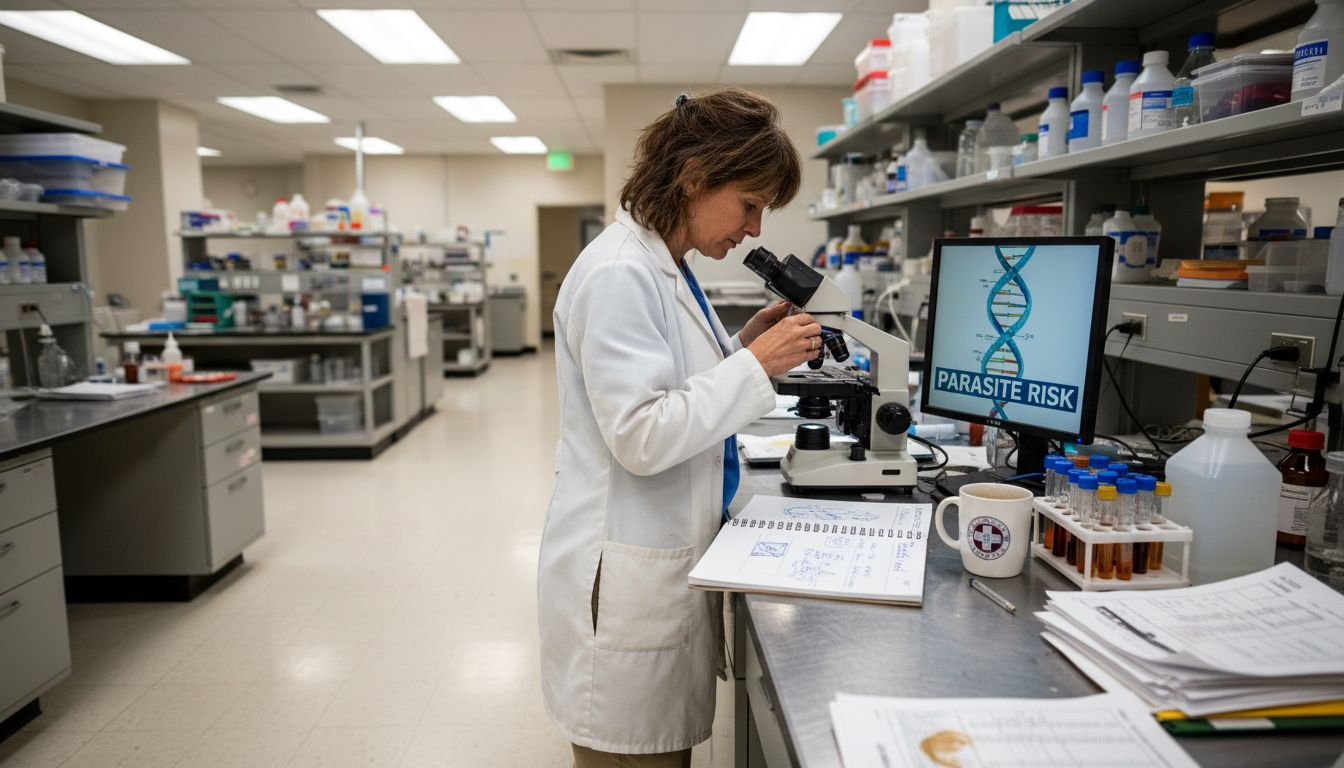
Most people are surprised to learn that certain parasitic infections play a much larger role in cancer risk than once believed. Recent research shows these microscopic invaders may contribute to cellular changes linked to cancer, making prevention a global concern for cancer survivors and those at risk. With the american focus on holistic health growing, this guide sheds light on the powerful connection between parasites, immunity, and cancer prevention—empowering you to make informed choices for lifelong wellness.
Table of Contents
- Cancer Prevention And Parasitic Infections Explained
- Types Of Parasites Linked To Cancer Risks
- How Parasites Influence Cancer Processes
- Holistic Parasite Cleansing For Prevention
- Supplements, Safety, And Scientific Evidence
- Risks, Myths, And When To Seek Care
Key Takeaways
| Point | Details |
|---|---|
| Parasitic Infections and Cancer Risk | Certain parasites can contribute to cancer development, emphasizing the need for awareness and management in cancer prevention. |
| Screening for High-Risk Individuals | Comprehensive screening for parasitic infections is essential, particularly for those with compromised immune systems or living in high-risk regions. |
| Holistic Prevention Strategies | Integrating lifestyle changes, effective hygiene practices, and balanced nutrition can help reduce the risk of parasitic infections and associated cancer risks. |
| Consult Healthcare Professionals | Individuals should seek professional guidance before starting any supplement regimen related to parasite prevention or treatment. |
Cancer Prevention and Parasitic Infections Explained
Parasitic infections represent a critical yet often overlooked factor in cancer risk. Research suggests that certain parasitic organisms can significantly impact cellular health and potentially contribute to cancer development. Cancer prevention research indicates that understanding and managing these infections could be a crucial strategy in reducing overall cancer incidence.
Cancer patients face unique vulnerabilities when it comes to parasitic infections. Due to compromised immune systems from cancer treatments, these individuals are particularly susceptible to opportunistic parasitic pathogens. Infection prevention guidelines highlight the importance of comprehensive screening and targeted interventions to minimize infection-related complications and potential cancer progression.
Understanding the complex relationship between parasitic infections and cancer requires a multifaceted approach. Some parasites can trigger chronic inflammation, DNA damage, and cellular mutations that may increase cancer risk. These organisms can disrupt normal cellular processes, potentially creating an environment more conducive to malignant transformation. Key risk factors include geographical location, personal hygiene, immune status, and exposure to contaminated water or food sources.
Pro tip: Consider regular comprehensive health screenings that include parasitic infection assessments, especially if you have compromised immune function or live in high-risk geographical regions.
Types of Parasites Linked to Cancer Risks
Cancer research has identified several specific parasitic species that demonstrate significant potential for increasing cancer risks. Epidemiological studies have uncovered a complex relationship between certain parasitic infections and cancer development, particularly in the gastrointestinal tract. Key parasites of concern include Schistosoma spp., Cryptosporidium spp., and Strongyloides stercoralis, which have been directly linked to chronic inflammatory processes that can promote carcinogenesis.

The mechanisms by which parasites contribute to cancer risk are multifaceted and sophisticated. Parasitic infections associated with cancer often trigger prolonged inflammatory responses that damage cellular DNA and compromise normal immune function. For instance, Schistosoma haematobium has been specifically connected to bladder cancer, demonstrating how specific parasitic organisms can target and potentially transform particular tissue types through sustained immune system disruption.
Understanding the geographical and environmental factors that increase parasitic infection risks is crucial for cancer prevention strategies. Different parasitic species predominate in specific regions, with tropical and subtropical areas experiencing higher prevalence. Factors such as water quality, sanitation infrastructure, personal hygiene practices, and proximity to potential parasite vectors significantly influence infection potential. Some parasites can remain asymptomatic for extended periods, silently causing cellular damage and increasing cancer susceptibility.
Here’s a summary of key parasites linked to increased cancer risks and their associated cancers:
| Parasite Species | Common Region | Associated Cancer Type | Main Transmission Route |
|---|---|---|---|
| Schistosoma haematobium | Africa, Middle East | Bladder cancer | Contaminated water |
| Opisthorchis viverrini | Southeast Asia | Cholangiocarcinoma | Raw/undercooked fish |
| Clonorchis sinensis | East Asia | Bile duct cancer | Undercooked freshwater fish |
| Strongyloides stercoralis | Tropics, subtropics | Intestinal carcinoma | Soil contact |
| Cryptosporidium spp. | Worldwide | Colorectal cancer | Waterborne, foodborne |
Pro tip: Consider comprehensive parasitic screening, especially when traveling to high-risk geographical regions or if you have a compromised immune system.
How Parasites Influence Cancer Processes
Infection-related cancer mechanisms reveal a complex and intricate relationship between parasitic organisms and cellular transformation. Parasites can manipulate host cellular environments through sophisticated biological strategies that gradually compromise normal immune function and genetic stability. These microorganisms create conditions that incrementally push cells toward malignant potential by inducing chronic inflammation, disrupting cellular signaling pathways, and generating persistent immune system challenges.
The molecular interactions between parasites and human cells are particularly nuanced. Parasitic infections contribute to cancer through multiple sophisticated mechanisms. They can directly damage cellular DNA, trigger abnormal cell proliferation, and create tumor microenvironments that facilitate cancer progression. Specific parasitic species have demonstrated abilities to evade immune detection, suppress protective immune responses, and induce genetic mutations that increase cancer susceptibility.
Understanding these complex interactions requires examining the specific ways parasites interact with human cellular systems. Some parasites produce inflammatory proteins that continuously stimulate cell reproduction, while others directly interfere with DNA repair mechanisms. The cumulative effect is a gradual breakdown of normal cellular controls, creating opportunities for malignant transformation. Geographical regions with higher parasitic infection rates consistently show correlations with increased cancer incidence, highlighting the critical nature of these biological interactions.
Pro tip: Implement regular comprehensive health screenings that include detailed parasitic infection assessments, particularly if you live in high-risk geographical regions or have a compromised immune system.
Holistic Parasite Cleansing for Prevention
Effective parasite control strategies emphasize a comprehensive approach to reducing infection risks and supporting overall health. Holistic parasite cleansing goes beyond traditional medical treatments, integrating lifestyle modifications, nutritional interventions, and environmental management to create a robust defense against parasitic infections. This multifaceted strategy addresses not just treatment, but prevention, targeting the root causes of parasitic colonization and minimizing potential long-term health complications.
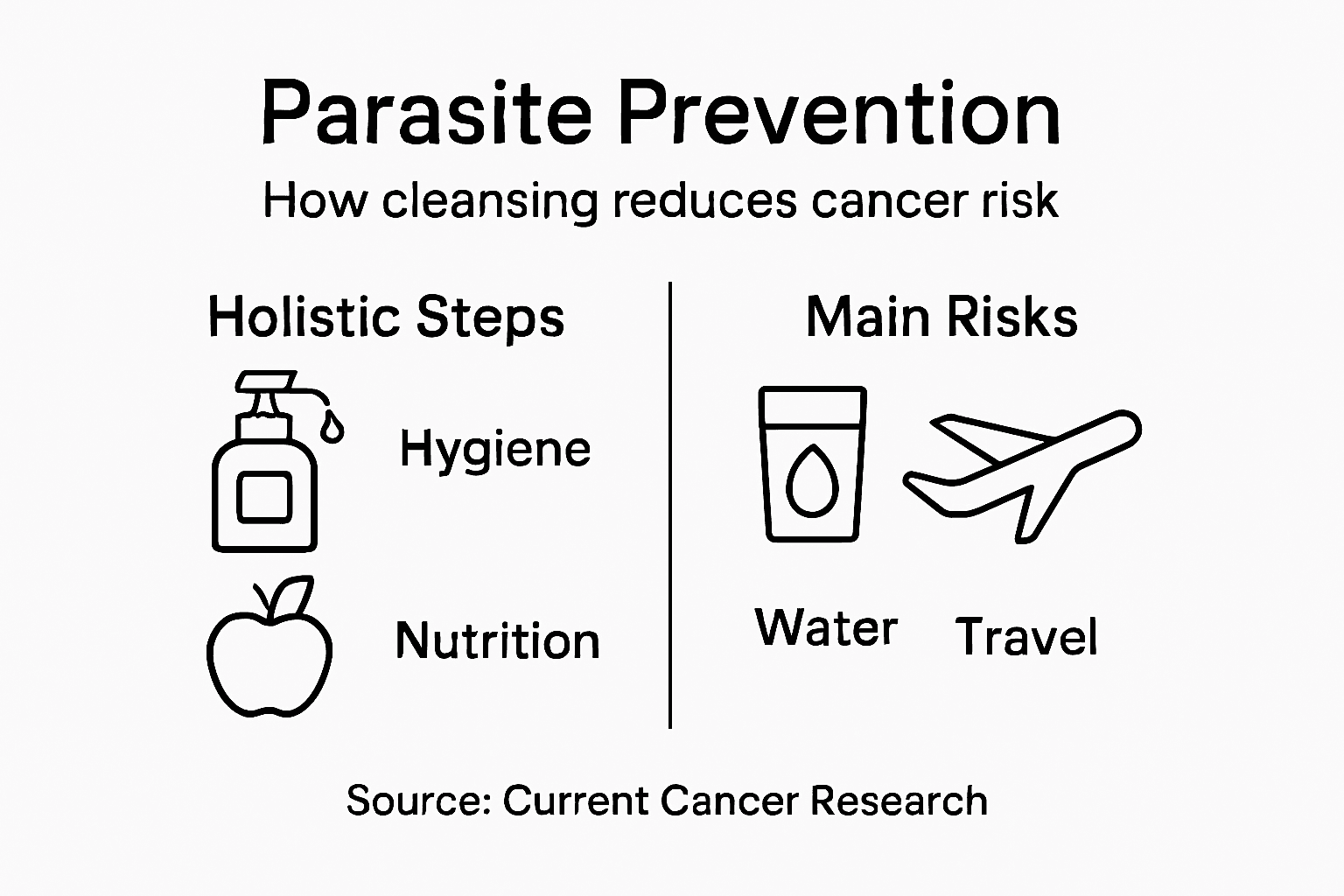
The core principles of holistic parasite prevention involve a systematic approach to personal and environmental hygiene. This includes maintaining clean living spaces, practicing rigorous hand washing, ensuring safe water and food sources, and supporting immune system function through balanced nutrition. Dietary interventions play a crucial role, with certain foods and herbs demonstrating natural antiparasitic properties that can help create an inhospitable environment for parasitic organisms.
Understanding individual risk factors is essential for developing a personalized parasite prevention strategy. Geographic location, travel history, lifestyle choices, and personal health status all contribute to parasitic infection potential. Infection prevention guidelines recommend comprehensive screening, particularly for individuals with compromised immune systems or those living in high-risk environments. Integrating regular health check-ups, maintaining strong immune function, and adopting proactive prevention techniques can significantly reduce the likelihood of parasitic infections.
Pro tip: Develop a personalized prevention protocol that includes regular health screenings, immune-supporting nutrition, and targeted hygiene practices tailored to your specific environmental and health risks.
Supplements, Safety, and Scientific Evidence
Navigating the complex landscape of supplements requires careful consideration, especially for individuals managing health challenges. Cancer prevention guidelines emphasize the critical importance of evidence-based approaches when exploring potential interventions. Nutritional supplements marketed for parasite cleansing or immune support must be evaluated rigorously, with a primary focus on scientific validation, potential interactions, and overall safety profile.
Scientific scrutiny reveals significant gaps in supplement research related to parasite prevention and cancer risk reduction. While some natural compounds demonstrate promising preliminary results, most lack comprehensive clinical trials establishing definitive efficacy. Potential risks include unexpected interactions with existing medications, unregulated manufacturing processes, and misleading health claims that can compromise patient safety. Medical professionals consistently recommend prioritizing proven medical interventions over unverified supplement regimens.
The intersection of supplementation, parasite control, and cancer prevention demands a nuanced, personalized approach. Clinical infection prevention protocols highlight the necessity of individualized medical guidance, particularly for patients with compromised immune systems. Effective strategies involve comprehensive health assessments, targeted medical interventions, and a holistic approach that integrates nutrition, lifestyle modifications, and evidence-based treatments.
The following table compares medical, holistic, and supplement-based parasite prevention strategies:
| Approach | Main Focus | Strengths | Limitations |
|---|---|---|---|
| Medical | Targeted treatment | Clinically proven effectiveness | May cause side effects |
| Holistic | Lifestyle and hygiene | Supports overall well-being | Effectiveness varies individually |
| Supplements | Immune/nutritional support | Easy to access, natural products | Often lacks rigorous scientific proof |
Pro tip: Always consult with healthcare professionals before starting any supplement regimen, and request comprehensive documentation about potential interactions and scientific evidence supporting specific products.
Risks, Myths, and When to Seek Care
Cancer patient infection risks require careful understanding and proactive management. Many individuals hold misconceptions about parasitic infections and their relationship to cancer, which can lead to dangerous delays in seeking appropriate medical care. Myths surrounding self-treatment and unverified cleansing protocols can create false senses of security, potentially compromising critical health interventions and personal safety.
Understanding the difference between legitimate medical concerns and unsubstantiated health claims is crucial. Some widespread myths include believing that over-the-counter supplements can effectively replace medical treatments, or that parasite infections are always immediately detectable. Infection prevention guidelines emphasize that immunocompromised individuals must be particularly vigilant, with specific warning signs requiring immediate professional medical attention. These signs include unexplained fever, persistent fatigue, unexpected weight loss, and recurring infections.
The most significant risks for cancer patients involve potential immune system complications and secondary infections. Parasitic infections can significantly impact already fragile health conditions, potentially accelerating disease progression or causing unexpected complications. Medical professionals recommend comprehensive screening, individualized risk assessments, and strict adherence to clinical protocols. Patients should prioritize professional medical guidance over internet-based advice or unverified treatment strategies.
Pro tip: Maintain a detailed health journal documenting any unusual symptoms, and always consult your oncology team before attempting any alternative treatments or supplement regimens.
Take Control of Your Health by Addressing Parasite Risks and Supporting Cancer Prevention
The article highlights the critical challenge of parasitic infections increasing cancer risk and complicating immune health. If you are concerned about exposure to parasites like Schistosoma or Cryptosporidium and want to support your body’s natural defenses against chronic inflammation and cellular damage, it is essential to adopt safe and effective parasite cleansing protocols that also promote holistic wellness. Many readers face the pain of immune vulnerability and the threat of overlooked infections that silently impact long-term health. Incorporating pharmaceutical-grade supplements and natural compounds can empower you to reduce these risks proactively.

Discover scientifically formulated products such as ivermectin, fenbendazole, and liver support complexes at Mahoney Inter, designed to complement comprehensive parasite prevention strategies discussed in the article. Start today to strengthen your immune system, aid detoxification, and protect your cellular health. Don’t wait for symptoms to appear. Visit https://mahoneyinter.com now to explore trusted parasite cleanse solutions, detailed product information, and expert customer support for your journey toward sustained cancer prevention and wellness.
Frequently Asked Questions
What types of parasitic infections are linked to cancer?
Certain parasitic infections, such as Schistosoma spp., Opisthorchis viverrini, and Strongyloides stercoralis, have been found to be linked to an increased risk of various cancers, particularly in the gastrointestinal tract.
How do parasitic infections contribute to cancer risk?
Parasitic infections can lead to chronic inflammation, DNA damage, and cellular mutations, which may create an environment conducive to cancer development. This includes disrupting normal cellular processes and immune functions.
What preventive measures can be taken against parasitic infections?
Preventive measures include practicing good personal hygiene, maintaining clean water sources, eating well-cooked food, and undergoing regular health screenings, especially if you’re at higher risk for infections.
When should cancer patients be particularly vigilant about parasitic infections?
Cancer patients should be vigilant about parasitic infections due to their compromised immune systems. Symptoms such as unexplained fever, persistent fatigue, unexpected weight loss, or recurring infections should prompt immediate medical attention.