
TNM Liver Support Ingredients Explained: Formula Breakdown, Benefits & Key Nutrients
When choosing a liver support supplement, the ingredient panel often tells you more than the front label. Understanding why each

Persistent bloating. Ongoing diarrhea. Mucus in stool. Unexplained fatigue. Or intense anal itching at night that disrupts sleep.
These may be early signs of intestinal parasites in adults, yet they are often mistaken for IBS, food intolerance, or a stomach virus. Many people searching for “how do you know if you have parasites?” are surprised to learn that parasite infection symptoms can overlap with common digestive disorders.
Although intestinal parasites are frequently associated with developing regions, intestinal worms in humans and protozoan infections still occur in the United States every year. According to the CDC, Giardia (giardiasis) remains one of the most frequently reported parasitic infections in the U.S., often linked to contaminated water and outdoor recreation. Globally, the World Health Organization estimates that more than 1.5 billion people are infected with soil-transmitted helminths such as roundworms and hookworms.
Because symptoms of parasites in humans vary widely — from chronic diarrhea and anemia to bloating after travel — proper diagnosis is essential. Many individuals with persistent digestive symptoms wonder whether they could have worms in humans or another intestinal parasite.
By the end, you’ll know when to test, what tests are best, and what treatment looks like in the U.S.
Intestinal parasites are organisms that live inside the human digestive tract and rely on the host for nutrients and survival. These parasites in humans can interfere with digestion, immune function, and nutrient absorption.
Many people searching “what are intestinal parasites?” or “what are worms in humans?” are surprised to learn that parasitic infections can occur even in the United States.
Unlike beneficial gut bacteria, intestinal parasites:
There are two main types of intestinal parasites in humans:
Helminths are multicellular parasitic worms. These are commonly referred to as intestinal worms. Some may grow large enough to be visible in the stool.
Common intestinal worms in humans include:
The most common worm infection in children in the United States and the United Kingdom is.
Main symptom: intense anal itching at night.
Transmitted through contaminated soil or produce. May cause abdominal pain or obstruction in severe cases.
Can contribute to chronic diarrhea and anemia.
Enter through bare skin (often feet). Can cause iron-deficiency anemia and fatigue.
Capable of autoinfection (reinfecting the body internally), allowing infection to persist for years.
Contracted from undercooked pork, beef, or fish. May cause mild digestive symptoms or visible segments in stool.
Protozoa are single-celled parasites that multiply inside the intestines and are a common cause of prolonged diarrhea in the U.S.
Common protozoan infections include:
Often linked to untreated lake or stream water. Causes watery diarrhea, bloating, gas, and foul-smelling stool.
Associated with swimming pool or recreational water outbreaks.
May cause bloody diarrhea and abdominal pain.
Often linked to imported fresh produce.
Frequently detected in stool testing; symptoms vary.
Because protozoa multiply within the gut, symptoms of parasite infection may persist without treatment.
Many people assume intestinal parasites only affect developing countries. However, digestive parasites remain one of the most widespread infections globally — and cases still occur in the United States every year.
Understanding how common parasites are helps explain why persistent digestive symptoms should not be ignored.
Intestinal parasites continue to affect billions of people worldwide.
While intestinal worm infections are more common in developing regions, globalization, travel, food importation, and migration mean that exposure risk is not limited by geography.
Although sanitation standards are higher in the U.S., intestinal parasites have not been eliminated.
Parasitic infections reported in the United States include:
One of the most frequently reported parasitic infections in the U.S. is often linked to contaminated drinking water, hiking, camping, and untreated lakes or streams.
Common in daycare centers, schools, and households with young children. Pinworms are one of the most common worm infections in American children.
Associated with recreational water outbreaks, including swimming pools and water parks.
More prevalent in parts of Appalachia and the southeastern United States, especially in areas with historical sanitation gaps.
While the overall risk of intestinal parasites in the U.S. is lower than in many tropical countries, infections still occur each year — particularly among travelers, outdoor enthusiasts, children, and immunocompromised individuals.
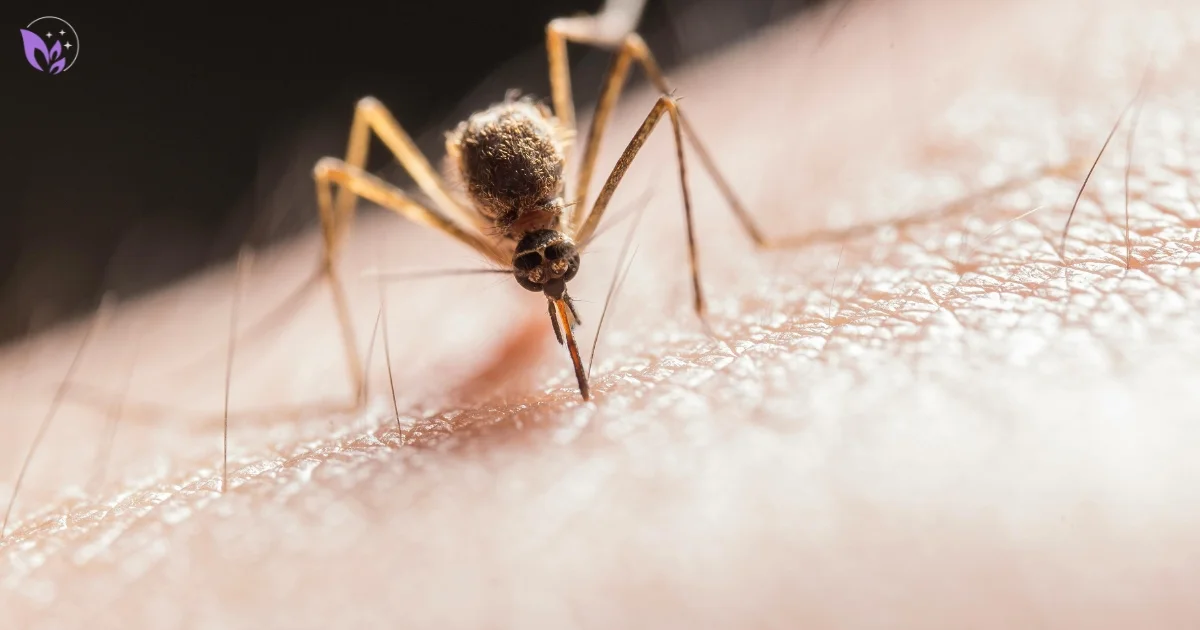
Symptoms of intestinal parasites vary depending on the type of parasite, infection severity, immune status, and how long the infection has been present.
Some people experience obvious digestive distress. Others may have mild or no symptoms at first, which is why parasite infections are sometimes mistaken for IBS, food intolerance, or a stomach virus.
Many people searching “how do you know if you have parasites?” are experiencing one or more of the symptoms below.
The most common symptoms of parasites in adults include:
These intestinal parasite symptoms are frequently confused with IBS or food sensitivities.
Certain intestinal worms may cause more specific symptoms:
More serious infections may cause:
In immunocompromised individuals, certain parasites (such as Strongyloides) can cause severe complications.
In chronic or prolonged infections, some individuals report:
These symptoms are nonspecific and require medical evaluation, as many other conditions can cause similar complaints.
The incubation period depends on the type of parasite, the amount of exposure, and your immune system. Some infections cause symptoms quickly, while others may take weeks or even months to appear.
If you traveled, camped, or drank untreated water weeks ago and now have persistent digestive symptoms, the incubation timeline may explain the delay.
Yes.
Some individuals with intestinal parasites have no obvious symptoms, especially in early stages or mild infections. However, untreated parasites may still interfere with nutrient absorption and gut function over time.
This is why laboratory testing is necessary to confirm whether symptoms are due to a parasitic infection or another digestive condition.
Many people confuse intestinal parasites with Irritable Bowel Syndrome (IBS) because the symptoms can overlap.
Here is a simplified comparison:
| Feature | IBS | Intestinal Parasites |
| Trigger | Stress, food sensitivity | Contaminated food/water, travel, daycare |
| Fever | Rare | Possible |
| Nighttime anal itching | No | Yes (pinworms) |
| Persistent watery diarrhea | Sometimes | Common (Giardia, Crypto) |
| Mucus in stool | Possible | Possible |
| Iron-deficiency anemia | Uncommon | Possible (hookworms) |
| Eosinophilia on blood test | No | Possible (worm infections) |
| Confirmed by stool test | No | Yes |
Many people ask: How do you get parasites?
Most intestinal parasites in humans are transmitted when microscopic eggs, larvae, or cysts are accidentally ingested. In some cases, certain worms can enter directly through the skin.
Understanding how parasites spread is essential for prevention and avoiding reinfection.
Common ways people get parasites include:
Parasite eggs are microscopic and cannot be seen without laboratory testing, which is why infections may occur without obvious exposure.
Yes.
Some intestinal worms — particularly hookworms and Strongyloides — can penetrate the skin.
This usually occurs when:
Although less common in most urban U.S. environments, this route of transmission still occurs in certain rural regions.
Parasite eggs can survive on surfaces for days to weeks, depending on the species and environmental conditions.
This increases the risk of reinfection — especially in household outbreaks.
Common contamination sites include:
Pinworms are particularly contagious because eggs are easily transferred from hands to bedding and surfaces.
Reinfection is common with certain parasites, especially pinworms and Strongyloides.
If hygiene measures are not maintained during and after treatment, parasite eggs may be reintroduced into the body. This is one reason symptoms sometimes return even after medication.
While anyone can develop intestinal parasites, certain individuals are at higher risk of infection.
Understanding parasite risk factors helps identify when testing may be appropriate.
Higher-risk groups include:
Travel-related exposure remains one of the most common triggers for parasite infection symptoms in adults.
Children are particularly vulnerable due to:
Pinworms are especially common among school-aged children.
Yes, in certain cases.
Dogs and cats may carry parasites such as roundworms and hookworms. Humans can become infected through accidental ingestion of parasite eggs from contaminated soil or pet feces.
Risk is reduced by:
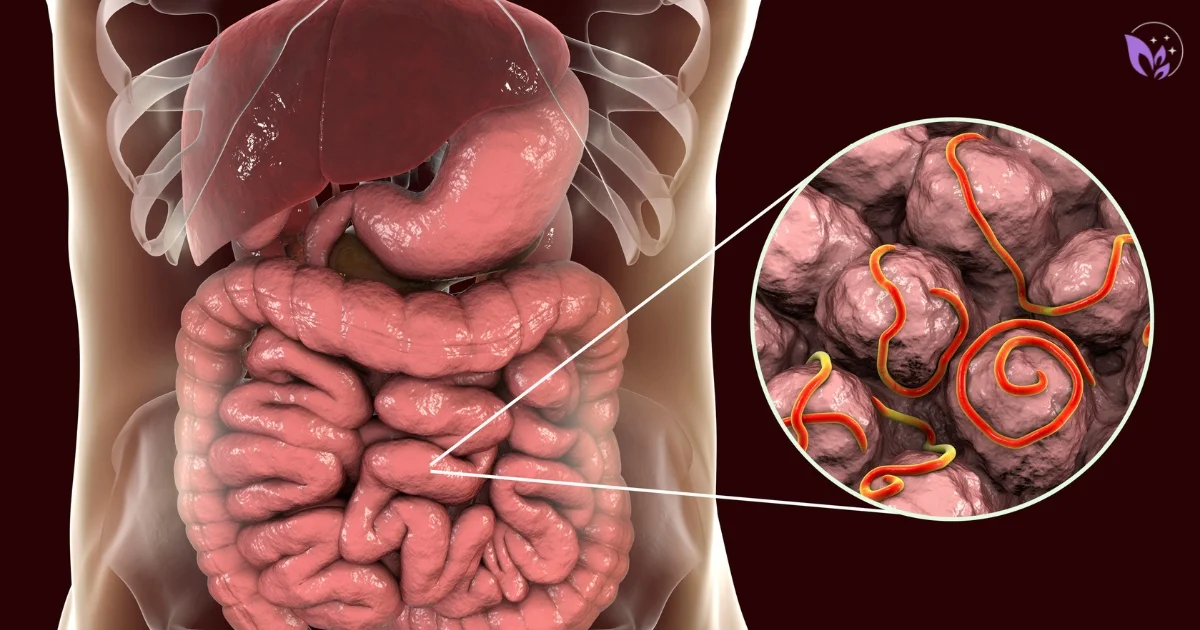
Many intestinal parasites cause mild symptoms. However, untreated or prolonged infections can lead to serious health complications — especially in children, older adults, and immunocompromised individuals.
Possible complications of intestinal parasites include:
Chronic parasite infection symptoms may also contribute to:
Early diagnosis significantly reduces the risk of long-term complications.
If you suspect intestinal worms or protozoan infection, laboratory confirmation is essential.
Symptoms alone cannot reliably diagnose parasites because many digestive disorders, including IBS and viral gastroenteritis, mimic parasite infection symptoms.
The most commonly used tests include:
Because parasite shedding may be intermittent, a single negative test does not always rule out infection.
Modern molecular tests detect parasite DNA and are often more sensitive than traditional microscopy for:
These tests are increasingly used in U.S. laboratories.
Used specifically to diagnose pinworms.
Bloodwork may show:
CT scan or ultrasound may be used if complications such as obstruction or organ involvement are suspected.
Searching for “parasites in stool pictures” or relying on online symptom checklists is unreliable.
Many non-parasitic digestive conditions cause similar symptoms. Proper laboratory testing ensures accurate diagnosis and targeted treatment.
How Long Does Parasite Treatment Take?
Always complete the full prescribed course.
To reduce reinfection risk:
Reinfection cycles are common in household outbreaks.
Certain anti-parasitic medications may not be recommended during pregnancy.
Immunocompromised individuals require careful medical supervision, particularly with Strongyloides due to hyperinfection risk.
Always consult a licensed healthcare provider before starting treatment.
After prescription therapy, some individuals focus on restoring digestive balance and supporting overall gut health.
Important: Dietary supplements do not replace medical treatment for confirmed parasitic infections.
Post-treatment gut recovery may include:
Digestive function may take several weeks to normalize after prolonged diarrhea.
Accurate lab testing ensures correct identification.
Stopping early may cause persistent infection or reinfection.
Focus on electrolyte balance and nutrient recovery.
Prioritize digestive enzyme balance, microbiome stability, and metabolic recovery.

During recovery, some individuals choose to incorporate structured digestive wellness support into their routine. Mahoney Supplements offers formulations designed to support healthy digestive balance and normal metabolic detox pathways. Options such as Paragon Cleanse, Activated Charcoal Binder, and TNM Liver Support are commonly used as part of broader wellness plans following medical treatment. These supplements are intended to support overall gut and liver function and are not a substitute for physician-directed therapy.
Safe cooking temperatures:
Seek evaluation if you experience:
Seek emergency care for:
Common signs of intestinal parasites include chronic diarrhea, bloating, abdominal cramps, anal itching at night, unexplained fatigue, iron-deficiency anemia, and mucus in stool. However, symptoms alone are not enough to confirm infection. The only reliable way to diagnose worm infection is through laboratory testing such as stool ova and parasite (O&P) exams or PCR testing.
The most common parasite symptoms in adults include:
Symptoms vary depending on the type of parasite and severity of infection.
Some mild protozoan infections may resolve without treatment. However, most intestinal worm infections require prescription medication to fully eliminate the parasite and prevent reinfection or complications
The most commonly used diagnostic test is a stool ova and parasite (O&P) examination. Doctors may request 2–3 stool samples to improve accuracy. PCR testing is also increasingly used because it can detect parasite DNA and may be more sensitive for infections such as Giardia and Cryptosporidium.
The lifespan depends on the parasite type. Some worms may survive for months or years if untreated. Strongyloides, for example, can persist for decades due to its ability to reinfect the body internally (autoinfection).
People typically get intestinal parasites by ingesting microscopic eggs or cysts from contaminated food, water, soil, or surfaces. Some parasites, such as hookworms, can also enter through the skin when walking barefoot on contaminated soil.
Yes. Dogs and cats can carry certain parasites, including roundworms and hookworms. Humans may become infected through accidental ingestion of parasite eggs from contaminated soil or pet feces. Proper hygiene and regular veterinary care reduce risk.
Dietary “parasite cleanse” products are not a substitute for medical diagnosis and prescription treatment. While some supplements support digestive wellness, confirmed parasitic infections require physician-directed therapy.
Untreated intestinal parasites can lead to complications such as dehydration, malnutrition, anemia, vitamin deficiencies, and, in rare cases, intestinal obstruction. Early diagnosis significantly reduces the risk of serious health problems.
Treatment duration varies depending on the parasite. Some infections resolve with a single dose of medication, while others require 3–14 days of therapy. Strongyloidiasis may require repeat treatment and close monitoring.


Noor-ul-Ain is a Tech & SEO Content Writer with over 4 years of experience creating search-optimized content for digital platforms. She specializes in SaaS products, AI tools, SEO strategy, and product documentation, helping platforms turn complex features into clear, search-driven growth. Noor-ul-Ain has also written extensively on health science, sports, fitness, fashion, and beauty, focusing on informative and reader-friendly content.
When choosing a liver support supplement, the ingredient panel often tells you more than the front label. Understanding why each

Collagen is one of the body’s main structural proteins, which is why collagen supplements have become popular for skin, joints,

Astaxanthin has gone from a little-known marine pigment to a familiar name in supplement discussions. But what exactly is it,