Contact USA/Canada Toll Free ( 1 (800) 917-4461

What to eat while detoxing for weight loss in 2026

Detoxing for weight loss confuses many people because fad cleanses promise quick results but often leave you tired and nutrient deficient. Your body already detoxifies naturally through your liver, kidneys, and gut. The real question is not whether to detox, but how to eat in a way that supports these organs while losing fat sustainably. This guide clarifies exactly which whole foods enhance natural detoxification, promote steady weight loss, and keep you energized without starvation or gimmicks.

Table of Contents

Key takeaways

Point Details
Whole foods fuel natural detox Nutrient-dense vegetables, proteins, and fiber support liver, kidneys, and gut function for effective toxin elimination and fat loss.
Hydration and fiber are essential Drinking 2-3 liters of water daily plus eating 25-30 grams of fiber aids toxin removal and keeps you full.
Avoid processed foods and alcohol Eliminate added sugars, alcohol, and excess caffeine to reduce inflammation and toxin load during detox.
Plan balanced meals consistently Include protein, vegetables, and probiotics in every meal to maintain energy and support gut health.
Set realistic weight loss goals Aim for 1-2 pounds per week for sustainable fat loss without nutrient deficiencies or muscle loss.

Introduction to detox and weight loss

Detoxification is not a trendy diet or extreme juice fast. It is a continuous natural process your body performs every second through your liver, kidneys, gut, lungs, and skin. These organs work together using enzymes and chemical pathways to neutralize and eliminate toxins from food, air, and metabolic waste. When you eat the right foods, you provide the vitamins, minerals, and antioxidants these organs need to function optimally.

Fad cleanses and starvation diets do not promote sustainable weight loss or health. Juice cleanses may cause rapid water weight loss, but they deprive your body of protein and essential nutrients, slowing metabolism and causing fatigue. Starvation fasting triggers your body to hold onto fat as a survival mechanism, making long term weight loss harder. Supporting your detox organs nutritionally enhances enzymatic pathways and fat metabolism, allowing your body to burn stored fat efficiently while you stay energized.

Many people believe juice cleanses and starvation fasting are effective detox methods. In reality, these approaches often backfire by causing:

  • Nutrient deficiencies that weaken immune function and slow metabolism
  • Dehydration and electrolyte imbalances leading to headaches and fatigue
  • Muscle loss instead of fat loss due to inadequate protein intake
  • Rapid weight regain once normal eating resumes

Instead, focus on eating whole foods rich in fiber, antioxidants, and complete proteins. Leafy greens and cruciferous vegetables support liver detox enzymes and promote fat metabolism naturally. Your liver performs over 500 functions daily, including breaking down fats and filtering toxins, making it the cornerstone of any successful detox for weight loss.

Prerequisites and what you need before starting

Before you change your diet, you need a basic understanding of detox physiology and realistic expectations. Detox is not a quick fix for years of poor eating habits. It is a supportive process that takes weeks to show measurable fat loss and health improvements. Knowing this helps you stay patient and avoid the frustration that causes most people to quit early.

Access to fresh whole foods and clean water is essential. You cannot support natural detoxification by eating processed convenience foods or drinking sugary beverages. Stock your kitchen with:

  • Fresh or frozen cruciferous vegetables like broccoli, cauliflower, and Brussels sprouts
  • Leafy greens such as spinach, kale, and arugula
  • Complete protein sources including eggs, fish, chicken, and legumes
  • Whole grains like quinoa, brown rice, and oats
  • Probiotic rich foods such as yogurt, kefir, and kimchi

Understanding hydration needs and nutrient balance prevents deficiencies that sabotage your progress. Your kidneys filter approximately 200 liters of blood daily, relying on adequate water intake to flush out waste efficiently. Without enough hydration, toxins accumulate, causing bloating, fatigue, and sluggish weight loss. Similarly, skipping protein or fiber leads to muscle loss, hunger, and digestive problems.

Consult a healthcare provider if you are pregnant, nursing, or have medical conditions like diabetes, kidney disease, or liver disorders. Detox diets can affect blood sugar levels and medication effectiveness. A professional can help you tailor the approach safely. To dive deeper into the science behind detoxification, explore the role of detoxification guide for comprehensive insights.

Best foods to eat during detox

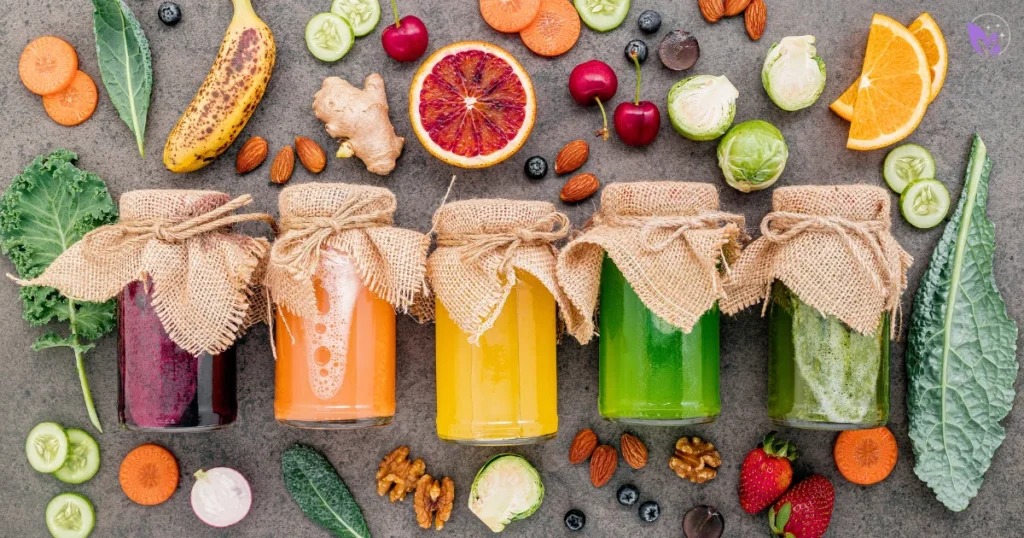
The right foods provide vitamins, minerals, antioxidants, and fiber that support liver enzymes, kidney filtration, and gut health. Eating these foods daily creates an internal environment where detoxification and fat burning happen naturally without extreme restriction or hunger.

Cruciferous vegetables and leafy greens contain sulforaphane, vitamins C and K, and fiber that enhance liver detox enzymes responsible for breaking down fats and toxins. Eat broccoli, cauliflower, kale, spinach, and arugula 4 to 5 times weekly. Steam or lightly sauté them to preserve nutrients and add them to salads, omelets, or stir fries.

Adequate protein supports liver function and maintains mood and energy during weight loss. Include complete proteins daily from eggs, wild caught fish like salmon or sardines, organic chicken, and plant sources such as hemp seeds, lentils, and chickpeas. Protein also keeps you full longer, reducing cravings and overeating.

Infographic showing detox foods and foods to avoid

Consume 25 to 30 grams of fiber daily through vegetables, whole grains, and legumes to aid digestion and toxin elimination. Fiber binds to waste in your intestines and promotes regular bowel movements, preventing toxin reabsorption. Oats, quinoa, chia seeds, and black beans are excellent sources. Gradually increase fiber intake to avoid bloating and drink plenty of water to help fiber move smoothly through your system.

Hydration with water and herbal teas improves kidney function and toxin elimination. Drink 2 to 3 liters of water daily, spacing intake throughout the day. Green tea provides antioxidants called catechins that enhance fat oxidation and support liver detox. Dandelion tea and ginger tea also promote digestion and reduce inflammation.

Gut friendly probiotic foods improve digestion and detox efficiency by balancing your gut microbiome. Add yogurt, kefir, sauerkraut, kimchi, or miso 3 to 4 times per week. A healthy gut absorbs nutrients better and eliminates waste more effectively, both critical for weight loss. For a detailed list, check out foods that support detox and learn about the role of probiotics in detox naturally.

Food Category Examples Detox Benefit Frequency
Cruciferous vegetables Broccoli, cauliflower, Brussels sprouts Liver enzyme support, sulforaphane 4-5 times weekly
Leafy greens Spinach, kale, arugula Vitamins C/K, fiber, antioxidants Daily
Complete proteins Eggs, salmon, chicken, hemp seeds Liver function, muscle maintenance Daily
Fiber rich foods Oats, quinoa, lentils, chia seeds Digestion, toxin binding Daily (25-30g total)
Probiotic foods Yogurt, kefir, kimchi, sauerkraut Gut health, microbiome balance 3-4 times weekly
Hydration Water, green tea, herbal teas Kidney filtration, fat oxidation 2-3 liters daily

Pro Tip: Start your day with warm lemon water to stimulate digestion and hydrate your kidneys after overnight fasting. This simple habit kickstarts detox processes before breakfast.

Foods and substances to avoid during detox

Certain foods and substances actively hinder your body’s detoxification efforts and slow weight loss. Eliminating or drastically reducing these items protects your liver, reduces inflammation, and allows natural detox pathways to function efficiently.

Man removing processed snacks from pantry

Avoid processed and packaged foods with additives, preservatives, and artificial flavors. These chemicals place extra burden on your liver, which must work overtime to neutralize synthetic compounds. Processed foods also lack fiber and nutrients, leaving you hungry and more likely to overeat.

Limit added sugars to less than 10% of your daily calories to reduce inflammation and insulin spikes. High sugar intake promotes fat storage, especially around your abdomen, and feeds harmful gut bacteria that disrupt digestion. Check labels for hidden sugars in sauces, dressings, and snacks.

Avoid alcohol entirely during detox to prevent toxin overload. Your liver prioritizes metabolizing alcohol over other detox functions, meaning toxins and fats accumulate while alcohol is processed. Even moderate drinking slows weight loss and causes dehydration, fatigue, and inflammation.

Limit caffeine to under 200 mg daily to avoid dehydration and cortisol spikes. One cup of coffee contains roughly 95 mg of caffeine, so two cups maximum per day is reasonable. Excess caffeine stresses your adrenal glands, disrupts sleep, and increases water loss through urine, impairing kidney detox efficiency.

Eliminate highly processed fats such as trans fats and hydrogenated oils found in fried foods, margarine, and baked goods. These fats promote inflammation, clog arteries, and hinder liver detox pathways. Replace them with healthy fats from avocados, olive oil, nuts, and seeds.

By removing these detox blockers, you create a clean internal environment where your organs can focus on eliminating stored toxins and burning fat for energy.

Step by step detox meal plan guide

Building a balanced detox meal plan requires planning, consistency, and flexibility. Follow these steps to design meals that support natural detoxification and sustainable weight loss without hunger or deprivation.

  1. Plan meals with whole foods daily, emphasizing vegetables, proteins, and fiber. Each meal should include at least one cruciferous or leafy green vegetable, a palm sized portion of protein, and a fiber rich carbohydrate like quinoa or sweet potato. This combination stabilizes blood sugar, keeps you full, and provides nutrients your detox organs need.

  2. Schedule hydration with 2 to 3 liters of water plus herbal teas spaced throughout the day. Drink a glass of water upon waking, before each meal, and between meals. Set reminders on your phone if needed. Herbal teas like green tea or dandelion tea count toward your hydration goal and add antioxidants.

  3. Practice mindful eating to tune into hunger and satiety, avoiding overeating. Eat slowly, chew thoroughly, and pause halfway through meals to assess fullness. This helps you recognize true hunger versus emotional eating and prevents consuming excess calories that slow weight loss.

  4. Adjust meal portions and food variety based on energy, digestion, and weight progress. If you feel fatigued, increase protein or add a small serving of complex carbs. If digestion feels sluggish, boost fiber gradually and ensure adequate water intake. Weigh yourself weekly and track non-scale victories like improved energy and reduced bloating.

  5. Incorporate probiotic foods regularly to support gut health and detox. Add a small serving of yogurt or kefir to breakfast, or include fermented vegetables like kimchi or sauerkraut with lunch or dinner. A healthy gut microbiome enhances nutrient absorption and toxin elimination.

Pro Tip: Prep meals on Sundays by chopping vegetables, cooking grains, and portioning proteins. This saves time during busy weekdays and makes sticking to your detox plan effortless.

For a comprehensive framework, review the detoxification step by step guide to optimize your approach.

Common mistakes and troubleshooting

Even with good intentions, many people make avoidable errors that undermine their detox and weight loss efforts. Recognizing these pitfalls early and correcting them keeps you on track toward your goals.

Dehydration is very common during detox. Many people forget to drink enough water, especially when increasing fiber intake. Fix this by setting hydration reminders on your phone and aiming for 2 to 3 liters daily. Carry a reusable water bottle and sip consistently throughout the day.

Skipping protein causes fatigue and muscle loss, slowing your metabolism and making weight loss harder. Ensure you eat a complete protein source at every meal. Eggs, fish, chicken, tofu, and legumes provide the amino acids your liver needs to produce detox enzymes and maintain lean muscle mass.

Relying on detox products instead of whole foods reduces effectiveness. Pills, powders, and commercial cleanses cannot replace the vitamins, minerals, and fiber found in real food. Whole foods provide synergistic nutrients that work together to support detoxification naturally.

Unrealistic weight loss expectations lead to early quitting. Sustainable fat loss happens at a rate of 1 to 2 pounds per week. Expecting rapid results sets you up for disappointment. Focus on non-scale victories like better digestion, clearer skin, and improved energy.

Monitor symptoms and adjust your diet to prevent nutrient deficiencies. If you experience persistent headaches, dizziness, or extreme fatigue, you may need more calories, protein, or electrolytes. Listen to your body and make small adjustments rather than abandoning the plan entirely.

Expected outcomes and success metrics

Setting realistic, measurable goals helps you stay motivated and evaluate progress accurately. Understanding what to expect prevents discouragement and keeps you committed to the process.

Sustainable weight loss of 1 to 2 pounds per week is typical with a balanced detox diet. This rate allows fat loss without triggering your body’s starvation response, which slows metabolism and causes muscle loss. Over 8 weeks, losing 8 to 16 pounds of fat while preserving muscle is a healthy, maintainable outcome.

Expect improved digestion, reduced bloating, and inflammation reduction within the first two weeks. As your gut health improves and your diet eliminates inflammatory foods, you should notice flatter stomach, regular bowel movements, and less discomfort after meals.

Energy and mood typically improve with nutrient balance. Adequate protein, healthy fats, and complex carbs stabilize blood sugar and support neurotransmitter production, reducing mood swings and afternoon energy crashes.

Skin clarity and sleep quality enhancements are common benefits. Hydration, antioxidants, and reduced toxin load improve skin texture and reduce breakouts. Better sleep results from balanced blood sugar, reduced caffeine intake, and lower inflammation.

Track hydration, vegetable intake, and weight regularly to measure your success objectively. Use a journal or app to log daily water consumption, servings of vegetables, and weekly weight. Also note qualitative improvements like energy levels, digestion, and mood.

Success Metric Timeline What to Expect
Weight loss Weekly 1-2 pounds per week (0.5-1 kg)
Digestion improvement 1-2 weeks Reduced bloating, regular bowel movements
Energy and mood 2-3 weeks Stable blood sugar, reduced fatigue
Skin clarity 3-4 weeks Fewer breakouts, improved texture
Sleep quality 2-4 weeks Deeper sleep, easier to fall asleep

Alternative approaches and tradeoffs

Different detox methods offer varying benefits and risks. Comparing popular approaches helps you choose the one that aligns with your health status, lifestyle, and long term goals.

Juice cleanses offer rapid water loss but risk nutrient deficiencies and fatigue. Drinking only fruit and vegetable juices for multiple days deprives your body of protein, healthy fats, and fiber. You may lose several pounds quickly, but most of it is water weight and muscle, not fat. Once you resume normal eating, weight returns rapidly.

Whole food detox diets support organs, provide protein and fiber, and allow sustainable fat loss. Eating balanced meals with vegetables, proteins, whole grains, and probiotics nourishes your liver, kidneys, and gut while promoting steady fat burning. This approach is safer, more effective long term, and easier to maintain.

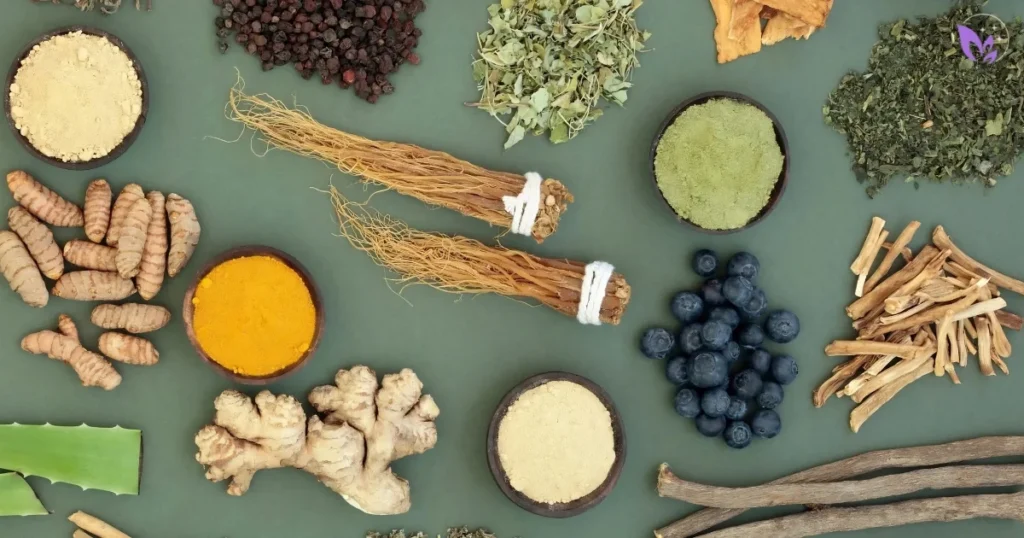
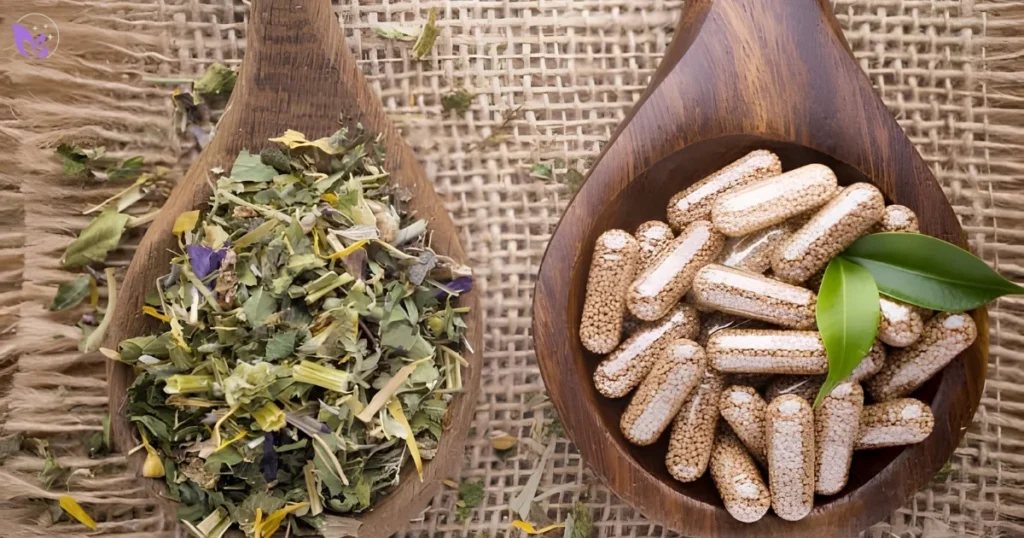
Supplement based protocols can complement diets but may add cost and complexity. Detox supplements like milk thistle, NAC, and probiotics can enhance liver and gut function when combined with whole food nutrition. However, they are not magic bullets and should not replace real food. Quality supplements can be expensive, and some may interact with medications.

Extreme fasting has risks, including muscle loss, nutrient deficiencies, and metabolic slowdown. Fasting for more than 24 hours without medical supervision can cause dizziness, weakness, and rebound binge eating. Sustainable habits like balanced nutrition and regular physical activity are key for long term wellness.

Choosing the right approach depends on your individual goals, health status, and preference. If you need quick motivation, a short 1 to 3 day juice cleanse might kickstart healthier habits, but transition quickly to whole foods. For sustainable weight loss and health improvements, prioritize a whole food detox diet supported by hydration, sleep, and stress management.

Approach Pros Cons Best For
Juice cleanse Rapid water loss, simple Nutrient deficiencies, fatigue, unsustainable Short term motivation (1-3 days max)
Whole food detox diet Sustainable fat loss, organ support, balanced nutrition Requires planning, slower results Long term health and weight loss
Supplement based Convenient, targeted support Costly, not a replacement for food Complementing whole food diet
Extreme fasting Rapid initial weight loss Muscle loss, metabolic slowdown, rebound Not recommended without supervision

Explore expert detox solutions and supplements

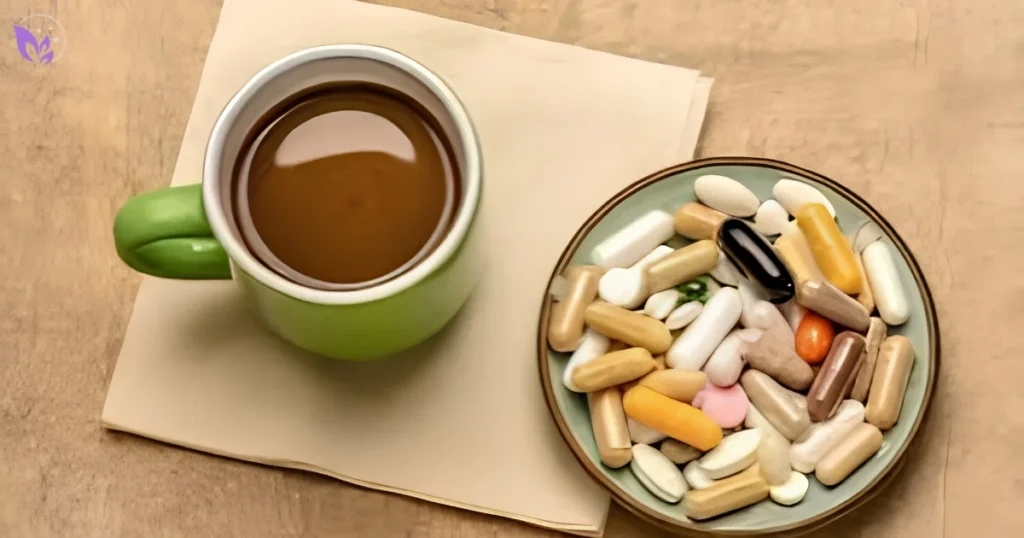
While whole foods form the foundation of effective detoxification, targeted supplements can enhance your results when used correctly. Expert formulated detox supplements provide concentrated nutrients that support liver function, gut health, and toxin elimination, complementing your balanced diet for optimized wellness and weight loss.

Mahoney Inter offers carefully curated supplements designed to work synergistically with your detox nutrition plan. Whether you need liver support to enhance fat metabolism or probiotics to restore gut balance, choosing the right supplements ensures you get pharmaceutical grade ingredients without unnecessary fillers or additives.

https://mahoneyinter.com

Explore how to choose detox supplements naturally based on your specific health goals and current diet. Compare options with our guide to top detox supplements for gut health to find the best fit for your needs. For a comprehensive understanding, review the role of supplements in detox guide to integrate supplements safely and effectively into your holistic wellness routine.

FAQ

What foods best support liver detox during weight loss?

Include cruciferous vegetables like broccoli and cauliflower, leafy greens such as kale and spinach, and complete proteins like eggs and wild caught fish regularly for liver enzyme support. Sulforaphane rich foods enhance liver detox pathways and fat metabolism naturally. For more details, see foods that support detox.

Can I include caffeine and alcohol while detoxing for weight loss?

Limit caffeine to under 200 mg daily, roughly two cups of coffee, to avoid dehydration and cortisol spikes that stress your adrenal glands and impair kidney function. Avoid alcohol entirely during detox to prevent toxin overload, as your liver prioritizes metabolizing alcohol over other detox functions, slowing fat loss and causing inflammation.

How much weight can I realistically expect to lose with a detox diet?

Sustainable weight loss is typically 1 to 2 pounds per week when following a balanced detox diet with whole foods, adequate hydration, and nutrient balance. Over 4 to 8 weeks, losing 8 to 16 pounds of fat while preserving muscle is a healthy, maintainable outcome.

Are juice cleanses effective and safe for weight loss detox?

Juice cleanses mostly cause short term water weight loss, not sustainable fat loss, and may lead to nutrient deficiencies and fatigue if extended beyond 1 to 3 days. They lack protein and fiber, causing muscle loss and rebound weight gain once normal eating resumes. Whole food detox diets are safer and more effective long term.

Scroll to Top